Farrow & Ball Hague BluevsFarrow & Ball Stiffkey Blue
Why this comparison: F&B’s two famous deep blues; Stiffkey leans inky navy while Hague pulls green-black. Hague Blue and Stiffkey Blue are close but distinct (ΔE 5.53). Visible difference on the wall, especially in flat daylight.

Built from our full reviews of both colors — same measured data, same real-room photos. About the testing process →
The Numbers
Stiffkey Blue is slightly lighter (LRV 10 vs 7, 3-point delta).
What Each Color Really Is
A deep teal-navy built on a quiet green base — Farrow & Ball's own literature calls it a rich, dark blue with a green undertone, and that green is doing more work than the name lets on. Most near-black blues go one of two ways: cold and flat, or so dark they read as plain black. Hague Blue does neither, because the green keeps a trace of warmth moving under the blue even in weak light. It has been in the core range for decades and has quietly become the brand's best-known dark blue — the color designers and kitchen fitters reach for first when a client asks for "that Farrow & Ball blue" without naming one.
At LRV 7 it is genuinely close to black — it reflects almost nothing back into the room, so the light you give it is the color you get. That is the number-one surprise in owner accounts: the navy you saw on the sample in daylight reads as a near-black blue by evening, and a north-facing room without real lamps can lose the color almost entirely. Farrow & Ball's own color consultant Patrick O'Donnell has pointed to the green note as the reason it still works in north-facing rooms better than a straight navy would — the green keeps it from turning chilly the way a colder blue-black does. It is not a free pass on light, but it is a real advantage over its rivals.
Stiffkey Blue takes its name from Stiffkey (locally pronounced 'Stewkey'), a salt-marsh village on the North Norfolk coast in England, where the tidal mud runs this exact blue-gray at low tide. It's a genuinely blue-leaning dark, cooler and truer to blue than its two more famous Farrow & Ball stablemates: Hague Blue drifts green-teal and can read almost khaki in warm light, while Down Pipe is a lead gray with only a hint of blue in it. Of the three, Stiffkey Blue is the one that actually commits to being blue.
At a deck LRV of 10 it sits in near-black territory on paper, and in a dim room it behaves like it — corners and shadowed walls read as a flat charcoal with no obvious hue at all. Farrow & Ball's own guidance on the color is that it 'will appear much bluer' in well-lit areas, which is really the whole review in one sentence: give it real light and the blue asserts itself; starve it of light and you've bought an expensive near-black.
Specs Side by Side
| Spec | Hague Blue | Stiffkey Blue |
|---|---|---|
| Brand | Farrow & Ball | Farrow & Ball |
| SKU | No. 30 | No. 281 |
| Hex | #3F4D57 | #4A5B6B |
| RGB | 63, 77, 87 | 74, 91, 107 |
| LRV | 7 | 10 |
| Undertone | blue / cool | blue / cool |
| Family | Blue | Blue |
How Light Changes Them
Real sun is where the green comes forward and the color is unmistakably teal-navy, not black. Sample here first.
Weak or north light drains the color to a flat, near-black navy with little of the green left to see. Lamps are part of the job.
Distinctly navy in morning light, greener at midday, close to black-blue by evening — the same paint, three different moods.
2700K lamps pull it toward a soft, warm charcoal-navy at night. Cool 4000K LEDs push it colder and closer to plain black.
A sunny window or full sun on a front door pulls out its truest, richest blue. This is the light the color needs to make its case.
With little window light it drops toward near-black and loses the blue almost entirely. Fine if that's the look you want; disappointing if you paid for blue.
Steel-gray at dawn, a clear confident blue at midday in good light, near-ink by evening. The swing is bigger than most colors — sample it at more than one time of day.
2700K lamps deepen it toward a charcoal-navy, cozy but darker. Cool white LEDs keep it truer to blue but flatter and starker.
Both Colors in Real Rooms
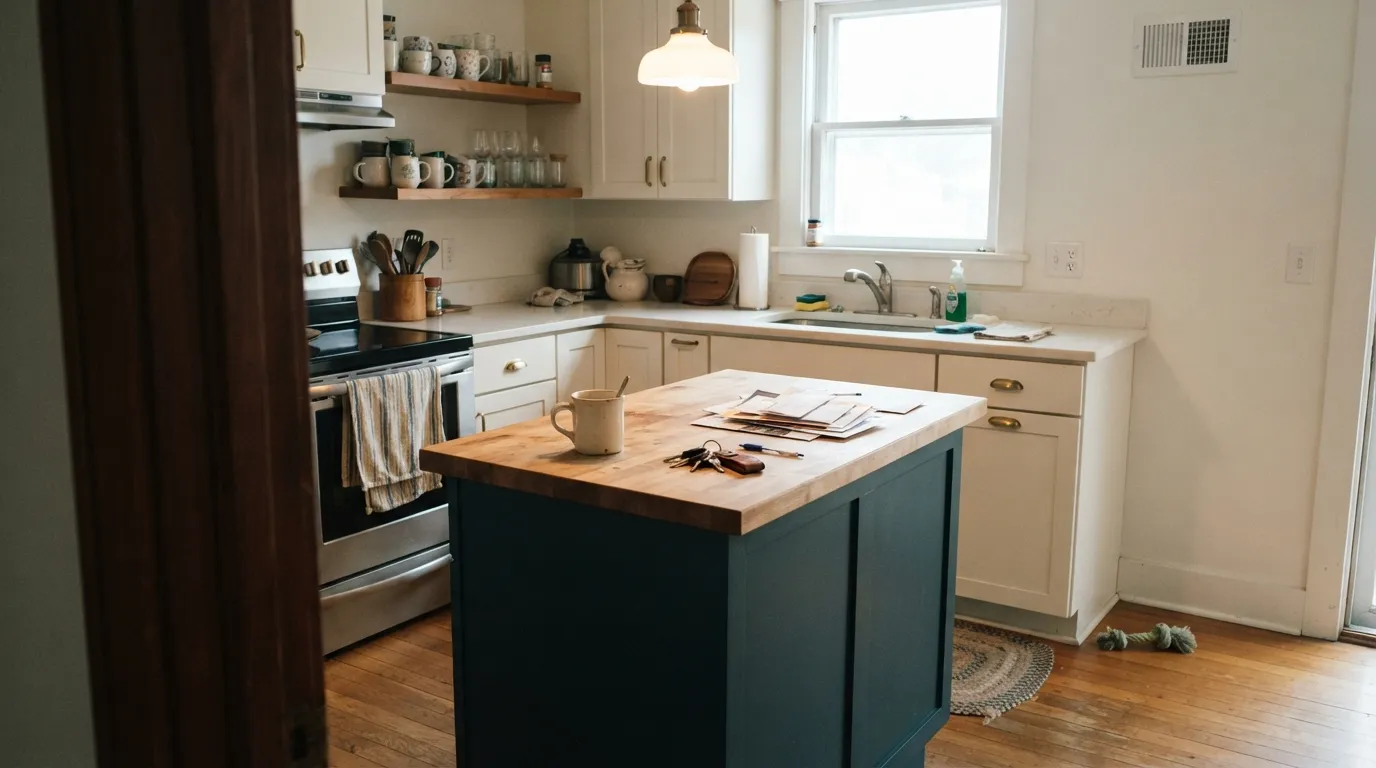
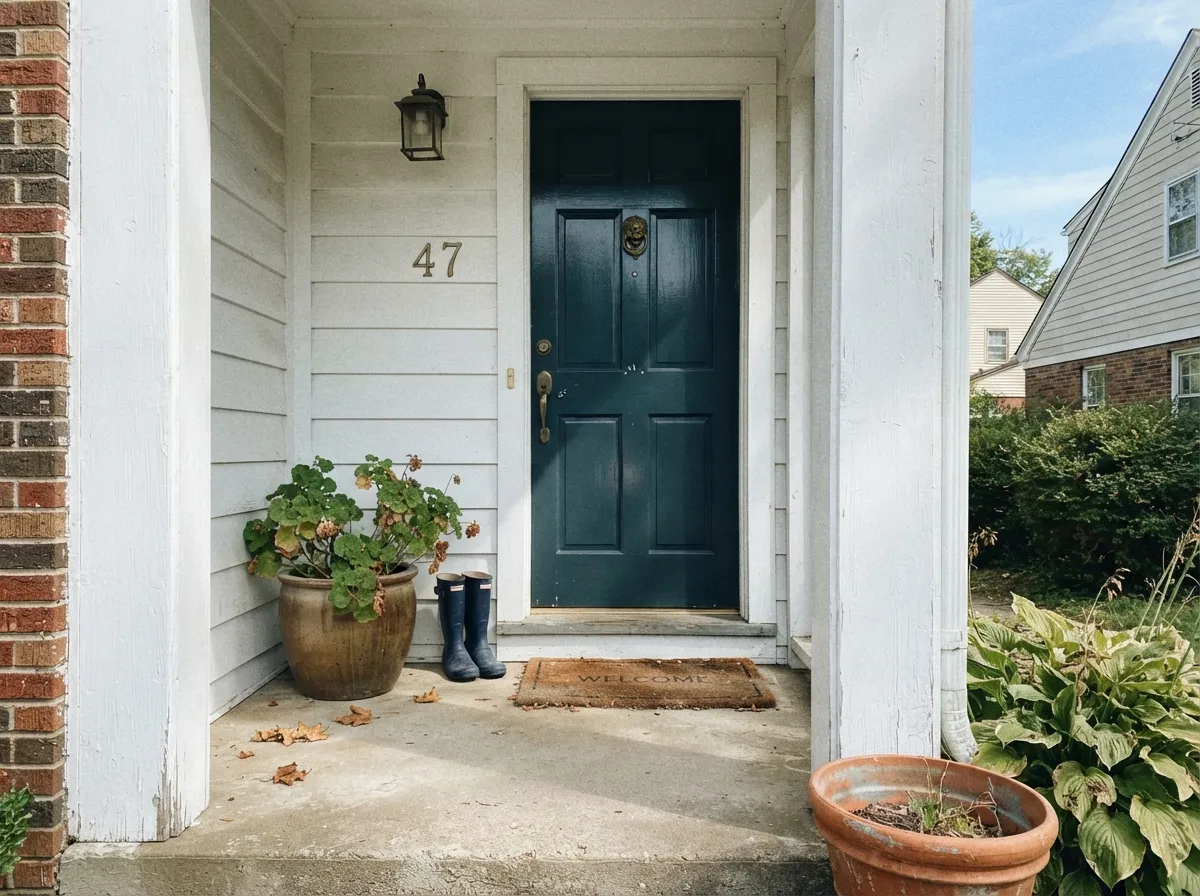
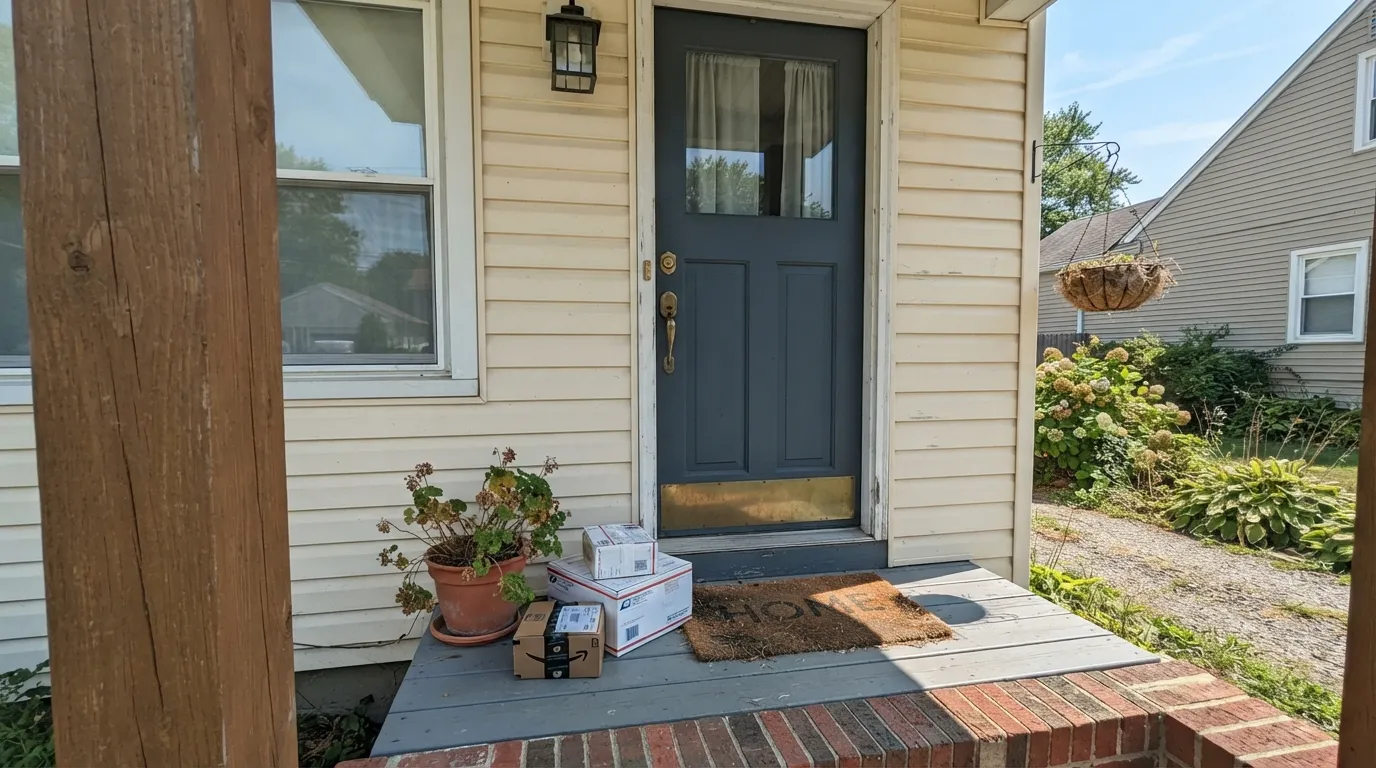
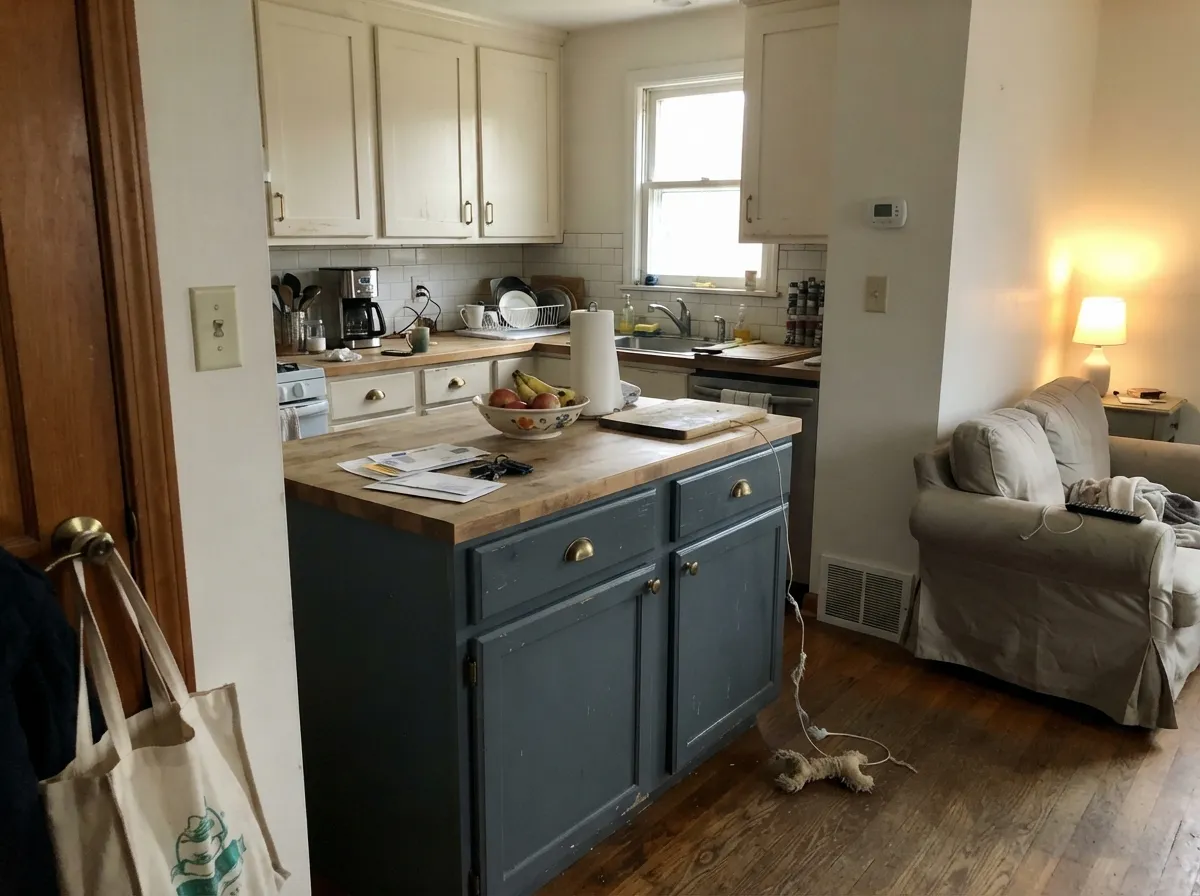
Photos from our full reviews — the same rooms and captions, so you can judge each color where it actually lives, not on a chip.
When to Pick Which
Kitchen islands and cabinets under warm wood and brass · front doors, railings and ironwork · paneled studies, libraries and home offices · powder rooms and small drenched spaces · dining rooms lit by lamps and candles
You want an obvious, unmistakable navy · your room is dim, north-facing and short on lamps · you're choosing between this and Railings or Off-Black without comparing real chips side by side · you need a cheap gallon
Front doors and exteriors with real daylight · kitchen islands and cabinetry, not full walls · powder rooms and small foyers · bedrooms and dens you actually use with lamps on · anyone who wants moody without buying a true black
Your room is dim or north-facing and you want it to read as blue, not black · you're painting a high-traffic hallway or mudroom in a matte, chalky finish · your budget has no room for three or four coats of premium paint · you want a color that looks identical all day
No comparison page can see your light. Upload one photo of your room and try both colors on the same walls, seconds apart.
Hague Blue vs Stiffkey Blue FAQ
Which is lighter, Hague Blue or Stiffkey Blue?
Stiffkey Blue is lighter: LRV 10 vs 7. Stiffkey Blue is slightly lighter (LRV 10 vs 7, 3-point delta).
Which is warmer, Hague Blue or Stiffkey Blue?
They share the same undertone family — both read blue / cool. The difference between them is lightness and depth, not temperature.
How similar are Hague Blue and Stiffkey Blue?
Hague Blue and Stiffkey Blue are close but distinct (ΔE 5.53). Visible difference on the wall, especially in flat daylight. The only reliable test is seeing both in your own room and light — a side-by-side on a screen or chip flattens the difference.
Can I use Hague Blue and Stiffkey Blue together in one house?
Yes, in separate rooms. They are close enough to feel related but different enough to notice, so give each its own room and connect them with a shared trim white. Avoid putting them on adjoining walls.
Ask a Question