What Colors Go With White?
White is the easiest base to build a room around. It works with almost any color because white walls act like a clean backdrop, so you can lean warm, cool, soft, or bold and white will keep up. That is exactly why what colors go with white walls is one of the most-searched decorating questions there is. The short version: soft greens and blues, warm wood and greige, a little black for contrast, earthy browns and rust, and one bold accent like plum, navy, or emerald.
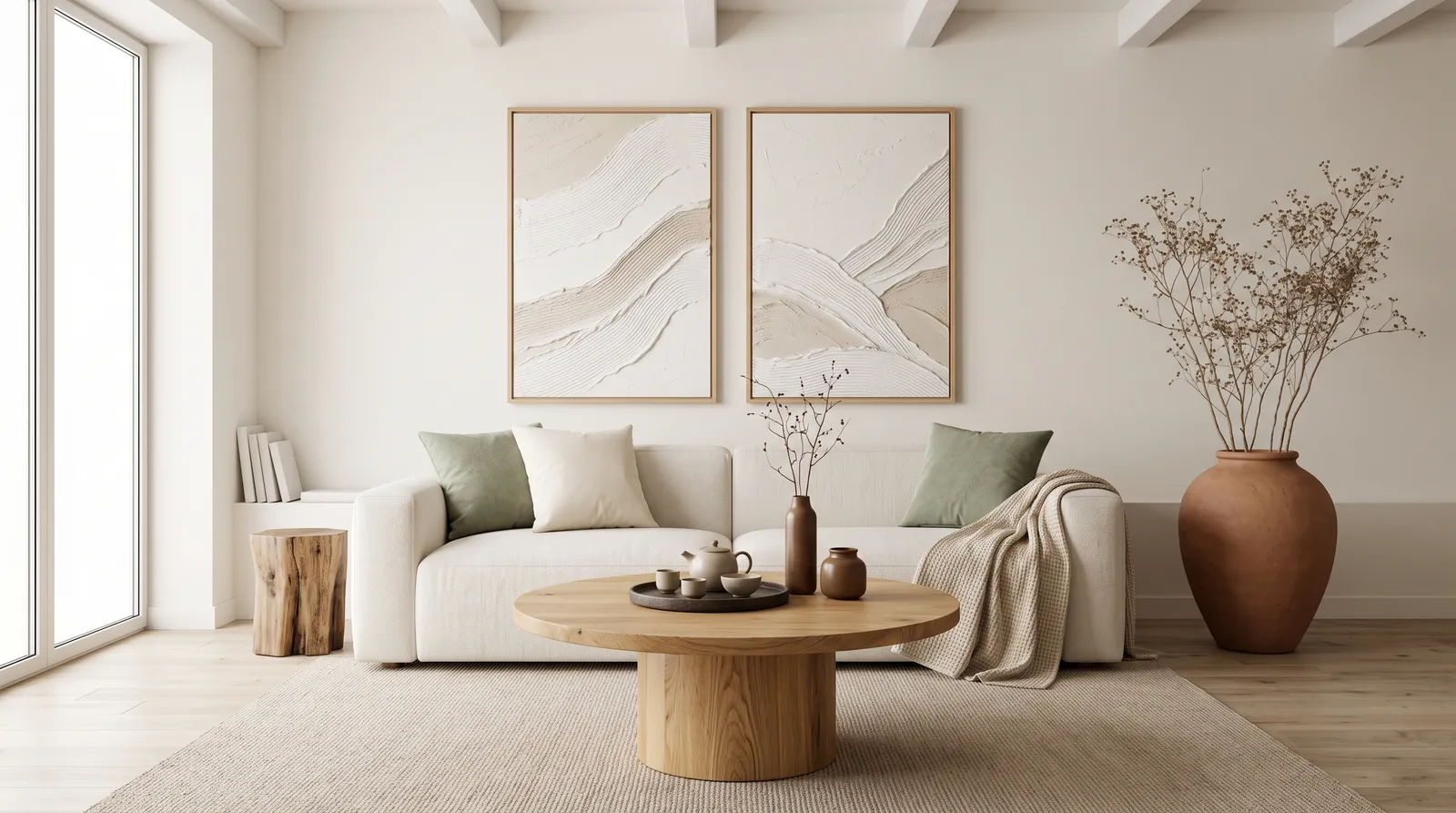
The one rule that really matters is undertone. Warm white pairs best with warm colors, and cool white pairs best with cool ones. Get that right and almost any pairing looks balanced instead of off. If you want a single safe move, add a warm wood tone and a soft green or blue. That gives white walls some life without making the room feel busy.
White also lets one bold accent stand out, which is why designers reach for it in living rooms, bedrooms, and kitchens alike. It stretches a small room and makes art and furniture pop. Below you will find the best colors that go with white, real paint you can buy for each one, ready-made white color schemes, and a simple recipe for balancing it all.
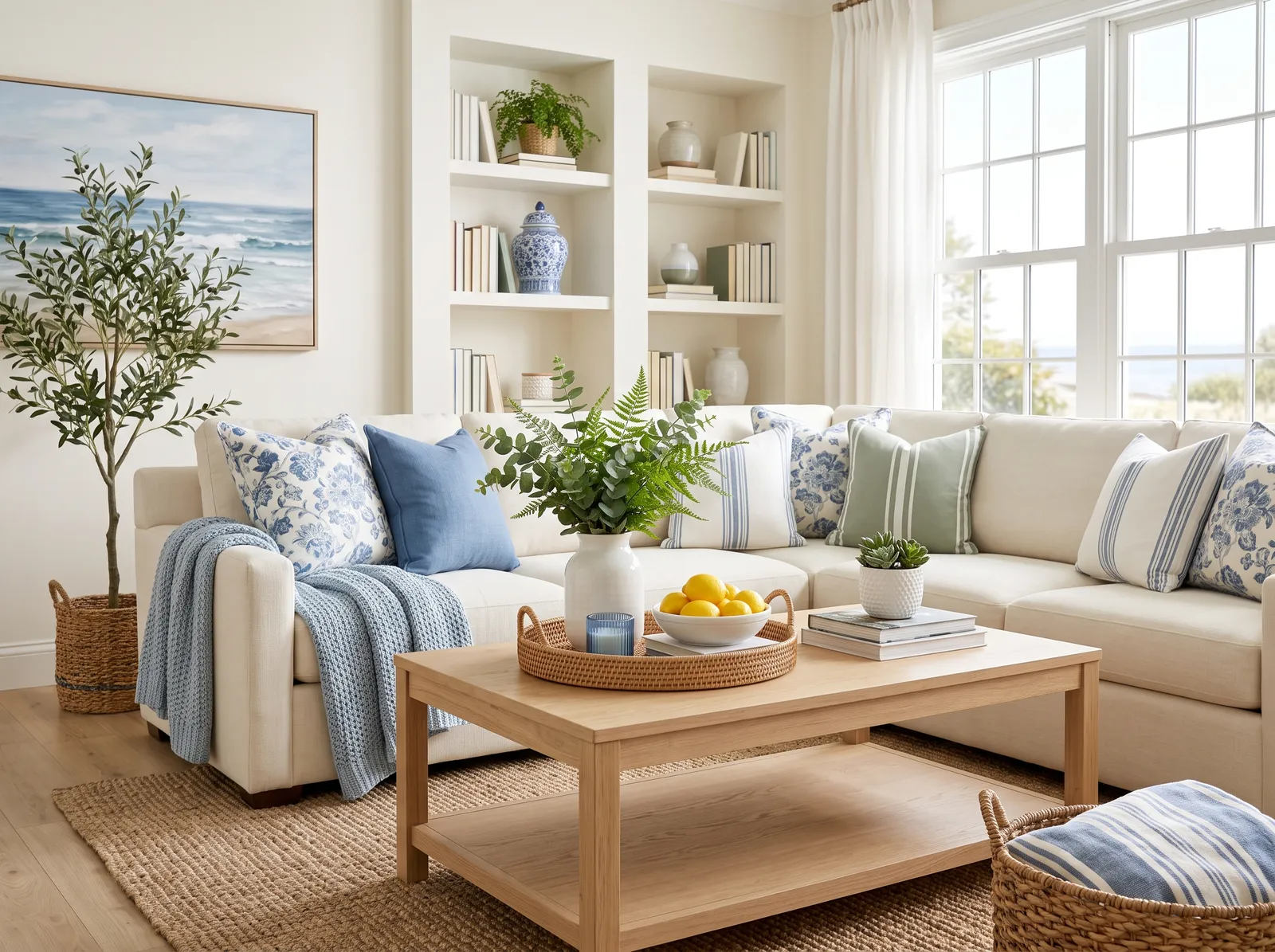
Soft Greens And Blues
Gentle greens and blues bring a calm, nature feel and keep white from looking plain.
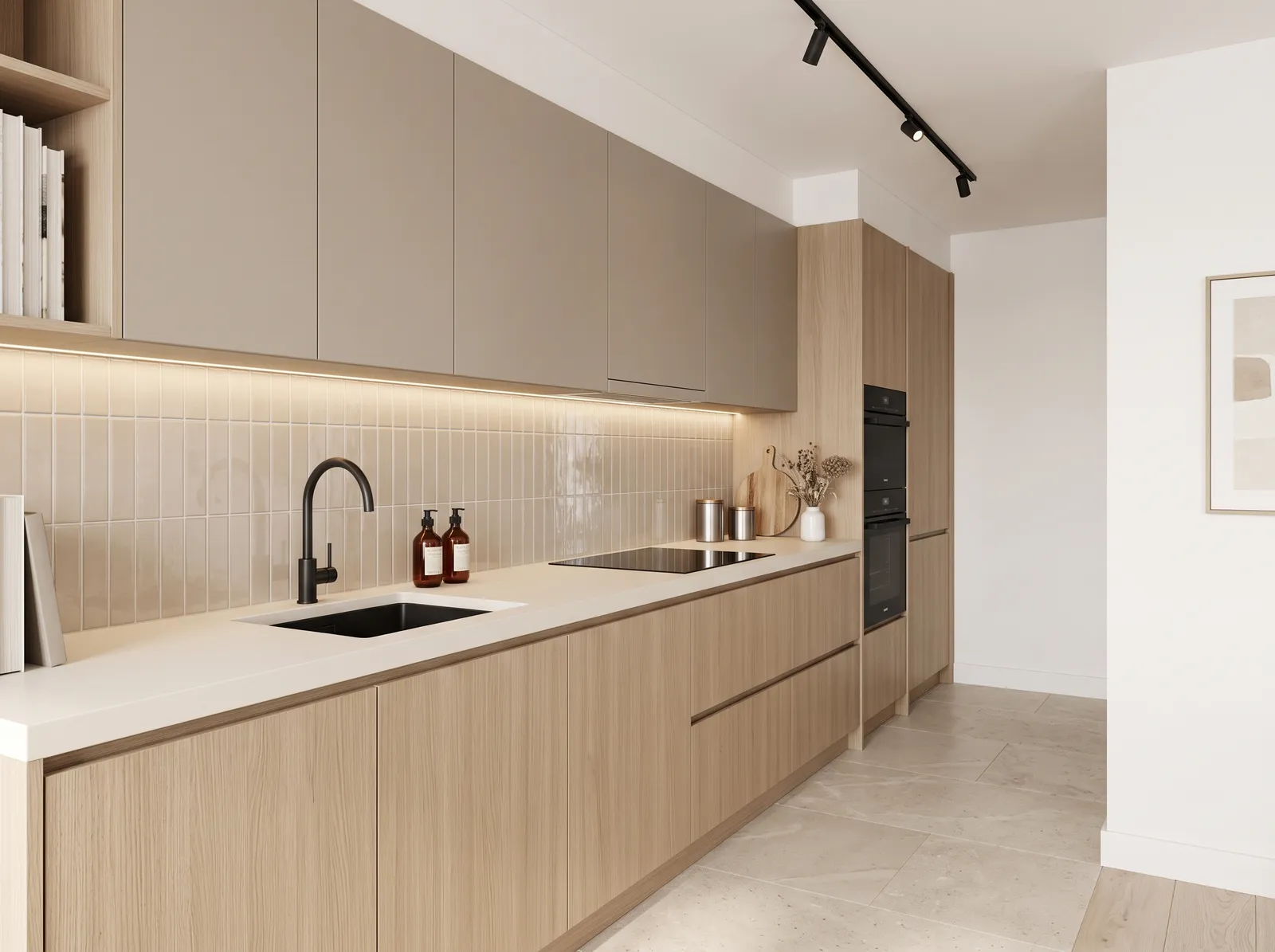
Warm Wood And Greige
Natural wood and greige add cozy warmth so a white room never feels cold or empty.
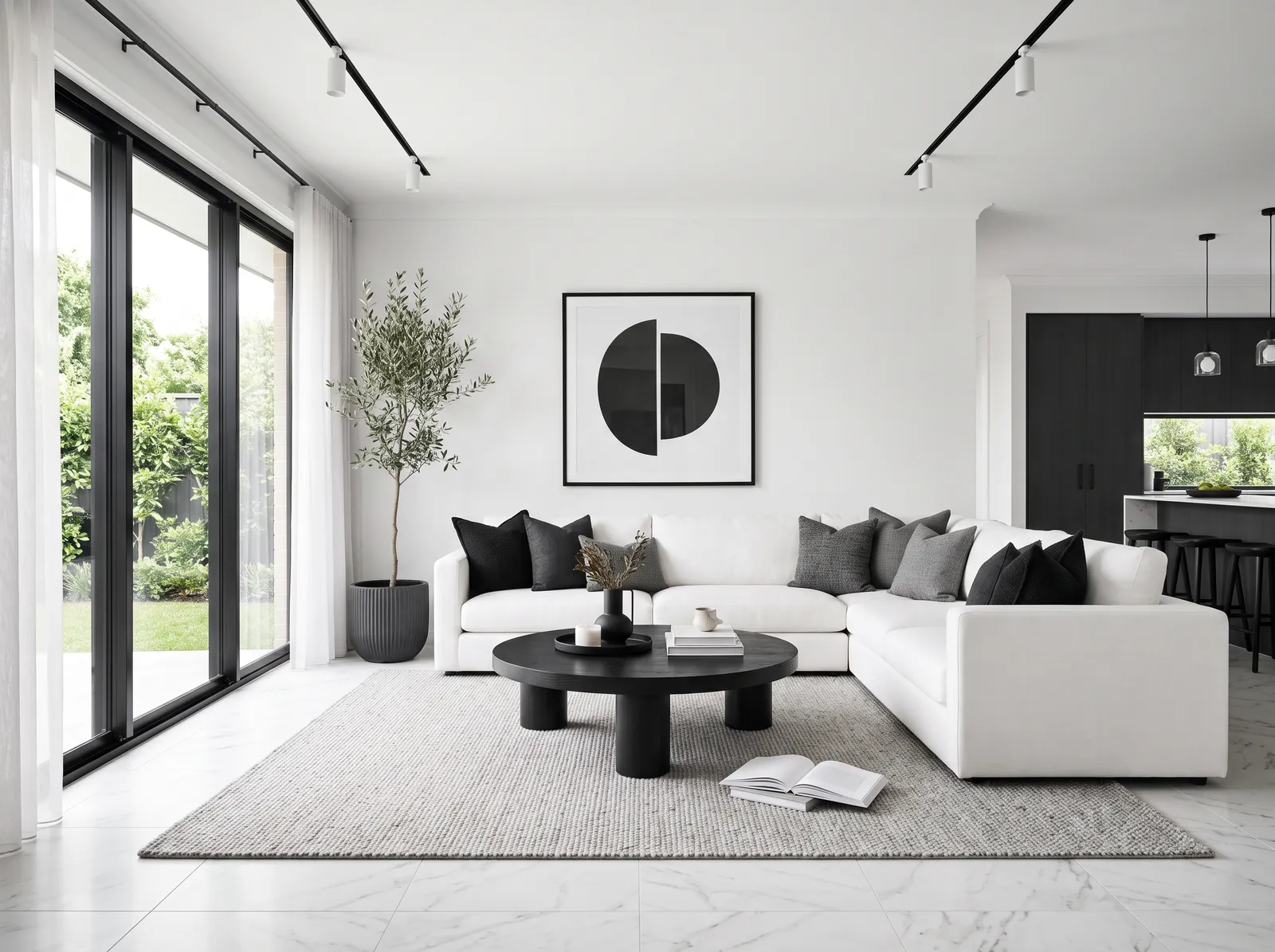
Black For Crisp Contrast
A touch of black sharpens white and gives a clean, modern, graphic look.
Earthy Browns And Rust
Warm browns and rust make white feel grounded and inviting instead of stark.
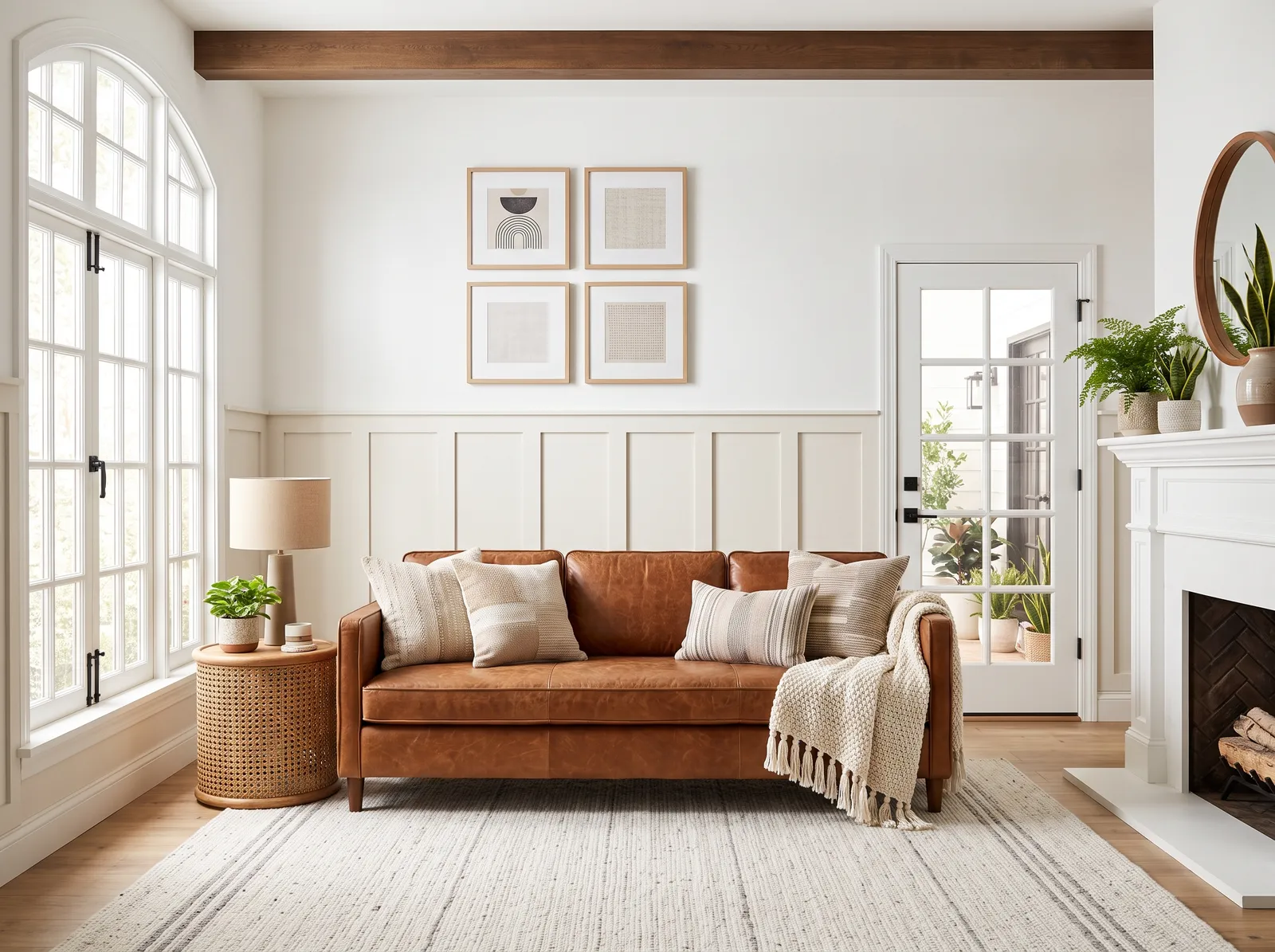
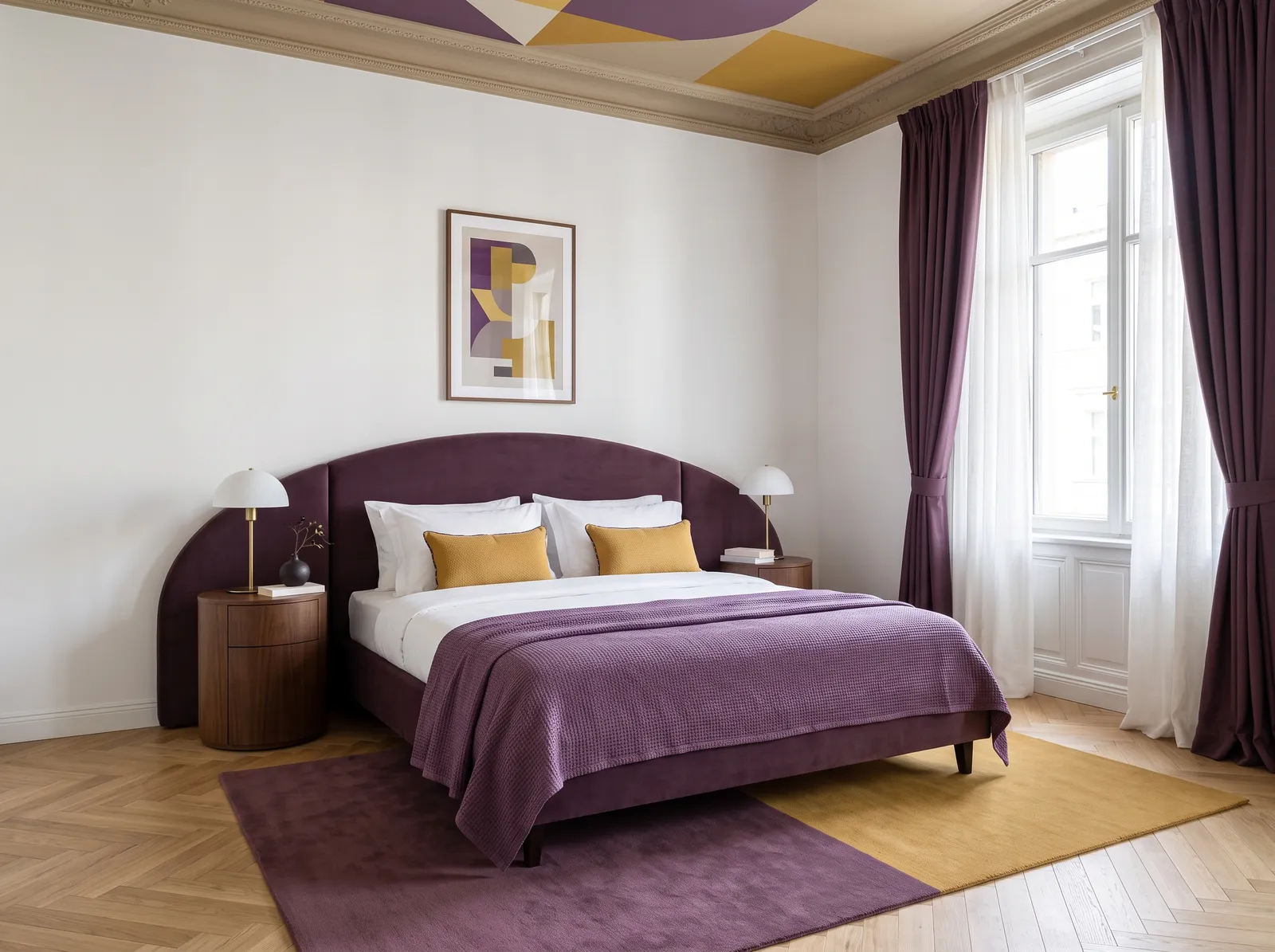
Bold Plum Or Ochre Accents
One rich color pops hard against white, so a little goes a long way.
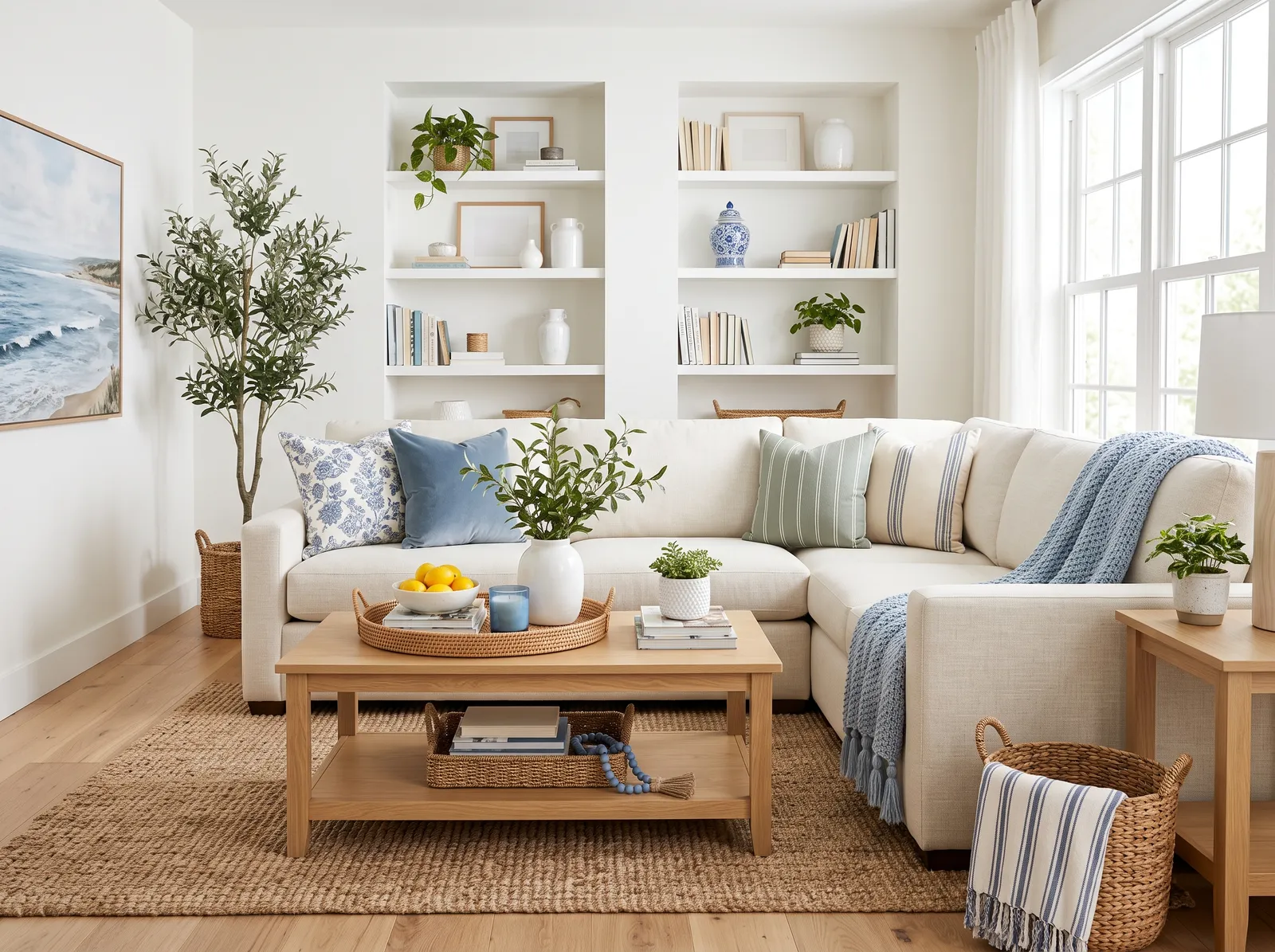
Coastal Navy And Sea Glass
White is the base of every coastal room. Mix it with crisp navy and soft sea-glass green for a fresh shoreline look. The combo feels clean, breezy, and bright.
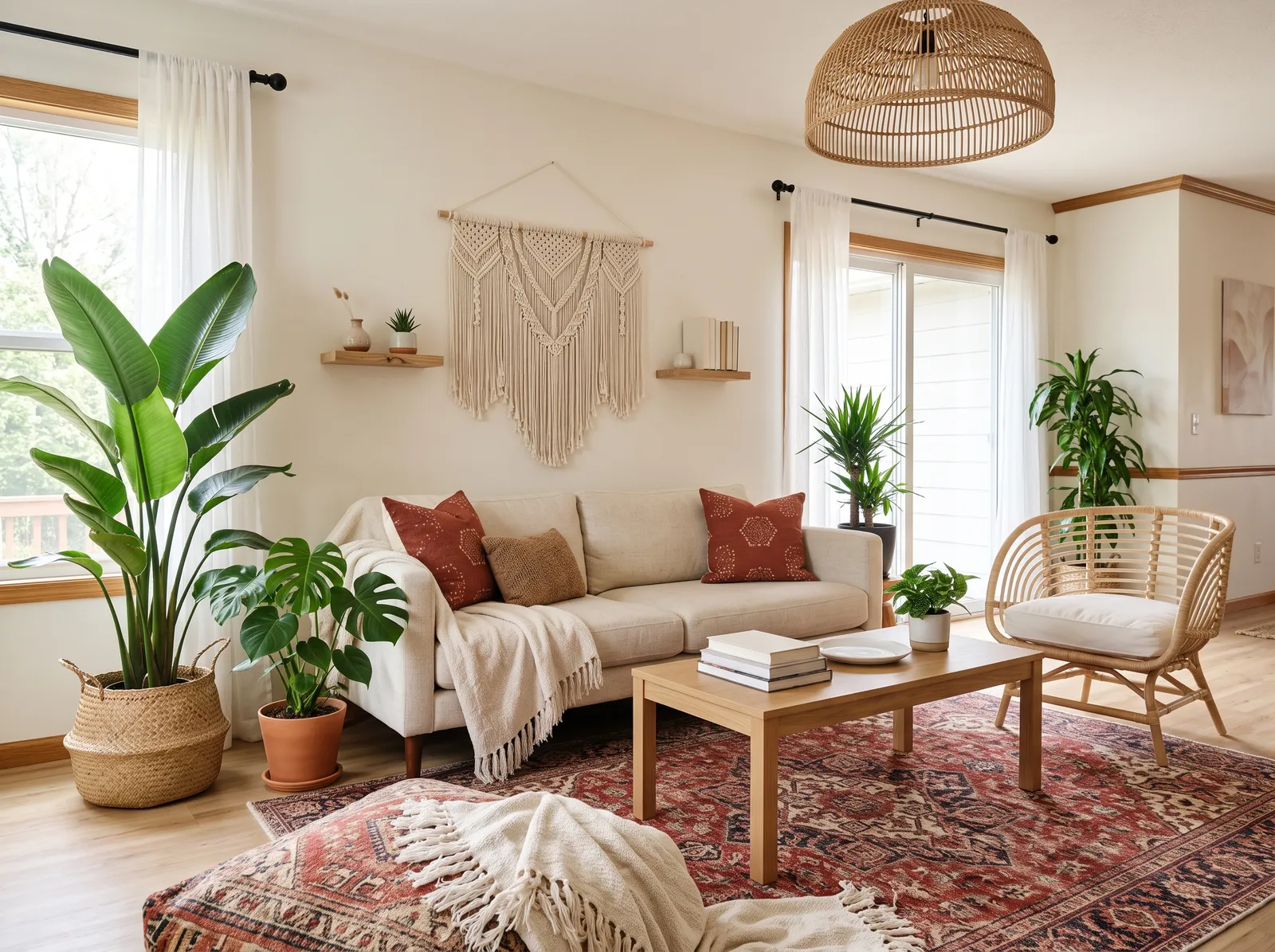
Terracotta And Rattan Warmth
Warm terracotta and natural rattan keep white from feeling cold. The earthy clay tone and woven texture add a sunny, welcoming feel. This mix works beautifully in a bright living space.
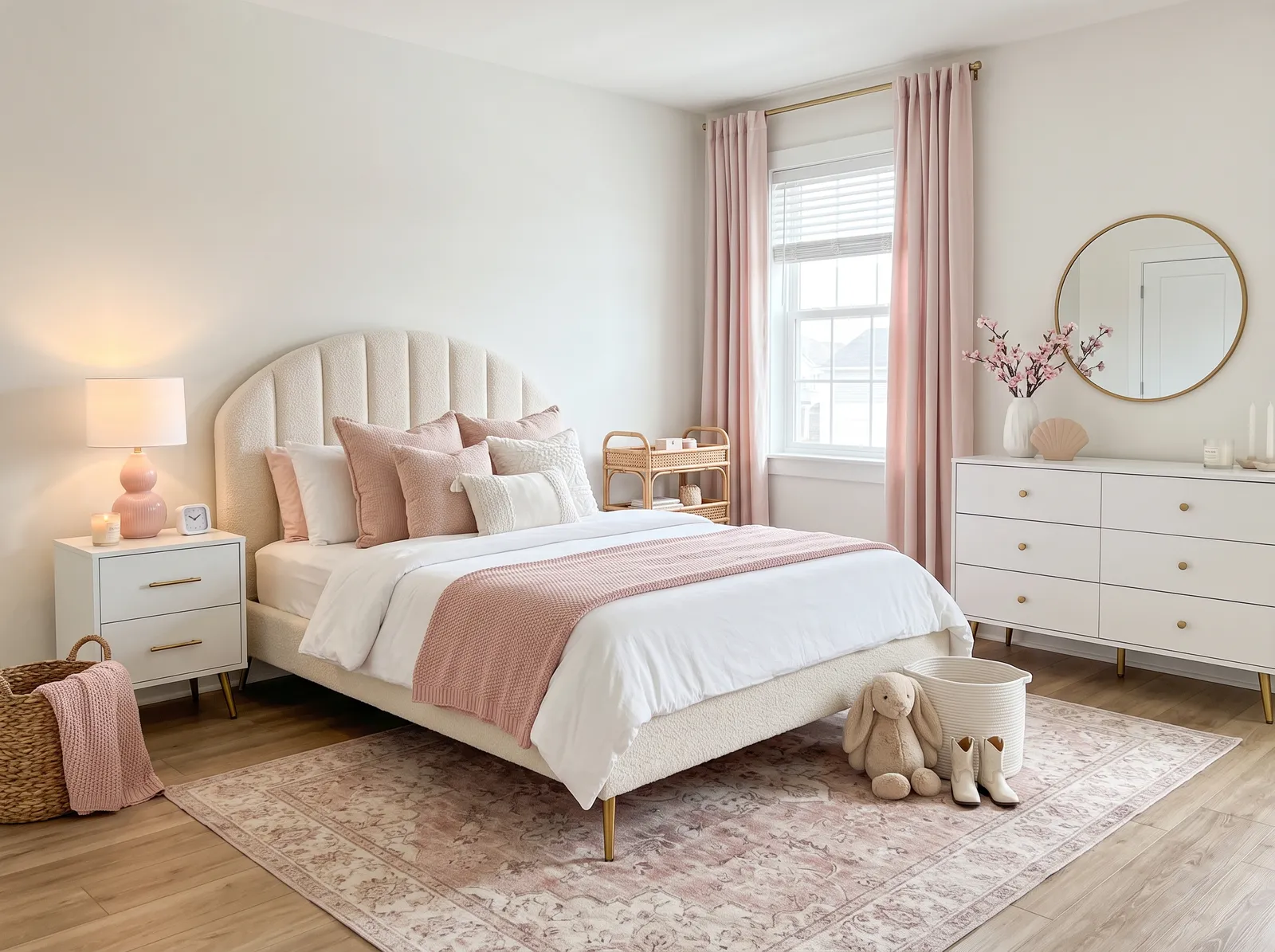
Soft Blush And Gold
For a gentle, pretty look, pair white with soft blush pink and warm gold. The blush adds a quiet warmth while gold brings a little shine. It is a lovely choice for a bedroom or vanity.
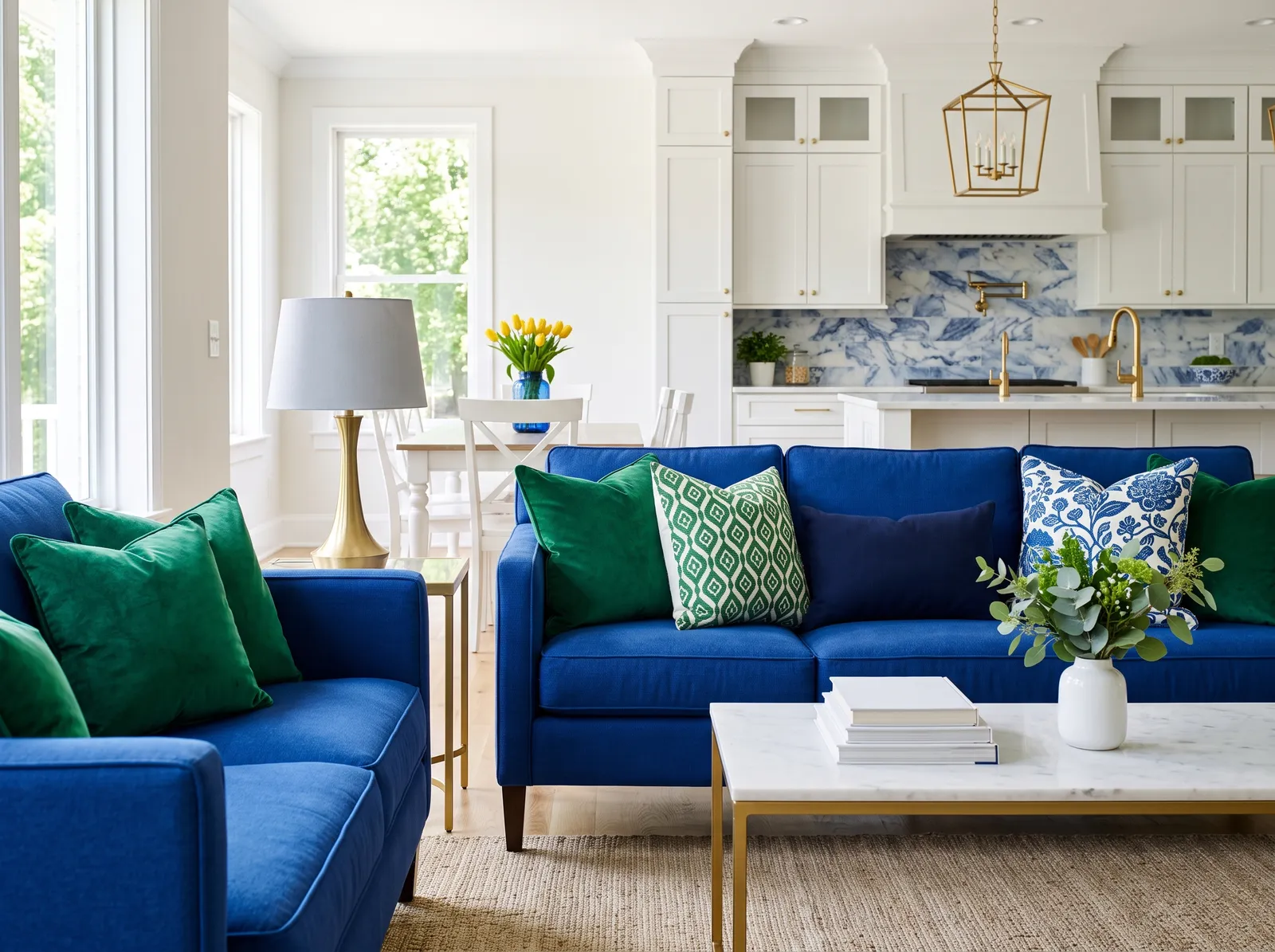
Bold Cobalt And Emerald
Want a high-contrast pop? Set crisp white against rich cobalt blue and deep emerald. The bright jewel tones look striking and lively on a clean white backdrop. Use them in art, tile, or accent pieces.
How To Use White Pairings Room By Room
White makes a room feel bright, clean, and bigger, which is why it works in every space in the house. On living room walls and trim, a soft warm white feels fresh without going cold, and it lets your sofa and art take the lead. In kitchens, white cabinets with a wood or stone counter look timeless, and a greige island keeps them grounded. Bathrooms love white tile and white walls, warmed up with wood, brass, or a sage vanity. Bedrooms feel calm in a creamy white with layered bedding and a wood headboard. A home office stays sharp in crisp white with one moody accent wall.
The trick is the same room to room: start with white, then add warmth and one or two colors through furniture, textiles, and decor so the space never feels like a blank box.
The Best Accent Colors For White Walls
White is the perfect backdrop for an accent color because nothing competes with it. The most popular accent colors for white walls are black for crisp, modern contrast; navy for a classic, dressed-up look; sage or olive green for a calm, natural feel; and warm wood tones that stop white from feeling stark. For more energy, rust, terracotta, ochre, or a deep plum all pop beautifully against white.
Keep the accent to roughly one part in ten of the room, in things like cushions, art, a chair, or hardware. If you want a true accent wall, paint the wall behind the bed or sofa in charcoal, navy, or a soft black and leave the other three white. That gives you a focal point without making the room feel closed in.
What Wall Color Goes With White Furniture
White furniture, like a white sofa, bed frame, or dresser, needs a wall color with a little warmth so the room does not look flat. Soft greige, warm white, and pale sand all let white furniture stand out while feeling cozy. For a bit more color, a gentle sage green, soft blue, or muted clay on the walls flatters white pieces without fighting them.
If you want contrast, a charcoal or navy accent wall makes white furniture look crisp and intentional. The one thing to watch is undertone: a very cool, blue-white wall next to creamy white furniture can make the furniture look dingy. Keep the wall and the furniture in the same warm or cool family and they will read clean together.
White Color Schemes And Combinations
Some white combinations are classics for a reason. White and gray is the easy modern scheme, calm and flexible; add wood and one soft color to keep it from feeling cold. White and navy is fresh and timeless, great for a coastal or traditional room. White and beige or greige is the soft, warm, layered look designers reach for again and again. Black and white is graphic and bold, especially in a kitchen or bathroom.
For a full three-color scheme, try white walls, a wood or greige supporting tone, and one accent: white plus oak plus sage, white plus navy plus brass, or white plus charcoal plus rust. Each one gives you a balanced room using the simple recipe below.
Warm White Vs Cool White: Match The Undertone
Not all whites are the same, and the undertone is what makes a pairing work or fail. Warm whites have a hint of cream, yellow, or beige and feel cozy. Cool whites have a hint of gray or blue and feel crisp and clean. The rule is simple: pair warm white with warm colors like wood, terracotta, and gold, and pair cool white with cool colors like gray, navy, and sage.
Light changes everything, too. Warm whites are forgiving in low-light and north-facing rooms, while cool, bright whites shine in sunny, south-facing spaces. Always test a sample on the actual wall and look at it morning and night, because a white that looks perfect in the store can turn gray or yellow at home.
White Pairings To Avoid
The most common white mistake is mixing whites that fight. A cool blue-white trim next to a warm cream wall looks dirty and mismatched. Keep your whites in the same family, warm with warm and cool with cool. Avoid using a stark, cool white in a dark room, since it can look gray and gloomy instead of bright.
Don't pair a yellow-based white with strong yellow or gold accents, or the room turns flat and a little sickly. Add a cooler accent to balance it. Watch out for all-white rooms with no texture or contrast; they feel cold and unfinished. Bring in wood, fabric, and a darker color to ground the space. And skip bright white next to beige if the beige reads yellow, because the white will make the beige look dingy by comparison.
An Easy 60-30-10 Recipe
A simple way to balance the room: one main color, one supporting color, and one small pop.
White walls (60%)
Warm wood, greige, or soft green furnishings (30%)
Black, plum, or rust details (10%)
Ready-Made White Palettes
Want the whole scheme done for you? These finished palettes build on white and the partners above — every color matched to real paint you can buy.