Zinsser
Zinsser makes the best primers in the US aisle and about a dozen of them, which is why the most common Zinsser mistake is buying the wrong can. Here is the whole ladder with real 2026 shelf prices, which can blocks which problem, and the complaints painters keep repeating.

Maya spent five years running comparative product testing at a consumer testing nonprofit before joining CompositePaint. She has put the whole Zinsser primer shelf over the same stained drywall and the same glossy trim to see which cans hold and which ones only claim to. About the testing process →
The Fast Verdict
Zinsser is a primer brand, and it is the strongest one in the US aisle. B-I-N shellac blocks smoke, pet urine, and water rings nothing else stops, Cover Stain handles bare wood and tannin, and Bulls Eye 1-2-3 at about $30 is the can most people actually need. The failure mode is not quality, it is picking: a dozen near-identical cans sit on the same shelf. Match the can to the substrate problem and Zinsser rarely lets you down. Shop it for wall color and you bought the wrong brand.
- B-I-N is still the only shelf-stocked shellac primer that locks cigarette tar, fire soot, and pet urine in one coat
- Four separate chemistry families under one label: shellac, water-base acrylic, oil-base alkyd, and an EPA-registered fungicidal primer
- Bulls Eye 1-2-3 at $28 to $32 grips glossy trim without sanding, which is the cheapest prep shortcut in painting
- Gardz is the specialist answer to torn drywall paper and old wallpaper paste, and almost nobody else makes one
- Perma-White carries a written 5-year mold-and-mildew-proof film warranty, and competitors only say resists mildew
- Stocked at Home Depot, Lowe's, Ace, Walmart, Amazon, and even most Sherwin-Williams stores, so a 7pm primer emergency is solvable
- Quarts exist for nearly every can, which matters when the job is one ceiling ring and not a room
- B-I-N runs about $75 a gallon at Home Depot, up from roughly $48 a few years ago, because shellac resin supply tightened
- The lineup is a maze: 1-2-3 next to 1-2-3 Plus next to B-I-N next to B-I-N Advanced, with nothing on the shelf explaining the difference
- B-I-N hides far worse than its coverage number implies, and it separates in the can badly enough to ruin a coat
- Cover Stain's mineral-spirits smell outlasts the job by days, and it runs and flashes off while you are still brushing it
- Outside Perma-White there is no wall paint, no trim enamel, and no color deck, so this is never the finish-coat brand
- No sale calendar and no loyalty program at any retailer that carries it, so the shelf price is simply the price
The Line Ladder: Which Zinsser Primer to Buy
This is the block most people came for, because the top search that lands on this page is literally which Zinsser primer to use. Prices are per gallon at Home Depot, Lowe's, Walmart, and Amazon in 2026, and they barely move across the year. Rows are ordered by the problem the can solves, not by price.
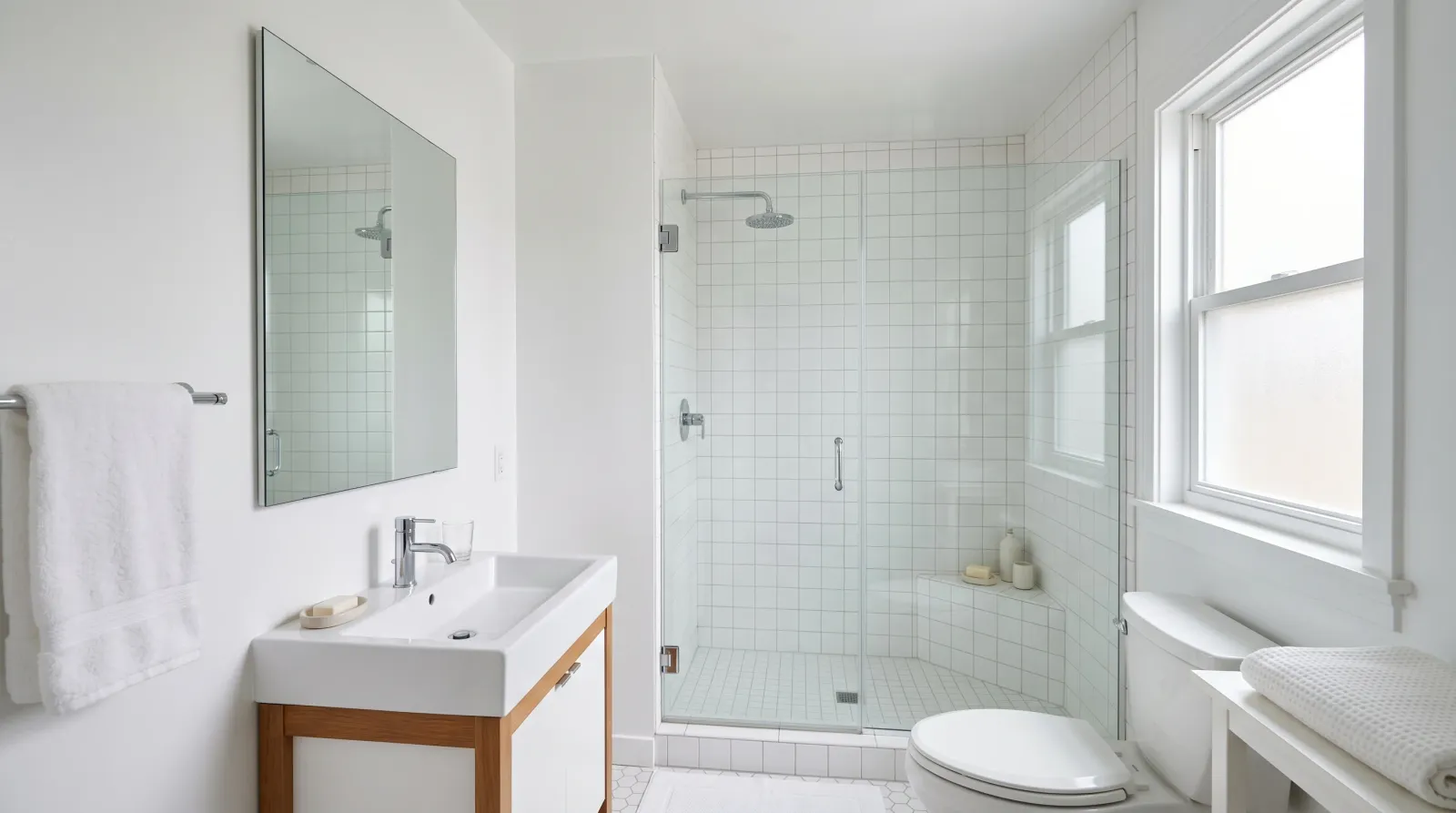 Mold-proof topcoat
Best for Bathrooms, basements, laundry rooms
The only Zinsser product that is a finish coat, and the 5-year film warranty is real. Plan on two coats minimum, because opacity is its weak spot.
Full review →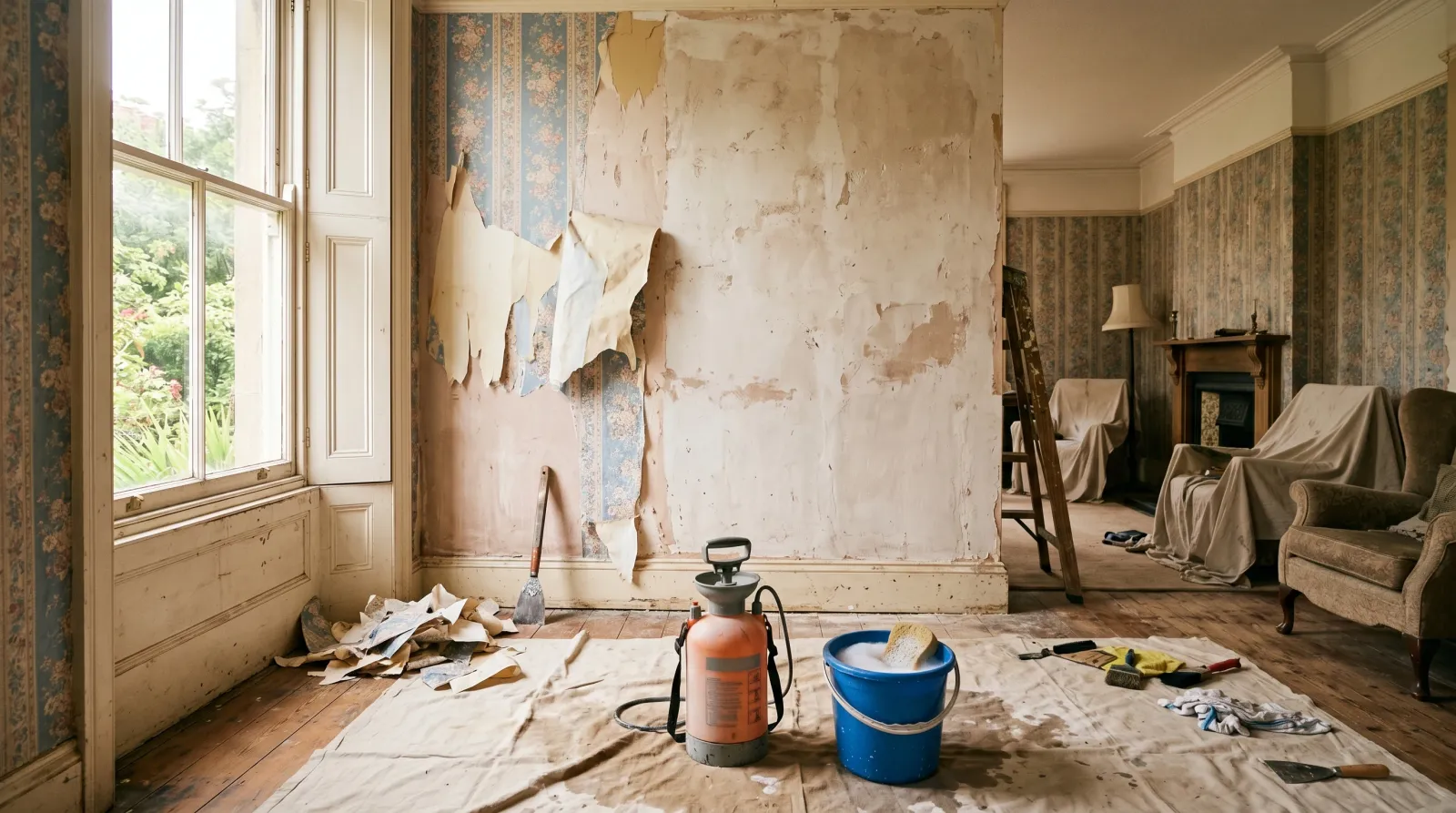 Prep chemical
Best for Stripping paper and softening paste
Not a primer at all, and the cheapest thing here. Buy it with Gardz, since one strips the paper and the other seals what is left.
Full review →
 Oil-base alkyd
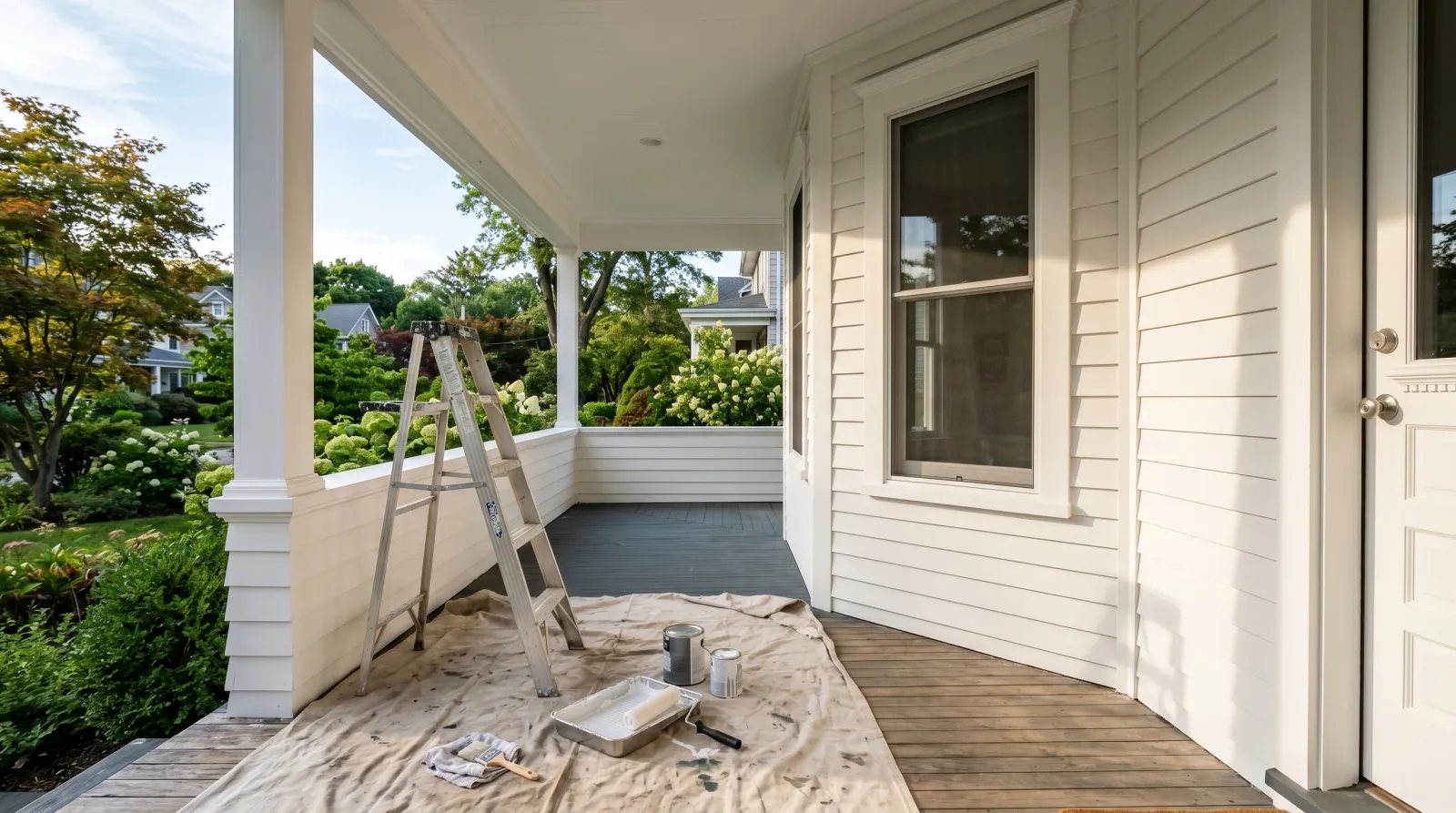
Best for Bare cedar, tannin bleed, exterior wood
The bare-wood specialist and the best value in the line. Ventilate hard, because the smell hangs around long after the paint is dry.
Full review → Penetrating sealer
Best for Torn drywall paper, old paste, chalky plaster
Soaks in and hardens what it touches instead of coating it. The only correct answer after wallpaper comes off, and B-I-N is the wrong call there.
Full review → Masonry waterproofer
Best for Basement block and poured walls
Portland cement in the resin, so it fills pinholes and holds back damp masonry. It does not fix a wall with water actively coming through it.
Full review → Worst-case stain and odor
Best for Smoke, pet urine, knots, water rings
Nothing off a shelf blocks better, and almost nobody should buy the gallon. Stain sealing is a spot job, so buy the $25 quart.
Full review → Bonding primer
Best for Laminate, tile, glass, PVC
Urethane-acrylic grip for surfaces nothing sticks to. Expensive next to Insl-X Stix, so buy it when Stix is not on the shelf.
Full review →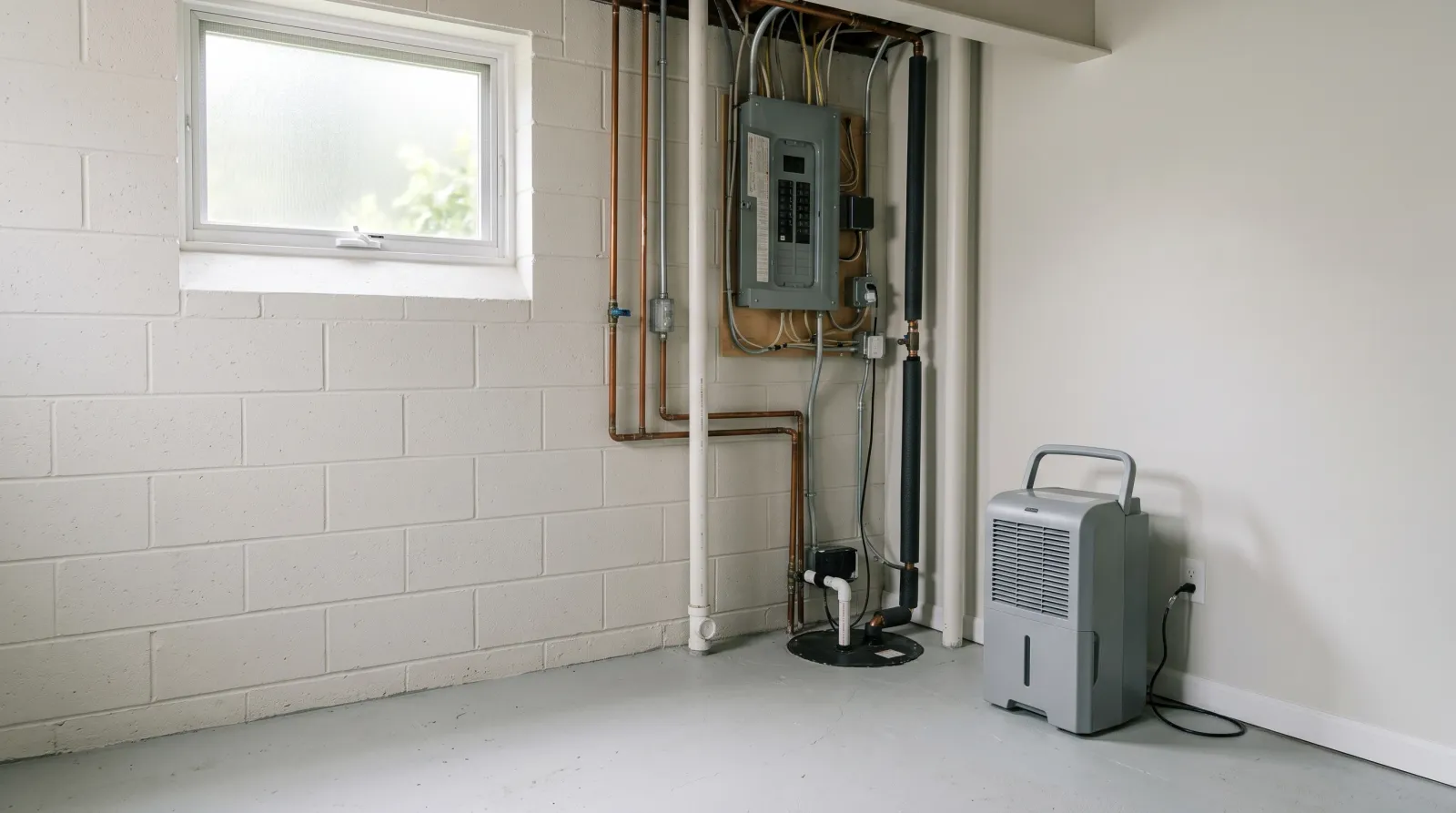 Fungicidal primer
Best for Bathroom, basement, shed framing
EPA-registered, so it does kill surface growth, unlike every mildew-resistant primer. It still needs a topcoat, and it is not a substitute for fixing the moisture.
Full review →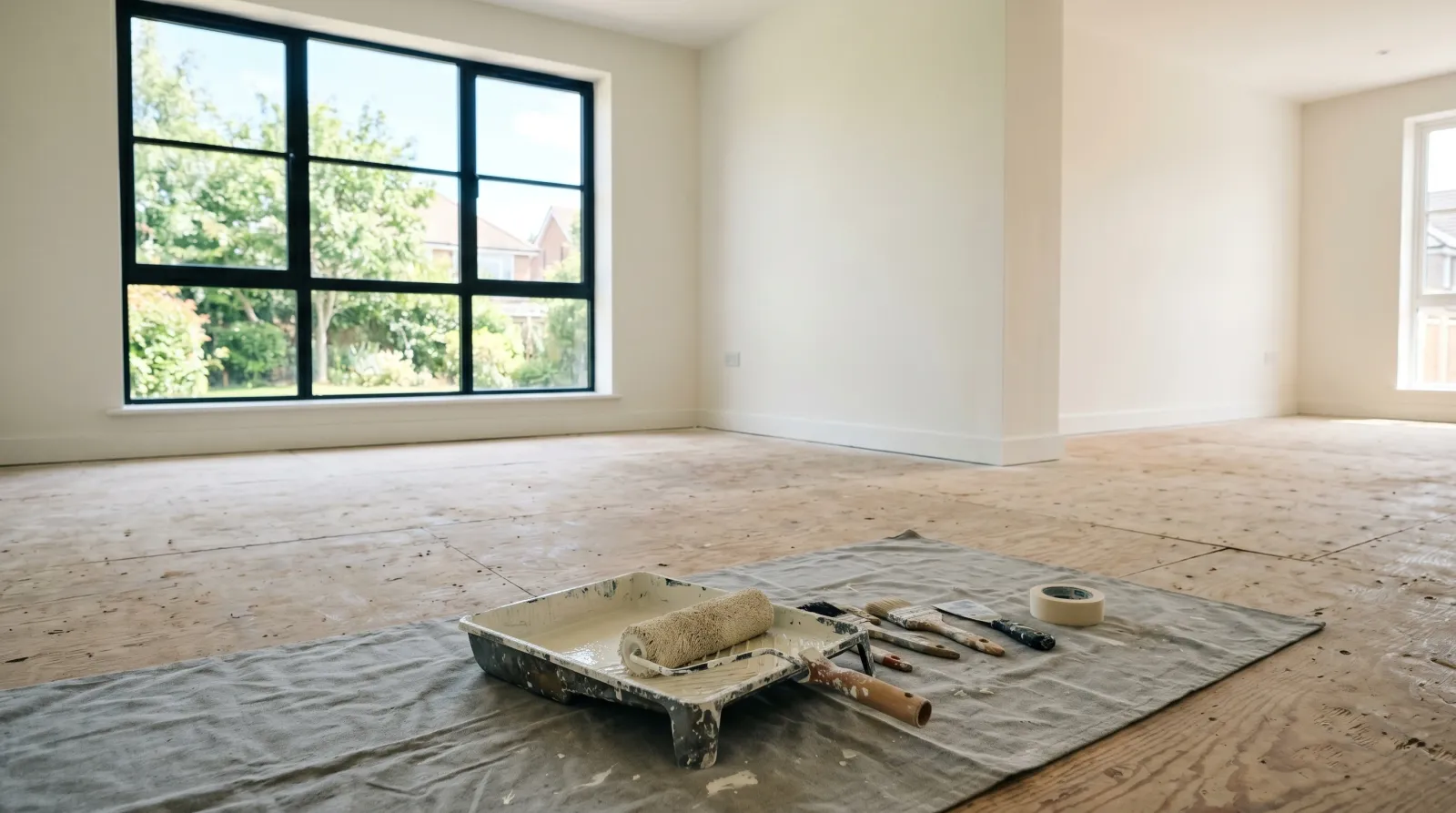 Water-base odor sealer
Best for Pet and smoke smell, subfloors
The water-cleanup way to seal a smell without B-I-N fumes. On a heavy smoke or urine job it is a compromise and shellac is the honest answer.
Full review →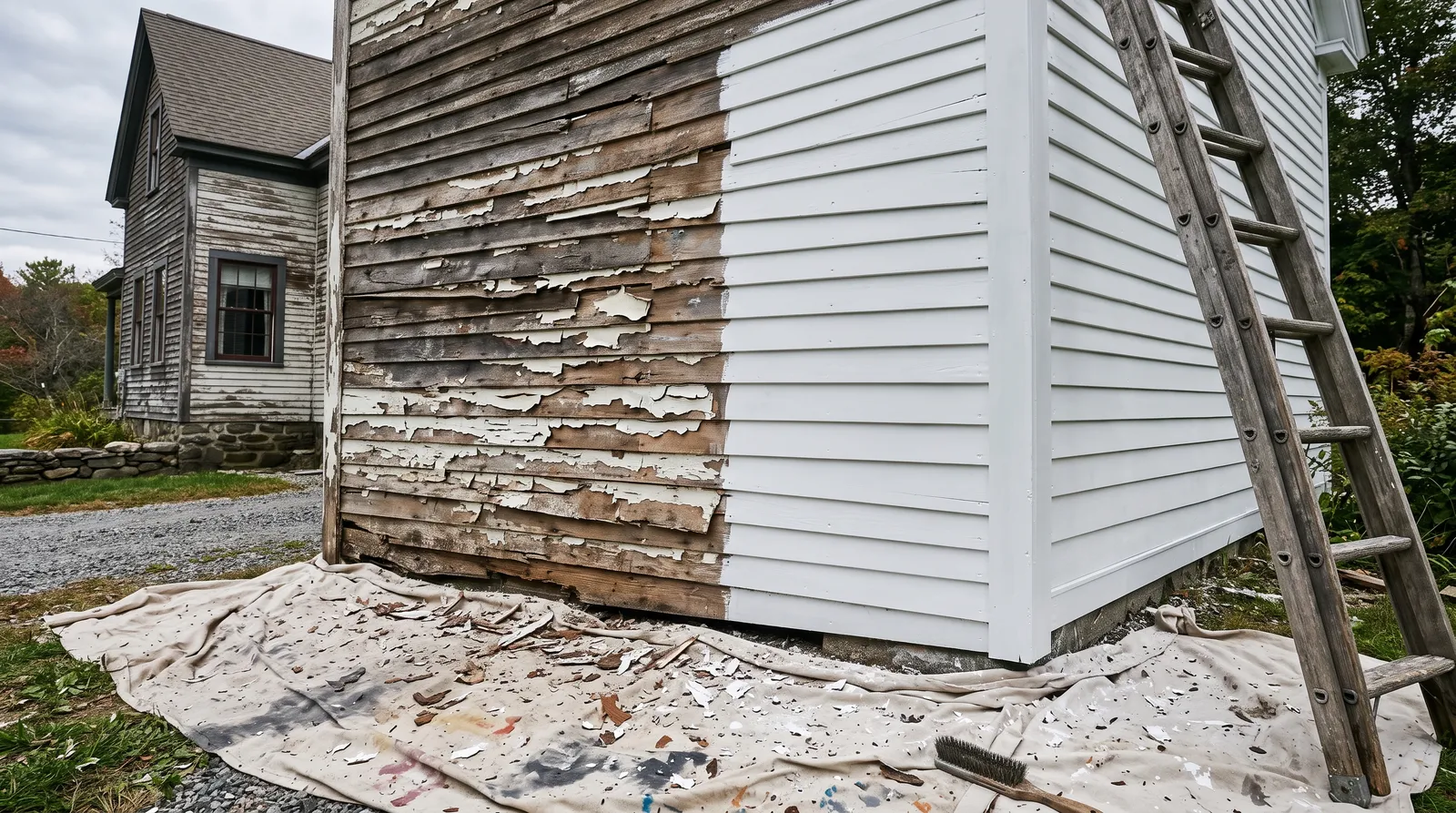 High-build binding primer
Best for Peeling, chalky, checked exterior siding
A thick binding coat that glues down edges scraping cannot reach. Buy it for old siding, not as a general-purpose primer.
Full review →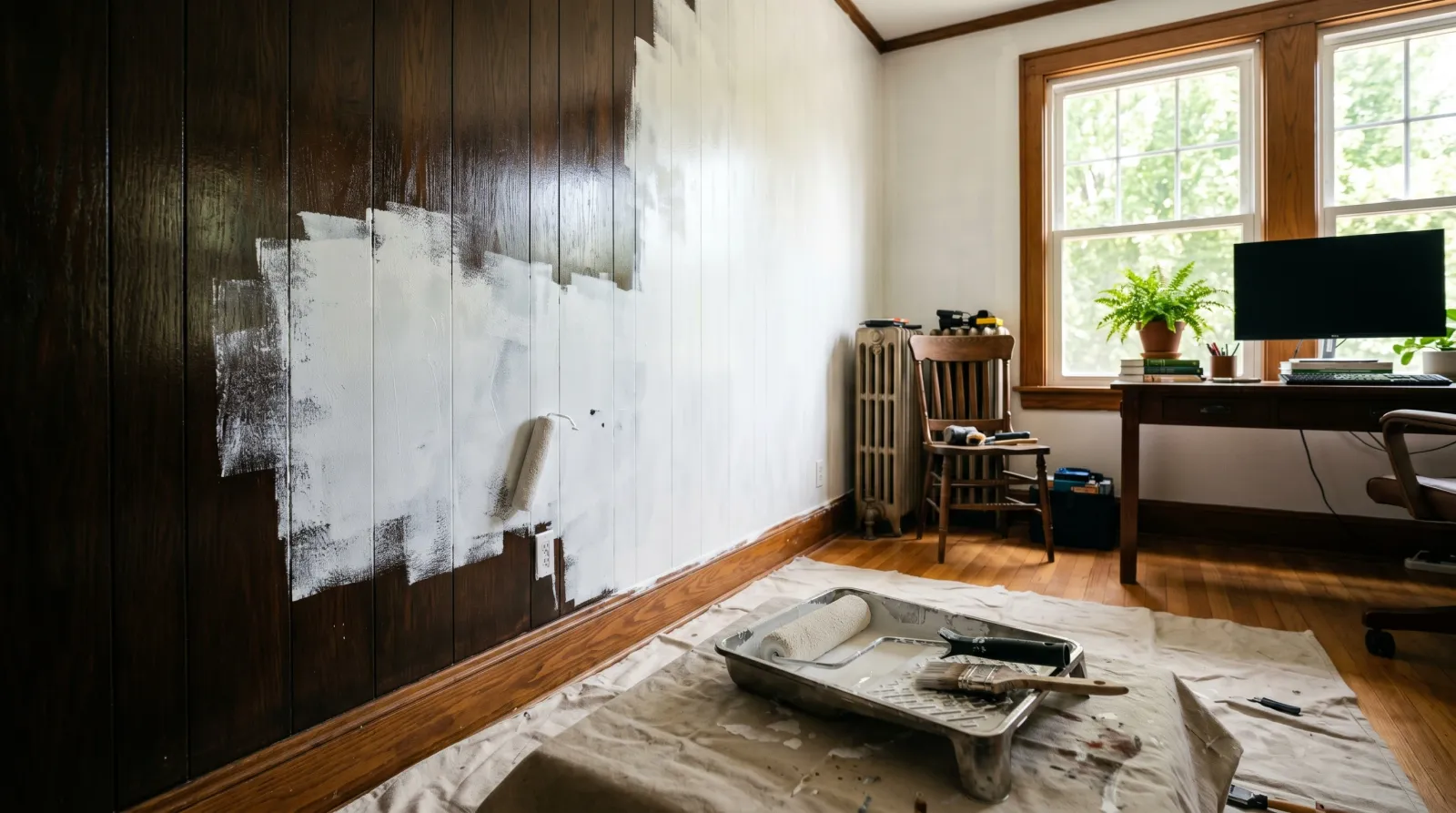 Everyday water-base
Best for New drywall, glossy trim, color change
The default can and the right one for most jobs. It grips gloss without sanding and blocks light stains only, so do not send it after a real water ring.
Full review →Best for Medium stains, low-odor jobs
Zero-VOC with heavier stain-blocking and adhesion claims for a few dollars over plain 1-2-3. Worth the swap when you are unsure how bad the stain is.
Best for Stain blocking in a lived-in room
Water-base synthetic that trades blocking power for a bearable smell and exterior durability. Real shellac still wins on the worst stains.
There Is No Sale — Here Is What a Fair Price Looks Like
Do not wait for a Zinsser sale. Rust-Oleum sells through Home Depot, Lowe's, Walmart, Ace, and Amazon, and none of those run a paint-brand sale calendar the way a Sherwin-Williams store does. There is no rebate, no loyalty program, and no contractor discount tied to the brand. The shelf price is the real price and it drifts by a few dollars a year, upward.
The lever that does exist is size. Stain and odor sealing is almost always a spot job, and B-I-N proves the point: about $75 for a gallon at Home Depot, $415 for the 5-gallon pail, and about $25 for a quart that finishes most ceiling rings, knot bleeds, and one-wall odor problems. B-I-N also stores badly once opened, because the alcohol carrier flashes off and the resin thickens, so a half-used gallon on a shelf is money spent twice. Buy the quart unless you are priming a whole smoke-damaged room.
One more price check worth making: shellac primer is a category, not a brand. Sherwin-Williams sells its own shellac-base primer listed near $82 a gallon that store sales routinely drop to roughly $49 to $57, and closer to $53 with a free Pro account anyone can open. If you genuinely need gallons rather than quarts, that phone call is worth making before you assume the big-box shelf is the floor. As a sanity check on everything else: over about $45 a gallon for anything that is not B-I-N, BONDZ, or AllCoat means you are in the wrong aisle.
The Cons Only Forums Talk About
B-I-N Separates in the Can and People Paint the Wrong Layer
B-I-N is a thin, alcohol-carried product loaded with heavy titanium dioxide, so in storage the white pigment drops to the bottom and clear amber shellac floats on top. Decorator reviews are full of people who open a tin, see amber liquid, and either assume the primer has gone bad or brush the top layer on as-is, which puts pigment-free shellac on the wall that hides nothing and smells twice as strong. Shaking a gallon does not fix it. Scoop and stir from the bottom up until the color evens out, every single time you use it.
B-I-N Hides Much Worse Than the Label Suggests
The datasheet claims up to 500 sq ft per gallon in one coat, and the field keeps arguing. Stain blocking is excellent; hiding is the weak link. Over flat paint, bare drywall, or subfloor, one thin runny pass covers far less than the number implies. One decorator put two coats over French oak and the bleed still read through the white topcoat; another needed four coats of emulsion over B-I-N to bury a yellowed water stain on a chimney breast. On knotty or dark wood, budget the second B-I-N coat and the extra topcoats before you decide this is the cheap route.
Cover Stain's Smell Outlives the Project
Pros on PaintTalk are blunt about it. The recurring line is that the Cover Stain smell sticks around forever, and homeowners repeat it on Home Depot reviews. It is mineral-spirits oil chemistry, so the fumes migrate into adjacent rooms and come back when a room heats up. The other two complaints travel together: it runs easily on vertical surfaces, and it starts flashing off while you are still brushing, so laying it on smoothly takes a fast hand. Ventilate for days, not hours, and do not prime a bedroom you plan to sleep in that night.
Perma-White Needs More Coats Than People Expect
The mold warranty is the reason to buy it, and opacity is the reason people get annoyed. Decorators report the satin needing two coats minimum, and three plus a primer over bare plaster, which is not what a self-priming claim implies. Two other reports repeat: a painter got microbubbles across a bathroom ceiling that popped as the film set up, and a Home Depot reviewer found yellow-orange streaking on bathroom walls about four weeks in. Roll it thin, let each coat flash properly, and price the job at three coats so the third one is not a surprise.
The Lineup Is a Maze at the Shelf
Zinsser sells 1-2-3 next to 1-2-3 Plus next to B-I-N next to B-I-N Advanced next to Cover Stain next to Gardz, and the labels do not tell you which problem each one solves. Professional forums run whole threads titled 123 vs 123 Plus, which tells you the shelf is not doing its job. The result is the most common Zinsser failure: someone buys 1-2-3 for a nicotine wall or B-I-N for torn drywall paper and blames the brand. Pick by substrate problem first, chemistry second, and the price question answers itself.
The Questions Between Two Cans
Different jobs, not different grades. 1-2-3 at $28 to $32 is the everyday water-base can for new drywall, color changes, and gripping glossy trim. B-I-N at about $75 a gallon exists for stains and smells that ordinary primer loses to: smoke, pet urine, fire soot, deep water rings, bleeding knots. If the wall is merely dirty or freshly patched, 1-2-3 and stop there.
Full comparison →Cover Stain is the answer far more often than people think. It is oil alkyd at $35 to $42, it penetrates grain, and it locks tannin in cedar and redwood plus medium water and smoke stains. B-I-N is shellac, twice the price, and the only chemistry that reliably kills odor. Bare wood and exterior go to Cover Stain. Smell, soot, and worst-case rings go to B-I-N.
Full comparison →Advanced is a water-base synthetic shellac that cleans up with soap, smells far less, and holds up outside. It also blocks less than the real thing, and the alcohol-carried original remains the stronger sealer on smoke and urine. At $49 to $56 against about $75, Advanced is the sensible pick in an occupied house. Keep true B-I-N for the job you cannot afford to redo.
All comparisons →These get confused constantly and they do opposite things. Gardz is a thin penetrating sealer that soaks into torn drywall paper, chalky plaster, and old wallpaper paste and hardens it from within. B-I-N sits on top and seals stains in. Put B-I-N over fuzzy torn paper and it bridges the damage instead of fixing it. Strip paper, seal with Gardz, then prime or paint.
Full comparison →They split the aisle. KILZ owns the everyday and bonding corner with KILZ 2, Original, and Adhesion, and it undercuts Zinsser by a few dollars a gallon. Zinsser owns the specialty chemistry: shellac in B-I-N, a penetrating sealer in Gardz, an EPA-registered fungicidal primer, and Perma-White as a topcoat KILZ has no answer to. Pick by the job, and on a tie buy whichever is closer.
Full comparison →Zinsser Questions, Answered
Which Zinsser primer should I use?
Pick by the problem, not the price. New drywall, a color change, or glossy trim: Bulls Eye 1-2-3. Bare cedar, knots, or exterior wood: Cover Stain. Smoke, pet urine, fire soot, or a deep water ring: B-I-N. Torn drywall paper or old wallpaper paste: Gardz. Laminate, tile, or PVC: BONDZ. Mold on a bathroom wall: Mold Killing Primer, then Perma-White on top.
What is the best Zinsser primer?
B-I-N is the best at what a primer is hardest at, which is blocking stains and sealing odor, and nothing sold off a shelf beats it. It is not the best buy for most people. At about $75 a gallon with mediocre hiding, it is a spot sealer. The primer most households should actually buy is Bulls Eye 1-2-3 at $28 to $32, with a $25 quart of B-I-N in the garage for emergencies.
Who makes Zinsser primer?
Rust-Oleum, which is owned by RPM International. Zinsser started in Brooklyn in 1849 as a shellac importer, which is where B-I-N comes from, and Rust-Oleum bought the brand in 2006. The formulas survived the acquisition mostly intact, so the cans on the 2026 shelf are recognizable to painters who learned on them in the 1990s. Rust-Oleum's name shows up on the back-label legal text.
What is Zinsser primer used for?
Sealing a surface so the finish coat holds and nothing bleeds through it. That splits three ways across the line: blocking stains and odors that would ghost through paint, gripping slick surfaces like glossy trim, laminate, and tile so the topcoat cannot peel, and sealing porous or damaged substrates such as bare drywall, plaster, and torn paper. Perma-White is the exception in the line, because it is a finish coat rather than a primer.
Is Zinsser paint good?
For primers, yes, it is the strongest brand in the US aisle. For paint, it barely competes, because Perma-White is the only real finish coat Zinsser sells and it exists for mold-prone rooms rather than for color. There is no premium wall line, no trim enamel, and no color deck. Buy Zinsser for the layer underneath and shop Benjamin Moore, Sherwin-Williams, Behr, or Backdrop for the layer on top.
Zinsser B-I-N or Cover Stain for bare wood?
Cover Stain for most bare wood. It is oil-base alkyd, it penetrates the grain, and it locks tannin in cedar and redwood at $35 to $42 a gallon against about $75 for B-I-N. Step up to B-I-N only when the wood has a second problem on top of being bare, such as knot bleed that already came through a coat of Cover Stain, smoke damage on raw lumber, or an old oil finish you want to seal instead of strip.
What is the difference between Bulls Eye 1-2-3 and 1-2-3 Plus?
Plus is the newer formula: zero-VOC, dry in about 30 minutes, recoat in an hour, and rated for heavier stain blocking and adhesion than plain 1-2-3. It costs a few dollars more, around $34 a gallon against $28 to $32. If the wall is clean and you just need a sealer, plain 1-2-3 is fine. If you suspect a stain but do not want to jump to B-I-N, buy Plus.
Why does Zinsser B-I-N cost so much now?
Because shellac is farmed, not synthesized. The resin comes from the lac bug in India and Thailand, roughly 100,000 insects per pound of flakes, and climate-driven crop failures tightened supply while food and pharmaceutical coatings compete for the same material. Add heavy titanium dioxide loading and an alcohol carrier and the gallon has gone from about $48 a few years ago to roughly $75 to $83 today. The quart at about $25 is the workaround.
Does Zinsser Perma-White kill mold?
No. Perma-White is mold-and-mildew-proof, meaning the dry film resists growth for five years under the warranty, and it has no effect on mold that is alive on the wall today. Kill it first, then prime with Zinsser Mold Killing Primer, which is EPA-registered and does kill surface growth, then topcoat with Perma-White. Skip the kill step and the mold pushes back through the film within a couple of years.
Does Zinsser ever go on sale?
Not meaningfully. Home Depot, Lowe's, Walmart, Ace, and Amazon all carry it and none of them run a paint-brand sale calendar, and Rust-Oleum has no rebate or loyalty program on the Zinsser line. The shelf price is the real price. The only discounts that exist are size-based, and they cut both ways: the 5-gallon pail saves money per gallon, while a quart saves you from buying a gallon you will never finish.
Where can I buy Zinsser primer?
Almost everywhere paint sells. Home Depot and Lowe's carry the deepest selection including 5-gallon pails, Walmart and Ace stock the common cans, and Amazon is competitive on a single gallon though oil-base Cover Stain can carry a shipping surcharge as a flammable liquid. Most Sherwin-Williams stores stock B-I-N and 1-2-3 as well, which says a lot about how non-negotiable those two are for pro work.
Can you paint over Zinsser B-I-N with regular paint?
Yes, and you should. B-I-N is a sealer that happens to be white, not a finish, and it recoats in about 45 minutes with latex or oil. Two things to plan for: it yellows over months under a thin white topcoat in low-light rooms, so use two finish coats, and its hiding is weaker than the label implies, so over a dark or stained surface expect an extra coat of color rather than one.
Ask a Question