Product review · Rust-Oleum · Updated August 7, 2026
CombiColor Multi-SurfaceRust-Oleum paint review
7.6/10One can across steel, PVC, masonry, and tile — if you can get it and can live with the solvent.
One solvent-based alkyd that primes and topcoats steel, PVC, masonry, tile, and glass in a single pass. Worth chasing a distributor for — but only when the job genuinely mixes substrates.

Mark Thompson · Pro Contractor & Field Editor · Updated August 7, 2026
22 years running residential and light commercial repaints across the Midwest. Mark has done gates, railings, and machinery with multi-surface alkyds and still takes side jobs to keep the numbers honest. About the testing process →
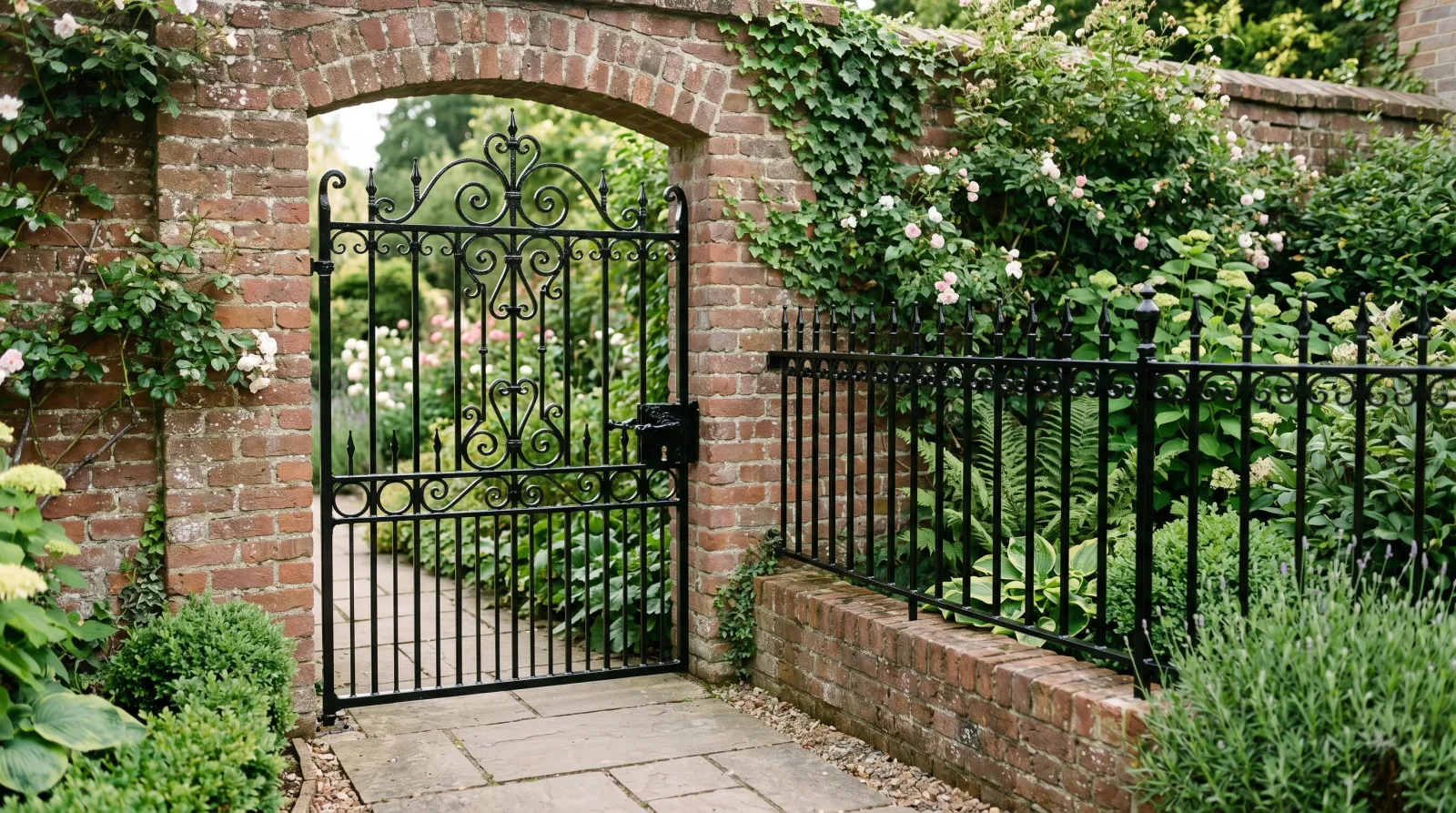
Rust-Oleum CombiColor Multi-Surface3 sheens
Coverage108–161 sq ft / gal per coat
Recoat16 hr at 68°F
VOCAbout 350 g/L
Full cure7 days at 68°F
Sheens Glosssatinmatt
Read this first
The Fast Verdict
Only if the job genuinely mixes substrates. One can that primes and topcoats steel, PVC, masonry, and tile saves real time on a maintenance round, and two coats of the gloss give you a hard, weatherable film. If everything you are painting is steel, Stops Rust does the core job for $14 to $20 a quart off a US shelf. CombiColor is solvent-based at roughly 350 g/L and sells here only through specialty distributors in metric cans, so the friction has to pay you back.
Best for
Gates, railings, and fences · Machinery and equipment · Mixed-substrate maintenance rounds · Aged galvanized and tight surface rust · Tile and glass repairs · Wood, MDF, masonry, and old concrete
Skip if
Everything on the job is steel · You need product locally and fast · Low odor matters · Interior trim or walls · Heavy flaking rust or mill scale
What it's good at
- Covering a steel gate, a PVC downpipe, and a rendered masonry pier from one can with no primer swaps
- Gripping tight surface rust and sound old paint without a separate primer — wire-brush, wipe, coat
- Drying to a hard, glossy, weatherable film that reads as a quality finish on gates and machinery
- Bonding to glazed tile and glass, where water-based paints slide off
- Touching up cleanly from the same can inside the recoat window, with no ghosting
- Wiping down and shrugging off grime once it hits the 7-day cure
What it's not good at
- Odor and VOC, at roughly 350 g/L solvent-based with no GREENGUARD
- US availability — specialty distributors only, metric cans, thin color stock, high landed price
- Loose flaking rust and mill scale, which lift the coating with them
- Bright bare aluminum, fresh galvanized, and soft or oily plastics without a CombiPrimer tie-coat
- Coverage on rough or porous substrate, where it thins out fast
- Schedule, with a 16-hour recoat and a 7-day full cure
Same shelf, different cans
Which Rust-Oleum Are You Actually Buying?
Rust-Oleum sells several products that sound alike, and the names cause real confusion at the counter. This review covers the CombiColor Multi-Surface 7300 industrial line.
CombiColor Multi-Surface 7300 (this review)
BaseModified alkyd, solvent-based, primer and topcoat in one
SheensGloss (about 12 colors), satin (about 5), matt (about 2)
Recoat16 hr at 68°F
Buy it if
One job hits metal, plastic, masonry, and tile and you want a single can to do all of it.
Avoid if
Everything is steel, or you need it off a shelf this weekend.
Rust-Oleum Stops Rust (Protective Enamel)
BaseUS consumer rust-stopping enamel for steel
RecoatFollow the can
Buy it if
The surface is metal, you want it now, and you want quarts or rattle cans from a big box.
Avoid if
The job also includes PVC, tile, or concrete you need the same can to grip.
Rust-Oleum Painter's Touch 2X
BaseCheap consumer multi-surface spray and brush paint
Buy it if
The work is craft or light-duty and durability is not the point.
Avoid if
It is an exterior metal asset you expect to hold for years.
Rust-Oleum CombiPrimer
BaseDedicated tie-coat for difficult substrates
Buy it if
You are coating bright bare aluminum, fresh hot-dipped galvanized, or soft and oily plastics.
Avoid if
The substrate is sound old paint, tight rust, wood, masonry, tile, or glass — the topcoat self-primes there.
Numbers, not adjectives
Spec Sheet
- Coverage
- 108–161 sq ft / gal per coat (8–12 m²/L); less on rough or porous metal
- Sheens
- Gloss in about 12 colors, satin in about 5, matt in about 2
- Binder
- Modified alkyd, primer and topcoat in one; lead- and chromate-free
- Touch dry
- 4 hr at 68°F
- Handle
- 8 hr
- Recoat
- 16 hr at 68°F
- Full cure
- 7 days at 68°F
- VOC
- About 350 g/L, solvent-based; no GREENGUARD, well above US low-VOC limits
- Primer
- Self-priming on most surfaces; CombiPrimer tie-coat for bare aluminum, fresh galvanized, soft plastics
- Surfaces
- Steel, aged galvanized, wood, MDF, masonry, old concrete, tile, glass, rigid plastics including PVC
- Sizes
- 750 ml and 2.5 L cans — metric only, no US gallon or quart
- Price
- About $34–60 per 2.5 L through US specialty distributors
Application Settings That Work
- Brush
- It brushes and lays down well for an alkyd, with good flow off a natural-bristle brush. Two coats of the gloss is the finish spec on outdoor metal. Work in the 16-hour recoat rhythm rather than trying to force a second coat the same day.
- Primer
- Self-priming on sound old paint, tight surface rust, clean steel, wood, MDF, masonry, old concrete, tile, and glass — given proper cleaning. Bright bare aluminum, fresh hot-dipped galvanized, and soft or oily plastics are the exceptions and want a scuff plus CombiPrimer, or the film peels within a season.
The Cure Reality
Plan the job around a 24-hour day, not an afternoon. Touch dry at 4 hours, handleable at 8, recoat at 16, full cure at 7 days, all at 68°F. That means a two-coat gate is an overnight job: coat it in the morning, second coat the next morning. You can rehang the gate after a day, but keep it away from heavy rubbing and impact until the film hardens at the week mark — that is when it starts wiping down and shrugging off grime properly. Cold weather stretches every one of those numbers. And plan the ventilation as carefully as the schedule. At roughly 350 g/L it smells like the solvent it is, and indoors you need real air movement and you should not be sleeping in that room the same night.
Mid-project panic
When It Goes Wrong, and How to Fix It
It peeled off bare aluminum or fresh galvanized in sheets
Why it happens. Self-priming has exceptions, and those are the two biggest. Bright bare aluminum and fresh hot-dipped galvanized have no tooth and no oxide layer for the alkyd to grip, and soft or oily plastics behave the same way.
The fix. Scuff the surface and put CombiPrimer down as a tie-coat first, then topcoat. Read the substrate before you trust the one-can claim. Aged galvanized is fine; fresh galvanized is not.
The paint lifted and took the rust with it
Why it happens. It is not a rust system. Over loose flaking rust or mill scale it fails the way any enamel does — the scale lets go and the coating goes with it.
The fix. Wire-brush back to tight metal, and treat heavy corrosion before you coat. Over tight, firmly bonded surface rust and sound old paint, a wire-brush and a wipe is enough. For real corrosion, use a rust encapsulator or the Stops Rust system.
You ran out of paint halfway down the fence
Why it happens. The 108 to 161 sq ft per gallon spread is wide because substrate roughness is wide. Rough or porous metal drinks the first coat and lands at the bottom of the range.
The fix. Budget material off the low end, not the optimistic end, and plan a heavier first coat on anything rough. On smooth metal the coverage is solid and you will have paint left over.
The whole house smelled for a day
Why it happens. It is a solvent-based alkyd at roughly 350 g/L, nowhere near a US low-VOC or GREENGUARD product. That is normal for this chemistry, not a bad can.
The fix. Use it outdoors where you can. Indoors, open everything up, run air, and do not sleep in the room that night. For interior trim, a waterborne alkyd smells far less and cleans up with water.
Side by side
CombiColor vs Rust-Oleum Stops Rust
These get confused at the counter constantly, and they are not the same paint. One is a European industrial multi-surface enamel; the other is the US consumer rust enamel you can buy tonight.
| CombiColor Multi-Surface | Stops Rust Protective Enamel | |
|---|---|---|
| Substrate range | Steel, aged galvanized, wood, MDF, masonry, old concrete, tile, glass, rigid plastics including PVC. | Steel-focused. Built to stop rust on metal. |
| Self-priming | Yes on most substrates; CombiPrimer for bare aluminum, fresh galvanized, soft plastics. | Its own primer-and-enamel system for metal. |
| Where to buy | US specialty coatings distributors; order, do not shelf-grab. | Home Depot and most big boxes, in stock. |
| Can sizes | 750 ml and 2.5 L, metric only. | Quarts and rattle cans. |
| Price | About $34–60 per 2.5 L after import. | $14–20 per quart. |
| Rust handling | Fine over tight surface rust; not a rust converter or a rust system. | The rust-stopping system, and the better answer on corroded steel. |
| Where it wins | One job that hits metal, plastic, masonry, and tile at once. | US price, availability, and color choice on a steel-only job. |
Substrate range
CombiColor Multi-SurfaceSteel, aged galvanized, wood, MDF, masonry, old concrete, tile, glass, rigid plastics including PVC.
Stops Rust Protective EnamelSteel-focused. Built to stop rust on metal.
Self-priming
CombiColor Multi-SurfaceYes on most substrates; CombiPrimer for bare aluminum, fresh galvanized, soft plastics.
Stops Rust Protective EnamelIts own primer-and-enamel system for metal.
Where to buy
CombiColor Multi-SurfaceUS specialty coatings distributors; order, do not shelf-grab.
Stops Rust Protective EnamelHome Depot and most big boxes, in stock.
Can sizes
CombiColor Multi-Surface750 ml and 2.5 L, metric only.
Stops Rust Protective EnamelQuarts and rattle cans.
Price
CombiColor Multi-SurfaceAbout $34–60 per 2.5 L after import.
Stops Rust Protective Enamel$14–20 per quart.
Rust handling
CombiColor Multi-SurfaceFine over tight surface rust; not a rust converter or a rust system.
Stops Rust Protective EnamelThe rust-stopping system, and the better answer on corroded steel.
Where it wins
CombiColor Multi-SurfaceOne job that hits metal, plastic, masonry, and tile at once.
Stops Rust Protective EnamelUS price, availability, and color choice on a steel-only job.
If everything you are painting is steel, buy Stops Rust and stop reading — it is cheaper, it is on the shelf, and on corroded metal it is the better system. CombiColor earns its keep on one specific kind of day: a maintenance round where the gate is steel, the downpipe is PVC, the pier is rendered masonry, and you want one can and no primer swaps. That saved time is real, but you are paying for it in import price, metric cans, and solvent odor. Weigh those before you order.
If not this one
Honest Alternatives
RO
Rust-Oleum Stops Rust Protective Enamel$14–20 per quart
Same parent, US-stocked, available in quarts and sprays at Home Depot. Steel-focused rather than all-substrate, but for railings, fences, and rusty metal it does the core job for a fraction of the price and zero import hassle.
Full review →RO
Rust-Oleum Sierra or an industrial DTM epoxy$60–90 per gallon
For machinery, industrial steel, or coastal exposure that eats alkyd, step up to a direct-to-metal epoxy or an industrial enamel rated for it. Harder, more chemical-resistant, longer service life. The right pick when the asset is expensive and the environment is brutal.
BP
Bonding primer plus a quality enamelVaries by product
If the job is mostly PVC, vinyl, or other slick plastic, a true bonding primer followed by any quality enamel gives more reliable adhesion than trusting the self-priming claim on the hardest plastics. Two products, but fewer peel callbacks on the difficult stuff.
Questions people actually ask
CombiColor Multi-Surface Questions, Answered
Is Rust-Oleum CombiColor worth it?
Only when the job genuinely mixes substrates. One can that primes and topcoats steel, PVC, masonry, and tile saves real time on a maintenance round, and the cured gloss holds up outdoors. If everything you are painting is steel, Stops Rust does the core job for $14 to $20 a quart off a US shelf. CombiColor is solvent-based at roughly 350 g/L and only sold here through specialty distributors in metric cans, so the friction has to be worth it.
Is CombiColor really a primer and topcoat in one?
On clean, lightly rusted, or already-painted metal, yes. The modified alkyd grips bare steel and old coatings without a separate primer, and two coats of the gloss give you a real finish. The exceptions matter: bright bare aluminum, fresh galvanized, and chalky plastics still want a tie-coat or a scuff first, or the film peels in a season.
Can I use CombiColor over rust?
Over tight, firmly bonded surface rust, yes, after a wire-brush. It is not a rust converter and it is not the Stops Rust system. Loose flaking rust has to come off to bare or tight metal first. Paint over scale and the scale lifts the paint with it. For heavy rust, treat it before you coat.
How does CombiColor compare to Rust-Oleum Stops Rust?
Stops Rust is the US consumer line you find at Home Depot in quarts and rattle cans, built for steel. CombiColor is the European industrial line built to hit metal, wood, masonry, tile, and rigid plastic from one can. CombiColor wins when a single job mixes substrates. Stops Rust wins on US price, availability, and color choice.
Why is CombiColor hard to buy in the US?
It is a European Rust-Oleum industrial product, sold here mostly through specialty coatings distributors, not big-box stores. Cans are metric at 750 ml and 2.5 L, pricing runs high after import, and color stock is thin. If you want it on a shelf this weekend, you usually cannot get it. That is the biggest practical knock against it stateside.
What surfaces can I skip the primer on?
On sound old paint, tight surface rust, clean steel, wood, MDF, masonry, old concrete, tile, and glass, the self-priming claim holds with proper cleaning. Bare bright aluminum, fresh galvanized, and soft or oily plastics are the exceptions. Those want a scuff and CombiPrimer first.
How long before I can put a gate back in service?
Touch dry at 4 hours, handle at 8, recoat at 16, full cure at 7 days at 68°F. You can rehang a gate after a day, but keep it from heavy rubbing or impact until the film fully hardens at the week mark. Cold weather stretches all of those times.
How much area does a can cover?
About 108 to 161 sq ft per gallon per coat, which is 8 to 12 m² per liter. The spread is wide because substrate roughness is wide. Smooth metal sits near the top; rough or porous metal drinks the first coat and lands near the bottom. Budget off the low end so you do not run short.
Can I use it on interior trim?
You can, but you would not want to. At roughly 350 g/L it smells like a solvent alkyd, needs real ventilation, and cleans up with solvent rather than water. For ordinary interior trim a waterborne alkyd gives you a comparable finish with far less odor and a much easier cleanup.
Keep exploring
Rust-Oleum brand guide and product lineupBest multi-surface paint round-upWhat alkyd paint actually is
We may earn a commission when you buy through the retailer link above. It never changes the score or the verdict.
Ask a Question