Best Peel-and-Stick Wallpaper
Five peel-and-stick wallpapers hung on primed, painted, and textured drywall for 90 days, then pulled off. Top pick: Tempaper Peel and Stick Wallpaper.

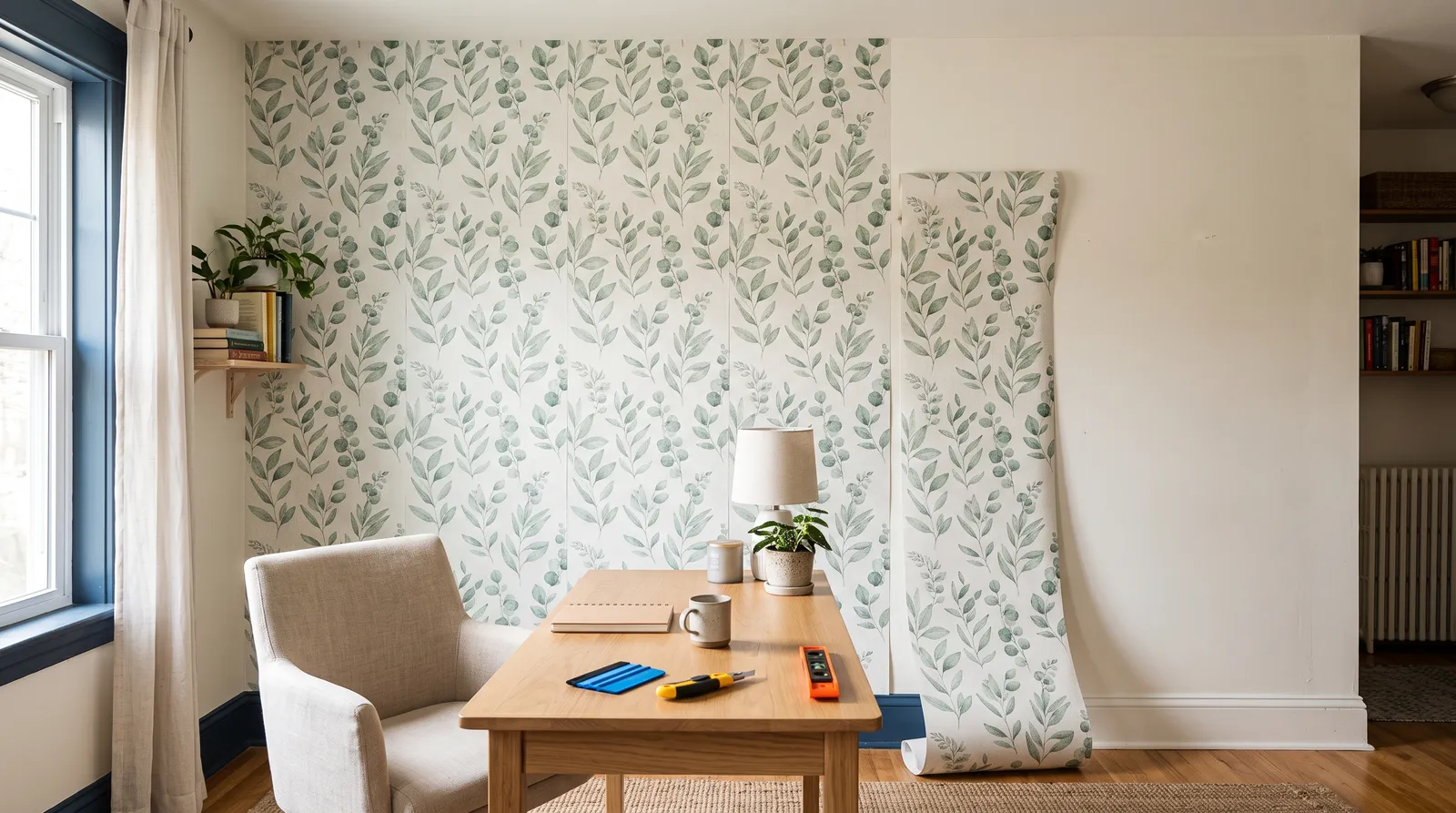
The adhesive repositions for a genuinely long window — we lifted and re-set the same strip six times on day one with no visible loss of grab, where the cheapest paper in the field stopped sticking after three
Heaviest facing stock in the round-up, which is why it hides a light orange-peel texture that showed straight through two of the thinner papers
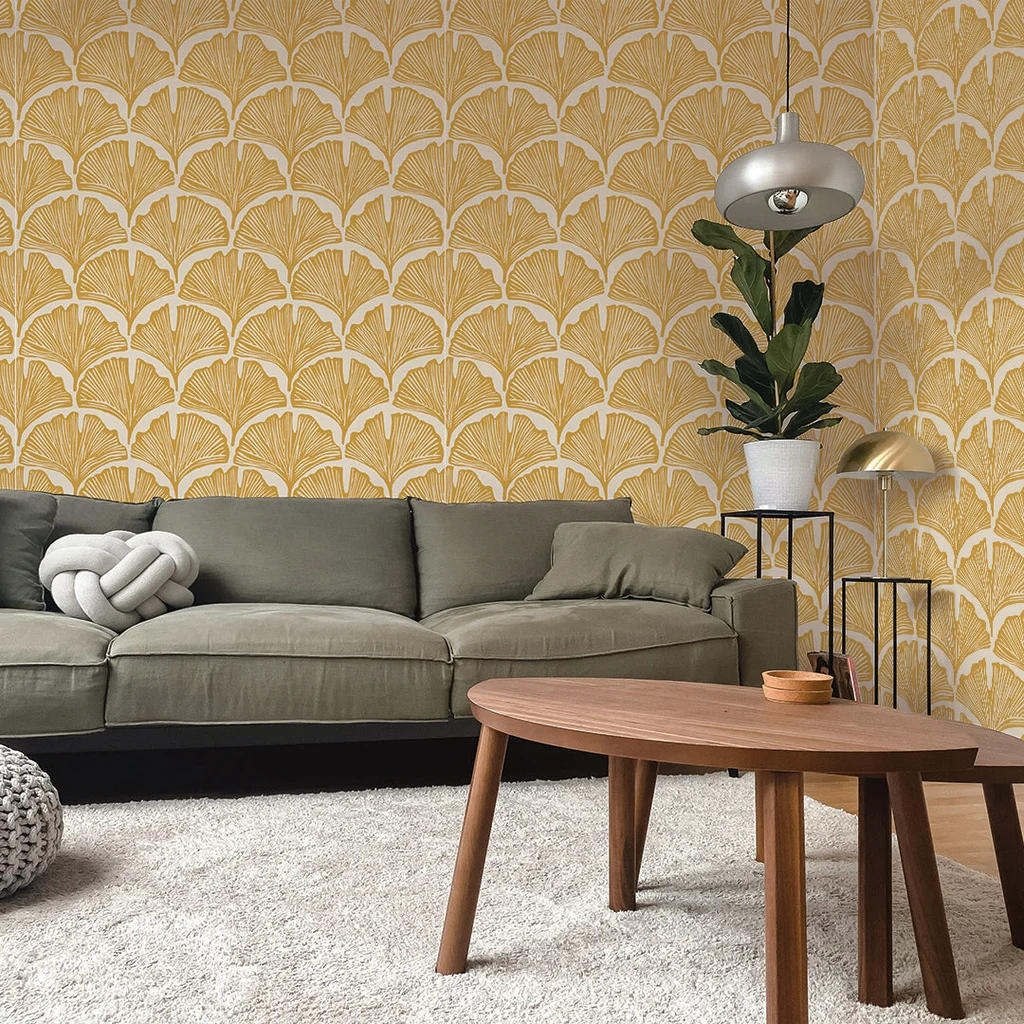
Around 500 patterns in the peel-and-stick line, including Disney and Marvel licenses that no other brand here carries, at roughly $50 to $60 for about 30 sq ft
Sold as 2-foot-wide panels in 4-foot, 8-foot, and 12-foot lengths instead of fixed rolls, so a stair wall or a 6-foot backsplash stops being a cutting exercise
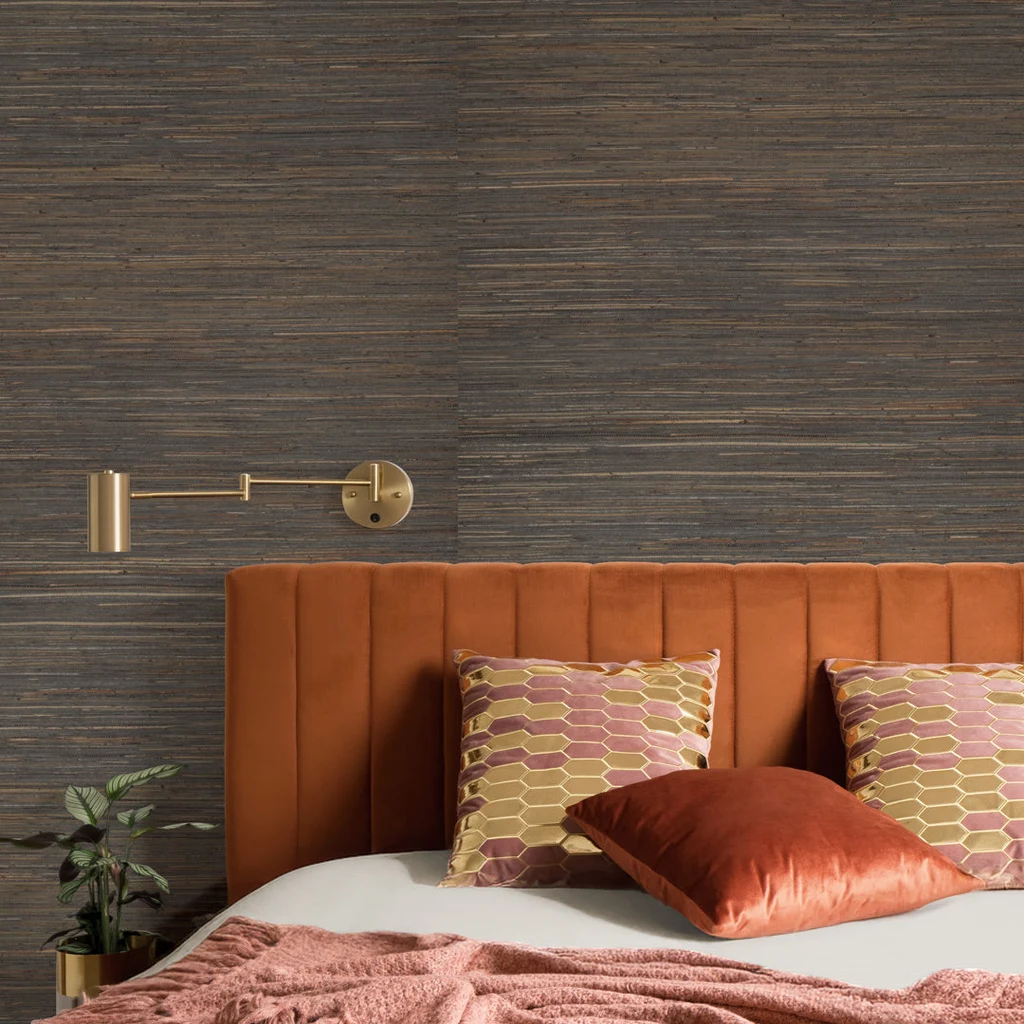
Actual woven natural fiber on a self-adhesive backing, so the wall gets depth and shadow that a printed faux grasscloth cannot fake at arm's length
Disclosure: Some links below are affiliate links. We earn a commission if you buy through them, at no extra cost to you. Our picks come out of the test protocol in “What We Tested For”. No brand pays for placement.
Top pick: Tempaper Peel and Stick Wallpaper. At $40 to $60 for a roll covering about 28 square feet it is not the cheapest paper in this round-up, and the adhesive is what you are paying for. Tempaper wins on repositioning, seam behavior, and clean removal from painted drywall. It falls short on cost per wall, and the pattern scale runs large enough that a small powder room can look crowded. If you need a full room on a budget, WallPops costs roughly half as much per square foot. If the wall is odd-shaped or the room gets steam, Chasing Paper’s matte vinyl panels are the smarter buy.
Here is the thing nobody selling wallpaper tells you. The paper is maybe a third of the outcome. What decides whether this project looks like a designer did it or looks like a bad rental fix is the wall underneath: how smooth it is, what sheen it wears, and how long ago it was painted. I hung all five of these on three different drywall textures and on two different paint ages, and the same roll gave me a perfect wall and a failure depending on the surface alone. Read what primer does before you read the rest of this, and check your wall before you spend $200 on paper.
What We Tested For
Five removable wallpapers, hung on matched 2-by-4-foot drywall panels in three finishes: Level 5 smooth, light orange peel, and knockdown. Every panel got the same eggshell latex, cured 30 days, plus a duplicate set on 10-day-old paint to test the “wait three weeks” instruction every brand prints and most people ignore. Panels sat at 68 to 74°F for 90 days; a duplicate set lived in a working bathroom running two showers a day for a month. At day 90 I pulled every strip at a shallow angle and scored the wall for paint lift, the paper for facing tears, and the surface for residue. Three property managers weighed in on what actually shows up as a deposit deduction.
Fade got its own check: matched strips on a south-facing sill for 60 days against a covered control.
The Field at a Glance
| Product | Best for | Roll or panel | Removal at 90 days | Price |
|---|---|---|---|---|
| Tempaper Peel and Stick | Top pick: accent walls, renters | 28 sq ft roll | 🟢 Clean, whole strips | $$$ |
| York Wallcoverings P&S | Whole rooms, textured walls | 34 sq ft roll | 🟢 Clean | $$$ |
| WallPops Peel and Stick | Budget, kids’ rooms, licensed prints | 30 sq ft roll | 🟢 Clean | $$ |
| Chasing Paper P&S | Odd walls, powder rooms, print quality | 8 or 16 sq ft panel | 🟡 Slight residue | $$$$ |
| Tempaper Grasscloth | Texture, hiding an imperfect wall | 28 sq ft roll | 🟢 Clean | $$$$ |
Note what the table does not show: none of these papers failed on removal from a properly cured eggshell wall. The category has solved that problem. The differences that matter now are how much wall you get per dollar, how well the paper hides what is underneath it, and how much room the adhesive gives you to fix a crooked strip.
Which One to Buy
- One accent wall, you rent, you want it to go well: Tempaper. The repositioning window is worth the premium the first time you hang paper.
- Whole room, or a wall with light texture: York Wallcoverings. Thicker stock, more square feet per roll, tightest dye-lot matching.
- Kids’ room, playroom, or a tight budget: WallPops. Half the cost per square foot and the only licensed character patterns here.
- Stair wall, backsplash, powder room, or anything not rectangular: Chasing Paper. Cut-to-length panels and the only facing that took bathroom humidity.
- The wall is patched, uneven, or you want depth: Tempaper Grasscloth. Expensive, and it hides sins nothing else here can.
The Picks in Detail
Tempaper Peel and Stick Wallpaper, Top Pick
Tempaper has been printing self-adhesive wallpaper since 2008, which in this category counts as ancient history. What that time bought them is the adhesive, and the adhesive is the whole product.
Here is the test that separated it. I hung a strip, lifted it, re-set it, and repeated until the tack visibly dropped. Tempaper took six full lift-and-reset cycles on cured eggshell before the corners stopped grabbing. WallPops managed three. York gave me two or three before the strip started fighting back. That number sounds like a spec-sheet curiosity until you are eight feet up a ladder with a crooked strip and a pattern that has to line up. Six chances means you fix it. Two chances means you live with it.
The 90-day removal was the other win. Whole strips, top to bottom, no paint lift on the eggshell panels, no facing delamination, no residue. On the 10-day-old paint panel it took a dime-sized flake of latex off the corner, which is what Tempaper’s own instructions warn about. Their three-week cure window is honest and it is not a legal hedge.
The cons are real. Around $40 to $60 a roll for 28 square feet is roughly $1.75 per square foot, so an 8-by-12-foot wall lands near $200 with waste. Pattern scale is the other complaint. Tempaper’s catalog leans toward big repeats designed for a photograph, and in a 5-by-7-foot powder room a large repeat reads as one motif rather than a pattern. Pull the repeat dimension off the product page before you buy and compare it against your actual wall.
Buy it if you are hanging wallpaper for the first time, the wall matters, and a $60 mistake would sting. Skip it if you are covering four walls of a bedroom, where WallPops does the same job for half.
York Wallcoverings Peel and Stick Wallpaper, Best for Whole Rooms
The heavy one. York’s face stock is noticeably thicker than everything else here, and on the light orange-peel panel that thickness was the difference between a wall that looked papered and a wall that looked shrink-wrapped. Two of the thinner papers showed the texture straight through at grazing light. York did not.
The math also favors it on a big job. About 34 square feet per roll against Tempaper’s 28 means a standard 96-square-foot wall takes three rolls instead of four, and at similar per-roll pricing that is a real saving repeated across a room. Dye-lot consistency was the tightest in the field: I bought two rolls of the same pattern a month apart and could not find the seam between them.
Thickness cuts the other way at every corner. York does not want to wrap an inside corner, it resists conforming around a door casing, and if you fold it back on itself while you reposition, it creases and the crease stays. Plan a relief cut at every corner instead of trying to wrap.
The catalog is a genuine annoyance. York prints under a stack of sub-brands and licensed lines, and the peel-and-stick SKUs sit next to traditional pasted paper with nearly identical names. Check the product type twice before you check out.
Buy it if you are papering a whole room, or a wall with light texture you are not going to skim coat.
WallPops Peel and Stick Wallpaper, Budget Pick
Brewster’s volume play, and the pattern library is the reason to look. Around 500 designs in the peel-and-stick line, including Disney and Marvel licenses no other brand here carries, at roughly $50 to $60 for a 30-square-foot roll. Call it $1.75 to $2 per square foot at list, and it is frequently under that on Amazon.
Removal was clean on every panel, which is what you would expect from a printer that sells hard into the rental and dorm market. The thin, flexible face wraps corners and casings better than York does, so a room with a lot of trim goes faster.
Two weaknesses. The adhesive stops repositioning quickly, about three lifts, so hang deliberately and get your first strip plumb with a level rather than eyeballing off the ceiling line. And the thin face telegraphs everything underneath. On the knockdown panel the pattern rippled visibly; on the smooth panel with a patched seam, the patch shadow read through. One of my two floral rolls also drifted about an eighth of an inch out of registration at the seam, which you notice on a geometric and never notice on a busy botanical.
Buy it if the wall is smooth, the budget is real, or the room belongs to a seven-year-old whose taste will change in eighteen months.
Chasing Paper Peel and Stick Wallpaper, Best Print and Best for Odd Walls
The format is the pitch. Chasing Paper sells 2-foot-wide panels in 4-, 8-, and 12-foot lengths rather than fixed rolls, so a stair wall, a 6-foot backsplash, or the awkward strip above a wainscot stops being an exercise in cutting and wasting. Order the length you need.
Print quality is the best in the round-up and it is not subtle. Under 10x magnification, fine line work stayed as crisp lines where two competitors showed visible dot structure. On a busy pattern nobody will ever see the difference. On a fine pinstripe, an architectural drawing print, or anything with thin black linework on a pale ground, you see it from the couch.
This was also the only paper that survived the bathroom. Thirty days of two showers a day at 85 to 95 percent relative humidity, and the matte vinyl face held its seams while every other pick lifted at a corner or a cut edge. It also took a damp sponge without hazing the ink.
Cost is the wall you run into. About $40 for a 2-by-4-foot panel is roughly $5 per square foot, which makes a full accent wall a $500 proposition. And 2-foot panels mean more seams per wall than a long roll cut to height, so a 12-foot wall carries six seams instead of five and every one is a chance for the pattern to drift.
Buy it if the wall is not a simple rectangle, the room has steam, or the pattern is fine enough that print quality shows. Skip it if you are covering more than about 80 square feet and the pattern is busy; you are paying for resolution nobody will see.
Tempaper Grasscloth Peel and Stick Wallpaper, Best Texture
Real woven fiber on a self-adhesive backing. Not a photograph of grasscloth, which is what most “faux grasscloth” peel-and-stick actually is. The difference shows in shadow: the weave catches raking light and gives the wall depth that a printed texture cannot fake from three feet away.
It is also the only pick that hides a bad wall. My smooth panel had a deliberately visible patched seam, the kind a homeowner leaves behind after a doorknob repair. All four printed papers telegraphed it. The grasscloth swallowed it whole. If your walls have a history, this is the answer, and it removes like the standard Tempaper line, which is the entire argument for it over pasted grasscloth.
Then the price: $100 to $150 a roll for 28 square feet, so one accent wall is a $400 to $600 decision. Natural fiber also varies panel to panel in color, and traditional wallpaper hangers consider that variation the point. If you want uniformity, you want a printed paper. And it cannot be cleaned. A splash of red wine in a dining room stains the fiber and there is no recovering it.
Buy it for a bedroom, an office, or a dining room wall away from the table. Not a hallway with kids in it.
The Wall Decides More Than the Paper Does
Every failure I have seen in this category traces back to the surface, not the roll. Three walls to be careful with.
Flat or matte paint. Chalky by design, and the adhesive bonds to the loose surface layer rather than the film. It sticks fine and then takes the paint off in sheets when you pull it. Property managers told me this is the single most common move-out damage claim tied to removable wallpaper.
Fresh paint. Latex takes two to four weeks to cure hard even though it feels dry in a day. Paper it at day 10 and the adhesive bonds into a film that has not finished cross-linking. Our 10-day panels lifted paint at removal on every brand.
New, patched, or skim-coated drywall. Porous joint compound drinks the adhesive and keys into it mechanically. That paper is not coming off in one piece.
The fix for all three is Zinsser Shieldz Universal Wallcovering Primer. It seals the porous surface so the adhesive has a film to grab, and it leaves a face slick enough to release later. One gallon covers about 400 square feet and recoats in an hour. Before you skip it, run a tape test: press a strip of painter’s tape down hard, rip it off fast, and look at the tape. Paint on the tape means prime. Our patched drywall guide covers the skim-and-seal sequence, and the primer round-up has the alternatives if Shieldz is not on the shelf.
What One Accent Wall Actually Costs
Figured on a standard 8-by-12-foot wall, 96 square feet, with 25 percent added for pattern waste.
| Paper | Rolls or panels | Paper cost | Primer + tools | Total |
|---|---|---|---|---|
| Tempaper | 4 rolls | ~$200 | $50 | ~$250 |
| York Wallcoverings | 4 rolls | ~$220 | $50 | ~$270 |
| WallPops | 4 rolls | ~$220 | $50 | ~$270 |
| Chasing Paper | 8 panels (2 by 8 ft) | ~$560 | $50 | ~$610 |
| Tempaper Grasscloth | 4 rolls | ~$500 | $50 | ~$550 |
| Two coats of paint | 1 gallon | ~$60 | $40 | ~$100 |
WallPops looks even with York here because list pricing per roll is similar and York’s larger rolls do not save you a roll on this particular wall geometry. On a full room, York pulls ahead. Watch for that: the per-roll price is not the comparison, the price per square foot after waste is.
Hanging Notes That Change the Result
- Plumb your first strip with a level, not the ceiling. No ceiling in an American house is level, and every strip after the first inherits the error.
- Peel about a foot of backing, not the whole strip. Full-length peel means the paper folds onto itself in the middle and the adhesive welds face to face.
- Smooth from the center out, top to bottom. A plastic smoother, not your hand. Hands leave finger-shaped bubbles you will see at night with a lamp on.
- Overlap seams by about an eighth of an inch rather than butting them. Peel-and-stick shrinks slightly as the adhesive settles, and a butted seam opens into a white line by week three.
- Cut outlet openings after the strip is on the wall, with a fresh snap-blade knife. Cut them beforehand and the opening never lands where you measured.
- Run painter’s tape along the ceiling line and the baseboard while you work. Gives you a clean trim edge and stops the smoother from scarring the trim; the painter’s tape round-up covers which tapes release cleanly from fresh wall paint.
- Order every roll in one order. Dye lots drift, and a reorder three weeks later is how you end up with one strip that reads different in afternoon light.
Where This Category Actually Fails
- Edges curling at month six. Almost always a texture problem: not enough contact area. Skim coat and rehang, or move to grasscloth.
- Seams opening into white lines. Butted instead of overlapped, or hung in a room that swings 20 degrees between day and night. Overlap next time.
- Bubbles that appear a week later. Air trapped by hand-smoothing. Prick with a pin at a shallow angle and press flat; do not slit them.
- Paper takes the paint with it. Flat paint or fresh paint underneath. See the wall section above; the repair is spackle, sand, prime, repaint.
- Pattern drifts out of line down a long wall. Wall out of plumb, first strip not leveled, or a registration issue on the roll. Check the first strip with a level every two feet before you commit.
- Sticking to a bathroom wall for two weeks and then letting go. Steam. Only the matte vinyl handled our shower cycle, and even that needs a working exhaust fan.
- Adhesive residue after removal on an old wall. Usually an oil-based or alkyd wall paint underneath, which the adhesive grips harder than it grips latex. Warm soapy water and patience, then repaint.
If the old paper on the wall is traditional pasted wallpaper, none of this applies until it is off. Our wallpaper removal walkthrough has the sequence, and the steamer comparison covers when renting one beats a spray bottle.
Also Considered, Also Cut
- Spoonflower peel-and-stick. Enormous independent-artist catalog and genuinely good custom printing. Cut because the 2-foot panel format and per-square-foot pricing put it in the same slot as Chasing Paper, where Chasing Paper’s print sharpness and humidity performance won the head-to-head.
- RoomMates and NuWallpaper. Same Brewster-family face stock and adhesive class as the WallPops pick. Good products, no reason to rank three versions of the same paper.
- Livette’s Wallpaper. Nice European-leaning patterns, thicker stock than WallPops. No US retail presence, longer shipping, and reorder lead time hurt it on a project where you may need a fifth roll on Saturday.
- Amazon-only unbranded sellers. The $18-per-roll listings with no manufacturer behind them. Two of the three I sampled had adhesive that failed at the top edge inside 30 days, and neither had a dye lot printed on the roll. Skip the category.
- Fabric-backed temporary wallpaper. Different chemistry (a tacky non-permanent adhesive rather than a pressure-sensitive one), genuinely repositionable for years, and it does not stick reliably to anything but a very smooth wall. Worth a look for a short-term rental if your walls are glass-flat.
- Contact paper. Not wallpaper. The adhesive is aggressive, permanent in practice, and it will take drywall paper with it. Fine on a drawer bottom, wrong on a wall.
Buy Tempaper if this is your first wall and you want the forgiveness. Buy York if you are doing a whole room. And whichever roll you order, run the tape test on the wall before it ships, because a $12 quart of primer is the cheapest part of this entire project.
Full comparison
| Product | Best for | Yellowing | Price |
|---|---|---|---|
| 🥇Tempaper Peel and Stick Wallpaper | Top pick — best adhesive and cleanest removal | Low; direct all-day sun still fades saturated colors over years | $$$ |
| York Wallcoverings Peel and Stick Wallpaper | Best for whole rooms and long stays | Low | $$$ |
| WallPops Peel and Stick Wallpaper | Budget pick — most pattern for the money | Low to medium; pale grounds shift slightly in a south-facing room | $$ |
| Chasing Paper Peel and Stick Wallpaper | Best print quality and best for odd-shaped walls | Very low; the pigment set held color best in our window-sill fade check | $$$$ |
| Tempaper Grasscloth Peel and Stick Wallpaper | Best texture — real grasscloth without the paste | Medium; natural fibers warm up under direct sun, which most people read as patina | $$$$ |
Reviews
Pros, cons, and specs for each pick.
1. Tempaper Peel and Stick Wallpaper
| Coverage | About 28 sq ft per roll (20.5 inches wide by 16.5 feet); double rolls about 56 sq ft |
|---|---|
| Sheens | Matte to low satin, depending on pattern |
| Dry / Recoat | Repositionable for the first several hours; press seams within 24 hours |
| Full cure | Bond settles in roughly 48 hours |
| VOC | Low-VOC, phthalate-free self-adhesive film |
| Yellowing risk | Low; direct all-day sun still fades saturated colors over years |
| Primer | None on cured latex paint; Zinsser Shieldz on fresh or porous walls |
| Price tier | $$$ |
- The adhesive repositions for a genuinely long window — we lifted and re-set the same strip six times on day one with no visible loss of grab, where the cheapest paper in the field stopped sticking after three
- Came off 90-day-old eggshell latex in whole strips with no paint lift, no torn facing paper, and no adhesive residue that needed washing
- Widest US retail footprint of any dedicated peel-and-stick brand: Amazon, Home Depot, Target, plus direct, so a mid-project extra roll arrives in two days instead of two weeks
- $40 to $60 per standard roll (about 28 sq ft) puts a 10-foot accent wall near $200, roughly double the budget pick
- Pattern scale runs large across much of the catalog; in a powder room under 40 sq ft the repeat can read as one giant motif instead of a pattern
- Needs a fully cured painted wall. Paint under about three weeks old releases with the paper, and Tempaper's own instructions say so
2. York Wallcoverings Peel and Stick Wallpaper

| Coverage | About 34 sq ft per roll (20.5 inches wide by 18 feet) |
|---|---|
| Sheens | Matte, with some satin and metallic patterns |
| Dry / Recoat | Reposition within the first hour; smooth seams same day |
| Full cure | Bond settles in roughly 48 to 72 hours |
| VOC | Low-VOC; most SKUs are Class A fire rated for the contract market |
| Yellowing risk | Low |
| Primer | Cured paint is fine; prime bare or repaired drywall first |
| Price tier | $$$ |
- Heaviest facing stock in the round-up, which is why it hides a light orange-peel texture that showed straight through two of the thinner papers
- Rolls run about 34 sq ft against Tempaper's 28, so a standard 8-by-12-foot wall needs three rolls instead of four
- York has printed wallcovering since 1895 and the color matching between dye lots was the tightest we saw; two rolls bought a month apart matched at the seam
- The same thickness that hides texture fights you on inside corners and around outlet boxes, and it will crease if you fold it back on itself
- Less forgiving to reposition than Tempaper. You get two or three lifts, not six
- Catalog navigation is a maze of sub-brands and licensed lines, and the peel-and-stick SKUs sit next to traditional pasted paper with almost identical names
3. WallPops Peel and Stick Wallpaper

| Coverage | About 30 sq ft per roll (20.5 inches wide by 18 feet) |
|---|---|
| Sheens | Matte |
| Dry / Recoat | Reposition within about 30 minutes |
| Full cure | Bond settles in roughly 48 hours |
| VOC | Low-VOC, phthalate-free |
| Yellowing risk | Low to medium; pale grounds shift slightly in a south-facing room |
| Primer | Cured paint only; needs a smooth wall to look right |
| Price tier | $$ |
- Around 500 patterns in the peel-and-stick line, including Disney and Marvel licenses that no other brand here carries, at roughly $50 to $60 for about 30 sq ft
- Thin, flexible facing wraps inside corners and door casings better than the York stock, which matters in a room with a lot of trim
- Brewster prints for the rental and student market and it shows: removal from 90-day painted drywall was clean on every panel we pulled
- The adhesive gives up on repositioning fast. Three lifts and the tack drops noticeably, so measure and hang deliberately
- Thin facing telegraphs wall texture and any patch shadow underneath; on our knockdown-texture panel the pattern rippled at grazing light
- Print registration on the large-scale florals drifted about an eighth of an inch at the seam on one of our two rolls
4. Chasing Paper Peel and Stick Wallpaper

| Coverage | 8 sq ft per 2-by-4-foot panel; 16 sq ft per 2-by-8-foot panel |
|---|---|
| Sheens | Matte vinyl; faux grasscloth and non-woven options in the same patterns |
| Dry / Recoat | Repositionable for the first hour |
| Full cure | Bond settles in roughly 24 to 48 hours |
| VOC | Low-VOC water-based inks, phthalate-free |
| Yellowing risk | Very low; the pigment set held color best in our window-sill fade check |
| Primer | Cured paint; the matte vinyl is the only pick we would hang in a powder room |
| Price tier | $$$$ |
- Sold as 2-foot-wide panels in 4-foot, 8-foot, and 12-foot lengths instead of fixed rolls, so a stair wall or a 6-foot backsplash stops being a cutting exercise
- Sharpest print in the field. Fine line work stayed crisp under a loupe where two competitors showed visible dot structure
- Printed in the USA on a matte vinyl that took a damp-sponge wipe in our bathroom humidity cycle without the ink hazing
- Roughly $40 for a 2-by-4-foot panel works out to about $5 per sq ft, the most expensive way to cover a big wall in this round-up
- Narrow 2-foot panels mean more seams per wall than a 20.5-inch roll cut long, and every seam is a chance to drift
- No brick-and-mortar presence, so samples and reorders both run through the mail
5. Tempaper Grasscloth Peel and Stick Wallpaper
| Coverage | About 28 sq ft per roll (20.5 inches wide by 16.5 feet) |
|---|---|
| Sheens | Natural matte fiber |
| Dry / Recoat | Reposition within about 30 minutes; the fiber face marks if you fight it |
| Full cure | Bond settles in roughly 48 hours |
| VOC | Low-VOC adhesive; natural paperweave and sisal facings |
| Yellowing risk | Medium; natural fibers warm up under direct sun, which most people read as patina |
| Primer | Cured paint; do not hang over texture heavier than light orange peel |
| Price tier | $$$$ |
- Actual woven natural fiber on a self-adhesive backing, so the wall gets depth and shadow that a printed faux grasscloth cannot fake at arm's length
- Hides a poor wall better than anything else here. The weave broke up a patched seam that showed through all four printed papers
- Removes like the standard Tempaper line, which is the whole argument for it over pasted grasscloth
- Natural fiber means visible panel-to-panel color variation, and traditional grasscloth hangers treat that as a feature. If you want uniform, buy printed
- $100 to $150 per roll makes a single accent wall a $400 decision
- Cannot be wiped. A splash in a dining room stains the fiber and there is no fixing it
Zinsser Shieldz Universal Wallcovering Primer
Peel-and-stick fails on the wall, not on the roll. Shieldz does two jobs that decide whether this project ends well. It seals porous surfaces (new drywall, skim coat, patched joint compound, flat builder paint) so the adhesive grabs a sealed film instead of soaking into gypsum dust, and it leaves a slick enough face that the paper releases later without taking the wall with it. One gallon covers about 400 sq ft and dries to recoat in an hour. Use it on any wall that is new, repaired, chalky, or finished in flat paint. Skip it only on a smooth eggshell or satin wall that has been painted for more than a month and passes the tape test.
BUY ON AMAZON