Product review · Portola Paints · Updated August 7, 2026
Enamel SeriesPortola Paints paint review
8.0/10Levels and cures like a proper alkyd; you pay for it in a slow week and $88 a gallon.
A water-based hybrid alkyd that flows out like the old oil enamels and cures genuinely hard — if you can give the woodwork a slow week. The reason to pay for it is a Portola color no other enamel can carry.

Maya Patel · Reviews Editor & Product Tester · Updated August 7, 2026
Maya spent five years running comparative product testing at a consumer testing nonprofit before joining CompositePaint. She built the round-up protocol the team uses, and she judges a trim enamel on two numbers: how flat it lays down and how long the doors stay off their hinges. About the testing process →
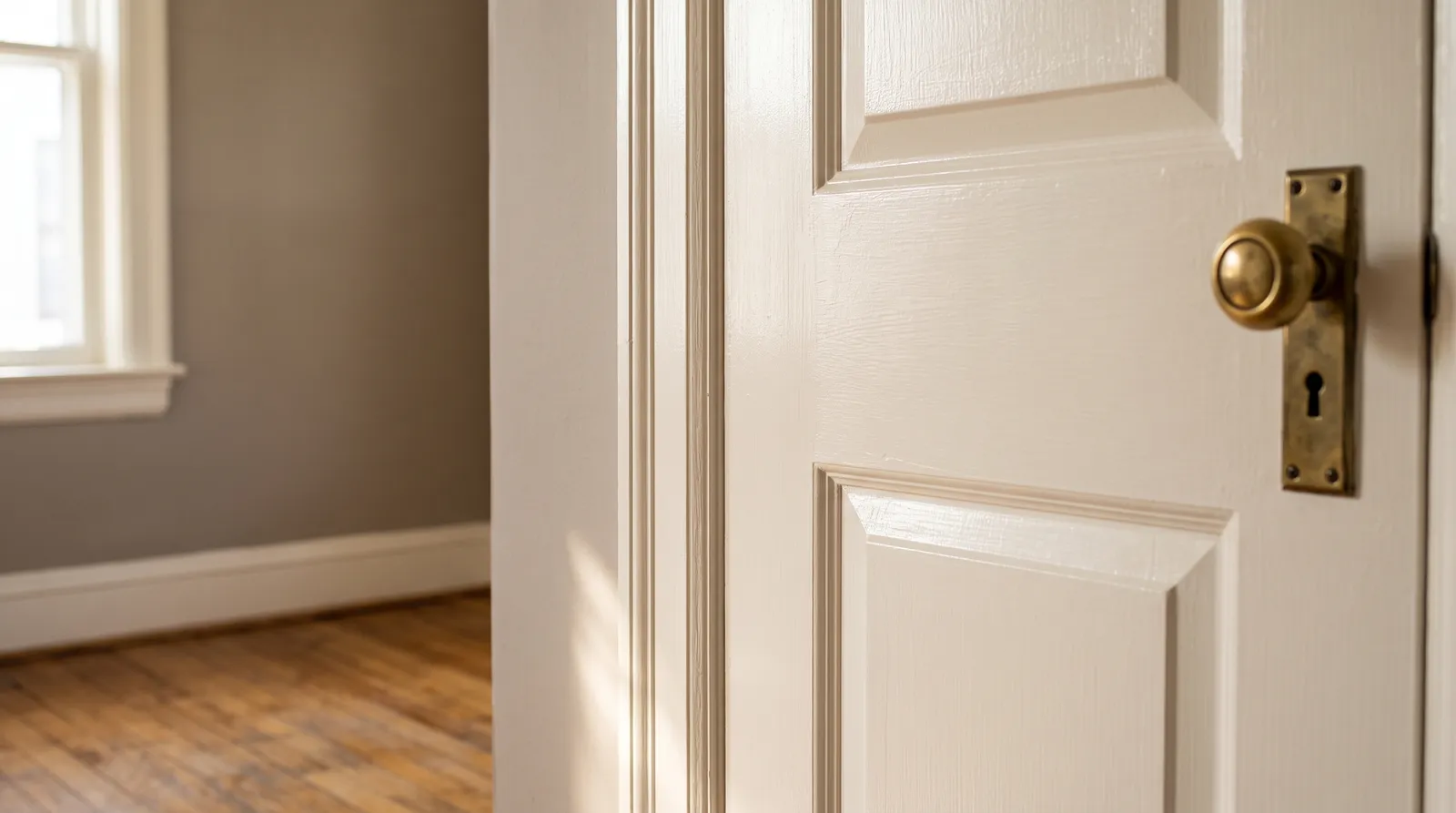
Portola Paints Enamel Series2 sheens
CoverageAbout 150–200 sq ft / gal at two coats
Recoat24 hr and up
Full cure2–7 days
Sheens Satin EnamelGloss Enamel
Read this first
The Fast Verdict
Worth it if you are already painting the room in a Portola color and can give the woodwork a slow week. It levels brush marks into a smooth film, cures genuinely hard, and carries the exact Portola hue no other enamel can match. It is slow, though — a full day between coats and 2 to 7 days to full hardness — and pricey at roughly $88 to $92 a gallon, with no semi-gloss offered. If the color is generic, Benjamin Moore Advance does nearly as much for less.
Best for
Trim and doors in a Portola color · Cabinets you want hard · A true glass-like gloss door · Woodwork, windows and metal · Clean, low-traffic work spaces · Jobs with a week in hand
Skip if
Deadlines and rental flips · Cabinets needed back tomorrow · A dusty or busy room · Generic colors a store enamel covers · You want semi-gloss · You are paying for shipping on one gallon
What it's good at
- Leveling, full stop — on a paneled door or a cabinet face the film settles flat, even off a brush
- Curing into a genuinely hard shell that takes knocks, wipes and cleaning
- Carrying any Portola color, so trim, doors and walls come from one palette
- Delivering a real glass-like gloss when you want a statement door
- Oil-enamel behavior with water cleanup and a far milder smell
- Working across trim, windows, cabinetry, woodwork and metal, inside or out
What it's not good at
- Speed — 6 to 12 hours to touch, 24-plus between coats, 2 to 7 days to cure
- Staying clean, since a long open time gives dust hours to land
- Price and access at roughly $88 to $92 a gallon plus $20 to $35 freight, ordered direct
- Sheen choice: soft satin or full gloss, with no semi-gloss in between
- Touch-ups months later, which flash a slightly different sheen
- Generic color jobs, where a hardware-store enamel does the work for far less
Same shelf, different cans
Satin or Gloss — There Is No Middle
Two sheens, and they sit far apart. Most trim in America is painted in the semi-gloss this line skips, so decide up front whether you want soft or dramatic, because there is nothing in between to fall back on.
Satin Enamel
BaseWater-based hybrid alkyd, low-VOC
Sheens18–22 sheen at 60 degrees
Recoat24 hr and up
Buy it if
Most trim and cabinets. The soft low-luster hides minor surface flaws, and it is the forgiving one for touch-ups later.
Avoid if
You specifically want a reflective, glassy door — the satin will read too quiet for that.
Gloss Enamel
BaseWater-based hybrid alkyd, low-VOC
Sheens70–80 sheen at 60 degrees
Recoat24 hr and up
Buy it if
A statement door or a designer-spec moment where the reflection is the point and you want a real alkyd shine.
Avoid if
Woodwork with dents, filler or old brush texture. High gloss shows everything, and touch-ups flash more than the satin.
Numbers, not adjectives
Spec Sheet
- Type
- Water-based hybrid alkyd enamel, low-VOC
- Sheens
- Satin (18–22 at 60 degrees); Gloss (70–80 at 60 degrees). No semi-gloss.
- Surfaces
- Interior and exterior trim, doors, windows, cabinetry, woodwork, metal
- Application
- Brush, roller or spray
- Coverage
- About 150–200 sq ft / gal at two coats
- Touch dry
- 6–12 hr
- Recoat
- 24 hr and up
- Full cure
- 2–7 days
- Primer
- Scuff-sand and prime anything bare, glossy or previously oil-painted
- Sizes
- 4 oz sample, quart, gallon, 5-gallon
- Shipping
- Direct from portolapaints.com — 2 days to the West, 4 to 6 to the East Coast; about $20–35 freight on a gallon
- Price
- Satin about $30 / qt and $88 / gal; Gloss about $32 / qt and $92 / gal
Application Settings That Work
- Brush
- Brushes and rolls cleanly, and the long open time does the leveling for you — lay it on and let it flow out rather than working it over. Sprayed, the film is furniture-grade. Whichever tool you pick, the schedule is the constraint, not the technique: one coat a day.
- Primer
- Anything bare, glossy or previously oil-painted gets primed. Scuff-sand factory-finished cabinets, spot-prime bare wood and knots, and make sure the surface is sound and clean before coat one. For melamine or metal, ask Portola for the right primer pairing.
The Cure Reality
Plan a slow job, because this is the headline weakness and the thing that decides whether the product fits you. The enamel is dry to the touch in 6 to 12 hours, and you wait a full 24 hours between coats — so a two-coat door is a two-day commitment minimum. The film does not reach full hardness for 2 to 7 days. Even when a cabinet door feels dry, treat it gently for that first week: do not stack doors, do not put dishes back on freshly painted shelves, and do not scrub anything until it has cured. In practice the kitchen is out of service for the better part of a week. The payoff is a harder, more chip-resistant surface than an acrylic gives you, and that trade is the whole reason to step up to an alkyd.
Mid-project panic
When It Goes Wrong, and How to Fix It
Dust and Grit in the Dried Film
Why it happens. The long open time is what buys the leveling, and it is also what invites the dust. The slower it dries, the more chances airborne particles have to land in a wet film — and this one stays wet for hours, not minutes.
The fix. Work in a controlled, low-traffic space. Vacuum and damp-wipe the room before you start, shut the HVAC off while the film is open, and keep foot traffic out for the day. Spray or brush cabinet doors flat on a bench rather than hanging, and cover them loosely once the surface has set.
A Second Coat That Drags or Wrinkles
Why it happens. You went back too early. A hybrid alkyd keeps curing underneath long after the surface feels dry, and a coat laid over an under-cured one pulls at the film beneath it instead of flowing over it.
The fix. Wait the full 24 hours between coats, longer in a cold or humid room. Touch dry at 6 to 12 hours is not the recoat window. If you cannot give a door two days, this is the wrong enamel for the job.
A Touch-Up Spot That Flashes a Different Sheen
Why it happens. Like most enamels, a dabbed-in repair months later dries at a different sheen and film thickness than the cured paint around it. The gloss is less forgiving than the satin, and the flash shows sideways to a window even with a perfect color match.
The fix. Do not spot-dab cured enamel. Recoat to a natural break — the whole door, the whole rail, the full run of casing to the corner. Keep a labeled quart from the job for exactly this, and pick satin over gloss if you know the trim will take knocks.
Peeling or Adhesion Trouble on Factory Cabinets
Why it happens. Skipping the prep is the most common way to get adhesion or yellowing problems on cabinets later, no matter how good the topcoat is. Slick factory finishes, bare wood, knots and old oil paint all give the enamel nothing to hold onto.
The fix. Scuff-sand factory-finished cabinets, spot-prime bare wood and knots, and prime anything previously oil-painted before the first coat. On tricky substrates like melamine or metal, contact Portola for the right primer pairing rather than guessing.
Side by side
Portola Enamel vs BM Advance vs Emerald Urethane
Three waterborne trim enamels, three different reasons to buy. The schedule and the color are what actually separate them, not the finish quality — all three lay down well.
| Portola Enamel Series | Benjamin Moore Advance | SW Emerald Urethane | |
|---|---|---|---|
| Leveling | Excellent. Flows brush and roller marks into a smooth, hand-rubbed-looking film. | Levels nearly as well — the benchmark most people should compare against. | Sprays beautifully; stiffer and less forgiving under a brush. |
| Recoat window | 24 hr and up. One coat a day. | Overnight, about 16 hr. | About 4 hr — two coats in one day. |
| Full cure | 2–7 days. | About 30 days to full hardness. | About 30 days to full hardness. |
| Cured hardness | Hard and scrubbable — the reason to choose an alkyd on cabinets. | Cures hard. Comparable class of film. | Toughest of the three; the pro pick for hard-use kitchens. |
| Sheens offered | Satin and Gloss only — no semi-gloss. | Every sheen, including the semi-gloss Portola skips. | Full trim sheen range at SW stores. |
| Price per gallon | About $88 Satin / $92 Gloss, plus freight. | $50–60. | $95–110. |
| Where you buy it | Order direct — 2 days West, 4 to 6 days East. | BM dealers you can drive to. | SW stores nationwide. |
| Where it wins | You need an exact Portola color on the woodwork. | Value, sheen choice and same-day availability. | Speed and maximum hardness on hard-use kitchen cabinets. |
Leveling
Portola Enamel SeriesExcellent. Flows brush and roller marks into a smooth, hand-rubbed-looking film.
Benjamin Moore AdvanceLevels nearly as well — the benchmark most people should compare against.
SW Emerald UrethaneSprays beautifully; stiffer and less forgiving under a brush.
Recoat window
Portola Enamel Series24 hr and up. One coat a day.
Benjamin Moore AdvanceOvernight, about 16 hr.
SW Emerald UrethaneAbout 4 hr — two coats in one day.
Full cure
Portola Enamel Series2–7 days.
Benjamin Moore AdvanceAbout 30 days to full hardness.
SW Emerald UrethaneAbout 30 days to full hardness.
Cured hardness
Portola Enamel SeriesHard and scrubbable — the reason to choose an alkyd on cabinets.
Benjamin Moore AdvanceCures hard. Comparable class of film.
SW Emerald UrethaneToughest of the three; the pro pick for hard-use kitchens.
Sheens offered
Portola Enamel SeriesSatin and Gloss only — no semi-gloss.
Benjamin Moore AdvanceEvery sheen, including the semi-gloss Portola skips.
SW Emerald UrethaneFull trim sheen range at SW stores.
Price per gallon
Portola Enamel SeriesAbout $88 Satin / $92 Gloss, plus freight.
Benjamin Moore Advance$50–60.
SW Emerald Urethane$95–110.
Where you buy it
Portola Enamel SeriesOrder direct — 2 days West, 4 to 6 days East.
Benjamin Moore AdvanceBM dealers you can drive to.
SW Emerald UrethaneSW stores nationwide.
Where it wins
Portola Enamel SeriesYou need an exact Portola color on the woodwork.
Benjamin Moore AdvanceValue, sheen choice and same-day availability.
SW Emerald UrethaneSpeed and maximum hardness on hard-use kitchen cabinets.
If the color is the point — the walls are already Portola and you want the casing to match exactly — the Enamel Series is the obvious step up, and you accept the slow week. If the color is generic, Benjamin Moore Advance is the value champion of this category: it levels nearly as well, comes in the semi-gloss Portola skips, and sits on a shelf you can drive to. If the real priority is a fast, maximum-hardness finish on high-traffic cabinets, Emerald Urethane recoats sooner and cures tougher.
If not this one
Honest Alternatives
BM
Benjamin Moore Advance$50–60 / gal
The benchmark waterborne alkyd and the first comparison to make. Levels nearly as well, cures hard, comes in every sheen including the semi-gloss Portola skips, and you can drive to it. The value champion of this category.
Full review →SE
SW Emerald Urethane Trim Enamel$95–110 / gal
The move if you want a faster, even harder finish on high-traffic cabinets. The urethane film cures tougher and recoats sooner than this hybrid alkyd, and it is stocked in SW stores nationwide. Premium-priced too.
Full review →BC
Behr Cabinet & Trim Enamel$45–55 / gal
The budget and convenience pick. Dries faster, costs far less, and you can have it this afternoon from Home Depot. The leveling and cured hardness are not in Portola's class, but for a utility trim job it closes most of the gap.
Full review →Questions people actually ask
Enamel Series Questions, Answered
Is the Portola Enamel Series worth it?
Worth it if you are already painting the room in a Portola color and can give the woodwork a slow week. It levels brush marks into a smooth film, cures genuinely hard, and carries the exact Portola hue no other brand's enamel can match. It is slow, though, and pricey at roughly $88 to $92 a gallon ordered direct, with no semi-gloss sheen offered. If the color is generic, Benjamin Moore Advance does nearly as much at a store you can drive to.
Is the Enamel Series the same as New Standard in semi-gloss?
No. New Standard is a zero-VOC acrylic, and its Semi Gloss is still an acrylic wall-and-trim paint. The Enamel Series is a separate low-VOC hybrid alkyd, built to flow out and harden on woodwork the way an oil enamel does. On a flat wall you would not notice the difference. On a six-panel door or a cabinet face, the enamel levels brush marks better and cures to a tougher film.
How long before I can rehang doors or use the cabinets?
Plan a slow job. It is dry to the touch in 6 to 12 hours, and you should wait a full 24 hours between coats. The film does not reach full hardness for 2 to 7 days, so even though a cabinet door feels dry, treat it gently for the first week. Do not stack doors, do not put dishes back on freshly painted shelves, and avoid scrubbing until it has cured.
Do I need to prime before using it on cabinets or trim?
Yes, on anything bare, glossy or previously oil-painted. The enamel bonds best to a sound, lightly sanded, primed surface, so scuff-sand factory-finished cabinets and spot-prime bare wood or knots before your first coat. Skipping the prep is the most common way to get adhesion or yellowing problems later, regardless of how good the topcoat is.
Does it come in semi-gloss?
No, and that is a real gap. You pick Satin at 18 to 22 sheen or Gloss at 70 to 80, with nothing in between — soft or dramatic. Most American trim is painted in the middle sheen this line skips, so if that is what you want you would approximate it with the satin or buy a different enamel.
Can I spray it?
Yes. Brush, roller and spray all work, and sprayed the film is furniture-grade. The constraint is the schedule rather than the tool: one coat a day, and a long open time that gives airborne dust hours to land, so you want a clean, low-traffic space either way.
Can I use it outside, or on metal?
It is listed for interior and exterior trim, doors, windows, cabinetry, woodwork and metal. Metal and melamine are the substrates worth a phone call — Portola recommends contacting them for the right primer pairing rather than guessing, since adhesion problems on slick surfaces start under the topcoat.
Portola Enamel or Benjamin Moore Advance?
Advance unless you need the specific Portola hue. It levels nearly as well, cures hard, offers every sheen including semi-gloss, and sits at a dealer you can drive to. Portola wins on exactly one thing, and it is a real one: no other brand's enamel gives you a Portola color without an approximate counter match.
How much does shipping add?
A single gallon typically adds $20 to $35 in freight, on top of about $88 for Satin or $92 for Gloss. Delivery runs about 2 days to the West Coast and 4 to 6 days to the East. There is no big-box shortcut, so order ahead and order a spare quart if the job is bigger than a couple of doors.
Keep exploring
We may earn a commission when you buy through the retailer link above. It never changes the score or the verdict.
Ask a Question