Best Water Based Polyurethane
Six water-based polyurethanes brushed on oak, maple, and painted MDF, then abraded, water-ringed, and checked for yellowing. Top pick: General Finishes High Performance.

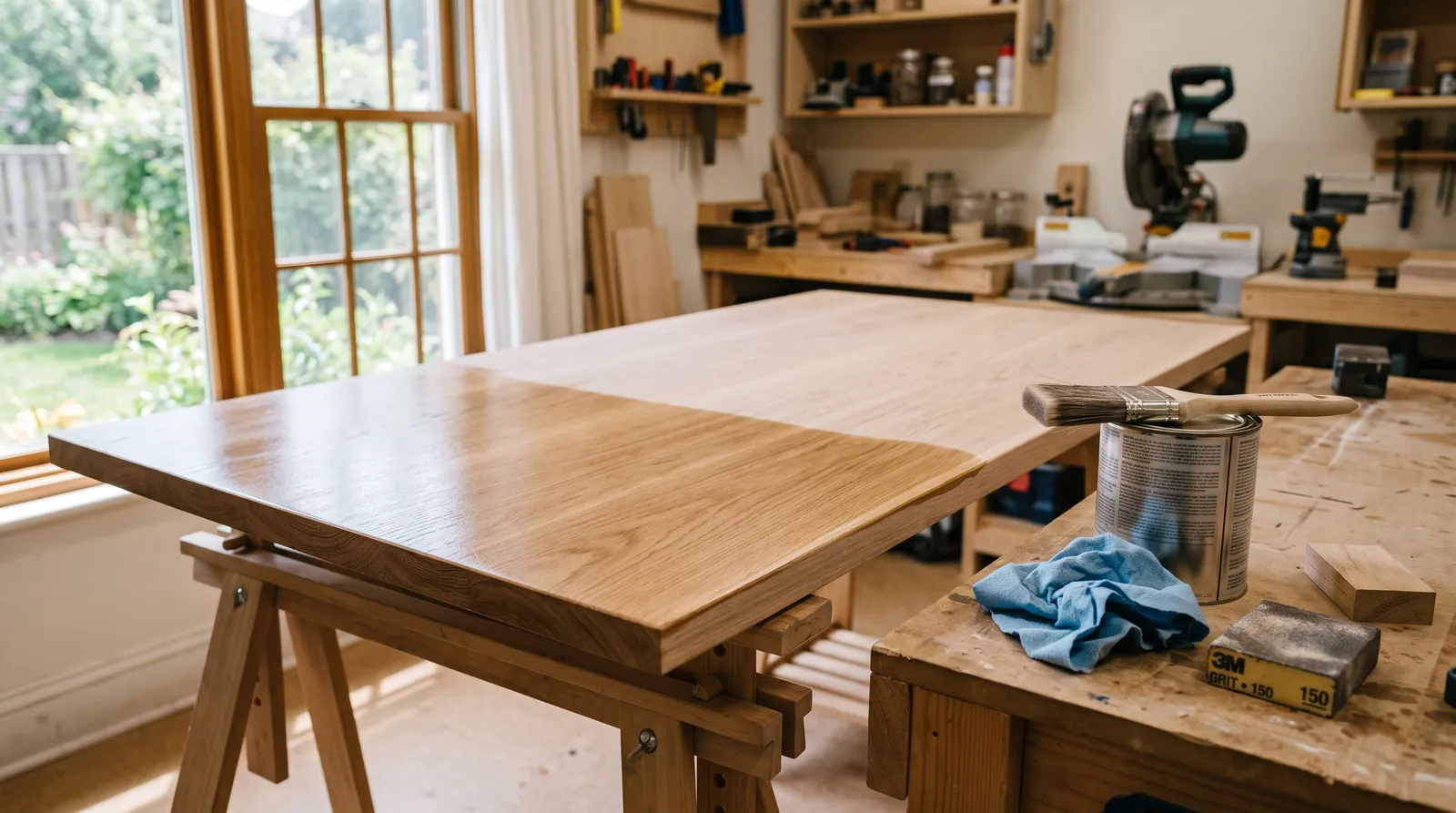
Hardest film in the round-up on the manufacturer's own published data: 34.4 mg Taber loss and a Koenig hardness of 59, against 95.6 mg for General Finishes' own oil-modified Enduro-Var II
Stocked in quarts and gallons at Home Depot, Lowe's, Ace, and Menards, so a mid-project run-out costs you 40 minutes instead of three shipping days
Aluminum oxide in the film is the abrasion package the furniture-grade topcoats leave out; this is a floor product, not a trim product sold as one
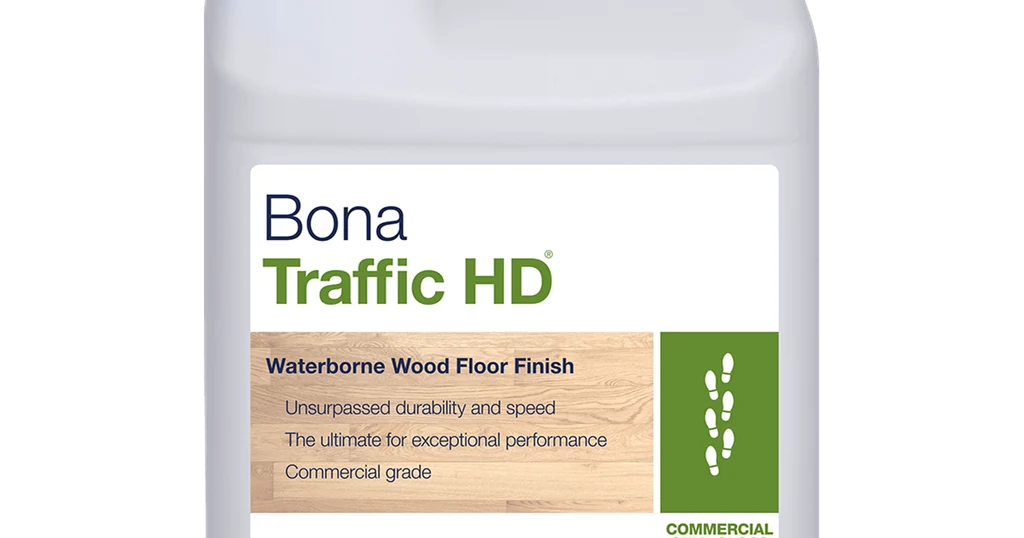
Two-component crosslinked waterborne with the highest scuff and chemical resistance of anything here; Bona publishes full cure at 3 days, where single-component finishes want 7 to 30
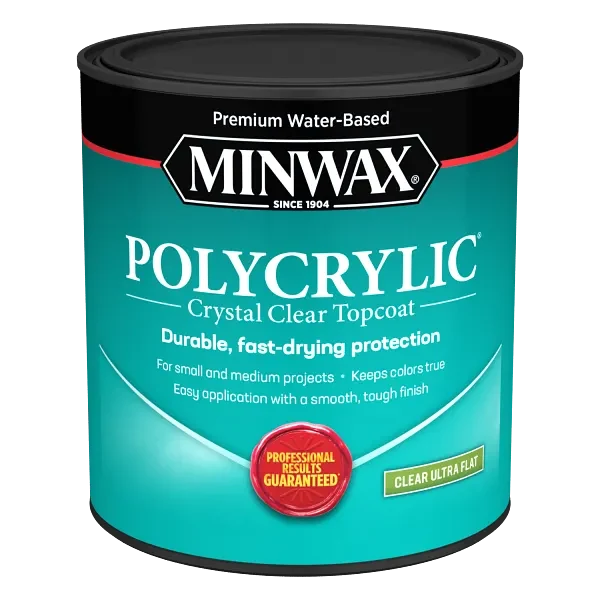
Cheapest real protective clear coat here at $16–$20 a quart, and it is on the shelf at every hardware store in America
Ambers on purpose. Over walnut, cherry, and old-growth fir it gives the warm depth people actually mean when they say they want an oil finish
Disclosure: Some links below are affiliate links. We earn a commission if you buy through them, at no extra cost to you. Picks come from the test protocol in “What I Judged Them On”. No brand pays for placement.
Top pick: General Finishes High Performance Water Based Polyurethane Topcoat. At $30–$36 a quart it costs roughly double a can of Polycrylic, and it earns the gap. General Finishes publishes 34.4 mg of Taber loss on their own test rig against 95.6 mg for their oil-modified Enduro-Var II, and on my panels High Performance was the only finish that took a 24-hour sweating glass without a ghost ring. It wins on hardness, on staying water-clear over white paint, and on how flat it lays from a brush. It falls short on price and on shelf availability, since no big box carries it. If you need a gallon for a whole house of trim, Varathane Ultimate Water-Based Polyurethane at Home Depot is the smarter spend. For floors, neither one is the answer.
Water-based poly is a clarity product first and a hardness product second. That order matters, because the reason most people switch away from oil is the yellow, and half the cans sold as water-based are quietly oil-modified and amber anyway.
What I Judged Them On
Six clear finishes, three brush coats each, on matched panels of quartersawn white oak, hard maple, poplar trim stock, and MDF painted in Benjamin Moore Chantilly Lace. Coats went down at 70°F and 45% relative humidity with a 2-inch synthetic brush, sanded between passes with 320-grit stearated paper. The two floor finishes also went onto a 4-foot section of site-sanded red oak flooring with a T-bar at four coats. Everything cured 21 days before it got abused: pencil hardness by ASTM D3363, a glass of ice water left to sweat for a full day, four-hour spot soaks of red wine, olive oil, hand sanitizer, and ammonia glass cleaner, and colorimeter b* readings over the white MDF at day 1 and day 60. Four cabinet and flooring contractors got a phone call about what they actually buy.
Pick-specific results live in each review below.
The Field at a Glance
| Product | Best for | Tone in the film | Coats needed | Price |
|---|---|---|---|---|
| GF High Performance | Top pick: furniture, cabinets, trim | 🟢 Water-clear | 2–3 | $$$ |
| Varathane Ultimate WB | Home-center value, whole-house trim | 🟢 Near-clear, slightly cool | 3 | $$ |
| Varathane Crystal Clear Floor | DIY hardwood floors | ⚪ Near-clear | 4 minimum | $$ |
| Bona Traffic HD | Pro-grade floors, high traffic | 🟢 Water-clear | 2–3 | $$$$ |
| Minwax Polycrylic | Budget, small projects, painted pieces | 🟢 Water-clear | 3 | $ |
| GF Enduro-Var II | Warm amber over walnut, cherry, fir | 🟡 Ambers by design | 3 | $$$ |
Sorted by Chemistry
Half the confusion in this category comes from the label. “Water-based” describes the carrier, not the resin, and the resin is what decides how the finish looks and wears.
| Chemistry | Picks | What it means on the wood |
|---|---|---|
| Acrylic-heavy blend | Minwax Polycrylic | Clearest and softest. Great over paint, wrong on floors |
| Urethane/acrylic blend | GF High Performance, Varathane Ultimate WB | The sweet spot. Clear, hard, brushable |
| Oil-modified urethane | GF Enduro-Var II | Warms the wood, cures harder, scratches easier |
| Aluminum-oxide floor urethane | Varathane Crystal Clear Floor | Abrasion package aimed at foot traffic |
| Two-component crosslinked | Bona Traffic HD | Chemical cure, not just water evaporation. The durable end |
Pick the Can in Ten Seconds
- A dresser, a set of doors, a tabletop you want to keep: GF High Performance, satin.
- Every window casing and baseboard in the house: Varathane Ultimate Water-Based, by the gallon.
- Refinishing your own hardwood floor over a weekend: Varathane Crystal Clear Floor Finish, four coats.
- A floor in a house with a dog, kids, and no patience for redoing it: Bona Traffic HD.
- One painted nightstand and a $20 budget: Minwax Polycrylic.
- Walnut, cherry, or fir where the clear coat looks dead without warmth: Enduro-Var II.
Seal First When the Wood Fights Back
Every pick here is self-sealing on clean bare wood, and on maple, birch, or poplar you can go straight to coat one. Four substrates argue back, and on those the answer is a quart of Zinsser SealCoat, which is dewaxed shellac in a can.
Pine and fir knots bleed resin up through a clear film and leave a brown halo that shows at month three. White oak tannin does the same thing more slowly. Aniline dye and heavy gel stain redissolve under a water-based coat and drag color onto your brush. Cedar and redwood push extractives straight through. Shellac stops all four, dries in 45 minutes, sands to powder at 320, and accepts any water-based topcoat over it.
It also solves grain raise before it happens. Seal, sand the fuzz off, then coat, and your first pass of poly lays down smooth instead of feeling like fine sandpaper. One quart handles a kitchen’s worth of cabinet doors.
The exception is recoating an existing cured finish. There, adhesion is the problem and a sealer doesn’t help. Scuff it properly instead. The painting over stained wood guide walks through which surfaces need which prep.
The Picks in Detail
General Finishes High Performance Water Based Polyurethane Topcoat, Top Pick
This is the can that ends the water-based-is-weaker argument. High Performance is a urethane/acrylic blend, water-white out of the can, and it dries to a film that took the pencil test at 2H where Polycrylic gave up at HB. General Finishes publishes a Koenig hardness of 59 and 34.4 mg of Taber CS-17 loss, which is the best abrasion number of any consumer water-based topcoat I’ve found published data for.
In practice, the thing that convinced me was the sweating-glass test. Every panel got a glass of ice water sitting on it for 24 hours. High Performance was the only one that came back with nothing under raking light. Polycrylic held a faint white ring for two days before it faded. On the painted white MDF, the b* reading moved 0.3 over 60 days, which is inside measurement noise. This finish does not go gold over white paint, over maple, or over a gray stain.
It brushes better than it has any right to. Two coats of satin on poplar trim, sanded once at 320 between them, and the surface reads flat and continuous at a foot away, no ropes and no holidays. It sprays through a 1.1 mm HVLP tip with no reduction, which is why cabinet shops keep it around. If you’re spraying, our HVLP sprayer round-up covers the gun end of that.
The trade-off is buying it. No home center carries General Finishes. Woodcraft, Rockler, an independent finish supplier, or Amazon. Quarts are $30–$36 and gallons run about $95, so a small job costs real money. Stir the flat sheens hard and often, because the matting agent settles and the last third of a Dead Flat can dries cloudier than the first if you get lazy.
Buy it if the piece matters and you want the hardest, clearest water-based film you can brush. Skip this if you need four gallons for baseboard and the budget is the constraint.
Varathane Ultimate Water-Based Polyurethane, Best at the Home Center
The value pick, and the one I recommend most often by volume. Roughly $22–$26 a quart and $55–$62 a gallon at Home Depot and Lowe’s, in matte through gloss, on the shelf in every US market. It’s cheaper in store than shipped, so if there’s a big box within 20 minutes, buy it there and keep the Amazon link for the gallon size that’s awkward to carry home.
Flow-out is the reason it wins its slot. On the poplar trim panel it self-leveled better than anything else at this price, and brush marks that were visible while wet had disappeared by the time it flashed. Two-hour recoat is real at 70°F, so three coats fit in a single day. On the white oak panel, coat one raised grain aggressively; 320-grit took it back to smooth in one pass and coat two went down clean.
Two honest limits. Rust-Oleum’s own instructions ask for three brush coats where General Finishes builds a working film in two, so per-project the cost gap is smaller than the shelf price suggests. And the film reads slightly cool. Side by side with an oil-based panel, red oak under Varathane looks a shade grayer and flatter. On white-painted MDF that’s a feature. On a red oak floor it can look thin.
Buy it if you’re coating a lot of square feet and want a real urethane film without a specialty order. Skip this if the wood is walnut or cherry and you want the warmth an oil finish gives.
Varathane Crystal Clear Waterborne Floor Finish, Best DIY Floor Finish
Floors are their own category and furniture topcoats do not belong on them. Crystal Clear is built for it, with aluminum oxide in the film for abrasion resistance that trim products skip.
Rust-Oleum specifies a minimum of four coats. Take that seriously. On the red oak flooring section I coated at four passes, the finish took a loaded office chair caster rolling across it for a week with scuffing you had to hunt for. Contractors I called all told the same story about failures in this category: homeowner applies two coats, saves an afternoon, and wears through at the kitchen sink within a year.
Application is the learning curve. This goes down with a T-bar or a lambswool applicator, not a brush, and the first 40 square feet of your first room will teach you what a wet edge feels like. Keep the applicator loaded, work with the grain, and never go back into a section that has started to flash. At $55–$70 a gallon covering 350–400 sq ft per coat, a 300 sq ft room takes about four gallons for the full schedule.
Buy it if you’re doing your own floor and want a single-component finish you can start and stop. Skip this if the floor is a rental turnover on a deadline; you cannot cheat the four-coat schedule.
Bona Traffic HD, Best Pro-Grade Floor Finish
The benchmark. Two-component crosslinked waterborne, mixed with a hardener before use, and the finish most professional refinishers name when you ask them what they’d put on their own house. Bona publishes full cure at three days, which is genuinely remarkable in a category where seven to thirty is normal, and the marketing line about outperforming urethane finishes at 24 hours is the one claim in this round-up that contractors repeated back to me unprompted.
The practical advantage on a refinish job is that it needs no separate sealer over a stained floor. That removes an entire coat and most of a day from a whole-house schedule.
Cost and format are the barriers. It runs $110–$150 a gallon and the pro channel sells it as a three-gallon case, so a single-room job means buying more than you need. Once the hardener is in, the clock starts and there’s no putting the lid back on for next weekend.
Buy it if the floor is high-traffic, the house is occupied, and you want to do this once in fifteen years. Skip this on furniture. On a tabletop the extra hardness buys nothing you’d ever notice at four times the price.
Minwax Polycrylic Protective Finish, Budget Pick
Honest product, honestly labeled. $16–$20 a quart, on every hardware store shelf, water-clear over white, low odor enough to use on the kitchen table in February. It’s the default answer for sealing a painted dresser, and it’s the right one.
The film is the softest here. Pencil hardness came in at HB, and the sweating glass left a white ring that took two days to fade. Minwax says on their own product page that Polycrylic is not recommended for floors because it needs recoating too often in traffic. Believe them. It also tacks up fast in a warm room, so a long stroke across a wide panel starts dragging before it levels; work in smaller sections and don’t go back into a flashed edge.
Buy it if the project is small, painted, and lives somewhere gentle. Skip this if anyone will set a wet glass on it.
General Finishes Enduro-Var II, Best Warm Tone
The specialist. Enduro-Var II is an oil-modified water-based urethane that ambers on purpose, and over walnut, cherry, and old-growth fir it gives back the depth that a water-clear finish flattens out. If you’ve ever put a clear water-based coat on walnut and thought the board went muddy and gray, this is the fix.
The numbers are strange and worth reading correctly. Koenig hardness of 123 is the highest here, more than double High Performance. Taber wear is 95.6 mg, nearly triple. Hard and brittle, not hard and tough. In practice that means it rubs out crisply at 320 between coats and scratches more readily in service than the hardness number implies. General Finishes calls for three coats on bare or freshly stripped wood, and says not to apply it over an existing finish.
The amber isn’t adjustable. Over hard maple it reads yellow, over white paint it reads wrong, and there is no clear version of this product.
Buy it if the wood is warm-toned and you want an oil look without oil’s cure time or smell.
When Oil-Based Is Still the Right Call
I’d put water-based on almost everything now, and I want to be specific about the exceptions rather than pretend there aren’t any.
Oil-based poly still wins on film build per coat, on heat tolerance, and on the amber warmth some woods need. A bar top that will see hot mugs, a countertop next to a stove, an entry door that bakes in afternoon sun: those are places the older chemistry earns its smell and its eight-hour recoat. Everywhere else, the math favors water. Three coats in one day instead of three days. No respirator. Brushes rinse in the sink. And the clarity holds over white paint, which oil never does.
The other honest comparison is against wax, which people reach for on painted furniture because it’s easy. Wax buffs beautifully and protects almost nothing; it needs redoing yearly and it blocks any future clear coat until you strip it. Our wax versus poly breakdown covers when each one makes sense. If you’re sealing a piece you just painted, work through the furniture repainting project guide first, because the coating schedule underneath decides whether a clear coat helps or hurts.
Where Water-Based Poly Actually Goes Wrong
- Milky first coat over fresh stain. The stain wasn’t dry. Oil-based wiping stain needs 24 to 72 hours, longer if you wiped heavy. Seal with dewaxed shellac when you can’t wait.
- Fuzzy, sandpaper-feeling first coat on bare oak. Normal. Water raises grain. Cut it back at 320 and it never returns.
- Cloudy finish in a cold garage. Below about 60°F these films stop coalescing properly. Cold-room cloudiness doesn’t dry out; that panel starts over.
- Ring under a lamp base at week two. The film was still curing. Full cure is 21 days on most of these, not the 24 hours on the label for light use.
- Peeling off a factory-finished surface. No scuff, no adhesion. Water-based poly needs mechanical grip on any cured film.
- Yellow cabinets six months after a “clear” coat. The can said oil-modified in small print. Check before you buy.
- Streaky flat sheen in the last third of the can. The matting agent settled. Stir every ten minutes on flat and dead-flat sheens.
Application Notes That Change the Result
- Never shake the can. Bubbles from shaking cure into the film as pinholes. Stir slowly with a paddle for a full minute.
- Use a synthetic brush. Natural bristle absorbs water and goes limp inside five minutes. See the brush round-up for what holds an edge in waterborne finishes.
- Thin coats, more of them. A heavy pass traps water under a skinned surface and dries cloudy. Three thin coats beat two fat ones every time.
- 320-grit stearated paper between coats. Coarser leaves scratches you’ll see under gloss; the sandpaper guide covers grit selection for finish work.
- Respect the recoat window both ways. Inside two to four hours you’re chemically bonding. After a day you need to scuff for mechanical grip.
- Wipe with a barely damp cloth, not a solvent tack rag. Wax-loaded tack cloths contaminate waterborne films.
- Let humidity be your clock, not the label. At 70% relative humidity the two-hour recoat is closer to four. The drying times chart has the temperature and humidity math.
What a Real Project Actually Costs
| Project | Finish | Quantity | Materials cost |
|---|---|---|---|
| One painted dresser | Minwax Polycrylic | 1 quart | ~$18 |
| Oak dining table, 3 coats | GF High Performance | 1 quart | ~$34 |
| Whole house trim, 900 sq ft, 3 coats | Varathane Ultimate WB | 2 gallons | ~$120 |
| 300 sq ft floor, 4 coats | Varathane Crystal Clear | 4 gallons | ~$260 |
| 300 sq ft floor, 3 coats | Bona Traffic HD | 3 gallons | ~$390 |
Prices checked in July 2026 at Home Depot, Lowe’s, and Amazon. The Varathane and Minwax cans run a few dollars cheaper in store than shipped; buy those at the big box and save the Amazon order for the General Finishes and Bona products no local shelf carries.
Also Considered, Also Rejected
- Minwax Water Based Oil-Modified Polyurethane. A reasonable DIY floor finish sold at Home Depot, and the ambering is deliberate. Crystal Clear covers the same slot with a better abrasion package.
- Minwax Polycrylic Max. Newer, harder version of Polycrylic. Worth watching, but the retail rollout is uneven and I don’t have 60-day data on it yet.
- Varathane Triple Thick Polyurethane. One coat replaces three, and it does. Also pools at edges, dries slow, and telegraphs every drip. A specialty product, not a general recommendation.
- General Finishes Flat Out Flat. Excellent dead-flat topcoat for a modern look; too narrow a use case to rank against general-purpose finishes.
- Bona Mega ONE. Single-component sibling to Traffic HD, easier to buy, meaningfully less durable. If the pro-channel case size is the blocker, this is the fallback.
- Water-based spar urethane for interior work. Softer film by design so it can flex outdoors. Indoors that flexibility just reads as a finish that dents.
If it’s furniture and it matters, buy the General Finishes quart. If it’s a floor, buy four gallons and coat it four times.
Full Comparison
| Product | Best for | Yellowing | Price |
|---|---|---|---|
| High Performance Water Based Polyurethane Topcoat | Top pick — best overall for furniture, cabinets, and trim | None — non-ambering urethane/acrylic blend | $$$ |
| Varathane Ultimate Water-Based Polyurethane | Best at the home center — best value gallon | Very low; slight cool cast over red oak | $$ |
| Varathane Crystal Clear Waterborne Floor Finish | Best DIY hardwood floor finish | Very low | $$ |
| Bona Traffic HD Satin | Best professional-grade floor finish | Very low | $$$$ |
| Minwax Polycrylic Protective Finish | Budget pick — small projects and painted surfaces | None over white paint | $ |
| Enduro-Var II Water Based Topcoat | Best warm tone — the water-based finish that looks oil-based | Ambers by design | $$$ |
Every Pick, Pros and Cons
Pros, cons, and specs for each pick. The cons are not optional here.
1. High Performance Water Based Polyurethane Topcoat
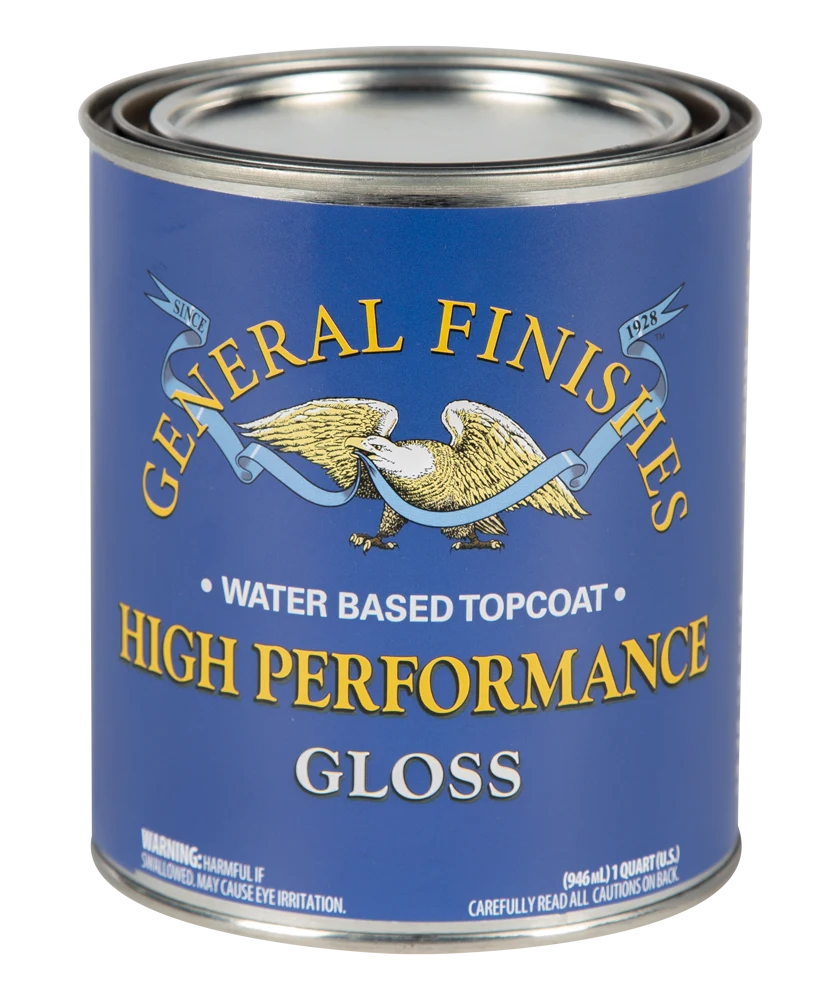
- Coverage
- 125–150 sq ft / quart · 500–600 sq ft / gallon
- Sheens
- Dead Flat, Flat, Satin, Semi-Gloss, Gloss
- Dry / recoat
- Touch 30 min · recoat 2h
- Full cure
- Light use 7–10 days · full cure 21 days
- VOC
- Under 175 g/L (satin, semi-gloss, gloss); under 225 g/L Dead Flat
- Yellowing risk
- None — non-ambering urethane/acrylic blend
- Primer
- Self-sealing; dewaxed shellac only over knots, cedar, or dye stain
- Price tier
- $$$
- Hardest film in the round-up on the manufacturer's own published data: 34.4 mg Taber loss and a Koenig hardness of 59, against 95.6 mg for General Finishes' own oil-modified Enduro-Var II
- Water-white in the can and non-ambering in the film, so it stays honest over hard maple, painted white MDF, and gray-stained oak where every oil-based poly goes gold
- Five sheens from Dead Flat (under 5 gloss units) to Gloss (80+), which is a wider sheen ladder than any home-center water-based poly offers
- Brushes and sprays from the same can: no thinning for a 2-inch synthetic brush, HVLP tip 1.1–1.3 mm straight out of the quart
- $30–$36 a quart is roughly double a quart of Polycrylic, and it is not on a home-center shelf; Woodcraft, Rockler, Amazon, or an independent finish dealer
- Needs 2–3 coats minimum and rewards a fourth on a tabletop; the 26% solids-by-weight satin builds thin per pass
- 21-day full cure means no hot casserole dish and no taped-down felt pads on a new tabletop for three weeks
- Dead Flat and Flat sheens need aggressive stirring every ten minutes or the matting agent settles and the last third of the can dries cloudier than the first
2. Varathane Ultimate Water-Based Polyurethane
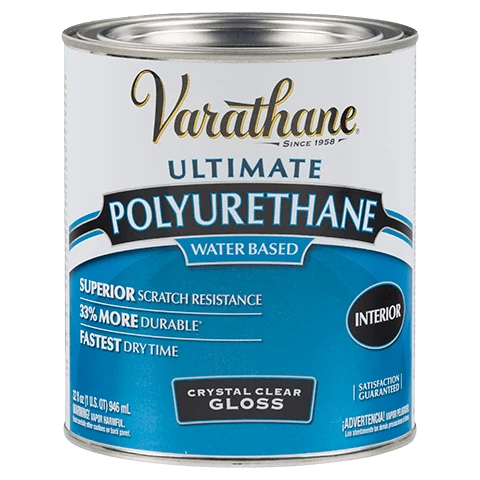
- Coverage
- Roughly 125 sq ft / quart at 3 coats
- Sheens
- Matte, Satin, Semi-Gloss, Gloss
- Dry / recoat
- Touch 30 min · recoat 2h
- Full cure
- Light use 24–48h · full cure 7–14 days
- VOC
- Under 275 g/L (national low-VOC formula)
- Yellowing risk
- Very low; slight cool cast over red oak
- Primer
- Self-sealing on bare wood; sanding sealer optional on softwood
- Price tier
- $$
- Stocked in quarts and gallons at Home Depot, Lowe's, Ace, and Menards, so a mid-project run-out costs you 40 minutes instead of three shipping days
- Two-hour recoat means three coats fit in one Saturday on interior trim
- Self-leveling enough that brush marks flow out on flat panel work; the best home-center flow-out I've brushed in this chemistry
- Roughly $22–$26 a quart and $55–$62 a gallon, the cheapest per-square-foot way to put a real urethane film on a whole house of trim
- Rust-Oleum's own instructions call for three brush coats (four for the aerosol) where General Finishes builds in two, so the price gap narrows once you count coats
- The film reads very slightly cool over red oak; next to an oil-based poly panel the oak looks flatter and grayer
- Satin sheen is not consistent can to can across production lots; buy all your cans at once and box them together
3. Varathane Crystal Clear Waterborne Floor Finish
- Coverage
- Roughly 350–400 sq ft / gal per coat
- Sheens
- Matte, Satin, Semi-Gloss, Gloss
- Dry / recoat
- Touch 1h · recoat 2h
- Full cure
- Light foot traffic 24h · rugs and furniture 7 days
- VOC
- Under 275 g/L
- Yellowing risk
- Very low
- Primer
- None on bare sanded wood; sanding sealer on dye-stained floors
- Price tier
- $$
- Aluminum oxide in the film is the abrasion package the furniture-grade topcoats leave out; this is a floor product, not a trim product sold as one
- Single component, no hardener, no pot life, so a homeowner can coat a room, stop, and coat again the next weekend
- One-day recoat schedule: four coats go down between breakfast and bedtime in a cleared 200 sq ft room
- Sold by the gallon at both big boxes for $55–$70, about half the cost per square foot of a two-component pro finish
- Rust-Oleum specifies a minimum of four coats. People who apply two get a floor that wears through at the kitchen sink inside a year
- Applied with a T-bar or a floor pad, not a brush; the technique has a real learning curve on the first 40 square feet
- No sealer step included, so heavy dye or aniline-stained floors need a separate seal coat or the color drags
4. Bona Traffic HD Satin
- Coverage
- Roughly 350–500 sq ft / gal per coat
- Sheens
- Extra Matte, Matte, Satin, Semi-Gloss, Gloss
- Dry / recoat
- Recoat 2–3h
- Full cure
- Full cure 3 days
- VOC
- Very low; under 150 g/L
- Yellowing risk
- Very low
- Primer
- None required over stained floors
- Price tier
- $$$$
- Two-component crosslinked waterborne with the highest scuff and chemical resistance of anything here; Bona publishes full cure at 3 days, where single-component finishes want 7 to 30
- No sealer needed over a stained floor, which removes an entire coat from a whole-house refinish
- Very low VOC for a finish this hard, so it is the one floor coating I'd run in an occupied house with a dog and a toddler in it
- This is the finish most professional refinishers spec by name; three of the four flooring contractors I called keep it on the truck
- $110–$150 a gallon, and it ships as a three-gallon case in the pro channel, so a one-room job means buying more than you need
- Once the hardener goes in you have a working window measured in hours; there is no resealing the can for next weekend
- Overkill on furniture. On a tabletop the extra hardness buys you nothing you'd notice, and you pay four times the price of Polycrylic for it
5. Minwax Polycrylic Protective Finish
- Coverage
- Roughly 125 sq ft / quart
- Sheens
- Ultra Flat, Matte, Satin, Semi-Gloss, Gloss
- Dry / recoat
- Touch 30 min · recoat 2h
- Full cure
- Light use 24h · full cure roughly 21 days
- VOC
- Under 275 g/L
- Yellowing risk
- None over white paint
- Primer
- Self-sealing; not for floors
- Price tier
- $
- Cheapest real protective clear coat here at $16–$20 a quart, and it is on the shelf at every hardware store in America
- Stays water-clear over white and light paint; the standard answer for sealing a painted dresser without going yellow
- Two-hour recoat and a genuinely low odor, which matters when the project is on the kitchen table in February
- Minwax states plainly that Polycrylic is not recommended for floors; it needs recoating too often in traffic
- Softest film in the round-up. A wet glass left overnight on a fresh tabletop leaves a ring that a harder urethane shrugs off
- Tacks up fast in a warm room, so long brush strokes across a wide panel drag before they level
6. Enduro-Var II Water Based Topcoat
- Coverage
- 125–150 sq ft / quart · 500–600 sq ft / gallon
- Sheens
- Flat, Satin, Semi-Gloss, Gloss
- Dry / recoat
- Touch 30 min · recoat 2h
- Full cure
- Light use 7–10 days · full cure 21 days
- VOC
- Under 250 g/L
- Yellowing risk
- Ambers by design
- Primer
- Bare wood only; not for use over existing finishes
- Price tier
- $$$
- Ambers on purpose. Over walnut, cherry, and old-growth fir it gives the warm depth people actually mean when they say they want an oil finish
- Koenig hardness of 123, the highest number in this field, which is why it takes a crisp 320-grit rub-out between coats
- Sprays beautifully at 200–300 cPs through a 1.1 mm HVLP tip with no reduction
- Taber wear of 95.6 mg loss, nearly triple High Performance, so the hard-but-brittle film scratches more readily than the number suggests
- General Finishes says three coats and no application over an existing finish; it wants bare or freshly stripped wood
- The amber is not optional. Over hard maple or white paint it reads as a yellow cast, and there is no clear version of this product
Zinsser SealCoat Universal Sanding Sealer
Dewaxed shellac is the universal handshake between a problem substrate and a water-based topcoat. It seals pine knots, cedar and redwood extractives, aniline dye, and the tannin in white oak that otherwise bleeds a brown halo up into the first clear coat. It also stops the grain raise that water causes on bare wood: seal, sand the fuzz off at 320 grit, then coat, and the first pass of poly lays down glass-smooth instead of feeling like fine sandpaper. One quart seals a whole kitchen of cabinet doors. The one place to skip it is over a factory-cured finish you are recoating, where an adhesion test matters more than a sealer.
BUY ON AMAZON
Ask a Question