High-Temp Paint for the 500F Class: Specifier's Guide (2026)
High temp paint for the 500F class compared by chemistry, DFT, and substrate prep. Silicone-alkyd, modified silicone, and inorganic zinc systems for stacks, piping, and boilers.

Disclosure: Affiliate links to retailers and manufacturer-direct programs. Recommendations are spec-driven, not commission-driven.
Use Case
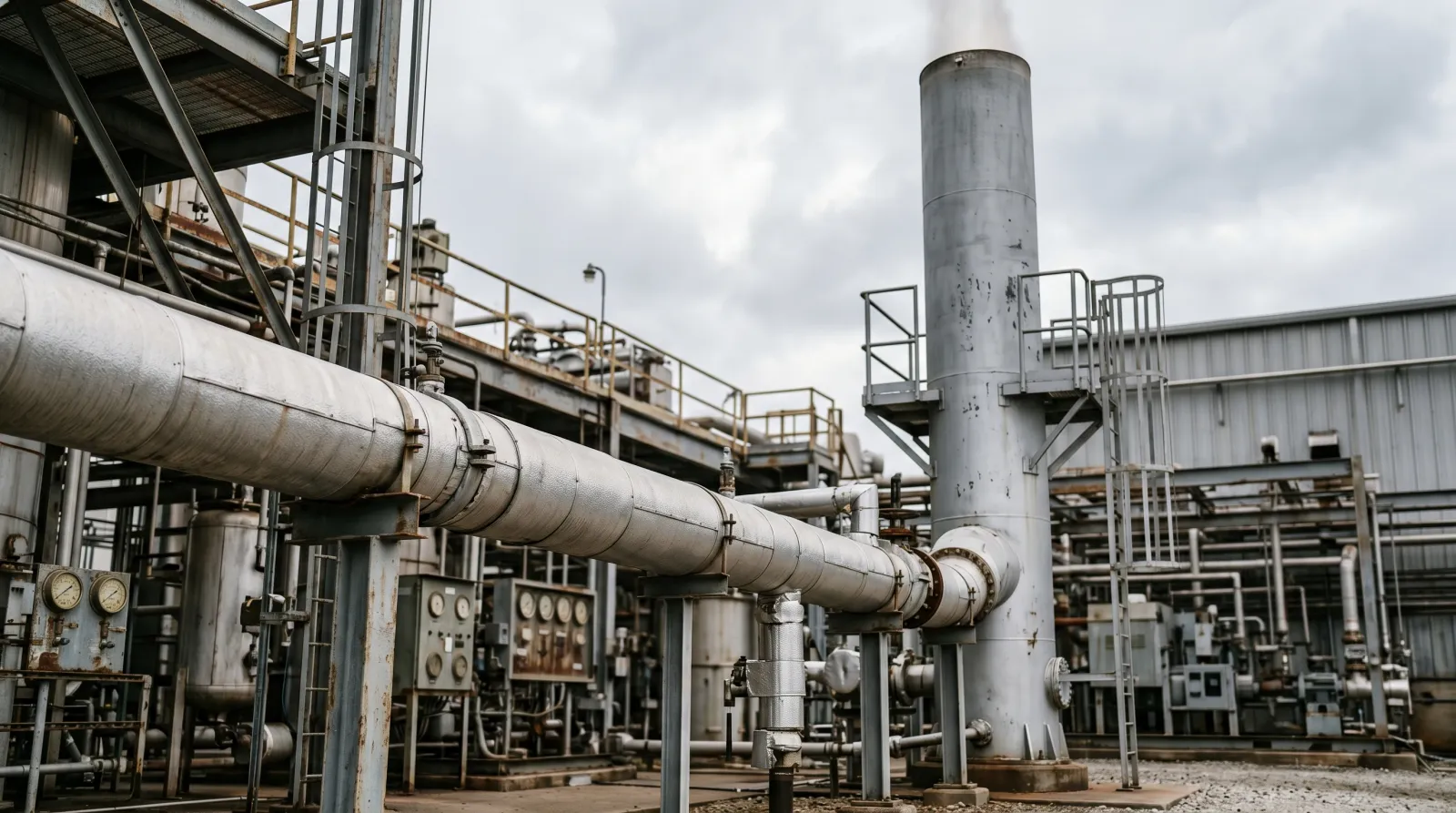
High-temp paint in the 500°F class is the coating that holds color, gloss, and corrosion protection on metal that runs hot and cycles. The asset list is narrow and specific: exhaust stacks and breeching, boiler exteriors and economizers, process piping carrying steam or hot oil, mufflers and manifolds, heat exchangers, oven and dryer shells, flue-gas ductwork, and the warm zones of refinery and food-plant equipment. The substrate is almost always carbon steel, sometimes stainless or cast iron. The exposure is the hard part. A 500°F-class film has to survive thermal cycling from ambient to operating temperature and back, on a schedule the equipment owner controls, for years without disbonding.
The 500°F number is a working class, not a single product spec. Most coatings sold into this band carry a published continuous-service rating somewhere between 400°F and 650°F, with intermittent peaks higher. A silicone-alkyd enamel rated to 500°F continuous will hold up on a stack exterior that idles at 400°F and spikes to 550°F. Push the same film onto a 1,000°F flue and it chars off in a season. The spec writer picks the chemistry to the actual metal temperature, not the headline number on the can.
Service life runs 5 to 10 years on exposed dry steel with a silicone-based system applied over a proper blast. Inorganic zinc and inert-matrix systems on insulated or CUI-prone piping push that to 15 to 20 years. The premature failures in this category trace to three causes: mill scale left on the steel, the wrong chemistry for corrosion under insulation, and a film that never reached its heat-cure temperature in service. Each is preventable in the spec.
Spec Requirements
The spec block, before product names. The numbers shift by manufacturer and chemistry; the categories hold across the class.
| Spec | Value |
|---|---|
| Dry film thickness (DFT) | 2–6 mils total; 1–1.5 mils per coat (silicone-alkyd), 2–3 mils per coat (modified silicone), 4–8 mils (inert matrix over IOZ) |
| Coverage @ spec’d DFT | 250–400 sq ft/gal per coat depending on chemistry and applied mils |
| VOC limit | <340 g/L solvent-borne industrial-maintenance grade; aerosols restricted under SCAQMD Rule 1143 |
| Continuous service temp | 400–650°F (500°F class); intermittent peaks per TDS |
| Standards | ASTM D2485 high-temp evaluation, ASTM D2197 / D3359 adhesion, ASTM B117 salt spray, SSPC-Paint 23 (silicone-alkyd) |
| Substrate prep — exposed dry steel | SSPC-SP6 commercial blast; 1.5–2 mil angular profile |
| Substrate prep — IOZ primer / CUI service | SSPC-SP10 near-white blast; 2–3 mil profile |
| Substrate prep — maintenance touch-up | SSPC-SP3 power-tool clean (small scopes only); remove all oil, grease, and loose scale |
| Ambient at application | 50°F to 100°F; substrate ≥5°F above dew point; relative humidity <85% |
| Recoat window | 30 min to 4 hours between coats (solvent-borne); confirm per TDS |
| Cure to service | Air-dry to handle 1–24 hours; full cure on first heat cycle to ~400°F, or controlled bake per TDS |
Three numbers govern the result: the prep grade relative to the service environment, the DFT held thin enough that the film flexes through thermal cycling, and the heat-cure that converts the silicone binder to its final hardness. Apply a high-heat film too thick and it cracks on the first thermal cycle the way an over-built paint film always does on a moving substrate. Thin and correctly cured is the target.
System Chemistry Compared
Four chemistries cover almost every 500°F-class spec. The choice is driven by the exposure (dry vs CUI), the metal temperature, and whether the asset will ever reach heat-cure temperature in normal service.
| Chemistry | Continuous service temp | Substrate exposure | UV / weather | $/sq ft installed | Best for |
|---|---|---|---|---|---|
| Silicone-alkyd enamel | 400–500°F | 🟡 Dry exposed steel | 🟢 Good color/gloss hold | $1.50–4 | Stack exteriors, boiler shells, mufflers, decorative hot equipment |
| Modified (single-component) silicone | 500–1000°F | 🟢 Dry exposed steel | 🟢 Good | $3–7 | Stacks, breeching, exhaust, high-cycle equipment, self-priming retrofits |
| Inorganic zinc + inert multipolymeric matrix | 250–750°F | 🟢 CUI / insulated / immersion-cycling | 🟢 Excellent | $6–14 | Insulated piping, CUI-prone refinery and offshore steel |
| Thermal-spray aluminum (TSA) | Up to 1000°F+ | 🟢 Severe CUI / cyclic | 🟢 Excellent | $15–30 | Critical CUI assets, long-cycle infrastructure, no-recoat-access piping |
Silicone-alkyd wins on cost for dry exposed steel where color matters. Modified silicone is the workhorse for stacks and exhaust that cycle hard. Inorganic-zinc-plus-inert-matrix is the answer the moment insulation enters the picture, because CUI is where the cheap chemistries fail and the repair bill dwarfs the original coating. TSA is the long-cycle insurance policy on assets nobody wants to scaffold and re-coat every five years.
Recommended Systems
Three systems at different price-performance points. System A is the single-component modified silicone for dry exposed hot steel. System B is the cost-driven silicone-alkyd enamel for stacks and boiler exteriors. System C is the inorganic-zinc-plus-inert-matrix stack for CUI and insulated piping. Verify the continuous-service rating against your actual metal temperature before bid.
System A — Sherwin-Williams Heat-Flex Hi-Temp 1000 (Modified Silicone, Self-Priming)
| Layer | Product | DFT |
|---|---|---|
| Surface prep | SSPC-SP6 commercial blast (SP10 for severe service); 1.5–2 mil profile | — |
| Coat 1 | Heat-Flex Hi-Temp 1000 modified silicone | 1.5–3 mils |
| Coat 2 | Heat-Flex Hi-Temp 1000 modified silicone | 1.5–3 mils |
| Total | 3–6 mils |
Service life 8–12 years on exposed dry steel. Heat-Flex Hi-Temp 1000 is self-priming and rated to 1000°F continuous, which covers the full 500°F class with margin. The first operating cycle to roughly 400°F completes the cure. The thin per-coat build is the discipline here; this film performs when held to spec and cracks when over-applied. Sherwin-Williams Heat-Flex Hi-Temp 1000 product page.
System B — Rust-Oleum High Performance V2100 System (Silicone-Alkyd Enamel)
| Layer | Product | DFT |
|---|---|---|
| Surface prep | SSPC-SP3 power-tool clean (SP6 blast preferred); strip oil and loose scale | — |
| Coat 1 | V2100 System silicone-alkyd high-heat enamel | 1–2 mils |
| Coat 2 | V2100 System silicone-alkyd high-heat enamel | 1–2 mils |
| Total | 2–4 mils |
Service life 5–8 years on dry exposed steel. The V2100 silicone-alkyd is rated to 500°F continuous and holds color and gloss better than most modified silicones on decorative hot equipment. It cures on the first run to operating temperature, with no separate bake required for standard exposures. This is the cost-driven choice for boiler shells, mufflers, and stack exteriors that stay dry and run inside the 500°F band. Rust-Oleum V2100 System High Heat Enamel product page.
System C — PPG Dimetcote 9 + HI-TEMP 1027 (Inorganic Zinc + Inert Matrix, CUI Service)
| Layer | Product | DFT |
|---|---|---|
| Surface prep | SSPC-SP10 near-white blast; 2–3 mil angular profile | — |
| Primer | Dimetcote 9 inorganic zinc silicate | 3–5 mils |
| Topcoat | HI-TEMP 1027 inert multipolymeric matrix | 4–8 mils |
| Total | 7–13 mils |
Service life 15–20 years on insulated and CUI-prone steel. The inorganic zinc primer gives galvanic protection at the steel; the HI-TEMP 1027 inert matrix carries the thermal and chemical resistance through the wet-dry cycling under insulation. This is the system the spec calls for on refinery, petrochemical, and offshore piping running 250–650°F where corrosion under insulation is the real threat, not surface weathering. Carboline Thermaline 4900 is the equivalent competitive line. PPG HI-TEMP 1027 product page.
Systems Compared
| System | Total DFT | $/sq ft installed | Service life | Best for |
|---|---|---|---|---|
| A — Heat-Flex Hi-Temp 1000 | 3–6 mils | $4–8 | 8–12 years | Stacks, exhaust, high-cycle dry steel, self-priming retrofits |
| B — Rust-Oleum V2100 | 2–4 mils | $2–5 | 5–8 years | Boiler shells, mufflers, decorative hot equipment, cost-driven scopes |
| C — Dimetcote 9 + HI-TEMP 1027 | 7–13 mils | $9–16 | 15–20 years | Insulated piping, CUI service, refinery/offshore long-cycle assets |
Pricing assumes a 5,000+ sq ft scope through an industrial coatings contractor with blast prep and containment included. Small maintenance touch-ups and crane-access stack work run 40–100% higher per square foot. Over a 20-year service horizon the inert-matrix CUI system (C) is often the lowest total cost on insulated piping, because the silicone-alkyd alternative needs at least two strip-and-recoat cycles in the same window, each one carrying full scaffold and containment cost a second and third time.
Application and Contractor Path
High-temp paint is not technically hard to spray. The film is thin, the recoat window is forgiving, and a trained painter can apply it from a standard airless rig. What puts this category in contractor territory is everything around the can: abrasive blast to SSPC grade, containment for the blast media, confined-space entry on ductwork and breeching, crane or scaffold access on stacks, and DFT documentation the equipment owner can file.
Small maintenance touch-ups on cooled equipment are within a trained in-house crew’s scope, provided they hit the prep grade and the per-coat DFT and follow the heat-cure schedule. A maintenance painter can re-coat a muffler or a section of exposed boiler shell on a shutdown day without a contractor. Full re-coats route to a coatings contractor with the following:
- SSPC-QP1 certification for industrial coatings field application.
- SSPC-QP2 if the existing coating contains lead or chromate and the scope includes removal.
- A NACE/AMPP CIP Level 2 inspector for DFT and prep verification on any spec’d new-construction or CUI scope.
Three contractor-qualifying questions before signing:
- What blast standard and profile will the crew hold, and how is it verified? SSPC-SP6 with a 1.5–2 mil profile is the baseline; a contractor who blasts to “clean-looking” instead of an SSPC grade with a profile tape reading is guessing.
- How is the heat-cure handled? On a stack that will fire after turnaround, the first operating cycle is the cure. On equipment that runs cooler than the cure temperature, the spec needs a controlled bake. The contractor should know which case applies before the bid.
- Who documents DFT, and against what target? A magnetic pull-off gauge reading per 100 sq ft, logged against the system DFT, is the closeout record. No log, no documented system.
The manufacturer-rep network on all three systems (Sherwin-Williams P&M, Rust-Oleum, PPG PMC) offers a free pre-bid review of the equipment temperatures and exposure. Use it. The rep will flag a CUI exposure that a silicone-alkyd can’t survive before it’s sprayed, not after it fails. That single check is worth more than any discount on the material.
Failure Modes
Five failures cover the bulk of high-heat coating rejections and warranty claims.
- Disbondment over mill scale. Cause: the steel was power-tooled or solvent-wiped instead of blasted, and tight mill scale stayed on the surface. The scale flexes on a different thermal coefficient than the steel and the film lifts on the first cycle. Prevention: SSPC-SP6 blast minimum on any new or full-recoat scope; a profile-tape reading on file.
- Cracking from excess film build. Cause: the painter applied two heavy coats to “get good coverage.” A thick high-heat film cannot flex through the thermal cycle and cracks across the surface. Prevention: hold the per-coat DFT to the TDS (1–1.5 mils for silicone-alkyd, 2–3 for modified silicone); wet-film-gauge during application.
- Corrosion under insulation breakthrough. Cause: a standard silicone-alkyd or modified silicone was specified on insulated piping where the gap traps chloride-laden moisture against hot steel. The dry-service film has no CUI rating and corrodes from the metal out. Prevention: inert-matrix or IOZ-plus-inert-matrix system (System C) on any insulated or CUI-prone asset; TSA on critical no-access piping.
- Soft, chalking film that never cured. Cause: the equipment runs below the coating’s heat-cure temperature, so the silicone binder never reached final hardness. Prevention: confirm the asset reaches cure temperature in service, or specify a controlled bake; for cool-running equipment, a high-heat coating may be the wrong category entirely.
- Premature color shift and gloss loss. Cause: a coating rated near its service ceiling was run hotter than the can allows, or a UV-sensitive grade was used on a south-facing exterior. Prevention: spec the continuous rating with margin above the actual metal temperature; choose a weather-stable grade for exposed exterior color-critical work.
Mill-scale disbondment and CUI breakthrough are the two failures I review most often. Both are prep-and-spec decisions made before the first coat, and both are invisible until the coating is already failing.
Where to Buy / Spec
| Channel | Best for | Path |
|---|---|---|
| Amazon Business | Small touch-up scopes, aerosol stocking, maintenance shelf | Search Rust-Oleum high-heat on Amazon |
| Sherwin-Williams P&M rep | Spec’d stack and exhaust work; Heat-Flex Hi-Temp 1000 | Sherwin-Williams Heat-Flex Hi-Temp 1000 page |
| PPG PMC rep | CUI and insulated-piping spec; Dimetcote 9 + HI-TEMP 1027 | PPG HI-TEMP 1027 page |
| Industrial distributor (Rawlins Paints US, ICA, KTA-Tator) | Mixed-system bids, contractor accounts, bulk pricing | Distributor account with project-specific pricing |
Manufacturer-direct is the recommended channel on any scope above a few hundred square feet of hot steel. The rep review of equipment temperature and exposure is the part of the deal that prevents the expensive failures. Amazon Business and pro retail cover the maintenance shelf and the small touch-up, where the chemistry choice is already settled.
FAQ
Can our maintenance crew apply this without a contractor? On small touch-ups over cooled equipment, yes — if they hit the SSPC prep grade, hold the per-coat DFT, and follow the heat-cure schedule on the data sheet. Full re-coats on stacks, boilers, and process piping route to an SSPC-QP1 contractor, driven by the blast prep, containment, confined-space access, and DFT documentation rather than the difficulty of spraying the coating.
What’s the warranty? Manufacturer product warranties run 1–5 years against defects on high-heat enamels. Installed-system warranties through certified industrial contractors extend to 5–10 years on the modified-silicone and inert-matrix lines, contingent on documented prep and DFT. The installed warranty is the one worth chasing; confirm it covers labor and material under a logged inspection.
Does this comply with California and OTC VOC limits? The bulk professional solvent-borne grades generally ship under 340 g/L and meet SCAQMD Rule 1113. High-heat aerosols fall under SCAQMD Rule 1143 and many consumer cans exceed the limit for sale in California, Maryland, and Northeast OTC states. Verify the product SDS and can label against the state ceiling before bidding.
Does the coating need a specific surface condition before it goes on? Yes. Bare blasted steel to SSPC-SP6 (SP10 for CUI service) with a measured profile is the baseline. The surface must be dry, oil-free, and at least 5°F above the dew point at application. Mill scale and oil are the two most common reasons a high-heat film fails early; neither is removed by solvent wipe alone.
Is high-temp paint the same as the high-heat spray can sold at the hardware store? Same chemistry family, different grade and rating. Consumer high-heat aerosols are silicone-alkyd rated to roughly 1200°F intermittent for grills and stove pipe, applied over hand-prepped steel. The industrial spec calls for blast prep, documented DFT, and a continuous-service rating matched to the metal temperature. A retail aerosol is fine for a barbecue and wrong for a refinery stack.