Benjamin Moore White DovevsBenjamin Moore Chantilly Lace
Why this comparison: Soft white vs clean white — the standard Benjamin Moore walls-and-trim pairing question. White Dove and Chantilly Lace are very close (ΔE 2.63). The difference shows up most in side-by-side comparison and under specific light.

Built from our full reviews of both colors — same measured data, same real-room photos. About the testing process →
The Numbers
Chantilly Lace is slightly lighter (LRV 91 vs 83, 8-point delta).
What Each Color Really Is
Off-white with a softly warm, slightly creamy character — but the yellow is grayed out, and that is the whole trick. Most creamy whites are built on a yellow oxide base that tips butter-yellow the moment afternoon sun hits it. White Dove carries the same warmth, then mutes it with a drop of grey, so the wall reads "calm and finished" instead of "cream." That balancing act is why it has been one of Benjamin Moore's best-selling colors for over two decades and the default answer designers give when a client says "just a nice white, nothing yellow, nothing cold."
At LRV 83 it reflects most of the light that hits it, but it is clearly not a bright white: put it next to Chantilly Lace (LRV 91) and White Dove suddenly shows its body. That gap is the useful part. On a wall it holds just enough color to soften shadows and flatter wood; on trim it reads as classic painted woodwork rather than plastic-bright. It is a white that behaves like a very quiet neutral.
This is as close as Benjamin Moore gets to a white with nothing in it. Most whites are built on a drop of something — yellow oxide for the creams, black or blue for the cool ones — and that drop is what you eventually see on the wall. Chantilly Lace has almost nothing to see. There is a whisper of gray in the mix, just enough to keep it from glaring, and that is the entire recipe. Put it next to Decorator's White OC-149 and you notice Decorator's White is faintly gray-violet; next to Super White OC-152 you notice Super White is faintly blue. Chantilly Lace is the one that just reads white.
At LRV 90 it sits at the top of the Benjamin Moore deck. Simply White OC-117 is a point behind at 91, and in most rooms you would need the two chips touching to tell them apart — the real difference there is direction, not brightness. White Dove OC-17 is the useful comparison: at 85 it is seven points softer, and seven points is the gap between "a painted wall" and "a white wall." That is why White Dove flatters a room and Chantilly Lace reports on it. High LRV also means high honesty — every seam, every roller lap, every patch of bad drywall shows up, so sand and skim more than you think you need to.
Specs Side by Side
| Spec | White Dove | Chantilly Lace |
|---|---|---|
| Brand | Benjamin Moore | Benjamin Moore |
| SKU | OC-17 | 2121-70 |
| Hex | #EFEEE5 | #F4F6F1 |
| RGB | 239, 238, 229 | 244, 246, 241 |
| LRV | 83 | 91 |
| Undertone | yellow / warm | near-white |
| Family | White | White |
How Light Changes Them
The cream glows softly all day without tipping yellow. Whole-house safe.
Cool grey daylight exposes the grey base; the color goes flat. Test first.
Warm at the sun hours, quiet neutral after. It changes — most people love it.
2700K lamps: creamier, cozier. Cool LEDs: dull — swap bulbs, not paint.
Cool gray daylight has nothing to fight, so it wins. Reads gray-blue and flat, worst in winter.
Bright and clean all day. The faint warmth in the mix keeps it from glaring back at you.
2700K bulbs soften it toward ivory at night. 3500–4000K keeps the crisp white you bought.
Its best job. Bounces almost all the light a hallway, powder room, or basement can give it.
Both Colors in Real Rooms
Photos from our full reviews — the same rooms and captions, so you can judge each color where it actually lives, not on a chip.
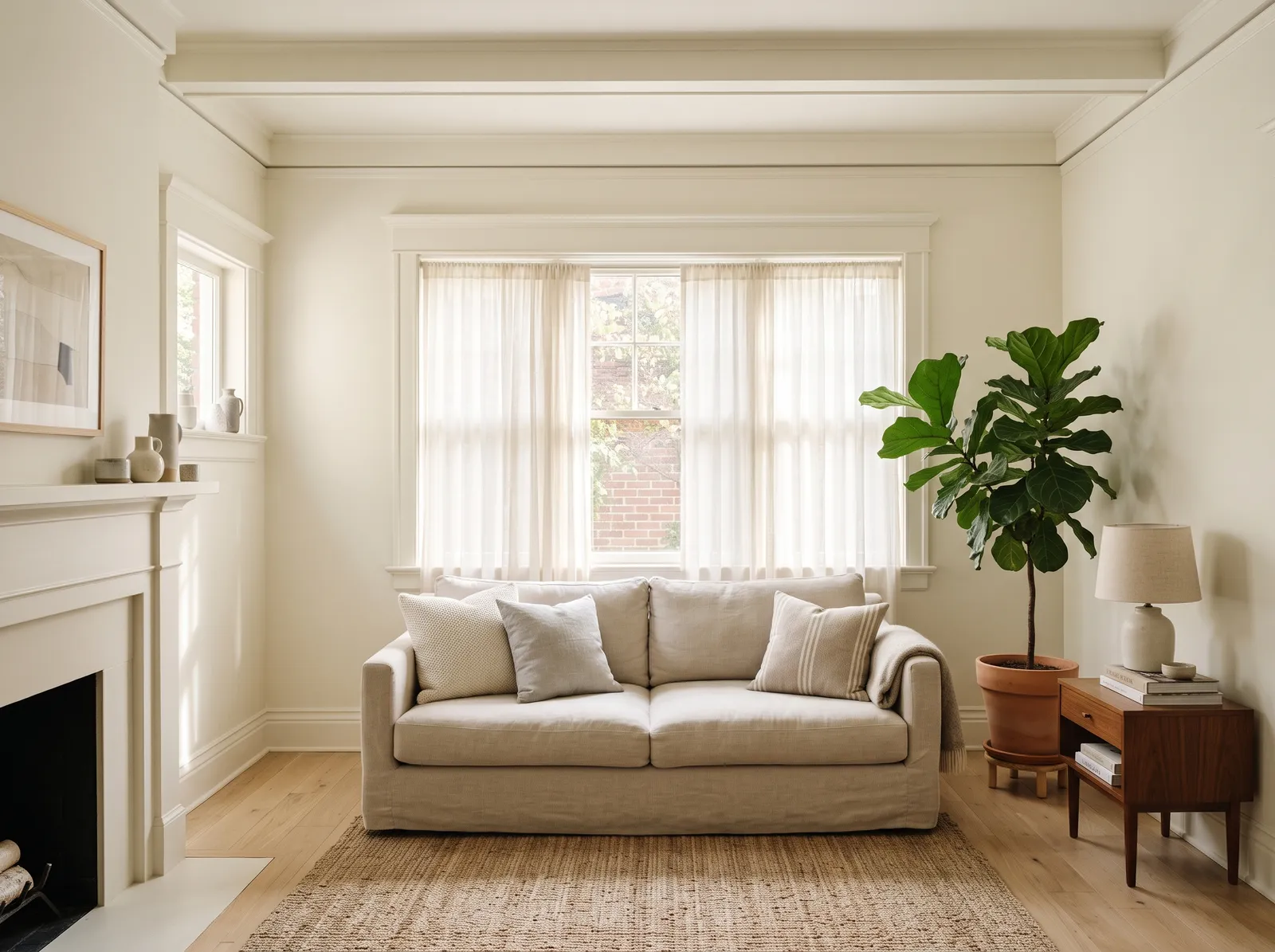
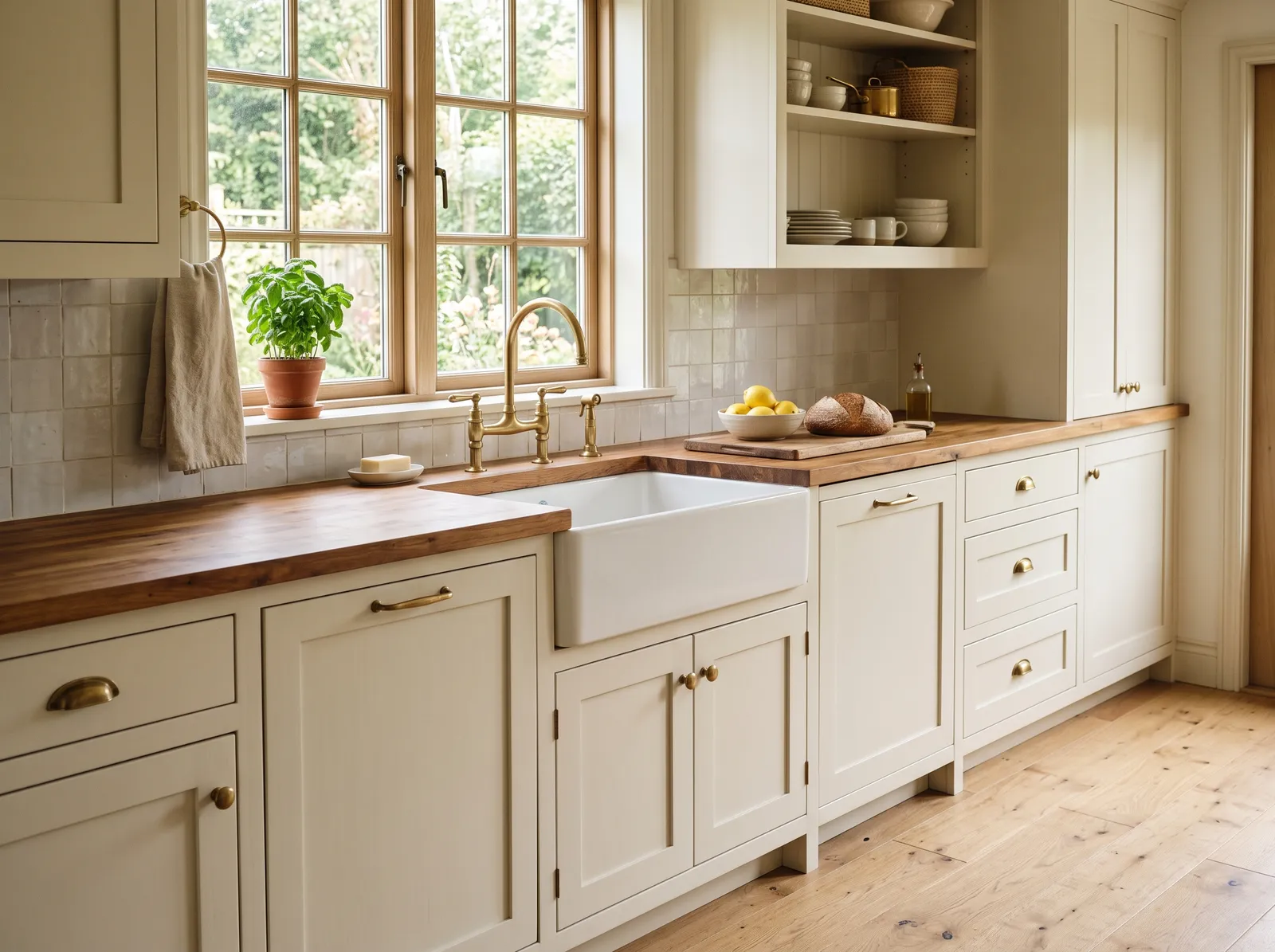
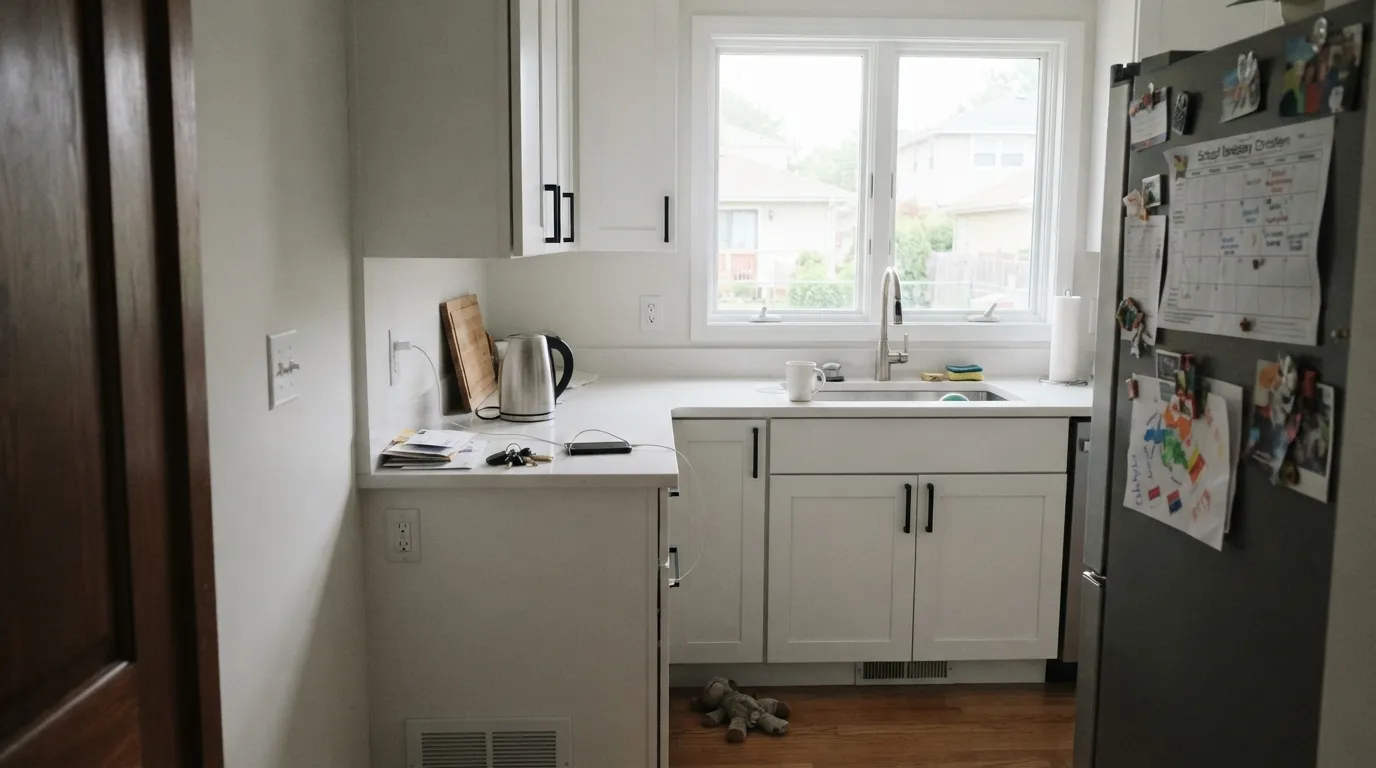
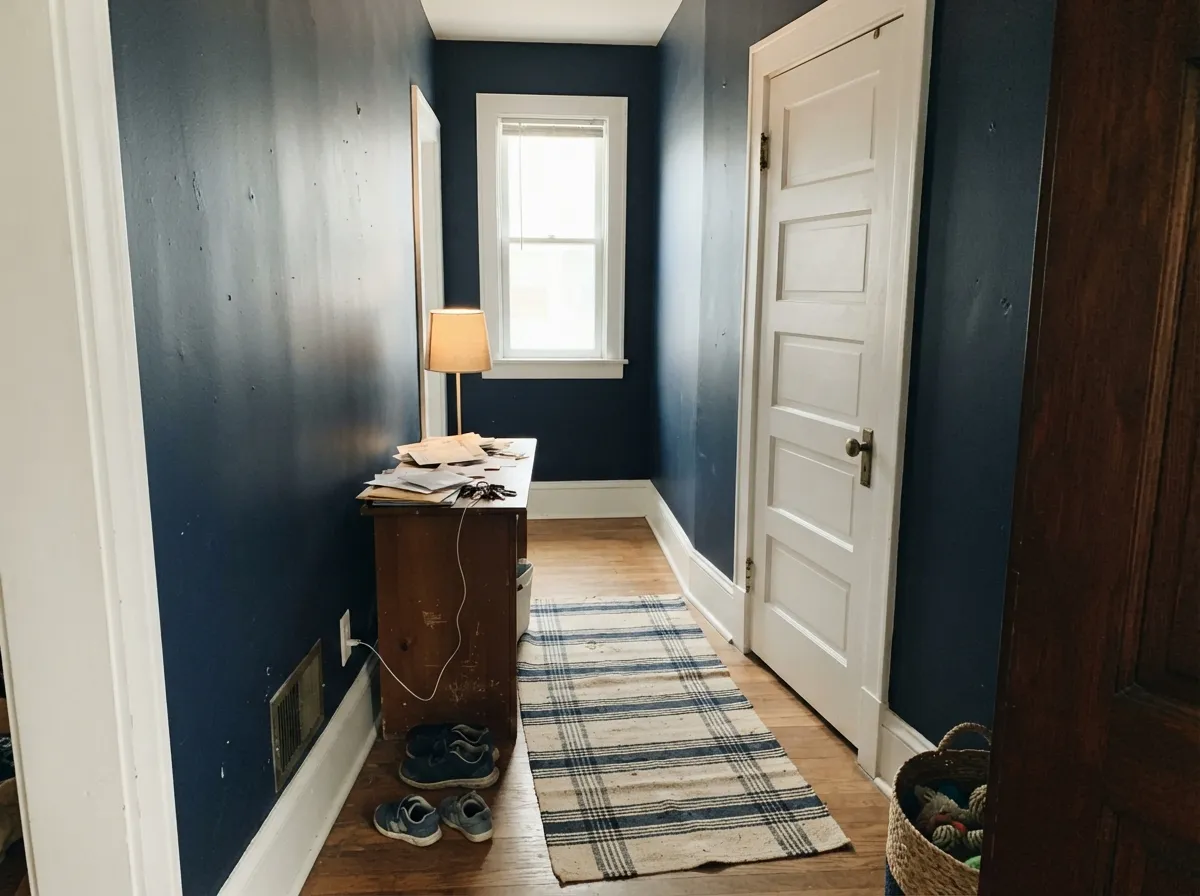
When to Pick Which
Whole-house walls + trim in decent daylight · kitchens with warm wood and brass · cabinets · anyone scared of picking the wrong white
Your room faces north and is dim · your trim stays a brighter white · you want a crisp gallery look · your counters are cool grey marble
Trim, doors, and ceilings in almost any house · modern and high-contrast rooms · white kitchen cabinets next to white quartz · small or windowless rooms that need maximum bounce
Your room is north-facing and dim · you are keeping the old builder-white ceiling · you want cozy, not clean · you are painting over beige and only have time for two coats
No comparison page can see your light. Upload one photo of your room and try both colors on the same walls, seconds apart.
White Dove vs Chantilly Lace FAQ
Which is lighter, White Dove or Chantilly Lace?
Chantilly Lace is lighter: LRV 91 vs 83. Chantilly Lace is slightly lighter (LRV 91 vs 83, 8-point delta).
Which is warmer, White Dove or Chantilly Lace?
White Dove is the warmer of the two (yellow / warm); Chantilly Lace reads near-white.
How similar are White Dove and Chantilly Lace?
White Dove and Chantilly Lace are very close (ΔE 2.63). The difference shows up most in side-by-side comparison and under specific light. The only reliable test is seeing both in your own room and light — a side-by-side on a screen or chip flattens the difference.
Can I use White Dove and Chantilly Lace together in one house?
Not in the same room, and be careful in the same house. At ΔE 2.63 they are so close that two walls in each will read as a tinting mistake, not a design choice. Pick one, or keep them on different floors where they are never seen together.
Ask a Question