Product review · Rust-Oleum · Updated August 7, 2026
Restore 10X Advanced Deck ResurfacerRust-Oleum paint review
6.2/10It buries a gray, splintered deck better than anything else in a bucket — and it lets go in sheets when the prep or the drainage is wrong.
A last-resort coating for a deck that is too far gone for stain. It hides a bad deck. It does not fix one, and prep and drainage decide whether you get two years or seven.

Mark Thompson · Pro Contractor & Field Editor · Updated August 7, 2026
22 years running residential and light commercial repaints across the Midwest. Mark has rolled high-build resurfacers onto twenty-year-old pressure-treated decks and scraped them back off the ones that were coated damp. About the testing process →
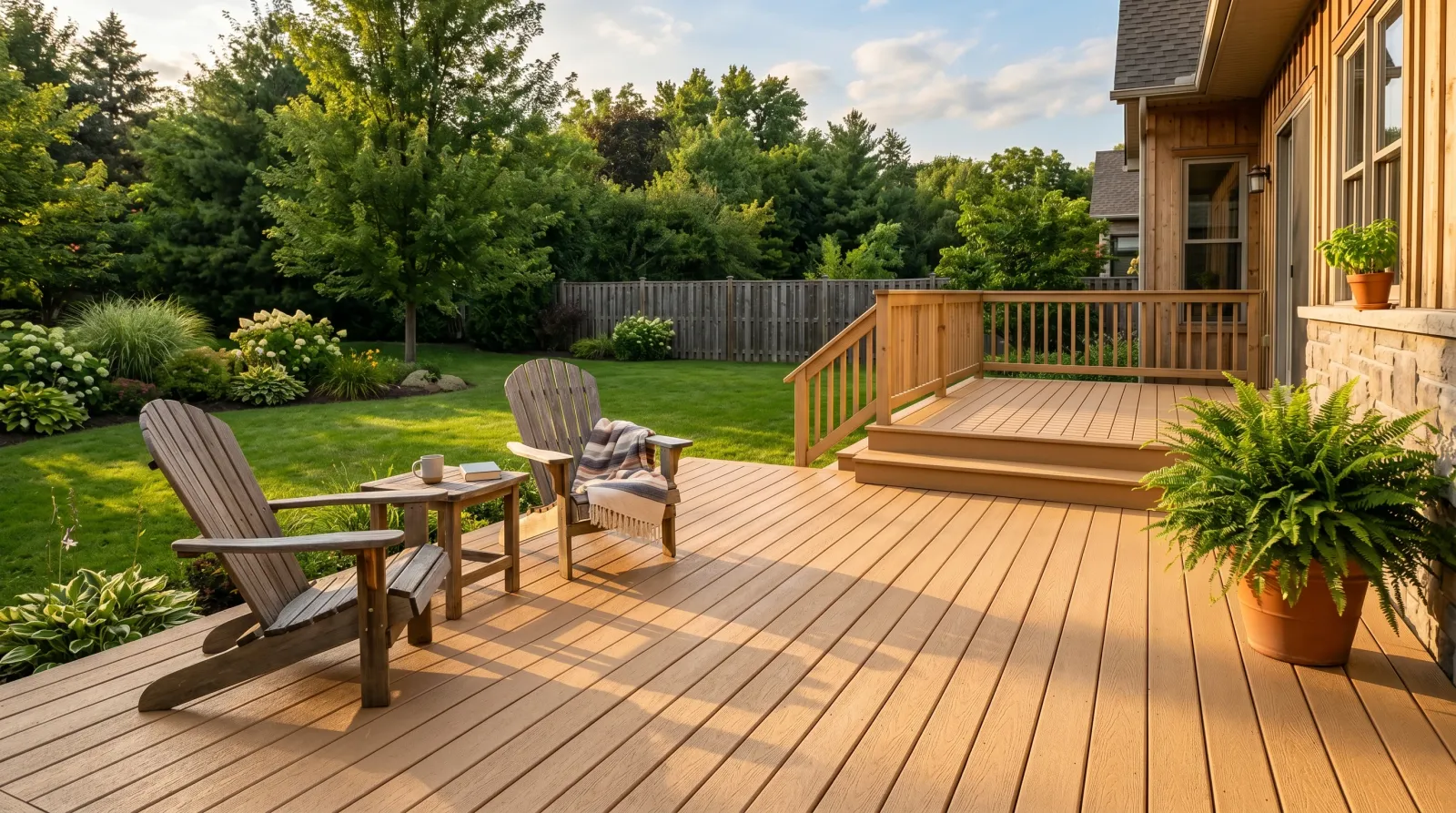
Rust-Oleum Restore 10X Advanced Deck Resurfacer3 sheens
CoverageAbout 40 sq ft per gallon at two coats
Recoat4 to 6 hours
VOCLow-VOC water-based acrylic
Full cureAbout 7 days before furniture and full use
Sheens Flatheavy textured finishnot a sheen product
Read this first
The Fast Verdict
Only buy it for a deck that is cosmetically finished but structurally sound, drains well, and gets sun. There, two thick coats bury the gray and the splinters and buy you a few good summers for the price of a few buckets instead of a few thousand in lumber. On a shaded, slow-draining deck, or one where the boards still take stain, it is not worth it — the film traps moisture and lets go in sheets, and a solid stain would have lasted longer and recoated easier.
Best for
Structurally sound decks past what stain will save · Gray, checked, splintered boards · Full-sun decks that drain · Covered porches · Pitted concrete patios and walkways · Owners not ready to spend on new lumber
Skip if
The boards still take stain · Shaded or slow-draining decks · Any soft or spongy board · You want an easy recoat in a few years · You plan to wash and roll in one afternoon
What it's good at
- Burying a deck that is beyond saving with stain — silver-gray, raised grain, splinters, gone under two coats
- Bridging cracks and checks up to about a quarter inch, which no stain can do
- Real slip resistance; the grit bites underfoot wet or dry
- Low odor and water cleanup for a coating this heavy-bodied
- Working on concrete too, so a wood deck stepping down to a patio takes one product
- Buying a few good years on a deck you are not ready to rebuild, for the price of a few buckets
What it's not good at
- Staying stuck on a damp, shaded, or slow-draining deck; when it goes, it goes in sheets
- Forgiving prep — the film needs clean, etched, dead-dry wood and most people do not deliver it
- Touch-ups, where a patch reads as a patch under the texture
- Recoating later; you scuff and re-roll whole boards to blend, and eventually you are removing it
- Application comfort — heavy, sticky, slow, and it needs the Honeycomb roller
- Anything structural. Soft or spongy boards are a lumber problem, not a coating problem
Same shelf, different cans
Which Restore Are You Actually Buying?
Rust-Oleum has sold several products under the Restore name and they do not all perform the same. The differences matter, because the worst-performing ones are the ones that got sued.
Restore 10X Advanced (this review)
BaseHigh-build water-based acrylic resurfacer, about 10 times paint thickness
SheensFlat, heavy textured, slip-resistant
Recoat4 to 6 hours between the two required coats
Buy it if
The deck is sound but gray, checked, and splintered, and you want a film that fills splits up to about a quarter inch.
Avoid if
The boards still take stain, or the deck sits in shade and holds water.
Original Deck & Concrete Restore / Restore 10X
BaseThe earlier formula named in the 2016 settlement
Buy it if
Nothing. It is discontinued.
Avoid if
You find old stock on a shelf. Leave it there.
Restore 4X Deck Coat
BaseThinner film, closer to a thick stain than a resurfacer
Buy it if
The boards are worn rather than wrecked and you want lighter wear hiding with less film.
Avoid if
You need to bridge quarter-inch checks. It does not build enough.
RockSolid deck and floor coatings
BasePolyurethane and polycuramine films
Buy it if
You want the hardest, most abrasion-resistant film Rust-Oleum makes for a deck or garage floor.
Avoid if
You expected an easier job. The prep is just as demanding and it costs more.
Numbers, not adjectives
Spec Sheet
- Coverage
- About 40 sq ft per gallon at two coats; a 4-gallon bucket covers about 160 sq ft
- Finish
- Flat, heavy textured, slip-resistant; not a gloss product
- Coats
- Two thick coats, always. One coat will fail
- Touch dry
- 2 to 4 hours
- Recoat
- 4 to 6 hours
- Foot traffic
- About 24 hours
- Full cure
- About 7 days before furniture and full use
- VOC
- Low-VOC water-based acrylic, under 100 g/L, low odor
- Tinting
- Must be tinted before use; about 20-plus stock colors
- Application
- Honeycomb roller required; brush the edges
- Surfaces
- Aged wood, most composite, concrete patios and walkways; not vertical siding and not boards in active rot
- Warranty
- As long as you own the home; refund or product replacement only, no labor
- Price
- About $25–35 per gallon equivalent; a 4-gallon bucket runs $110–150
Application Settings That Work
- Brush
- Brush the edges first and mean it — cut ends, board gaps, and the perimeter are where peeling starts. Then roll the field with the Honeycomb roller. Two thick coats, always; one coat will let you down. Recoat at 4 to 6 hours. It is heavy, sticky, slow material, so plan for real arm work rather than a glide-on afternoon.
- Primer
- No primer. The resurfacer is the whole system, which is exactly why the prep carries all the risk. Strip old coatings back to sound material, scrub with a deck cleaner, etch the wood pores open, and wait for the moisture content to drop under about 12 percent. On concrete, clean and etch the same way. The can makes it sound like wash-and-roll. It is not.
Dry Times and the 7-Day Cure
Touch dry runs 2 to 4 hours and the second coat goes on at 4 to 6, so both coats fit in one long day if the weather holds. Light foot traffic comes back at about 24 hours. Full cure is about 7 days, and that is when furniture goes back and the deck takes normal use. Do not rush that week. This is a heavy water-based film and the bottom of it dries last, especially in humidity or shade. Watch the forecast too: rain on a film that is not through cure is how a good prep job still ends in a bad coating.
Mid-project panic
When It Goes Wrong, and How to Fix It
The coating bubbles and peels off in sheets
Why it happens. Moisture under the film. Lay a thick, water-impermeable coating over wood that holds moisture and the moisture pushes it off from underneath. This is the failure that drove the 2016 class action on the original formula, and while 10X Advanced adheres better, the physics did not change.
The fix. Get a cheap pin-type moisture meter and hold the wood under about 12 percent before you roll. Coat a deck that drains and gets sun. A shaded, slow-draining, north-facing deck in a freeze-thaw zone is the worst case, and no coating saves a deck like that — the honest answer there is a solid stain or new lumber.
Peeling starts at the board ends and the gaps
Why it happens. Water finds the cut ends of boards and the spaces between them first. Roll the field and skip the edges and you have left the film's weakest point open on day one.
The fix. Brush the edges in deliberately — cut ends, board gaps, the perimeter, and around every fastener. Do it on both coats. This one step buys more service life than any other choice you make on the deck.
The film wore through in a walking lane inside a season
Why it happens. A thin or uneven application. A standard roller nap cannot carry this much material or push it into the grain, and thin spots are the first to go.
The fix. Use the Honeycomb roller — it is not optional — and lay two thick coats, never one. If a lane has already worn through, scuff and re-roll whole boards rather than dabbing the worn strip, because a patch under this texture reads as a patch.
It let go over an old coating or a soft board
Why it happens. Restore is a coating, not a structural fix and not a bonding primer. Over a peeling old finish it takes the old film with it, and over rot it seals moisture in and the whole skin releases in a season.
The fix. Strip the loose coating back to sound material, scrub with a deck cleaner, and etch the wood pores open before you start. Replace any board that flexes, sounds hollow, or takes a screwdriver. If a board is soft, it comes out before the bucket opens.
Side by side
Restore 10X Advanced vs Solid Stain vs RockSolid
The real question is not which product is better. It is how far gone the deck is, and how much you are willing to do to the boards before you coat them.
| Restore 10X Advanced | Solid color deck stain | RockSolid deck coating | |
|---|---|---|---|
| What it does | Builds a thick textured skin over the boards | Colors and protects the wood, sitting in it rather than on it | Builds a harder polyurethane or polycuramine film |
| Hides gray, checking, splinters | Yes — fills splits up to about a quarter inch | No; it follows the surface it goes on | Partly; less bridging than the resurfacer |
| Prep demand | Highest. Strip, clean, etch, and hold moisture under about 12 percent | Normal deck prep | Just as demanding as Restore |
| Coverage | About 40 sq ft per gallon at two coats | Far more per gallon | Between the two |
| Recoat and touch-up | Ugly. Patches show; you re-roll whole boards | Easiest of the three | Hard, like any film coating |
| Expected service | 2 to 4 years with sun and standing water; 5 to 7 on a covered, well-drained, well-prepped deck | Longer on a deck that is only worn, and far easier to renew | Better abrasion and chemical resistance than the acrylic Restore |
| Price | $25–35 per gallon equivalent; $110–150 per 4-gallon bucket | $35–50 / gal but it goes much further | $50–90 equivalent |
What it does
Restore 10X AdvancedBuilds a thick textured skin over the boards
Solid color deck stainColors and protects the wood, sitting in it rather than on it
RockSolid deck coatingBuilds a harder polyurethane or polycuramine film
Hides gray, checking, splinters
Restore 10X AdvancedYes — fills splits up to about a quarter inch
Solid color deck stainNo; it follows the surface it goes on
RockSolid deck coatingPartly; less bridging than the resurfacer
Prep demand
Restore 10X AdvancedHighest. Strip, clean, etch, and hold moisture under about 12 percent
Solid color deck stainNormal deck prep
RockSolid deck coatingJust as demanding as Restore
Coverage
Restore 10X AdvancedAbout 40 sq ft per gallon at two coats
Solid color deck stainFar more per gallon
RockSolid deck coatingBetween the two
Recoat and touch-up
Restore 10X AdvancedUgly. Patches show; you re-roll whole boards
Solid color deck stainEasiest of the three
RockSolid deck coatingHard, like any film coating
Expected service
Restore 10X Advanced2 to 4 years with sun and standing water; 5 to 7 on a covered, well-drained, well-prepped deck
Solid color deck stainLonger on a deck that is only worn, and far easier to renew
RockSolid deck coatingBetter abrasion and chemical resistance than the acrylic Restore
Price
Restore 10X Advanced$25–35 per gallon equivalent; $110–150 per 4-gallon bucket
Solid color deck stain$35–50 / gal but it goes much further
RockSolid deck coating$50–90 equivalent
If the boards still take stain, use a solid stain. It costs less per square foot, goes on faster, is far easier to recoat in a few years, and it will not peel off in sheets on you. Choose Restore only when the wood is so checked, splintered, and gray that no stain will save the look, the deck drains and gets sun, and you will give the prep a full weekend you do not cut corners on. If you are set on a resurfacer and want the toughest film Rust-Oleum makes, RockSolid costs more for the same prep and holds up better to abrasion. And if more than a few boards are soft, none of the three is your answer.
If not this one
Honest Alternatives
QS
Quality solid-color deck stain$35–50 / gal
Costs less per square foot, goes on faster, and is far easier to recoat in a few years. It will not bridge cracks or hide deep checking the way Restore does, but on a deck that is worn rather than wrecked it is the smarter long-term call.
RO
Rust-Oleum RockSolid deck coatings$50–90 / gal equivalent
Polyurethane and polycuramine films that build harder and tougher than the acrylic Restore. It costs more and the prep is just as demanding, but the cured coating resists abrasion and chemicals better. Worth a look if you are set on a resurfacer.
PT
Pull the boards and start overNew lumber and labor
Not a product, a reality check. If more than a few boards are soft or the framing is suspect, the cheapest coating in the world is money down the hole. Re-decking with new lumber and a good penetrating oil costs more up front and lasts a decade-plus.
Questions people actually ask
Restore 10X Advanced Deck Resurfacer Questions, Answered
Is Rust-Oleum Restore 10X Advanced worth it?
Only on a deck that is cosmetically finished but structurally sound, drains well, and gets sun. There, two thick coats bury the gray and splinters and buy you a few good summers for the price of a few buckets instead of a few thousand in lumber. On a shaded, slow-draining deck, or one where the boards still take stain, it is not worth it — the film traps moisture and lets go in sheets.
How long does Rust-Oleum Restore actually last on a deck?
On a deck with full sun and standing water, expect 2 to 4 years before you see peeling or chipping at the board edges. On a covered porch with good drainage and dead-clean, etched prep, people get 5 to 7. Prep and water exposure decide it far more than the can does. The thick film is the same; the deck underneath is what fails it.
Is Restore 10X Advanced the same product from the class-action lawsuit?
No. The 2016 settlement covered the original Deck & Concrete Restore, Deck Restore, Concrete Restore, and the first Restore 10X. The reformulated 10X Advanced was excluded from that settlement. It performs better, but the failure mode that drove the lawsuit — peeling on poorly drained, poorly prepped decks — has not gone away. The chemistry got better; physics did not change.
Do I need the Honeycomb roller, or can I use a regular roller?
Use the Honeycomb roller. This is a high-build coating laid on at roughly 10 times paint thickness, and a standard nap cannot carry that much material or push it into the wood grain. A regular roller leaves it thin and uneven, and thin spots are the first to peel. The roller is cheap insurance on an expensive bucket.
Can I put Restore over a deck that is already peeling or rotting?
No. Strip the loose coating to sound material and replace any soft, spongy, or rotted boards first. Restore is a coating, not a structural fix. Lay it over rot and you seal moisture in, and the whole skin lets go in a season. If a board flexes or sounds hollow underfoot, it comes out before the bucket opens.
Restore or a solid color deck stain — which should I use?
If the boards are sound and you just want color and protection, a solid stain is the safer long-term bet and it is far easier to recoat later. Choose Restore only when the wood is so checked, splintered, and gray that no stain will save the look and you want a thick film to hide it. It buys you a few good years on a deck you are not ready to rebuild.
How much do I need for my deck?
About 40 sq ft per gallon at two coats, so a 4-gallon bucket covers roughly 160 sq ft. Buy the 4-gallon bucket if your deck is over 100 sq ft, because the per-gallon math beats the singles. Plan for two coats, full stop. One coat will let you down.
How dry does the wood have to be?
Under about 12 percent moisture content before you roll. Get a cheap pin-type meter — it is the single most useful tool on this job. Coat over damp boards and you have sealed water against the underside of the film, and that is how a $400 coating job ends up getting scraped off in 18 months.
Can I use it on concrete as well as wood?
Yes. The same bucket resurfaces a pitted or spalled concrete patio or walkway, which is handy if your wood deck steps down to a concrete pad. Clean and etch the concrete the same way you would prep the wood. It is not for vertical siding, on either substrate.
How do I fix a worn spot later?
You do not dab it. A patch reads as a patch under the texture, and blending means scuffing and re-rolling whole boards. Plan on that when a high-traffic lane or a board edge wears through. Long term you are not maintaining this finish, you are eventually removing it, and that is worth knowing before the first bucket opens.
Keep exploring
Rust-Oleum brand hub and product reviewsBest deck stains, testedSolid stain vs paint for a deckDeck stain opacity guide
We may earn a commission when you buy through the retailer link above. It never changes the score or the verdict.
Ask a Question