Product review · Rust-Oleum · Updated August 7, 2026
Peel CoatRust-Oleum paint review
7.4/10The reversibility is the entire product, and it delivers — as long as you build it thick.
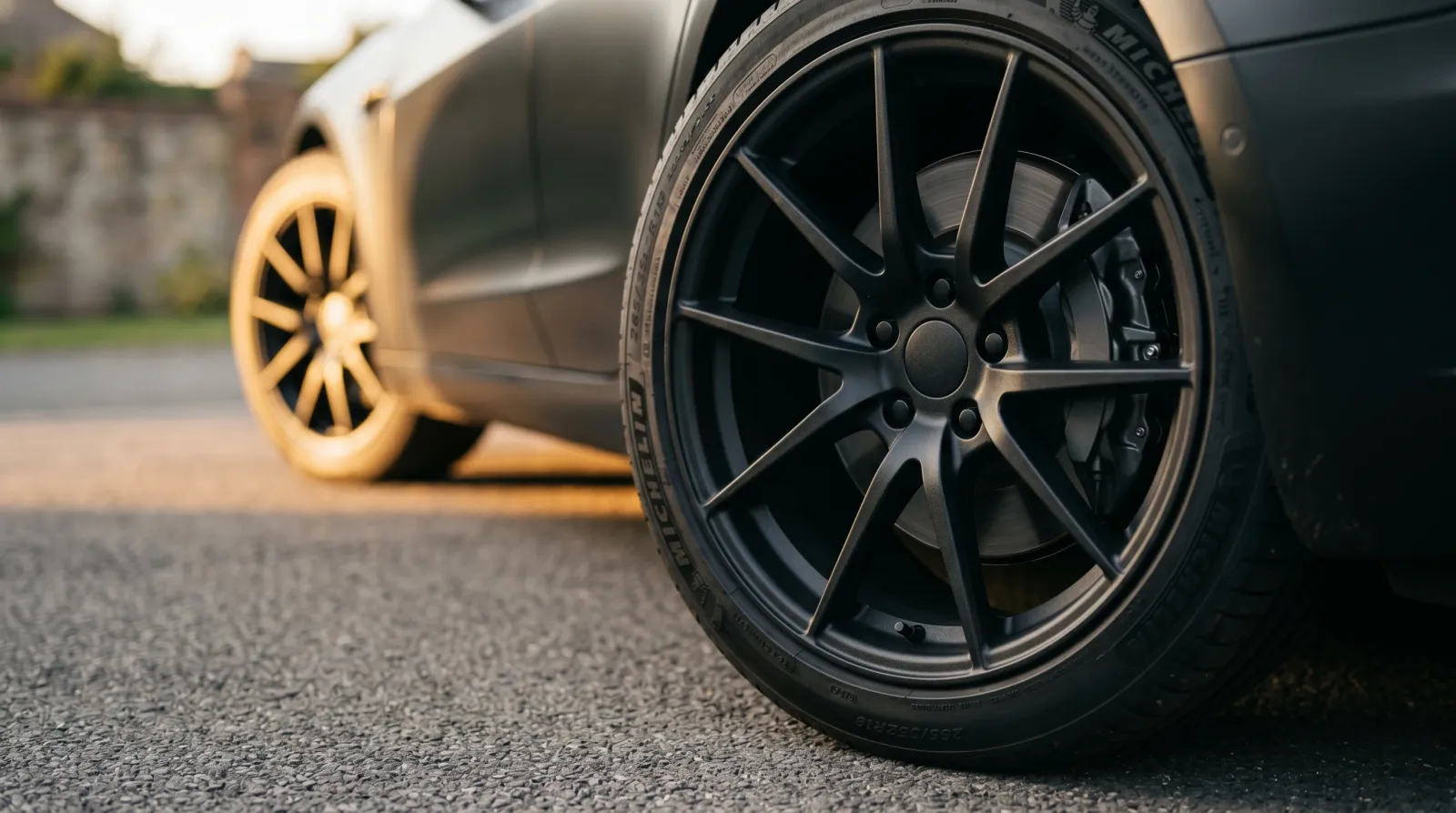
Matte black rims for under $80 in cans against $400 to $600 to powder coat the same wheels, and it peels off in clean sheets when you change your mind. Everything else about it is a trade-off.

Maya Patel · Reviews Editor & Product Tester · Updated August 7, 2026
Maya spent five years running comparative product testing at a consumer testing nonprofit before joining CompositePaint. She coated a test rim matte black, ran it three weeks, and timed how long the peel took — about ten minutes, in clean sheets. About the testing process →
Rust-Oleum Peel Coat6 sheens
CoverageAbout 8 sq ft per 11-oz can per coat
RecoatWithin minutes between light coats
VOCSolvent-borne aerosol
Cure24 hr before any washing
Sheens Matteglossmatte clearplus Rugged Coat textureColor ShiftEffects topcoats
Read this first
The Fast Verdict
Yes if you want to try a look and be able to back out. Matte black rims run under $80 in cans against $400 to $600 to powder coat the same wheels, and a properly built film peels off in sheets with no solvents, no sanding, and no damage to the clear coat. No if you want a finish that lasts: it chalks and lifts within a year outdoors, and a brush car wash will start peeling it for you. Build it thick, hand wash it, remove it within six months.
Best for
Wheel rims · Blacked-out grilles and emblems · Mirror caps and trim · Seasonal accent color · Trying a look before you commit to powder coating
Skip if
You want a permanent rim color · The car sees brush car washes · Metal furniture, railings, or appliances · You will leave it on past six months · You plan to lay it on thin
What it's good at
- Reversible color with no solvents — a properly built film peels off in sheets with no residue and no clear-coat damage
- Skipping primer entirely; it sprays direct to clean metal, plastic, chrome, glass, and aluminum
- Costing under $80 in cans for a set of matte black rims against $400 to $600 to powder coat them
- Fast tack between coats, so all 5 or 6 coats go on in one session
- Blacking out chrome badges and grille surrounds, then coming back to factory chrome when you sell
- Blending re-sprayed thin spots within the same session
What it's not good at
- Coverage math — 8 sq ft a can is one coat and you spray five or six
- Edges, which peel at brush car washes, pressure washers, and curb strikes
- Lasting outdoors; it chalks, dulls, and lifts within a year
- Thin application, which tears into sticky fragments instead of peeling
- Household metal — furniture, railings, and appliances end as a peeling mess
- Spot repairs on a coat that is already days old, which leave a visible seam
Same shelf, different cans
Which Peel Coat Are You Buying?
Rust-Oleum sells several products under the Peel Coat name plus a few adjacent peelable sprays, and they behave differently. This review covers the standard removable rubber coating.
Peel Coat Removable Rubber Coating (this review)
BasePeelable rubber aerosol, 11 oz
SheensMatte black, matte colors, gloss, matte clear
Buy it if
You want reversible color on rims, trim, or emblems and you will build 5 to 6 coats.
Avoid if
You want a permanent finish or the car goes through brush washes.
Peel Coat Rugged Coat
BaseTextured peelable film
SheensTexture finish
Buy it if
The surface takes heavier wear and you want a tougher, textured film.
Avoid if
You want the flat, smooth matte look of the standard coating.
Peel Coat Effects / Color Shift
BaseTopcoat only — almost no hide on its own
Buy it if
You already sprayed Peel Coat Black and want a chameleon color over it.
Avoid if
You expected a standalone color. Without the black base it will not read right.
Peel Coat Peelable Primer
BaseBase coat for adhesion under the Effects line
Buy it if
You are running the Effects system and need the base underneath.
Avoid if
You are spraying the standard coating, which needs no primer at all.
Rust-Oleum Vinyl Wrap
BaseHigher-gloss peelable wrap-style aerosol
SheensGloss
Buy it if
You want the removable-color benefit with a shinier, tougher, more wrap-like finish.
Avoid if
You specifically want the flat rubbery matte texture, or the lower per-can price.
Numbers, not adjectives
Spec Sheet
- Coverage
- About 8 sq ft per 11-oz can per coat — and you spray 5–6 coats
- Finishes
- Matte black, matte colors, gloss, matte clear; Rugged Coat texture; Effects and Color Shift topcoats
- Dry
- Touch 20 min · handle 1 hr
- Recoat
- Within minutes between light coats
- Cure
- 24 hr before any washing
- VOC
- Solvent-borne aerosol; no low-VOC certification
- Primer
- None for the standard coating; sprays direct to a clean substrate
- Surfaces
- Metal, plastic, chrome, glass, aluminum
- Application temp
- 50–90°F, out of direct sun
- Removal
- Recommended within 6 months
- Sizes
- 11-oz aerosol, single cans and 6-packs
- Price
- $9–16 per can; 4–6 cans for a set of four rims
Application Settings That Work
- Primer
- None for the standard coating — it sprays direct to clean metal, plastic, chrome, glass, and aluminum. Degrease first and mask the tire. The exception is the Effects and Color Shift line: those are topcoats with almost no hide, and they need Peel Coat Black or the Peelable Primer underneath to read right.
Dry, Cure, and the Six-Month Clock
The dry schedule is fast on purpose. Touch dry at 20 minutes, recoat-ready in minutes between light passes, handle at an hour. That is why all 5 or 6 coats fit in one session instead of stretching across a weekend. The number people ignore is 24 hours: that is how long it needs before any water touches it. Wash it the same evening and you start a peel at an edge. The other clock is longer. Rust-Oleum recommends removing it within about six months, before sun and heat bond the film down and turn a clean peel into a scraping job. Outdoors it chalks and lifts within a year anyway, so the six-month window is not a suggestion, it is the product working as designed. Spray in the shade at 50 to 90°F — hot direct sun during application is one of the three reasons a job peels early.
Mid-project panic
When It Goes Wrong, and How to Fix It
It tore into confetti instead of peeling in sheets
Why it happens. The film was built too thin. The peel only works as a continuous film, and a thin job has nothing holding it together when you pull.
The fix. Lay 5 to 6 even coats, every time. If it is already torn, a plastic razor blade and patience is the only way out. Rebuild the next one thicker — the extra can is cheaper than the scraping.
The edges started peeling at the car wash
Why it happens. Every place the film terminates over a hard edge — a rim lip, a badge border, a curb-strike point — is a failure point. Brush washes grab exactly those edges and a pressure washer held close starts a peel in seconds.
The fix. Hand wash or use a touchless wash after the 24-hour cure. Keep a pressure-washer nozzle at least a foot back and never aim straight at a coated edge. Re-spray a lifted edge inside the same session and it blends.
It peeled on its own within days
Why it happens. Three usual causes: too few coats, spraying over wax or a dirty rim, or hot direct sun during application.
The fix. Degrease the surface first, lay 5 to 6 even coats in the shade at 50 to 90°F, and give it a full 24 hours before any water touches it. Wax under the film means it never bonded in the first place.
You ran out of cans on rim three of four
Why it happens. The 8 sq ft per can figure is true for a single pass and you spray five or six, so real finished coverage per can is a fraction of the label number. Most first-timers underbuy.
The fix. Plan 4 to 6 cans for a set of four standard rims, more for large or intricate spokes, and buy one extra over what the math says. The 6-pack is usually cheaper per can anyway.
The touch-up left a visible seam
Why it happens. Re-spraying over thin spots blends fine within the same session. Spot-fixing a coat that is days old lands on a set film at a different thickness and it shows.
The fix. Fix thin spots before you walk away from the job. If the coat is already days old, peel and redo the panel or the whole rim rather than patching it.
Side by side
Peel Coat vs Rust-Oleum Vinyl Wrap vs Stops Rust Enamel
Two peelable coatings and one permanent one. The question is really how sure you are about the color.
| Peel Coat | Rust-Oleum Vinyl Wrap | Stops Rust Enamel | |
|---|---|---|---|
| Removable | Yes, in sheets, if built 5–6 coats thick. | Yes, still peelable. | No. That is the point of it. |
| Finish | Flat, rubbery matte; also gloss and matte clear. | Higher gloss, more wrap-like. | Enamel gloss or satin, clear-coatable. |
| Durability outdoors | Chalks, dulls, and lifts within a year. | Holds an edge and a shine better, still automotive-temporary. | Bonds and survives weather and car washes. |
| Car wash | Hand and touchless only after 24 hr. | Better at edges, still not a brush-wash finish. | Fine, including brush washes. |
| Price per can | $9–16 | $14–20 | $7–12 |
| Where it wins | Trying a look for a season and backing out clean. | Removable color when you want gloss instead of flat rubber. | Once you have decided and want it to stay. |
Removable
Peel CoatYes, in sheets, if built 5–6 coats thick.
Rust-Oleum Vinyl WrapYes, still peelable.
Stops Rust EnamelNo. That is the point of it.
Finish
Peel CoatFlat, rubbery matte; also gloss and matte clear.
Rust-Oleum Vinyl WrapHigher gloss, more wrap-like.
Stops Rust EnamelEnamel gloss or satin, clear-coatable.
Durability outdoors
Peel CoatChalks, dulls, and lifts within a year.
Rust-Oleum Vinyl WrapHolds an edge and a shine better, still automotive-temporary.
Stops Rust EnamelBonds and survives weather and car washes.
Car wash
Peel CoatHand and touchless only after 24 hr.
Rust-Oleum Vinyl WrapBetter at edges, still not a brush-wash finish.
Stops Rust EnamelFine, including brush washes.
Where it wins
Peel CoatTrying a look for a season and backing out clean.
Rust-Oleum Vinyl WrapRemovable color when you want gloss instead of flat rubber.
Stops Rust EnamelOnce you have decided and want it to stay.
Not sure about the look, or planning to sell the car with factory chrome showing: Peel Coat, built thick, removed inside six months. Want the same reversibility with a shinier, tougher film that holds an edge better: Vinyl Wrap, for a few dollars more a can. Decided on the color and tired of babysitting edges: a Stops Rust enamel with a clear topcoat costs less per can, bonds to clean metal, and survives the car wash. The temporary phase is what Peel Coat is for — when it ends, so should the coating.
If not this one
Honest Alternatives
GP
Generic plastic-dip aerosols$6–10 per can
House-brand peelable rubber sprays at auto-parts stores undercut Peel Coat by a few dollars and behave similarly. They tend to atomize coarser and run thinner per coat, so you will use more cans. Worth it only if the per-can savings offset the extra cans you burn.
RO
Rust-Oleum Vinyl Wrap$14–20 per can
Rust-Oleum's own step-up peelable line. Higher gloss, a tougher film, and a more wrap-like look than the matte Peel Coat. Still peelable, still automotive-temporary, but it holds an edge and a shine better. The pick when you want removable color without the flat, rubbery texture.
RO
Rust-Oleum Stops Rust enamel$7–12 per can
Not peelable, and that is the point. Once you have settled on the color, a Stops Rust enamel with a clear topcoat bonds to clean metal and survives car washes and weather. Use it when the temporary phase is over and you are committing.
Full review →Questions people actually ask
Peel Coat Questions, Answered
Is Rust-Oleum Peel Coat worth it?
As a reversible color change on rims, emblems, or trim, yes. A set of matte black wheels runs under $80 in cans against $400 to $600 to powder coat the same wheels, and when you are done it peels off in sheets with no solvents or sanding. It is not worth it as a finish: it chalks and lifts within a year outdoors, brush car washes and pressure washers start peels at every edge, and you spray 5 to 6 coats, so the 8 sq ft per can figure buys far less finished area than it sounds like.
Is Rust-Oleum Peel Coat actually removable?
Yes, if you build it thick enough. The peel only works as a continuous film, so you need 5 to 6 coats. Thin jobs tear into confetti and you end up scrubbing with a plastic razor. Rust-Oleum recommends removing it within 6 months, before sun and heat bond it down.
How many cans do I need to do four wheels?
Plan on 4 to 6 cans of 11 oz for a full set of four standard rims, more for large or intricate spokes. Each can covers about 8 square feet per coat, and you are laying 5 to 6 coats, so real-world coverage per can is small. Buy one extra can over what the math suggests.
How many coats does Peel Coat need?
Five to six even coats. That is not a durability recommendation, it is what makes the film continuous enough to peel later. Under-build it and you throw away the only reason to buy the product. Light passes with a few minutes between them, all in one session.
Does Peel Coat hold up to a car wash?
Hand washing and touchless washes are fine after the 24-hour cure. Brush-style automatic washes and pressure washers held close will lift edges and start peels. Keep a pressure-washer nozzle at least a foot back and avoid aiming straight at a coated edge.
Can I use Peel Coat on house trim or furniture?
It will spray onto household metal and plastic, but it is built for automotive use and a removable rubber film, not a durable finish. For metal furniture or railings you want a permanent enamel like Rust-Oleum Stops Rust, not a peelable coating that chalks and lifts within a year outdoors.
Why is my Peel Coat peeling on its own too early?
Three usual causes: too few coats, spraying over wax or a dirty rim, or hot direct sun during application. Degrease first, lay 5 to 6 even coats in the shade at 50 to 90°F, and let it cure a full 24 hours before any water touches it.
Do I need a primer under Peel Coat?
Not for the standard coating. It sprays direct to clean metal, plastic, chrome, glass, and aluminum — degrease and mask the tire, then shoot it. The Effects and Color Shift topcoats are the exception: they have almost no hide alone and need Peel Coat Black or the Peelable Primer underneath.
How long can I leave Peel Coat on?
Rust-Oleum recommends removing it within about six months. Past that, sun and heat bond the film down and the clean peel turns into a scraping job. Outdoors it chalks and lifts within a year regardless, so treat it as a seasonal finish, not a paint job.
Keep exploring
Rust-Oleum brand guide and product reviewsBest spray paint for plasticBest durable enamel for metal surfacesWhen to spray instead of brush
We may earn a commission when you buy through the retailer link above. It never changes the score or the verdict.
Ask a Question