Product review · Magnolia Home · Updated August 7, 2026
Premium ExteriorMagnolia Home paint review
7.4/10Buy it for the color. On a generic white you are paying a palette premium for chemistry you can get cheaper under a Behr label.
KILZ builds it, Masco owns the lab, and the stain-blocking primer does real work on cedar. Everything else you are buying is the 150-color deck — and on a generic white you are paying $10 to $15 a gallon for the label.

Mark Thompson · Pro Contractor & Field Editor · Updated August 7, 2026
22 years running residential repaints across the Midwest. Mark has hung off enough ladders in August to know which exterior claims survive a south wall and which ones are printed for the shelf. About the testing process →
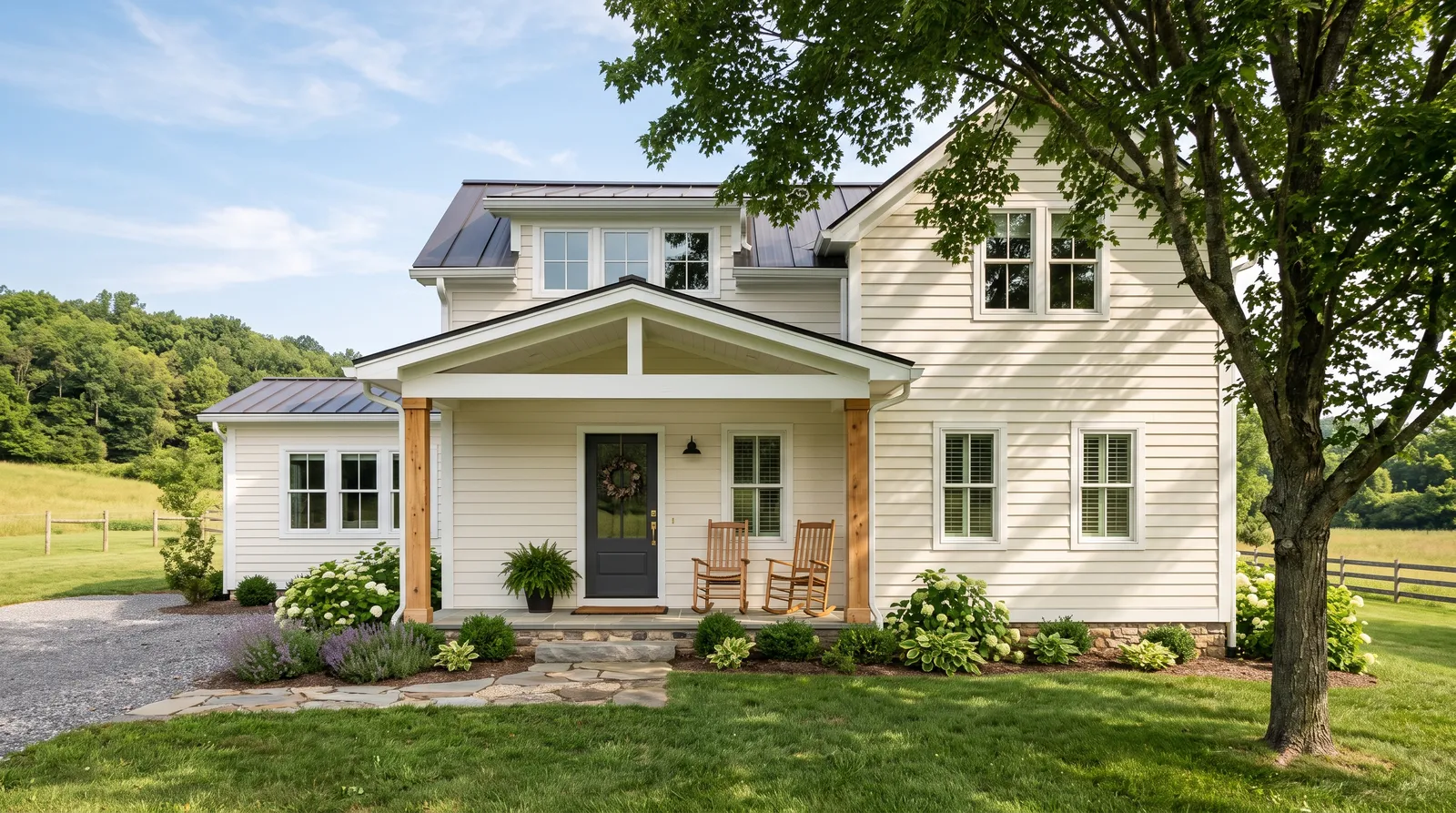
Magnolia Home Premium Exterior3 sheens
Coverage250–400 sq ft / gal
Recoat4 hr
VOCLow-VOC, low-odor base
Full cureAbout 30 days
Sheens FlatSatinSemi-Gloss
Read this first
The Fast Verdict
Buy it if a specific Magnolia color is what you want on the house, your stocking Ace is close, the siding is sound, and you will do two honest coats. The stain-blocking primer is the best engineering in the can — on cedar, redwood, or old water stains it locks the bleed instead of letting it ghost through by August. Fade resistance beats the $30 big-box exteriors. Skip it if the color is generic. Same Masco chemistry sells for $10 to $15 less a gallon.
Best for
Sound wood, fiber cement, and previously painted siding · Cedar and redwood with tannin bleed · A specific Magnolia off-white or greige · Older siding where flat hides repairs · Homeowners near a stocking Ace
Skip if
The color is generic · A brutal year-round south sun wall · Deep saturated exterior colors · Chalky or peeling siding you will not prep · Your nearest stocking Ace is a long drive
What it's good at
- Locking tannin bleed on cedar and redwood so it does not ghost through by August
- Colors edited by someone with an eye — a Magnolia off-white stays warm on lap siding instead of going dingy
- Fade resistance above the budget tier on a partly shaded wall
- Flat sheen that swallows a patched, sanded, spot-primed wall and reads even
- Resisting peeling, cracking, and blistering when the prep is done right
- A mildew-resistant dry film on a shaded elevation
What it's not good at
- Value on a generic color — the same Masco chemistry costs $10 to $15 less under a Behr label
- One-coat coverage. Two coats, exterior, always
- Chalk resistance on a baked south wall over years of direct UV
- Deep saturated colors, which the deck does not carry and which fade fastest anyway
- Availability — not every Ace stocks the exterior line, and the tints are proprietary
- Gripping chalky or peeling siding you did not prep
Numbers, not adjectives
Spec Sheet
- Coverage
- 250–400 sq ft / gal
- Sheens
- Flat, Satin, Semi-Gloss
- Colors
- 150 curated Magnolia shades, proprietary tints
- Touch dry
- 2 hr
- Recoat
- 4 hr
- Full cure
- About 30 days
- Application temp
- 50F and above; no rain or frost within 24 hr
- VOC
- Low-VOC, low-odor base; tint adds VOC
- Primer
- Stain-blocking paint and primer in one; spot-prime bare tannin wood and chalky masonry
- Surfaces
- Wood, fiber cement, vinyl, stucco, brick, masonry, previously painted exterior, trim
- Sizes
- Quart, gallon
- Price
- $40–50 / gal at Ace Hardware
Application Settings That Work
- Brush
- Brushes and rolls clean with decent open time and low spatter. Work course to course, full length, and keep a wet edge. Chase the shade — a hot wall lap-marks before you can feather the edge.
- Airless
- Spray it if the house is big, then back-roll everything you spray. Back-rolling keys the film into the siding instead of leaving it bridged over the grain, and it is the difference between eight years and three.
- Primer
- The stain block in the can is real, but spot-prime bare tannin woods like cedar and redwood, heavy water stains, and chalky or uncoated masonry before the first coat. Scrape and wash chalk off first; nothing bonds to powder.
Dry Times and the Weather Window
Touch dry in 2 hours, recoat at 4, full cure about 30 days. The number that decides your weekend is not those — it is the weather. Apply at 50F and above, surface and air, with no rain or frost in the next 24 hours. Hot coat a wall in direct sun and it flashes and lap-marks before you can feather the edge, so chase the shade around the house: east side in the afternoon, west side in the morning. Two coats at full mil thickness, exterior, every time. Back-roll anything you spray so the film keys into the siding instead of sitting on it. And do not start a gable at 4 p.m. in October — a coat that goes cold and damp overnight never hardens the way it should.
Mid-project panic
When It Goes Wrong, and How to Fix It
Lap marks and flashing on a sunny wall
Why it happens. You hot-coated it. Paint laid on a wall in direct sun sets before you can feather the edge, so every stop and restart shows as a lap line the second the light moves across it.
The fix. Chase the shade around the house instead of working the plan you drew in your head. Keep a wet edge, work siding course to course full length, and do not stop mid-run. If the wall is already too hot to touch, come back to it.
Fresh paint peeling off in two summers
Why it happens. Prep, not paint. The stain-blocking primer is good, but it cannot grip what is already letting go. Chalky siding is powder — a new coat keys into dust and takes the dust with it when it lets go.
The fix. Scrape, wash off the chalk, spot-prime bare wood, and back-roll anything you spray. Do it once and this paint holds. Skip it and you will be scraping your own fresh coat off before the third season.
Brown stains ghosting through the topcoat by August
Why it happens. Tannin bleed. Cedar and redwood push tannin through a topcoat, and old water stains do the same. The paint-and-primer side does real work here, which is why this is one of the few honest primer-in-one claims — but bare tannin wood is still a spot-prime job.
The fix. Spot-prime bare cedar, redwood, and any heavy water staining before the first full coat. Then two coats at full mil thickness. The first coat locks the bleed; a thin single coat lets it walk right back through.
Thin, uneven coverage on the second gable
Why it happens. The can sells a one-coat fairy tale. The primer side is for adhesion and stain block, not hide, and one coat under a sales pitch means one coat under perfect conditions. Your gable in afternoon sun is not perfect conditions.
The fix. Budget the gallons for two passes at 250 to 400 square feet each and put both of them on. Buy the paint for the whole house at once so the tint batch matches.
A chalky south wall a few years in
Why it happens. Physics, not a defect. Years of direct UV chalk any acrylic, and the hardest-hit faces go first. This film holds fade better than the budget lines, but it is not the top-shelf exterior.
The fix. Wash the chalk off before any recoat or the new coat keys into powder. Expect the south face to need a wash and recoat before the shaded north face does, and plan the maintenance by exposure rather than by the whole house at once.
Side by side
Magnolia Premium Exterior vs Behr Premium Plus Exterior vs Benjamin Moore Aura Exterior
Two of these come out of the same corporate lab. The third is the one you buy when the wall is punishing and the color has to hold. Price sorts them, and so does what you actually want.
| Magnolia Premium Exterior | Behr Premium Plus Exterior | Benjamin Moore Aura Exterior | |
|---|---|---|---|
| Price per gallon | $40–50 | $32–40 | $85–95 |
| Who makes it | KILZ, under Masco | Behr, under Masco | Benjamin Moore |
| Color deck | 150 curated Magnolia shades, proprietary tints | Huge; can get close to a Magnolia hue, not identical | Wide, with real depth in saturated colors |
| Stain blocking on cedar | Genuine — locks tannin bleed on the first coat | Comparable family chemistry | Strong, and the film holds longer over it |
| Fade and chalk at year five | Above the budget tier; chalks on a baked south wall | Similar mid-tier behavior | Best chalk resistance of the three |
| Where you buy it | Ace, and not every store stocks it | Any Home Depot | Benjamin Moore dealers |
| Buy it when | The Magnolia color is the point | The color is generic and budget leads | It is a forever house on a punishing sun wall |
Price per gallon
Magnolia Premium Exterior$40–50
Who makes it
Magnolia Premium ExteriorKILZ, under Masco
Behr Premium Plus ExteriorBehr, under Masco
Benjamin Moore Aura ExteriorBenjamin Moore
Color deck
Magnolia Premium Exterior150 curated Magnolia shades, proprietary tints
Behr Premium Plus ExteriorHuge; can get close to a Magnolia hue, not identical
Benjamin Moore Aura ExteriorWide, with real depth in saturated colors
Stain blocking on cedar
Magnolia Premium ExteriorGenuine — locks tannin bleed on the first coat
Behr Premium Plus ExteriorComparable family chemistry
Benjamin Moore Aura ExteriorStrong, and the film holds longer over it
Fade and chalk at year five
Magnolia Premium ExteriorAbove the budget tier; chalks on a baked south wall
Behr Premium Plus ExteriorSimilar mid-tier behavior
Benjamin Moore Aura ExteriorBest chalk resistance of the three
Where you buy it
Magnolia Premium ExteriorAce, and not every store stocks it
Behr Premium Plus ExteriorAny Home Depot
Benjamin Moore Aura ExteriorBenjamin Moore dealers
Buy it when
Magnolia Premium ExteriorThe Magnolia color is the point
Behr Premium Plus ExteriorThe color is generic and budget leads
Benjamin Moore Aura ExteriorIt is a forever house on a punishing sun wall
Picked a Magnolia off-white you cannot stop looking at and your Ace stocks the exterior line: buy this, do two coats, and it will look right. Painting a generic white or tan: buy Behr Premium Plus Exterior at any Home Depot and put the $10 to $15 a gallon you saved into better prep. South-facing wall that bakes all year, or a deep color that has to stay deep: Aura Exterior at $85 to $95, and it earns it at year five. Match the wall to the right can, not the right label.
If not this one
Honest Alternatives
BP
Behr Premium Plus Exterior$32–40 / gal
Same Masco chemistry, no palette premium, at any Home Depot for $10 to $15 less a gallon. You lose the curated Magnolia deck and the exact licensed tints — a Behr match gets close to a Magnolia hue but not identical. The right call when budget beats the specific color.
Full review →BM
Benjamin Moore Aura Exterior$85–95 / gal
A genuine step up in fade resistance, film toughness, and color depth, with the best chalk resistance at year five. About $40 more a gallon and a trip to a BM dealer. The pick for a forever house on a punishing sun wall, or a deep color that has to stay deep.
Full review →VD
Valspar Duramax Exterior$40–48 / gal
Lowe's house exterior with a lifetime warranty and solid cold-weather application down low. Comparable price to Magnolia, broader color range, no curated palette. The right call when you want a big-box exterior and the exact Magnolia color is not the reason you are buying.
Full review →Questions people actually ask
Premium Exterior Questions, Answered
Is Magnolia Home exterior paint worth it, and who makes it?
KILZ makes it, and KILZ and Behr both sit under Masco, so the resin comes from the same lab as some of the most-sold house paint in the country. You are paying for the 150 curated colors and the stain-blocking primer, not a secret formula. Worth it if you want a specific Magnolia color on your siding and your Ace is close. If the color is generic, a same-family Behr exterior does the same work for less.
Does it really cover in one coat?
No. Two coats on exterior, every time. The primer in the can buys adhesion and stain block, not a free coat of hide. Going lighter, going darker, or hitting bare wood all want two real passes at full mil thickness. Back-roll anything you spray. Buy enough for two coats or you will run short on the second gable.
What temperature do I need to paint, and will it chalk?
Apply at 50F and above, surface and air, with no rain or frost in the next 24 hours. Hot coat in direct sun and it flashes and lap-marks before you can feather the edge, so chase the shade around the house. Like any acrylic it will chalk eventually on a sun-blasted south wall, but it holds fade better than the budget lines. The south face needs a wash and recoat before the north face does.
Does the stain-blocking primer actually work on cedar?
Yes, and it is the best engineering in the can. On cedar, redwood, or a wall with old water stains, the first coat locks the bleed instead of letting it ghost through by August. Most paint-and-primer claims are marketing; this one does measurable work on exterior wood. Bare tannin wood still gets a spot-prime before the full coats.
Can I put it over chalky or peeling siding?
Not without prep, and this is what will bite you in two years. The primer is good but it cannot grip what is already letting go. Scrape, wash the chalk off, spot-prime bare wood, and back-roll anything you spray. Do that and the paint holds. Skip it and you will be scraping your own fresh coat off in two summers.
Which sheen should I use on siding?
Flat on older wood siding that has seen forty years of touch-ups — it swallows patched, sanded, spot-primed areas and reads even. Satin on siding you want to wash down. Semi-gloss belongs on trim and doors where you want the shine and the easier cleaning, not across a whole elevation.
Can I use Magnolia interior paint outside to save a trip?
No. Interior paint on an exterior wall fails inside a season. It has no UV package and no mildewcide built for weather. If the can does not say Exterior, it does not go outside.
Will a deep Magnolia color hold on a south wall?
The deck does not really carry deep saturated colors, and the deeper mid-tones fade faster than the soft ones on a south face anyway. If a bold exterior color that stays bold is the plan, this is not the line — that is a job for a premium exterior built for color retention.
How much should I buy?
Figure 250 to 400 square feet per gallon per coat, then double it for two coats, then add a gallon. Buy the whole job in one trip so the tint batch matches, and order a quart first to brush on the actual siding — sun side and shade side, morning and evening. A white that looks perfect on the chip can read dingy on a north wall.
Keep exploring
We may earn a commission when you buy through the retailer link above. It never changes the score or the verdict.
Ask a Question