Why Is My Paint Streaky (and How to Fix It)?
Streaky paint is almost always too few coats, the wrong sheen, or a starved roller. Diagnose the cause, fix the wall you have, and roll the next one flat.

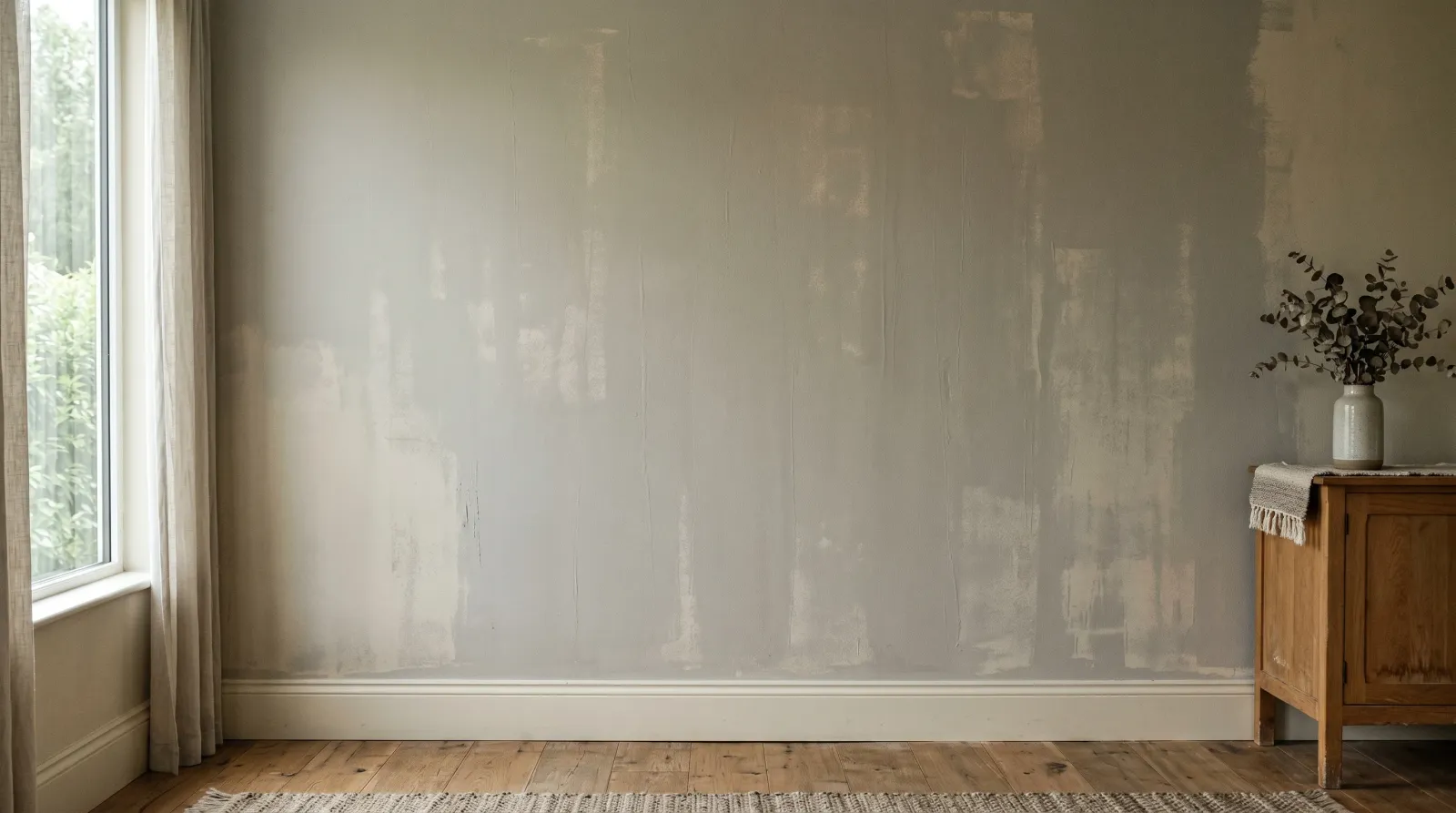
Streaky paint almost never means bad paint. It means one coat pretending to be two, a starved roller, or the wrong sheen catching light it was never meant to handle. Find which one, fix the wall you have, then roll the next one so it never does this.
TL;DR
- Most streaks are one thin coat. Two full coats at the right spread rate fix the look in almost every case.
- The repair is always the whole wall. Spot-coating a streak makes a new streak next to it. Corner to corner, one session.
- Sand raised ridges first. Brush and roller lines need 220 grit before recoat or they telegraph through.
- Sheen exposes streaks. Higher gloss shows every thin spot. Flat and matte hide them. Match sheen to the wall and the light.
- Cheap paint stacks the deck. Low pigment covers less, so you stretch it thin and it streaks. Mid-grade or better hides in two.
Does This Match What You’re Seeing?
Look at the wall under raking light from the side, then under flat midday light. The pattern tells you the cause.
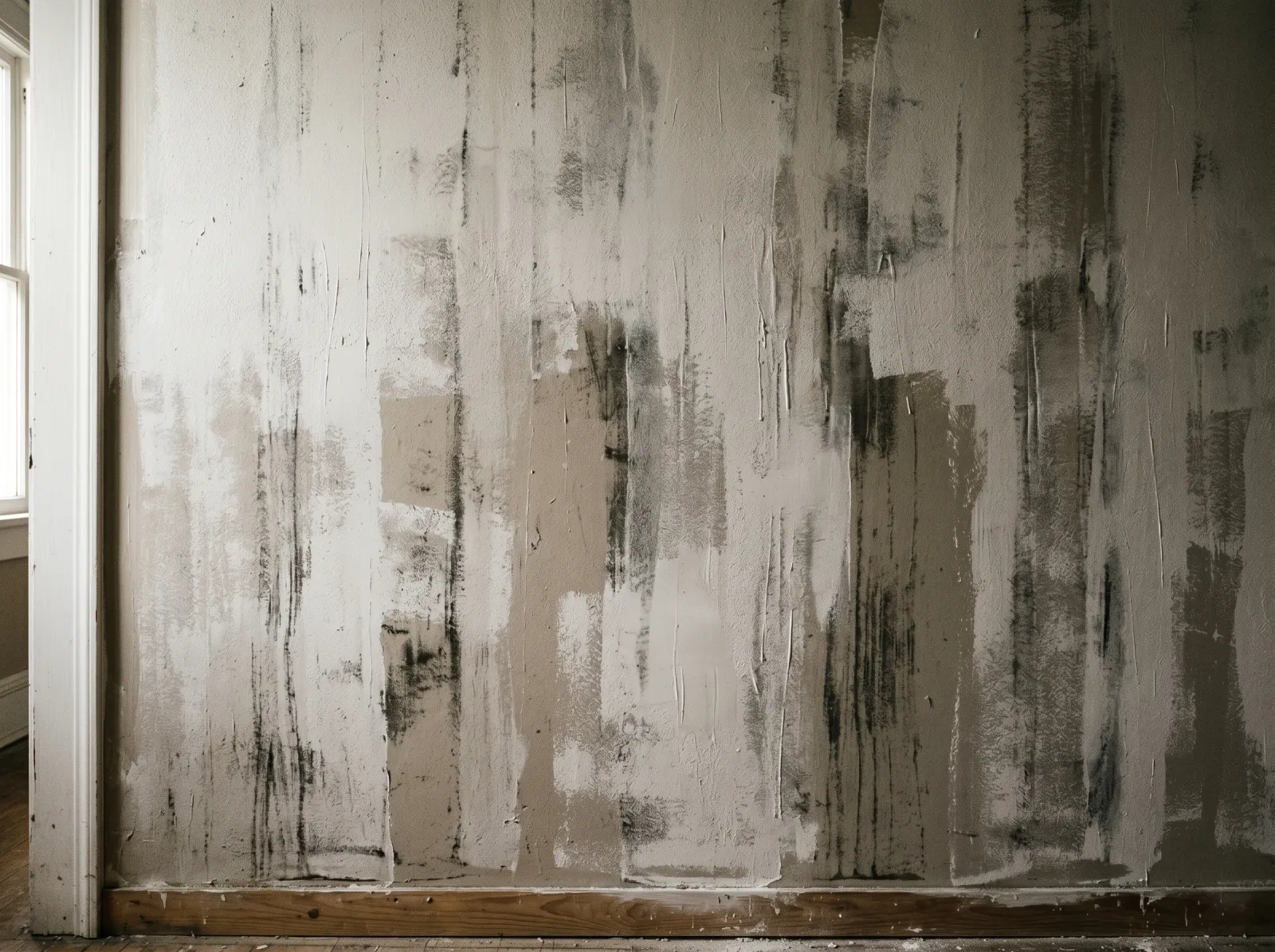 One thin coat over a slightly darker old color. The old surface ghosts through where the new paint went thin.
- Patchy color, old wall ghosting through: one coat. The new color didn’t fully bury the old one and the thin spots read as streaks.
- Faint vertical bands every 3 to 4 feet: lap marks. The wet edge dried before the next roller pass overlapped it.
- Fine parallel lines following the roller: roller marks. A starved nap or a final pass that wasn’t tipped off smooth.
- Brush lines on trim or cut-in edges: brush strokes. Paint too thick, brush too dry, or no leveling time.
- Streaks only in certain light, wall looks fine at noon: sheen plus raking light. The film is even; the gloss is just catching low-angle sun off any tiny thickness change.
Roller marks and brush strokes get their own fixes. See how to fix roller marks and how to fix brush strokes if those match closer than streaky color.
How Serious Is This?
Cosmetic. The film is bonded and sealed. The wall is protected and nothing bad happens if you leave it. The problem is you’ll keep seeing the streaks every time the sun crosses the room.
One more proper coat fixes most streaky walls in an afternoon. You rarely strip back to bare substrate for streaks. The job is recoating right, not rescuing a failed surface.
The exception is streaking that comes with peeling, bubbling, or a chalky surface that rubs off on your hand. That’s a bond problem, not a coverage problem, and a recoat won’t hold over it. Different fix, different page.
Why This Is Happening (root Cause)
Four causes account for almost every streaky wall I’ve seen. Ranked by how often they show up.
1. One coat doing two coats’ work. This is most of it. One-coat coverage is a can-label claim, not a jobsite fact. One coat goes on uneven because you spread it thin to make a gallon stretch, and the thin spots let the old color or the primer read through. Latex also shifts color and sheen as it cures, so a wall that looked even while wet streaks once the water flashes off overnight.
2. Starved roller, stretched paint. A roller carrying half a load lays a thin, broken film. You push it to cover more area than it has paint for, and the nap drags lines instead of laying a sheet. Same with trying to do a coat-and-a-half out of one gallon. The film thins to nothing at the edges of each pass.
3. Wrong sheen for the wall and the light. Gloss and semi-gloss bounce light off every thickness change. The higher the sheen, the more a thin spot reads as a streak. Put a satin on a long wall that gets low afternoon sun and you’ll see banding a flat finish would have hidden. The sheen guide walks through which finish forgives an imperfect surface and which one advertises it.
4. No primer over a patchy or color-changed surface. Paint over spackle, over a sealed-then-sanded repair, or over a dark color going light, and the substrate drinks the coat unevenly. The patches and the field absorb differently, so the same paint dries to different sheens and colors. That reads as streaks even with two coats. Spot-prime first or the streak comes from underneath.
A fifth one shows up on summer jobs. Painting above 85°F or in direct sun flashes the film off before you can lay it even, and the dried-too-fast film streaks.
The Fix
Repair is the same regardless of which cause you landed on. The wall needs one more even coat over a flat, sealed surface.
Step 1. Let It Fully Cure, Then Judge It
Latex looks worse for the first day or two than it will once cured. Give it 24 hours before you decide. A streak that’s screaming on day one sometimes settles as the binder pulls tight. If it’s still there after a full day under raking light, recoat.
Step 2. Sand the Wall Flat
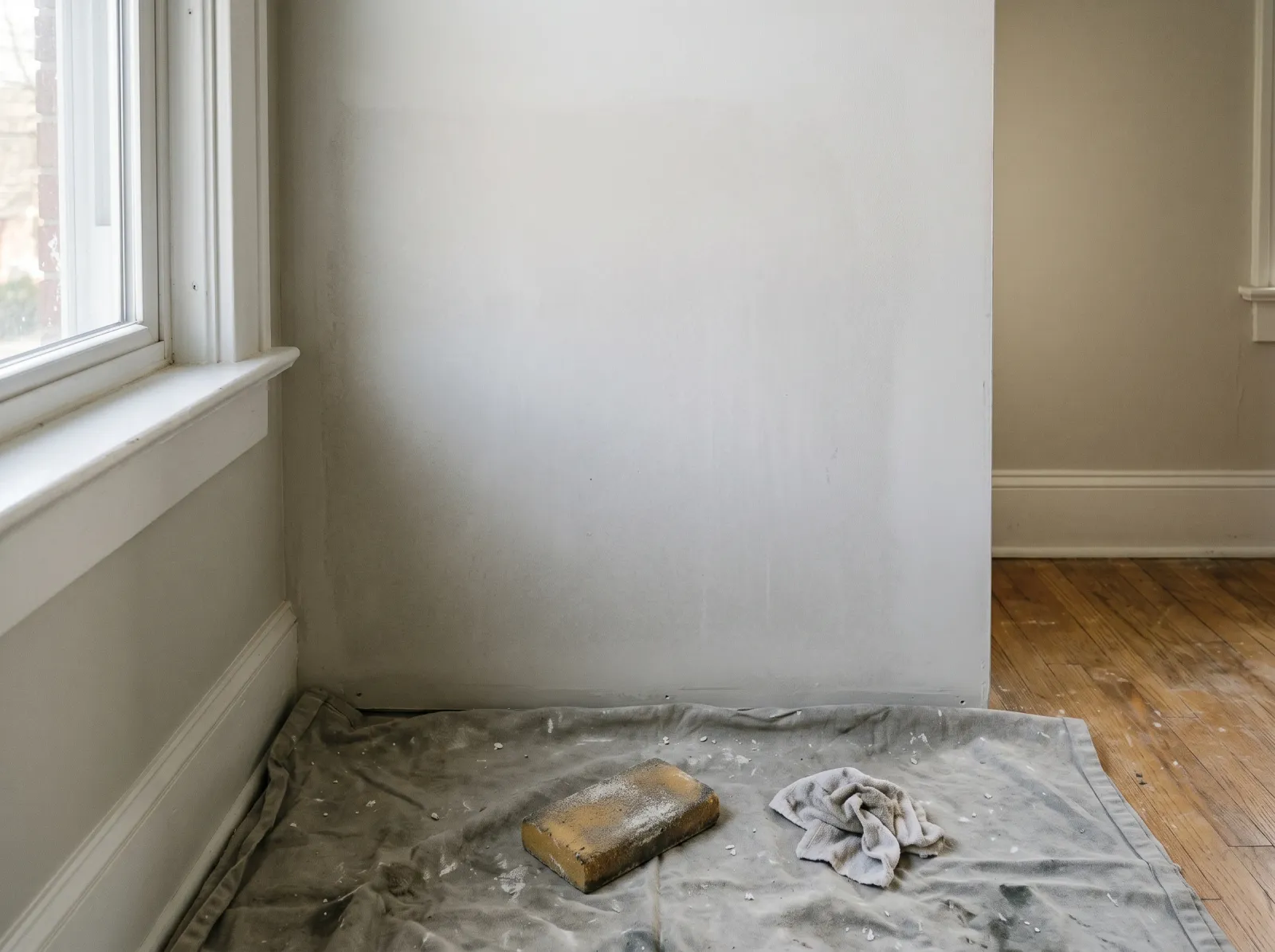 Lightly scuffed flat, wiped clean, dull and uniform. Now the recoat lands on a flat surface instead of riding over ridges.
Knock down any raised brush or roller ridges with 220 grit on a sanding sponge. Light pressure across the whole wall, not just the streak. You’re not stripping paint, you’re flattening texture and dulling the sheen so the recoat grabs. Wipe with a tack cloth or a damp microfiber and let it dry.
Step 3. Spot-Prime Repairs and Color Changes
If the streaks come from patches, spackle, or a dark-to-light color change, prime the uneven areas before recoating. Zinsser Bulls Eye 1-2-3 for general work, Zinsser BIN if a stain or a deep repair is bleeding through. Twenty to thirty minutes to dry. Skip this and the substrate keeps absorbing unevenly and the streak comes back through your fresh coat.
Step 4. Recoat the Entire Wall
Roll the whole wall corner to corner, top to bottom, in one session. Fully loaded roller, 3 to 4 foot vertical sections, overlap each section into wet paint by a few inches. Cut in fresh edges and roll into them while the cut-in is still wet.
Don’t patch just the streak. Roll over one band and you blend nothing; you make two bands. Whole wall, one go, then walk away and let it cure.
Safety
Cross-ventilate while priming and painting. N95 during sanding. Eye protection for any overhead work, since paint and dust drop off a roller pointed up. Never mix bleach with vinegar, ammonia, or hydrogen peroxide if you’re cleaning the wall first. That combination makes toxic gas. If you washed with one of those, rinse with clean water and dry 24 hours before any paint goes on.
Roll the Next Wall So It Doesn’t Streak
The fix above gets you flat. This keeps you flat.
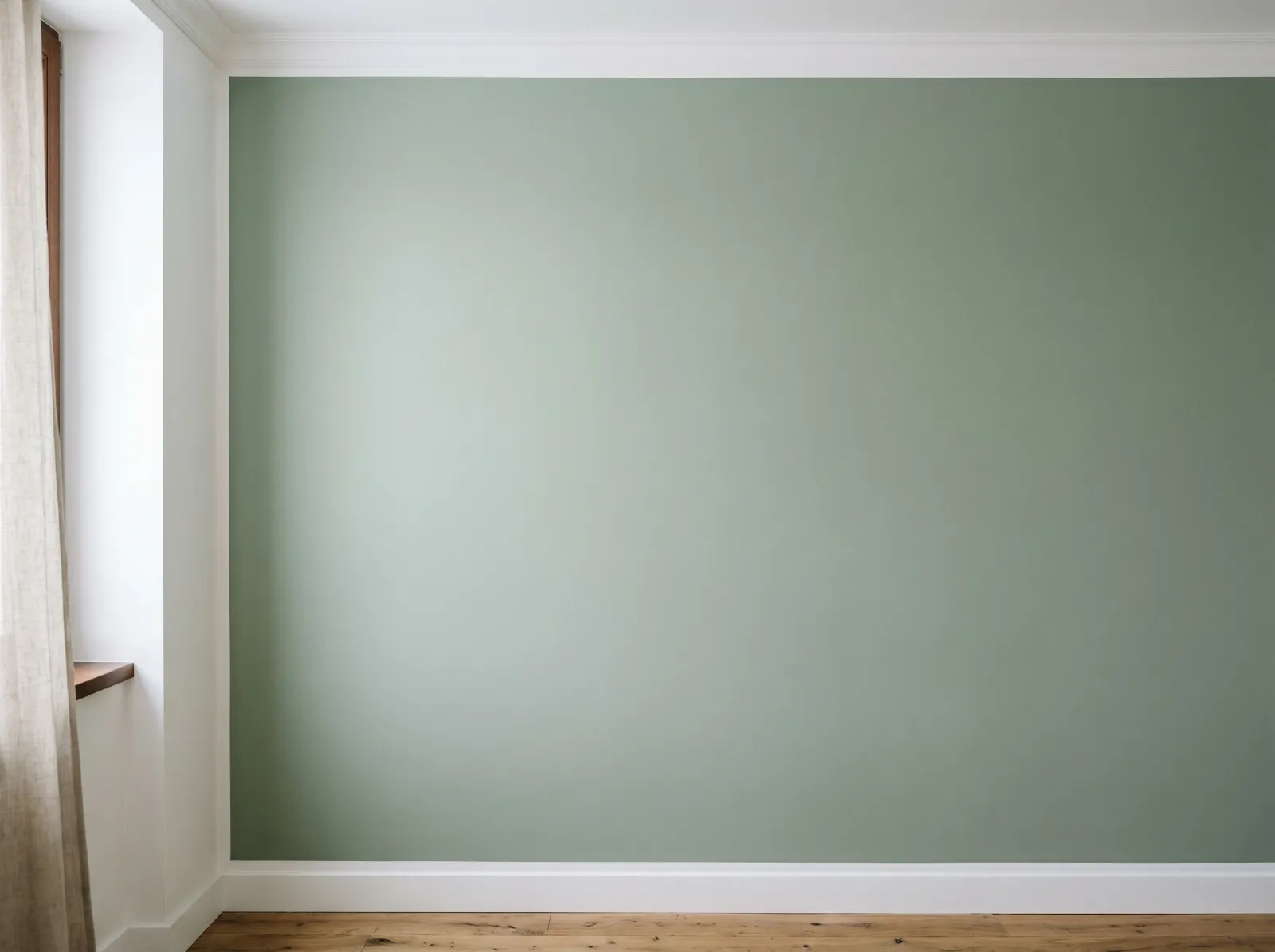 Two even coats. Color uniform corner to corner, no banding, no ghosting, no streaks under raking light.
- Two coats. Always two coats. One-coat coverage means one coat under perfect conditions, and your room isn’t perfect conditions. The second coat is what evens the film and buries the color.
- Load the roller heavy. A starved roller is the fastest way to a thin, streaky film. Re-load before each section, not after the paint runs out.
- Keep a wet edge. Overlap each pass into still-wet paint. If the last edge has gone matte, you’ve already set up a streak.
- Same direction every section. Don’t alternate left-to-right and right-to-left. The nap lays paint differently each way and the sheen reads as bands.
- Use a decent nap. A 3/8 or 1/2 inch microfiber roller holds more paint and lays a more uniform film than a cheap polyester sleeve. See the paint roller picks for what actually holds a load.
- Match sheen to the wall. Long walls in raking light want flat or matte, which forgive thin spots. Save satin and semi-gloss for trim, kitchens, and baths where you need the scrub.
Common Mistakes
- Spot-coating the streak. Makes two streaks. Recoat the whole wall, every time.
- Stretching one gallon too far. Thin film streaks. Buy enough paint for two full coats and use it.
- Recoating before the first coat cures. Latex needs hours, not minutes. Rushing the recoat drags the soft film and adds streaks.
- Buying the cheapest flat on the shelf. Low pigment covers less, so you thin it and it streaks. Mid-grade hides in two coats and saves you a third.
- Ignoring the light. A wall that looks fine at noon shows every seam at 5 p.m. Check it under raking light before you call it done.
- Painting in direct sun or a hot room. The film flashes before you can lay it even. Wait for shade or cooler hours.
When to Call a Pro
- Streaking that comes with peeling, blistering, or chalk that rubs off. That’s a bond or moisture failure, not coverage. See how to fix peeling paint first.
- Whole-house repaints with stairwell walls or vaulted ceilings over 12 feet, where keeping a wet edge by hand is a losing fight.
- Walls under hard architectural or gallery light where the tolerance for any band is zero. Pros spray these.
- Pre-1978 homes where you’d be sanding. Lead test before any sandpaper touches the wall.
FAQ
Can I just paint over streaky paint? Yes, that’s the whole fix. One more full coat over a sanded, sealed wall evens the color out. Just do the entire wall corner to corner, not only the streaky part, or you trade one streak for a patch.
Why does my paint dry darker in streaks? Thick spots and thin spots cure to slightly different color and sheen, and the thin areas let the old surface or primer read through. Even film thickness is the only fix. Two full coats, properly loaded roller, no stretching.
Will a primer stop streaks on a color change? It will. Going dark to light, the old color bleeds through thin coats and reads as streaks. A tinted primer or two coats over primer gives the new color a uniform base to sit on. See the primer vs paint-and-primer breakdown for when the all-in-one is enough and when it isn’t.
What’ll Bite You in Two Years
You’ll repaint this wall again someday. Roll fresh paint over old streaks and ridges and the new coat copies them right through. Sand the whole wall flat before the recoat, not just the spots that bother you. Skip that and your next color shows up with the same streaks as this one.
Ask a Question