Sherwin-Williams NavalvsSherwin-Williams Charcoal Blue
Why this comparison: Charcoal Blue is the moodier gray-navy; Naval is the classic. Naval and Charcoal Blue are very close (ΔE 3.85). The difference shows up most in side-by-side comparison and under specific light.

Built from our full reviews of both colors — same measured data, same real-room photos. About the testing process →
The Numbers
LRV is essentially equal (4 vs 6) — both reflect light the same.
What Each Color Really Is
A saturated dark blue with just enough gray to keep it from looking like a child's paint set. That gray is the whole reason it works: it takes the edge off the blue without draining it, so Naval lands between a primary navy and the gray-blues everyone else calls navy. There is no green pull and no teal to speak of. When someone says a color "looks navy" from across a kitchen, this is usually the one they mean.
At LRV 4 it reflects almost nothing — the same neighborhood as a true black. Put it beside Tricorn Black (SW 6258, LRV 3) and you finally see the blue clearly; put it in a hallway with no lamp on and that blue disappears. Compared with Hale Navy (BM HC-154, LRV 6), Naval is a step deeper and clearly more colorful, where Hale Navy behaves like a soft charcoal that happens to be blue. That difference decides most of the arguments people have about these two.
A deep blue-gray with the blue heavily muted and a violet tilt underneath. That tilt is the whole personality. Put it beside a true navy and Charcoal Blue looks cooler and dustier — one exterior designer's painter nicknamed it a blurple, and once you have heard that you cannot unsee it. It is not a purple wall by any stretch; it is a navy that leans away from green and toward violet, which is why it sits comfortably next to red brick and warm stone that a green-leaning navy would fight.
At LRV 6 it is a near-black, in the same depth bracket as Iron Ore and Hale Navy. Practically, that means the color you get depends entirely on how much light hits the surface. In direct sun it is unmistakably blue. In an average room, in shade, or after dusk it collapses into a soft charcoal that most people would call black. Outdoors this is a feature — exterior sun is several times stronger than window light, so the muted blue holds up on a facade where it would go flat on a wall.
Specs Side by Side
| Spec | Naval | Charcoal Blue |
|---|---|---|
| Brand | Sherwin-Williams | Sherwin-Williams |
| SKU | SW 6244 | SW 2739 |
| Hex | #2F3D4C | #3D4450 |
| RGB | 47, 61, 76 | 61, 68, 80 |
| LRV | 4 | 6 |
| Undertone | blue / cool | blue / cool |
| Family | Blue | Blue |
How Light Changes Them
Direct sun lifts the blue and the color finally shows its saturation. Midday is its best hour.
Cool, soft daylight has nothing to bounce off LRV 4. Expect near-black walls with a hint of blue at the edges.
Warm 2700K lamps keep it rich and cozy. Cool 4000K LEDs push it cold and stark — swap bulbs, not paint.
Basements, interior hallways, windowless baths: it stops being a color and becomes a black surface.
Open daylight on a door or a facade is the only light that shows the color honestly — clearly blue, clearly violet-cool, still deep. This is the light to judge it in.
Cool, weak light plus LRV 6 leaves a flat charcoal that nobody would call blue. The most common disappointment with this color, and no extra coat fixes it.
East sun gives it a bright, almost slate-blue morning; midday is its truest read; by golden hour and dusk it sinks steadily toward black. A west-facing door changes character twice a day.
Warm 2700K lamps have little blue to give back, so the color drops to a soft near-black and the room feels cozy rather than blue. Cooler 4000K LEDs bring the blue-violet forward but make the whole space feel colder — pick which trade you want before you buy bulbs.
Both Colors in Real Rooms
Photos from our full reviews — the same rooms and captions, so you can judge each color where it actually lives, not on a chip.
When to Pick Which
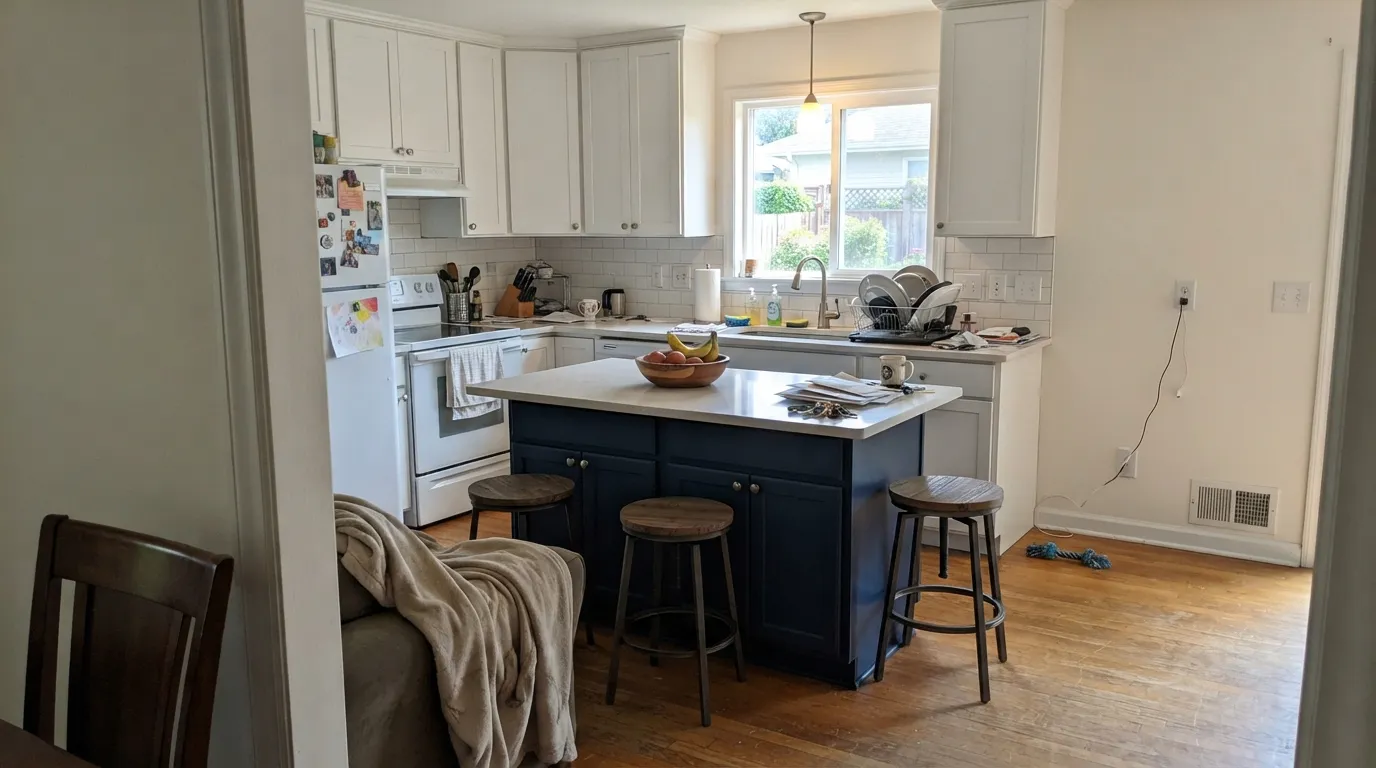
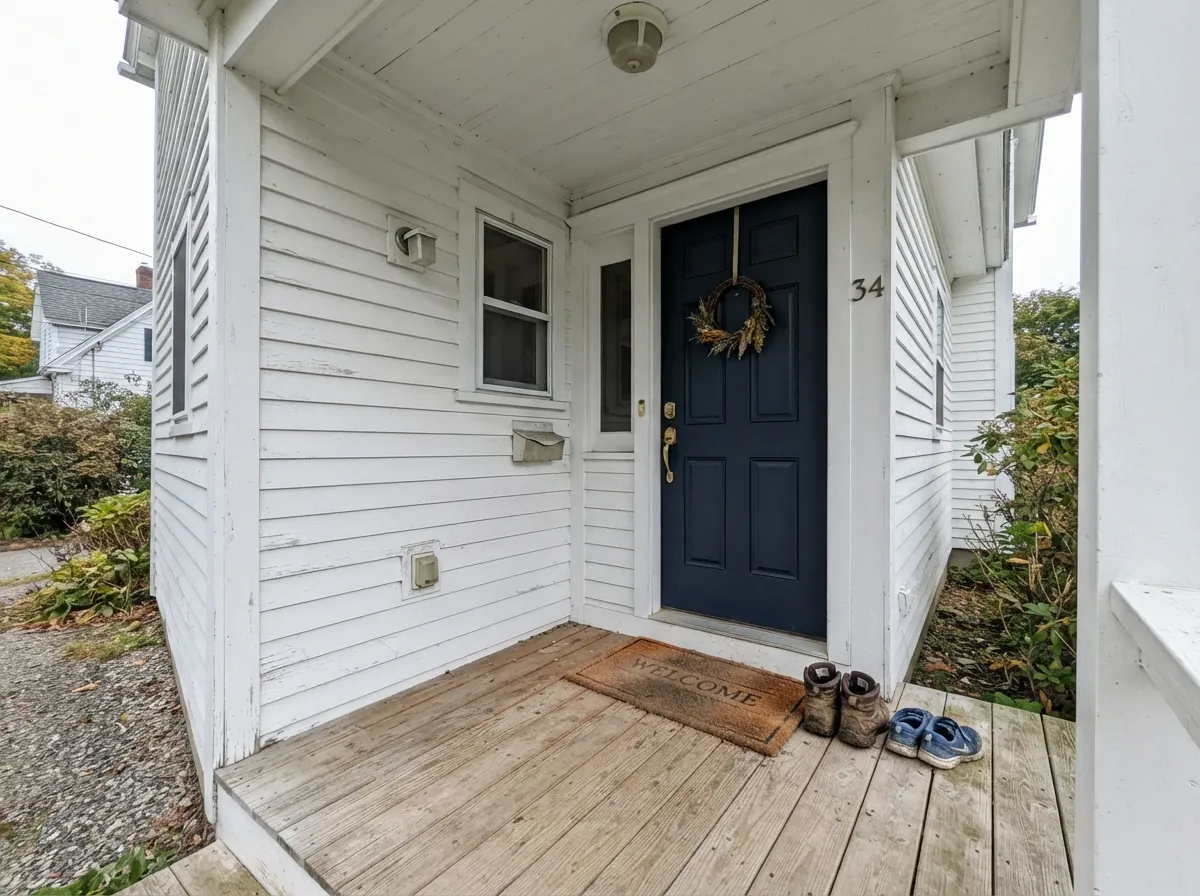
Kitchen islands and lower cabinets with white uppers · front doors and shutters · a study or bedroom with real windows · anyone who wants dark without going black
The room has one small window or none · you want every cabinet dark in a small kitchen · you hate wiping dust and fingerprints · a sun-baked deck or south-facing wall
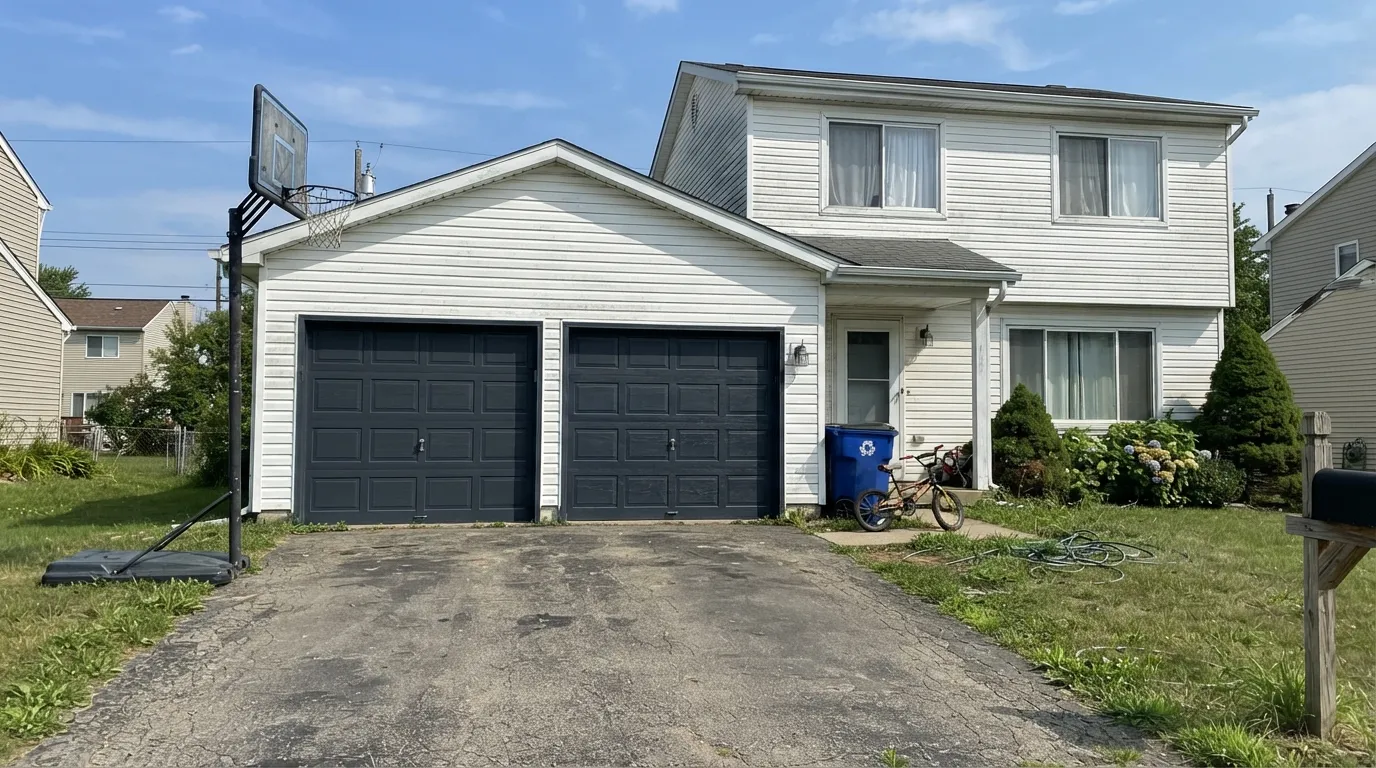
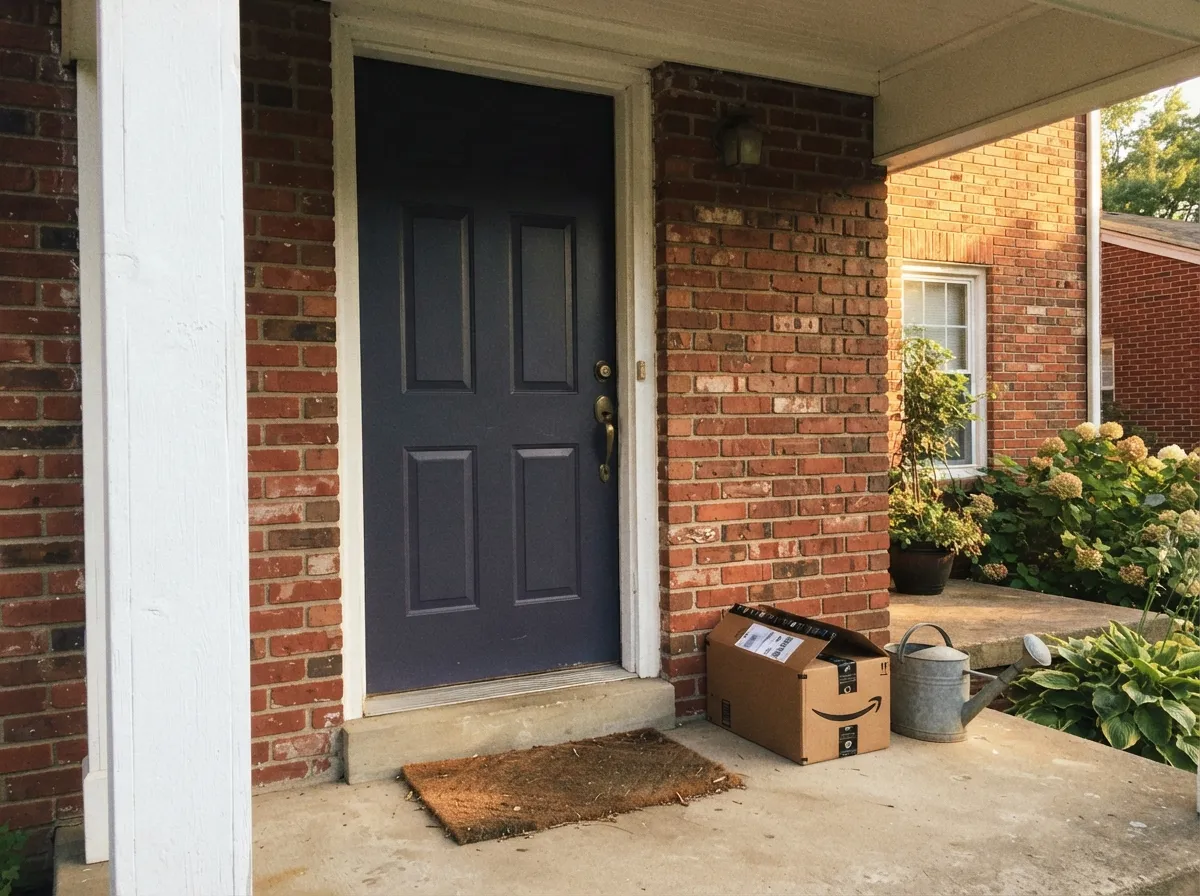
Garage doors and front doors · exteriors with white or off-white trim · kitchen islands, built-ins and cabinets under light walls · offices and dens with real windows
You want an obvious, cheerful navy · the room is small, dim or north-facing · your siding or shutters are vinyl · you are painting over a light color and hate three-coat jobs
No comparison page can see your light. Upload one photo of your room and try both colors on the same walls, seconds apart.
Naval vs Charcoal Blue FAQ
Which is lighter, Naval or Charcoal Blue?
They are practically the same lightness — LRV 4 vs 6. Neither will make the room brighter than the other.
Which is warmer, Naval or Charcoal Blue?
They share the same undertone family — both read blue / cool. The difference between them is lightness and depth, not temperature.
How similar are Naval and Charcoal Blue?
Naval and Charcoal Blue are very close (ΔE 3.85). The difference shows up most in side-by-side comparison and under specific light. The only reliable test is seeing both in your own room and light — a side-by-side on a screen or chip flattens the difference.
Can I use Naval and Charcoal Blue together in one house?
Not in the same room, and be careful in the same house. At ΔE 3.85 they are so close that two walls in each will read as a tinting mistake, not a design choice. Pick one, or keep them on different floors where they are never seen together.
Ask a Question