Sherwin-Williams AlabastervsSherwin-Williams Shoji White
Why this comparison: Shoji White is the greige-leaning white, Alabaster the cleaner one — a classic walls-vs-trim pairing question. Alabaster and Shoji White are very close (ΔE 2.96). The difference shows up most in side-by-side comparison and under specific light.

Built from our full reviews of both colors — same measured data, same real-room photos. About the testing process →
The Numbers
Alabaster is slightly lighter (LRV 82 vs 74, 8-point delta).
What Each Color Really Is
A warm off-white built on a yellow-beige base, with a small amount of grey mixed back in to keep the yellow from going buttery. That grey is the reason Alabaster became a default instead of a cream: it takes the edge off the warmth so the wall reads "soft white" rather than "antique." The trade-off is that the grey is not a pure grey — there is a faint green thread running through it, and it stays invisible only while the yellow is doing its job. Cancel the yellow and the green half of the mix is what you are left looking at.
At LRV 82 it bounces back most of the light in the room, so it behaves like a white in daily use — but it is not a bright white, and the gap shows the moment a truly bright one is in frame. Extra White SW 7006 sits at 86 and High Reflective White SW 7757 at 93; next to either, Alabaster suddenly has visible body and looks like a color rather than a blank. On its own wall, with nothing brighter nearby, your eye adapts within a minute and simply calls it white. That is the whole reason it photographs so well and why it has been Sherwin-Williams' most-specified white for a decade.
It is sold as a white and it does not behave like one. The base is warm — a soft cream-yellow — but there is enough gray in the mix that it lands as a light greige rather than a creamy white, and the yellow leans very slightly toward green. That is the whole personality of this color. On its own wall it looks calm, sun-warmed and expensive. Put a sheet of printer paper against it and you will see immediately that it is a color, not a white.
At LRV 74 it throws back plenty of light, so it brightens a room — but it is nowhere near white territory. Alabaster (SW 7008) sits at LRV 82, and side by side the gap is obvious: Alabaster reads white, Shoji White reads light beige. That eight-point drop is why Shoji White softens shadows and flatters wood instead of bouncing glare around, and it is also why it is too deep to use as a trim white in most homes.
Specs Side by Side
| Spec | Alabaster | Shoji White |
|---|---|---|
| Brand | Sherwin-Williams | Sherwin-Williams |
| SKU | SW 7008 | SW 7042 |
| Hex | #EDEAE0 | #E6DFD3 |
| RGB | 237, 234, 224 | 230, 223, 211 |
| LRV | 82 | 74 |
| Undertone | yellow / warm | red-orange / warm |
| Family | White | Neutral |
How Light Changes Them
The cream comes forward and the room feels sunlit even on grey days. Late sun pushes it slightly buttery.
Cool daylight cancels the yellow and the green-grey base shows. This is where people repaint.
2700K lamps make it cozy cream. 4000K keeps it crisp. Change the bulbs before you change the paint.
At LRV 82 a powder room or hallway still reads bright, and the warmth feels cozy instead of cave-like.
Direct sun lifts the cream and the wall glows. Warm, soft, never buttery.
Cool daylight strips the warmth and the gray-green shows. Reads taupe. Sample big.
Quiet greige until about four, then warm and creamy until sunset. Most people love it.
2700K lamps: cozy cream. Cool 4000K LEDs: dull and dirty. Change bulbs, not paint.
Both Colors in Real Rooms
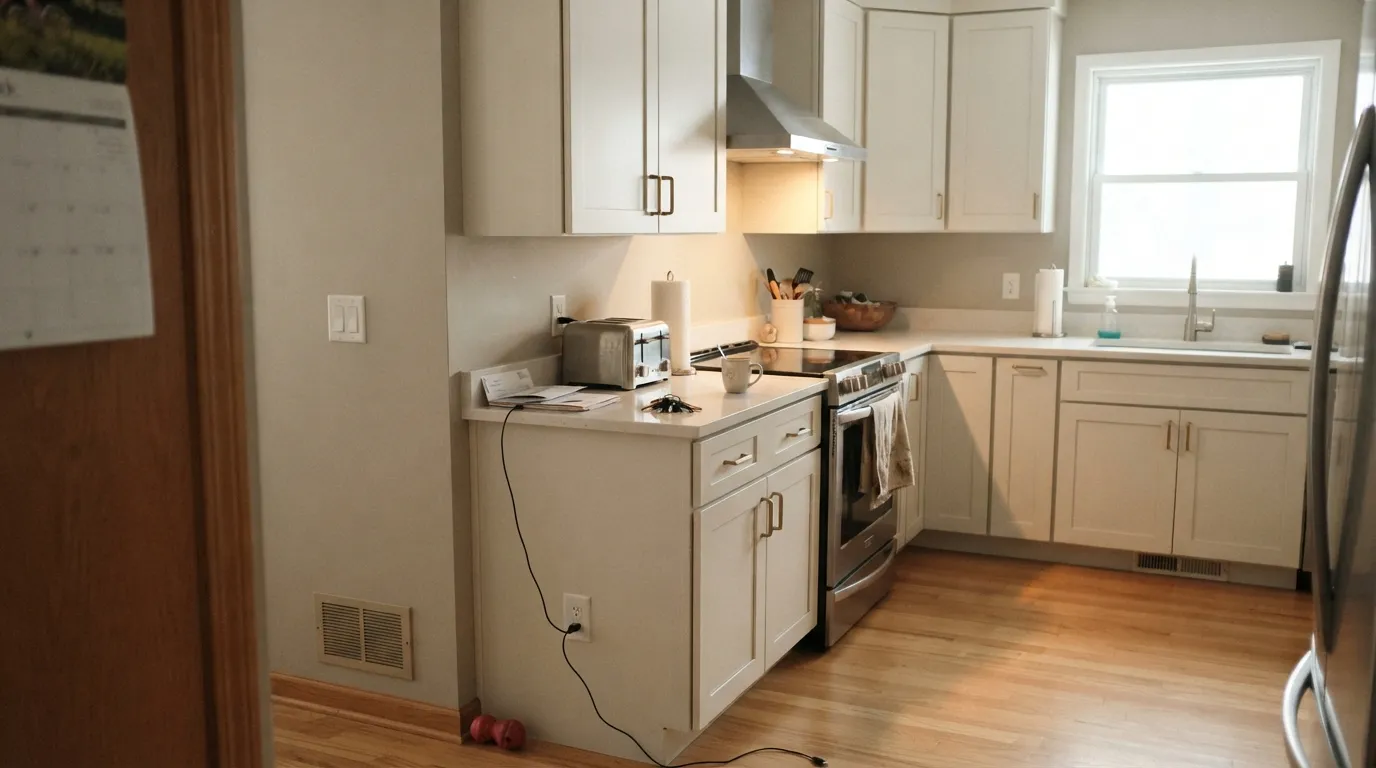
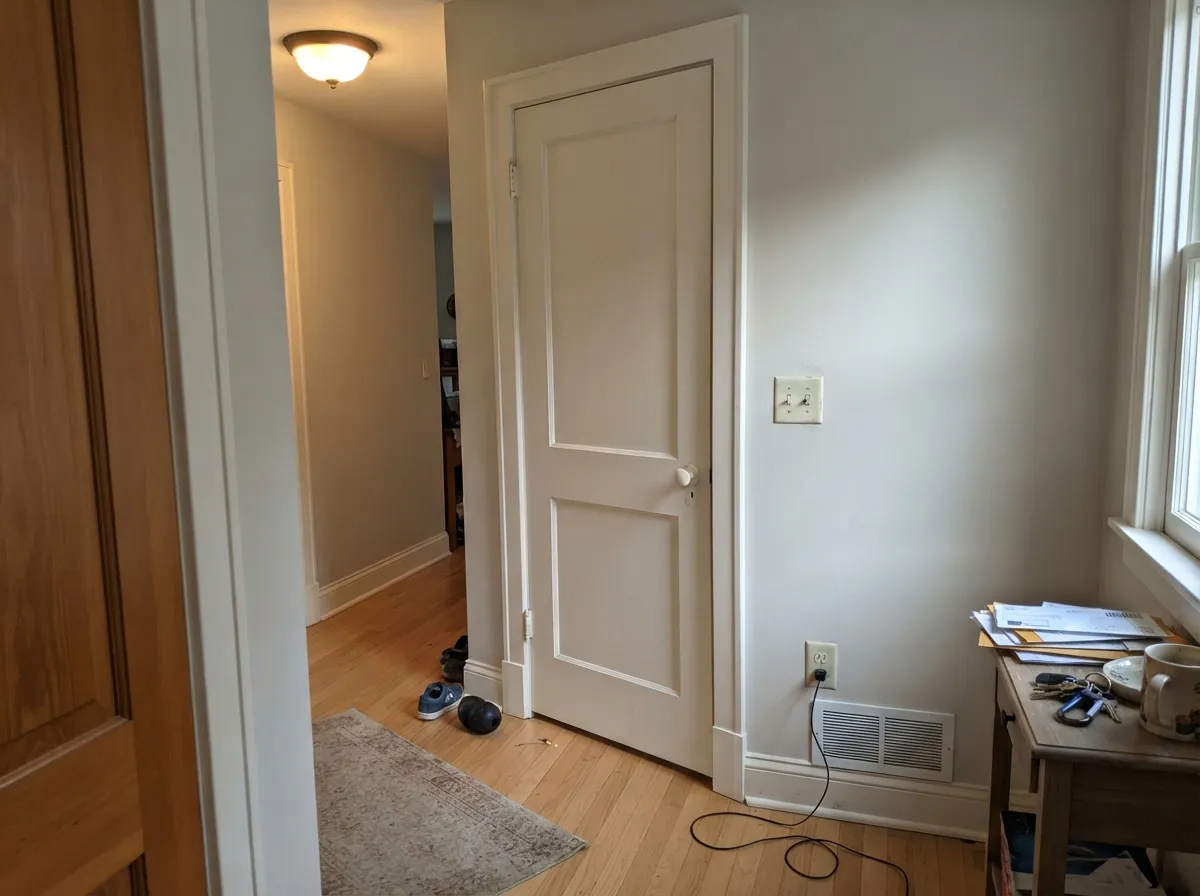
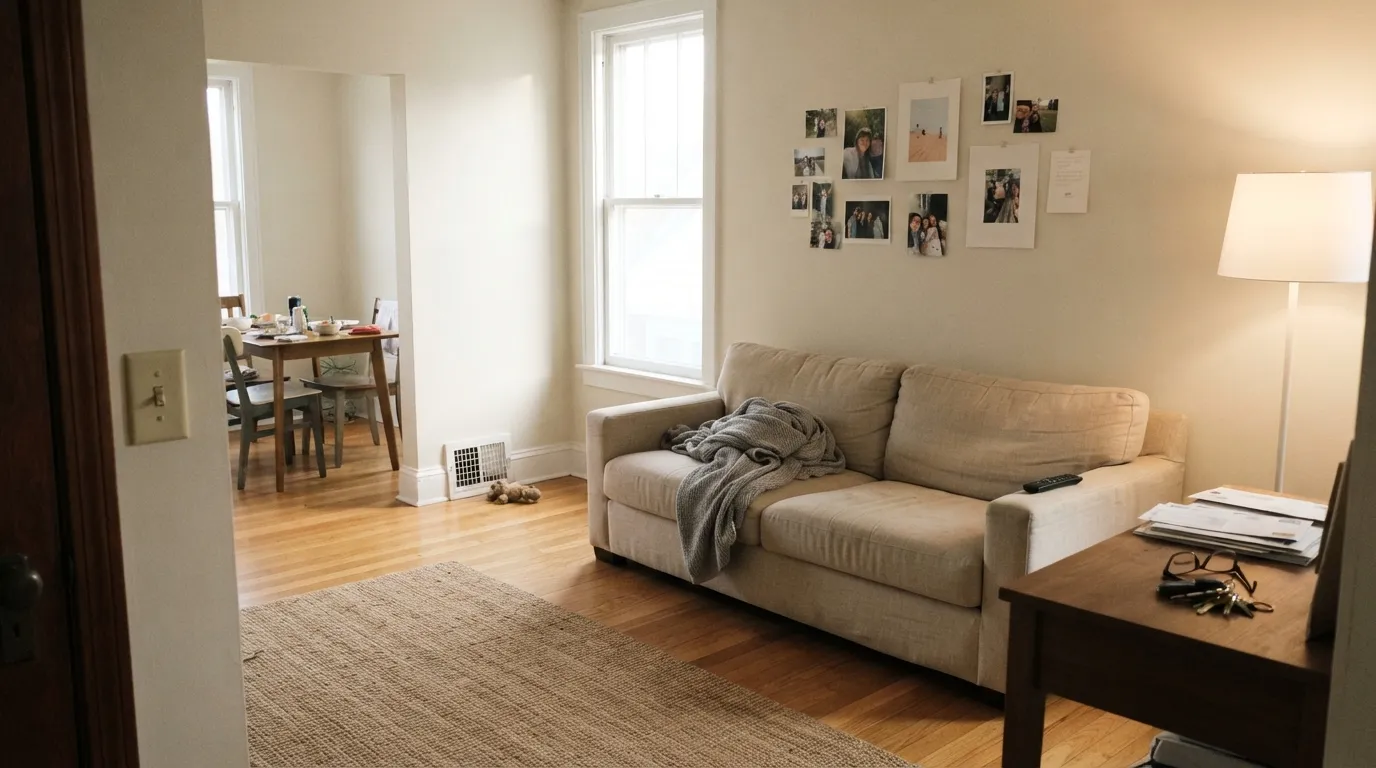
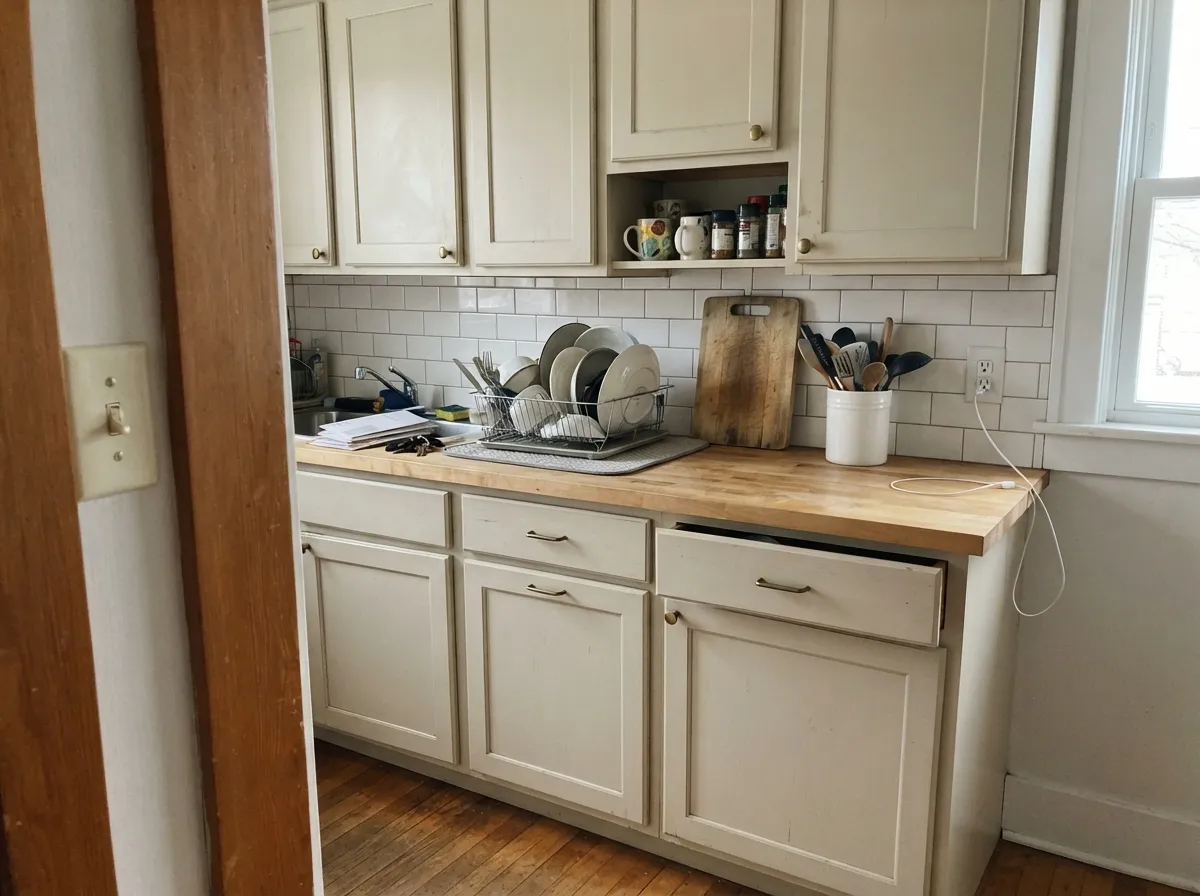
Photos from our full reviews — the same rooms and captions, so you can judge each color where it actually lives, not on a chip.
When to Pick Which
Kitchen and bath cabinets · trim and interior doors · south and east rooms · houses with oak, brass, or cream-toned stone
Your room faces north and is dim · your tile, quartz, or appliances are stark white · your floors are cool grey · you want a crisp modern gallery white
Whole-house walls in a home with real daylight · rooms with honey oak, rattan and brass · warm cabinets that should not look factory-white · anyone who thinks Alabaster is too creamy
Your main rooms face north and stay dim · you want the walls to read as white · your floors and counters are cool gray · you already have bright white trim you cannot repaint
No comparison page can see your light. Upload one photo of your room and try both colors on the same walls, seconds apart.
Alabaster vs Shoji White FAQ
Which is lighter, Alabaster or Shoji White?
Alabaster is lighter: LRV 82 vs 74. Alabaster is slightly lighter (LRV 82 vs 74, 8-point delta).
Which is warmer, Alabaster or Shoji White?
They sit in the same temperature family: Alabaster reads yellow / warm, Shoji White reads red-orange / warm. Side by side, undertone is not the deciding factor here.
How similar are Alabaster and Shoji White?
Alabaster and Shoji White are very close (ΔE 2.96). The difference shows up most in side-by-side comparison and under specific light. The only reliable test is seeing both in your own room and light — a side-by-side on a screen or chip flattens the difference.
Can I use Alabaster and Shoji White together in one house?
Not in the same room, and be careful in the same house. At ΔE 2.96 they are so close that two walls in each will read as a tinting mistake, not a design choice. Pick one, or keep them on different floors where they are never seen together.
Ask a Question