Benjamin Moore White DovevsBenjamin Moore Simply White
White Dove and Simply White get treated as interchangeable Benjamin Moore warm whites, and they are not. White Dove is warmth grayed down; Simply White is warmth left as yellow, and it is a good deal brighter.

Built from our full reviews of both colors — same measured data, same real-room photos. About the testing process →
The Numbers
Simply White is slightly lighter (LRV 90 vs 83, 7-point delta).
The Real Difference on a Wall
White Dove has body. There is real color in it, and on a wall you see that as softness, shadows that go gentle instead of gray, wood that suddenly looks deliberate. On trim it reads like painted woodwork rather than plastic. Simply White does the opposite job. It throws light back into the room, so a bright kitchen in Simply White looks lit from inside. Nobody would call Simply White soft, and nobody would call White Dove bright. That is the entire choice.
The way they handle afternoon sun is where the reviews split. Simply White's warmth is yellow, with no gray to hold it down, so hard western light from about four o'clock turns the volume up and owners start using the word cream. White Dove has that drop of gray doing exactly the job it was mixed to do, so it just gets warmer and quieter instead of yellow. Now flip the light. In a dim north-facing room White Dove loses its warmth and the gray base is all that is left, and people call it blah or dingy. Simply White in that same dim room is the better performer, because its yellow is the only thing warming the space up.
Neither one survives being put next to a brighter white, and that is the single most common mistake with both. White Dove walls with builder-white trim, or Simply White cabinets with Chantilly Lace trim, and the crisper white wins every time while the warm one reads unwashed. Cool gray stone does the same thing from the other direction. Carrara-look marble, gray-veined quartz and a lot of stainless will push either white visibly yellow, Simply White much harder. Give both of them warm wood, brass and warm stone and they are excellent.
Simply White is the one that goes yellow. Hard western afternoon light and cool gray stone both pull it there, and once you notice it you cannot stop noticing it. White Dove flashes far less, but in a dim north room it drops its warmth entirely and reads gray and dingy instead.
What Each Color Really Is
Off-white with a softly warm, slightly creamy character — but the yellow is grayed out, and that is the whole trick. Most creamy whites are built on a yellow oxide base that tips butter-yellow the moment afternoon sun hits it. White Dove carries the same warmth, then mutes it with a drop of grey, so the wall reads "calm and finished" instead of "cream." That balancing act is why it has been one of Benjamin Moore's best-selling colors for over two decades and the default answer designers give when a client says "just a nice white, nothing yellow, nothing cold."
At LRV 83 it reflects most of the light that hits it, but it is clearly not a bright white: put it next to Chantilly Lace (LRV 91) and White Dove suddenly shows its body. That gap is the useful part. On a wall it holds just enough color to soften shadows and flatter wood; on trim it reads as classic painted woodwork rather than plastic-bright. It is a white that behaves like a very quiet neutral.
Simply White is a bright white with a real, uncomplicated yellow in it. That is the whole difference between it and the other famous warm whites: colors like White Dove take a creamy base and mute it with a drop of gray, while Simply White leaves the warmth clean and unmuted. The result reads fresh and sunny instead of soft and dusty, and that is exactly why Benjamin Moore made it Color of the Year in 2016 and why it ended up on so many open-plan kitchens for the decade after. If you see it written as 2143-70 rather than OC-117, that is the same paint listed in a second fan deck.
At LRV 90 it is near the top of the Benjamin Moore book for sheer brightness — a hair under Chantilly Lace at 92, and a clear step above White Dove at 85. Those numbers do something you can see. Set Simply White beside White Dove and White Dove suddenly looks like it has body and weight; set it beside Chantilly Lace and Simply White is the one that looks warm. Bright and warm at the same time is a rare combination in a white, and it is the whole reason people keep choosing this one over the safer options.
Specs Side by Side
| Spec | White Dove | Simply White |
|---|---|---|
| Brand | Benjamin Moore | Benjamin Moore |
| SKU | OC-17 | 2143-70 |
| Hex | #EFEEE5 | #F6F6ED |
| RGB | 239, 238, 229 | 246, 246, 237 |
| LRV | 83 | 90 |
| Undertone | yellow / warm | near-white |
| Family | White | White |
How Light Changes Them
The cream glows softly all day without tipping yellow. Whole-house safe.
Cool grey daylight exposes the grey base; the color goes flat. Test first.
Warm at the sun hours, quiet neutral after. It changes — most people love it.
2700K lamps: creamier, cozier. Cool LEDs: dull — swap bulbs, not paint.
Cool grey daylight cancels the yellow and leaves a clean, mellow white. Owners in north rooms rarely see the warmth at all.
Bright all day, but the warm flood pushes it creamier by the hour. Lovely if you wanted cream, annoying if you wanted white.
West-facing rooms after 4pm are where the bad reviews come from. The yellow lands hard. Sample this hour or skip the color.
2700K bulbs deepen the cream; 3500–4000K keeps it crisp and close to true white. Change bulbs before you change paint.
Both Colors in Real Rooms
Photos from our full reviews — the same rooms and captions, so you can judge each color where it actually lives, not on a chip.
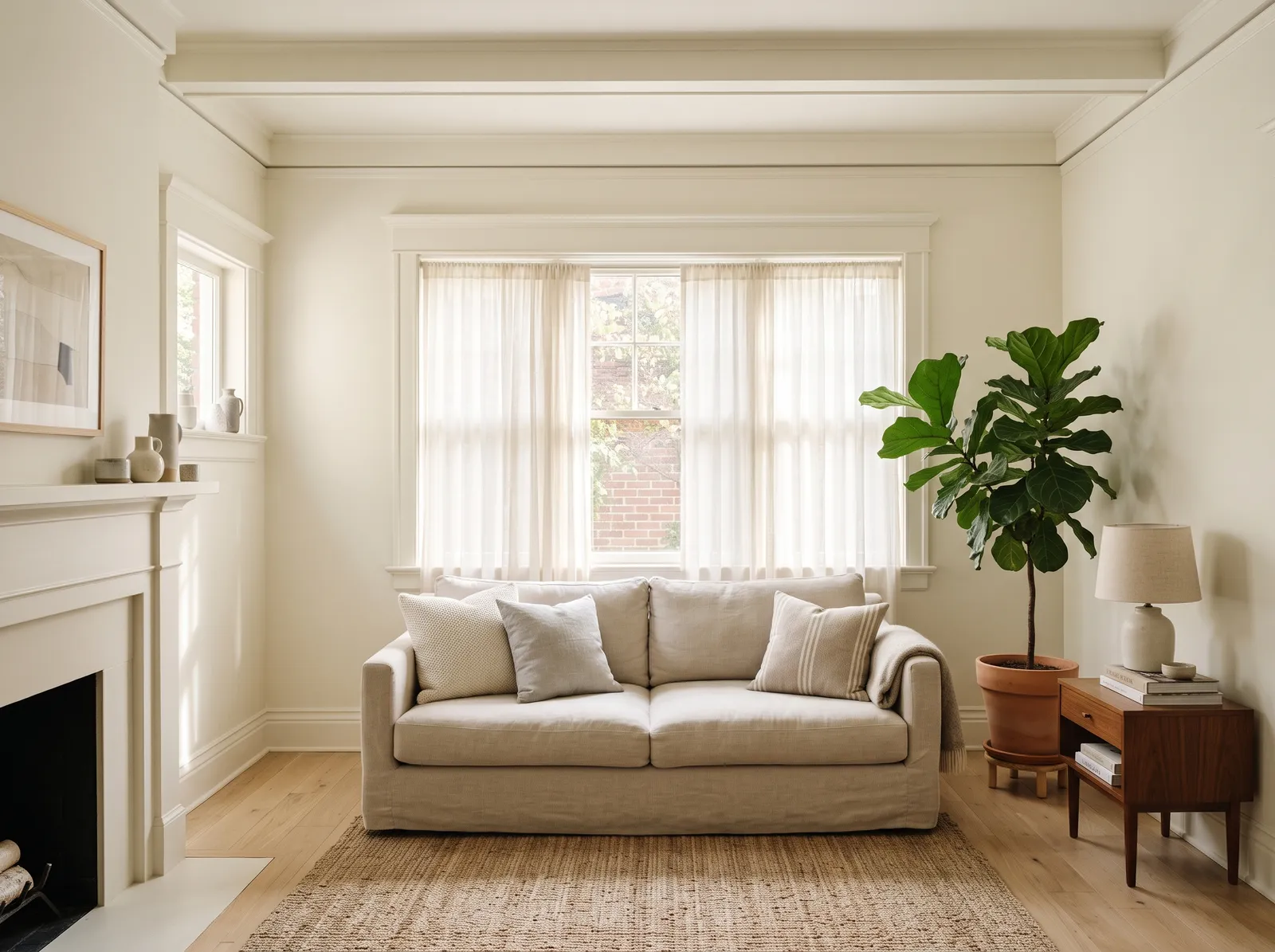
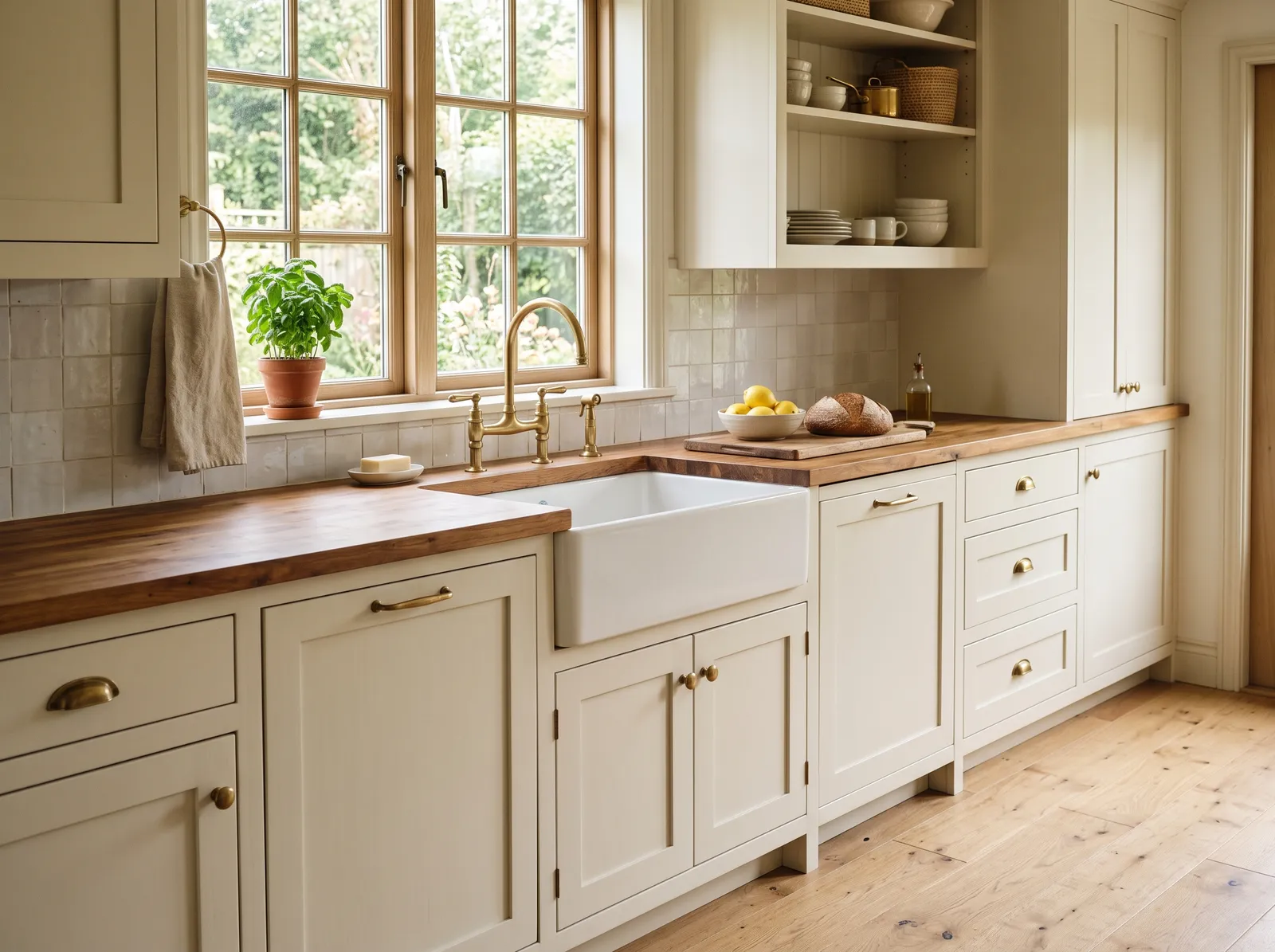
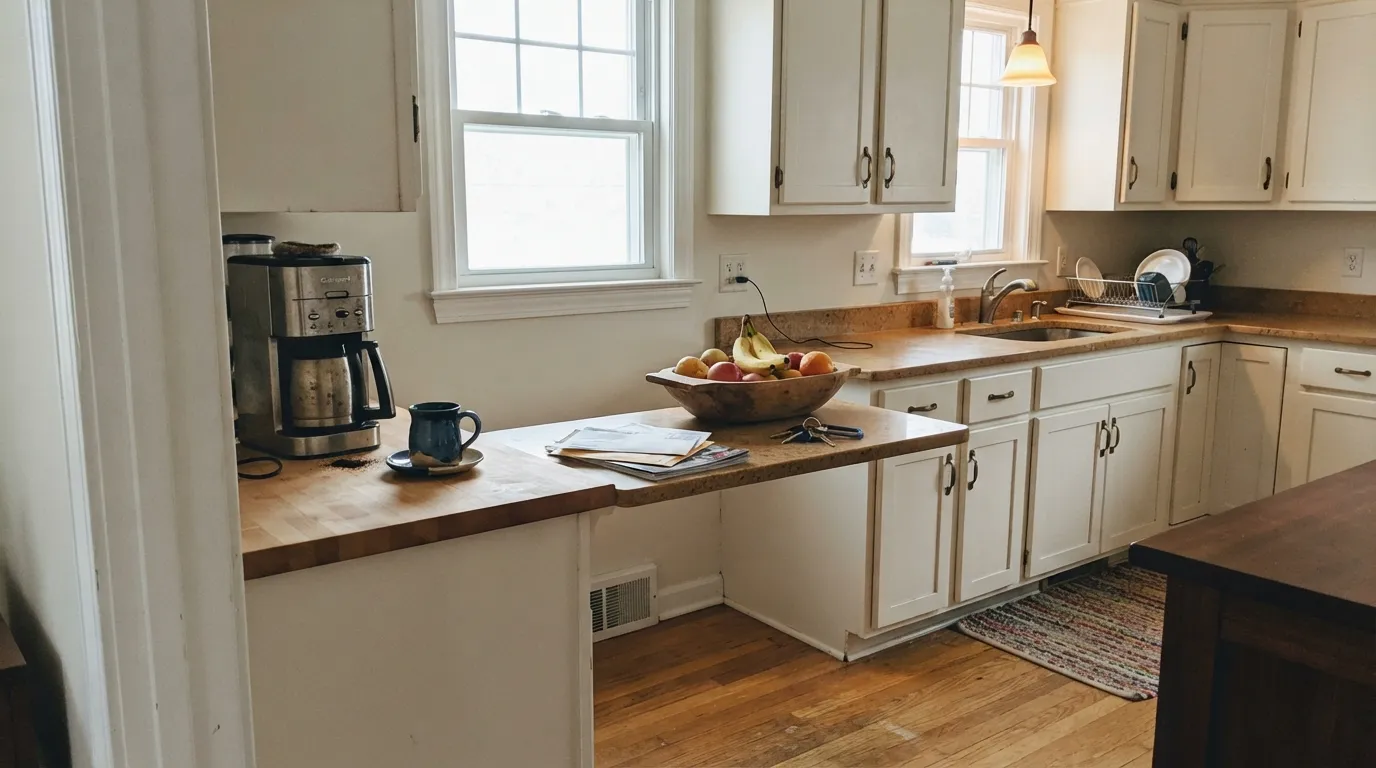
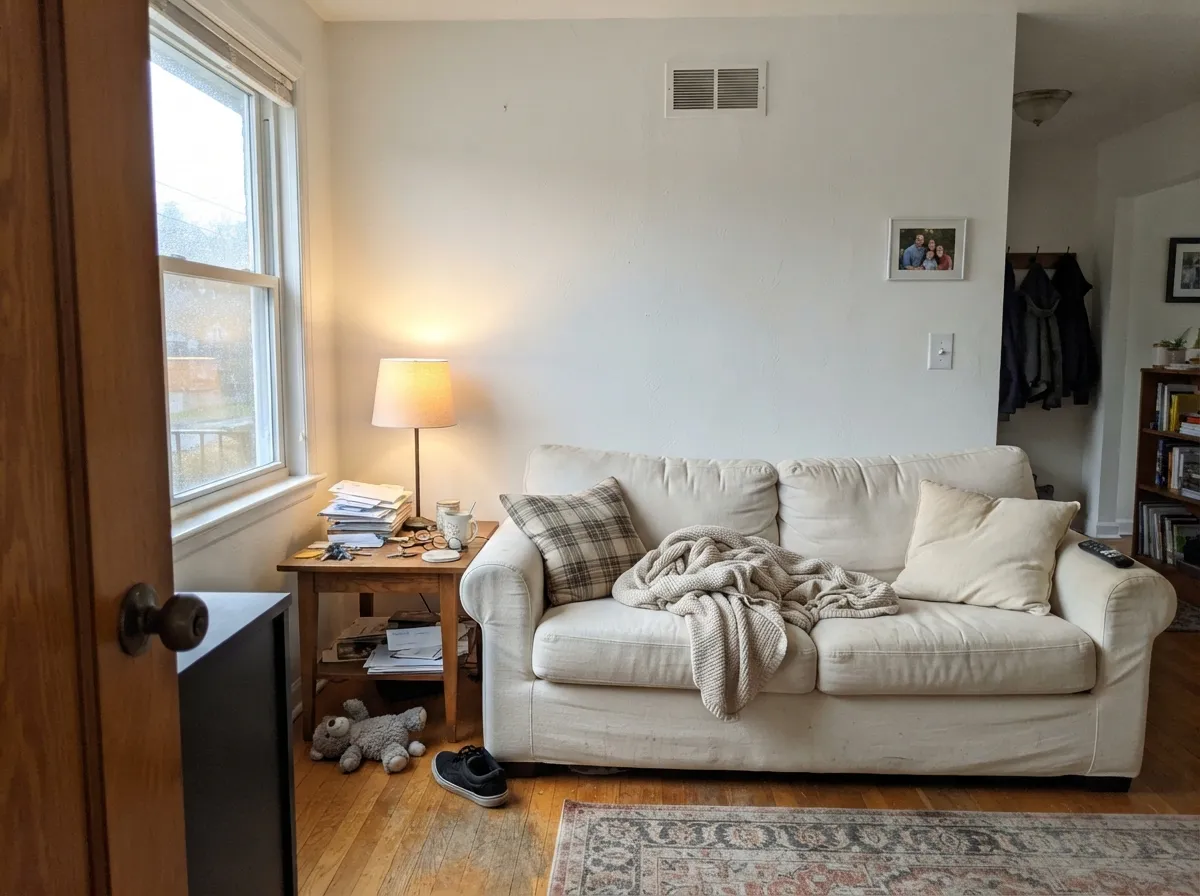
When to Pick Which
Choose White Dove if you want the room to feel finished rather than painted. It is the better choice for whole-house walls plus trim in decent daylight, for cabinets next to warm wood and brass, and for anyone who has repainted a white once already and does not want to gamble. Pick it if bright white feels harsh to you.
Choose Simply White if the room needs light more than it needs softness. It is the right white for dim or north-facing rooms, for open-plan spaces where one white runs across cabinets, trim and walls, and for anyone who finds pure white cold and clinical. Skip it if your main room takes hard western sun.
No comparison page can see your light. Upload one photo of your room and try both colors on the same walls, seconds apart.
White Dove vs Simply White FAQ
Which one is better for kitchen cabinets?
White Dove is the safer cabinet color because the gray in it keeps the doors from going butter-yellow under warm kitchen lighting. Simply White cabinets look terrific with warm wood, brass and warm stone, but next to gray-veined quartz or a wall of stainless they read yellow fast. Either one goes on in satin, never flat.
Can I do Simply White walls with White Dove trim?
That is backwards and it will disappoint you. The brighter white on the walls makes the warmer trim look faintly dirty, so your woodwork ends up looking like it needs washing. If you want two whites in one room, put the brighter one on the trim and the softer one on the walls, or just run a single color and change the sheen.
Which white is better for a north-facing room?
Simply White, clearly. North light is cool and gray and it strips warmth out of everything, which leaves White Dove looking dull and lifeless. Simply White has enough yellow to fight back and keep the room feeling warm. Pair it with 2700K bulbs and it holds up well after dark.
Which works better on a ceiling?
White Dove on the ceiling is the easier win, especially if the walls are also White Dove, because the whole envelope goes quiet and the ceiling line stops calling attention to itself. Simply White ceilings work in bright open-plan spaces where you want maximum bounce, but in a low room it can look slightly harder than the walls below. Flat sheen on the ceiling either way.
Do either of these work on an exterior?
White Dove is a long-standing exterior trim white and it stays soft in full sun rather than glaring. Simply White outside is brighter and, in strong afternoon light on a west elevation, can start reading creamy against cooler siding. If you want an exterior white that reads clean at noon, Chantilly Lace OC-65 is the more predictable pick.
Ask a Question