Benjamin Moore Simply WhitevsBenjamin Moore Cloud White
Why this comparison: Both bright BM whites; Simply White has a yellow underglow that Cloud White hides. Simply White and Cloud White are visually nearly identical (ΔE 1.37). Most eyes can't tell them apart on a wall — pick whichever is easier to source.

Built from our full reviews of both colors — same measured data, same real-room photos. About the testing process →
The Numbers
Simply White is slightly lighter (LRV 90 vs 85, 5-point delta).
What Each Color Really Is
Simply White is a bright white with a real, uncomplicated yellow in it. That is the whole difference between it and the other famous warm whites: colors like White Dove take a creamy base and mute it with a drop of gray, while Simply White leaves the warmth clean and unmuted. The result reads fresh and sunny instead of soft and dusty, and that is exactly why Benjamin Moore made it Color of the Year in 2016 and why it ended up on so many open-plan kitchens for the decade after. If you see it written as 2143-70 rather than OC-117, that is the same paint listed in a second fan deck.
At LRV 90 it is near the top of the Benjamin Moore book for sheer brightness — a hair under Chantilly Lace at 92, and a clear step above White Dove at 85. Those numbers do something you can see. Set Simply White beside White Dove and White Dove suddenly looks like it has body and weight; set it beside Chantilly Lace and Simply White is the one that looks warm. Bright and warm at the same time is a rare combination in a white, and it is the whole reason people keep choosing this one over the safer options.
This is a cream, not a neutral. Most off-whites hide their warmth behind a drop of gray so the wall reads simply calm; Cloud White does the opposite and lets the yellow sit right on the surface, over a very soft taupe base. That is why it built its reputation on millwork. On a narrow band of trim or a door panel, visible warmth is a feature — the woodwork looks painted and old-house correct instead of factory white. Spread the same paint across four big walls and that feature becomes the loudest thing in the room.
At LRV 85 it reflects most of the light that hits it, so brightness is never the problem. Brightness is also not the thing that separates it from its rivals: White Dove sits at the same LRV, so the two are equally light and the entire difference is temperature. The real gap is against the crisp whites — Chantilly Lace at 92 and Simply White at 91 are both a clear step cleaner, and next to either of them Cloud White stops looking white and starts looking ivory. Whites are only ever judged against their neighbors.
Specs Side by Side
| Spec | Simply White | Cloud White |
|---|---|---|
| Brand | Benjamin Moore | Benjamin Moore |
| SKU | 2143-70 | 967 |
| Hex | #F6F6ED | #F2F1E6 |
| RGB | 246, 246, 237 | 242, 241, 230 |
| LRV | 90 | 85 |
| Undertone | near-white | near-white |
| Family | White | White |
How Light Changes Them
Cool grey daylight cancels the yellow and leaves a clean, mellow white. Owners in north rooms rarely see the warmth at all.
Bright all day, but the warm flood pushes it creamier by the hour. Lovely if you wanted cream, annoying if you wanted white.
West-facing rooms after 4pm are where the bad reviews come from. The yellow lands hard. Sample this hour or skip the color.
2700K bulbs deepen the cream; 3500–4000K keeps it crisp and close to true white. Change bulbs before you change paint.
Cool daylight trims the yellow back and leaves a soft warm white. Its best room.
Hours of warm sun push the cream forward. By afternoon the walls read ivory.
2700K bulbs turn it buttery. 3000K to 3500K holds it near its daytime color.
With no real daylight there is little pigment to catch. Warm lamps fix most of it.
Both Colors in Real Rooms
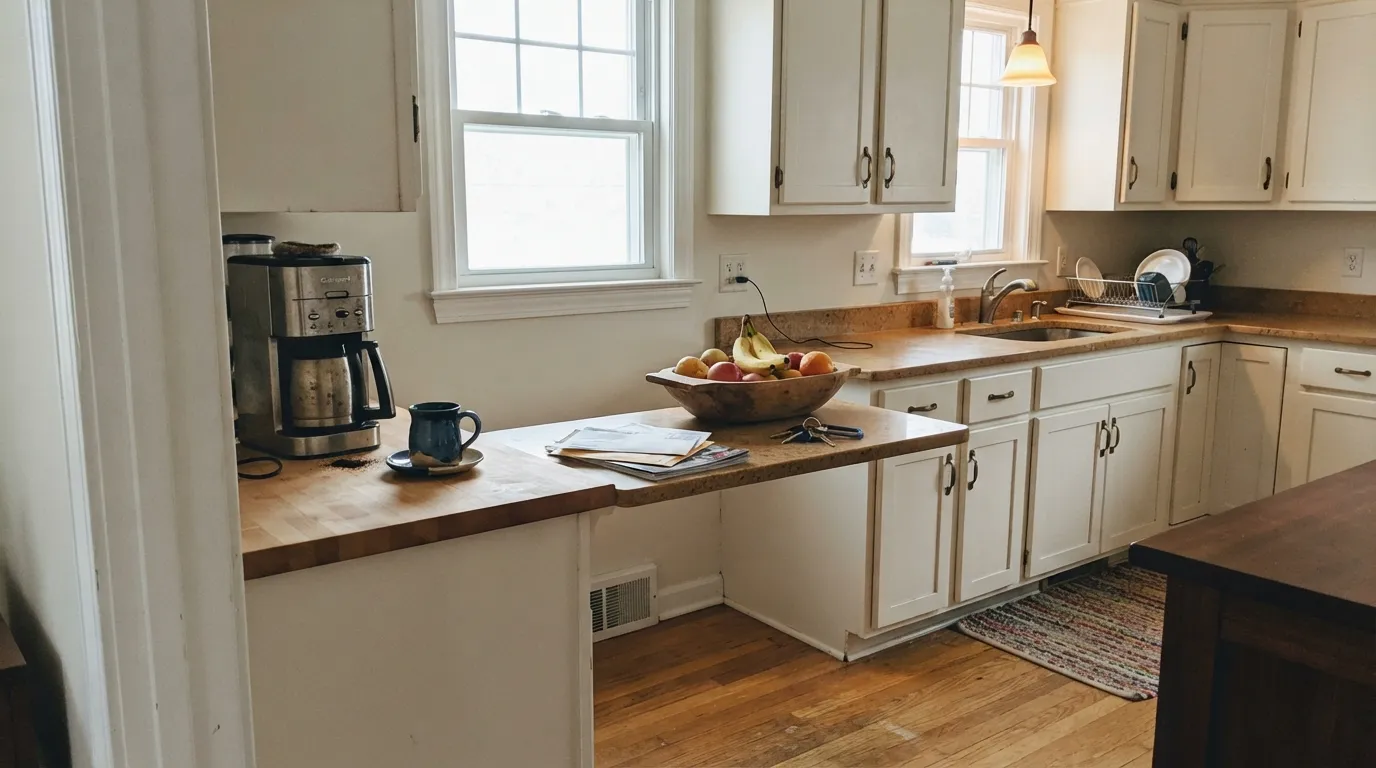
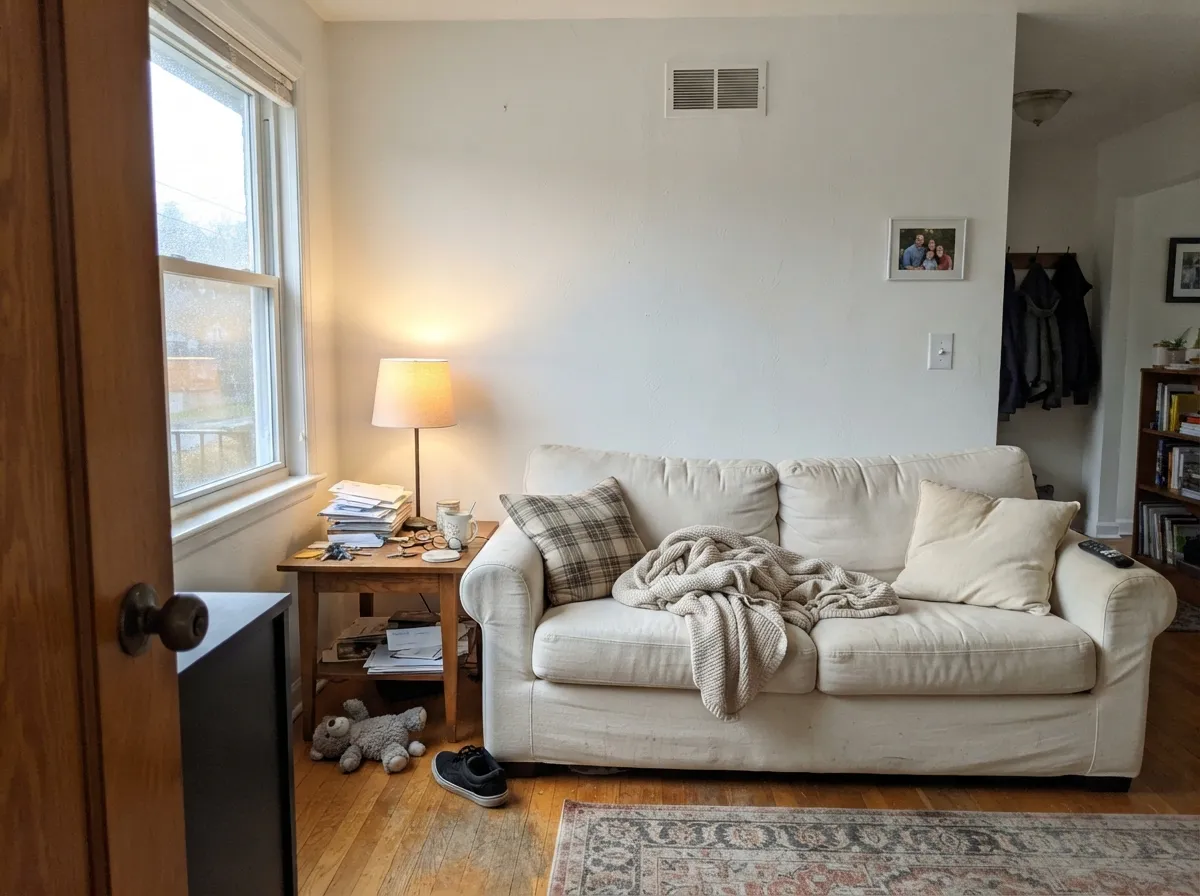
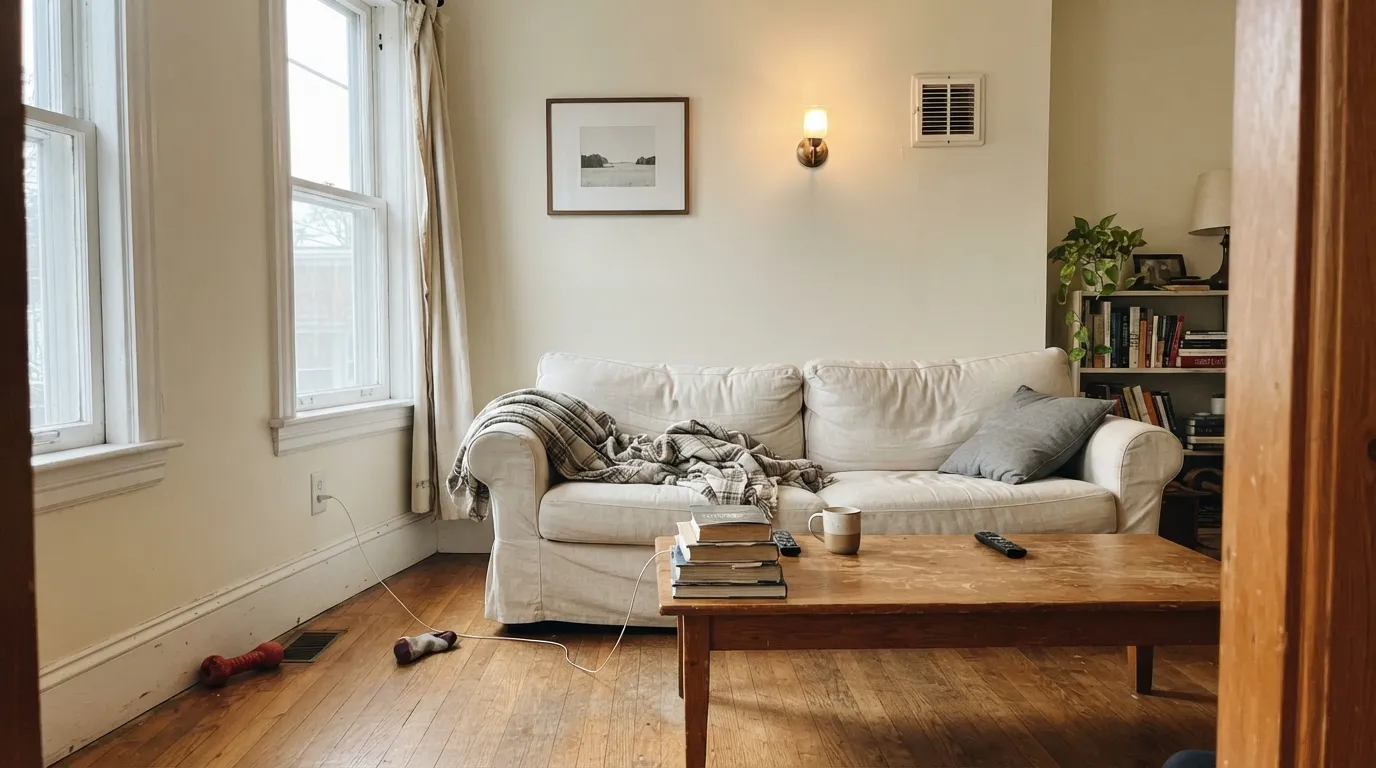
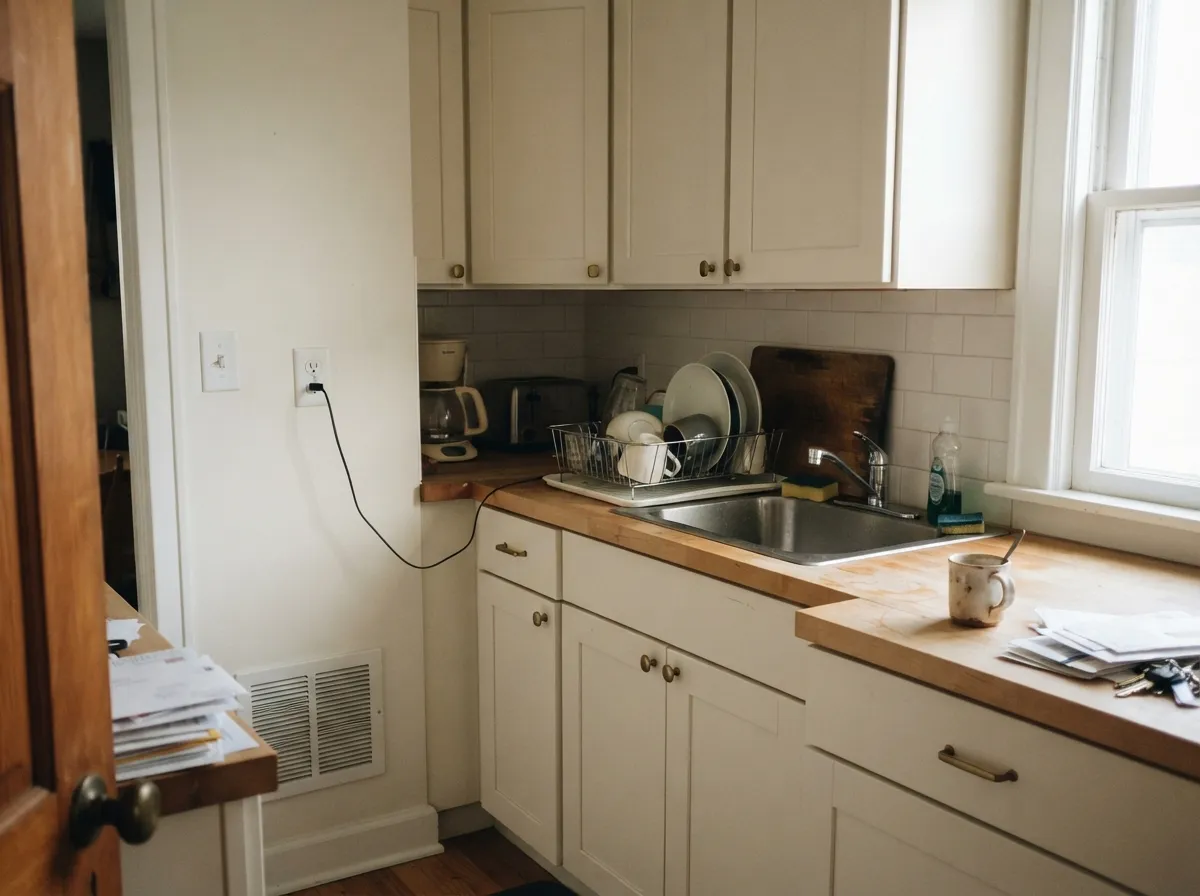
Photos from our full reviews — the same rooms and captions, so you can judge each color where it actually lives, not on a chip.
When to Pick Which
Bright open-plan spaces where one white runs through everything · north-facing rooms that need warming up · kitchen cabinets with wood, brass, and warm stone · anyone who finds pure white cold
Your room takes hard western afternoon sun · your trim or ceiling stays a brighter white · your kitchen is cool grey quartz and stainless · you want a true gallery white
Trim, doors and millwork in a warm-toned house · kitchen cabinets with brass and wood · ceilings over warm walls · north-facing rooms that need warmth without beige
Your counters are cool gray marble or bright white quartz · your trim will stay a brighter white · the room bakes in west sun all afternoon · you want a crisp gallery look
No comparison page can see your light. Upload one photo of your room and try both colors on the same walls, seconds apart.
Simply White vs Cloud White FAQ
Which is lighter, Simply White or Cloud White?
Simply White is lighter: LRV 90 vs 85. Simply White is slightly lighter (LRV 90 vs 85, 5-point delta).
Which is warmer, Simply White or Cloud White?
They share the same undertone family — both read near-white. The difference between them is lightness and depth, not temperature.
How similar are Simply White and Cloud White?
Simply White and Cloud White are visually nearly identical (ΔE 1.37). Most eyes can't tell them apart on a wall — pick whichever is easier to source. The only reliable test is seeing both in your own room and light — a side-by-side on a screen or chip flattens the difference.
Can I use Simply White and Cloud White together in one house?
Not in the same room, and be careful in the same house. At ΔE 1.37 they are so close that two walls in each will read as a tinting mistake, not a design choice. Pick one, or keep them on different floors where they are never seen together.
Ask a Question