Product review · Rust-Oleum · Updated August 7, 2026
LeakSeal Flexible Rubber CoatingRust-Oleum paint review
7.6/10Very good on a seam you can point at. Wrong on anything bigger than your hand.
A $9 to $13 can stops a weeping gutter seam in minutes and stays flexible through freeze-thaw. It is also the most misused can in the aisle, because it is not a roof coating.

Mark Thompson · Pro Contractor & Field Editor · Updated August 7, 2026
22 years running residential and light commercial repaints across the Midwest. Mark has sealed more weeping gutter miters and flashing joints than he can count, and still takes side jobs to keep the numbers honest. About the testing process →
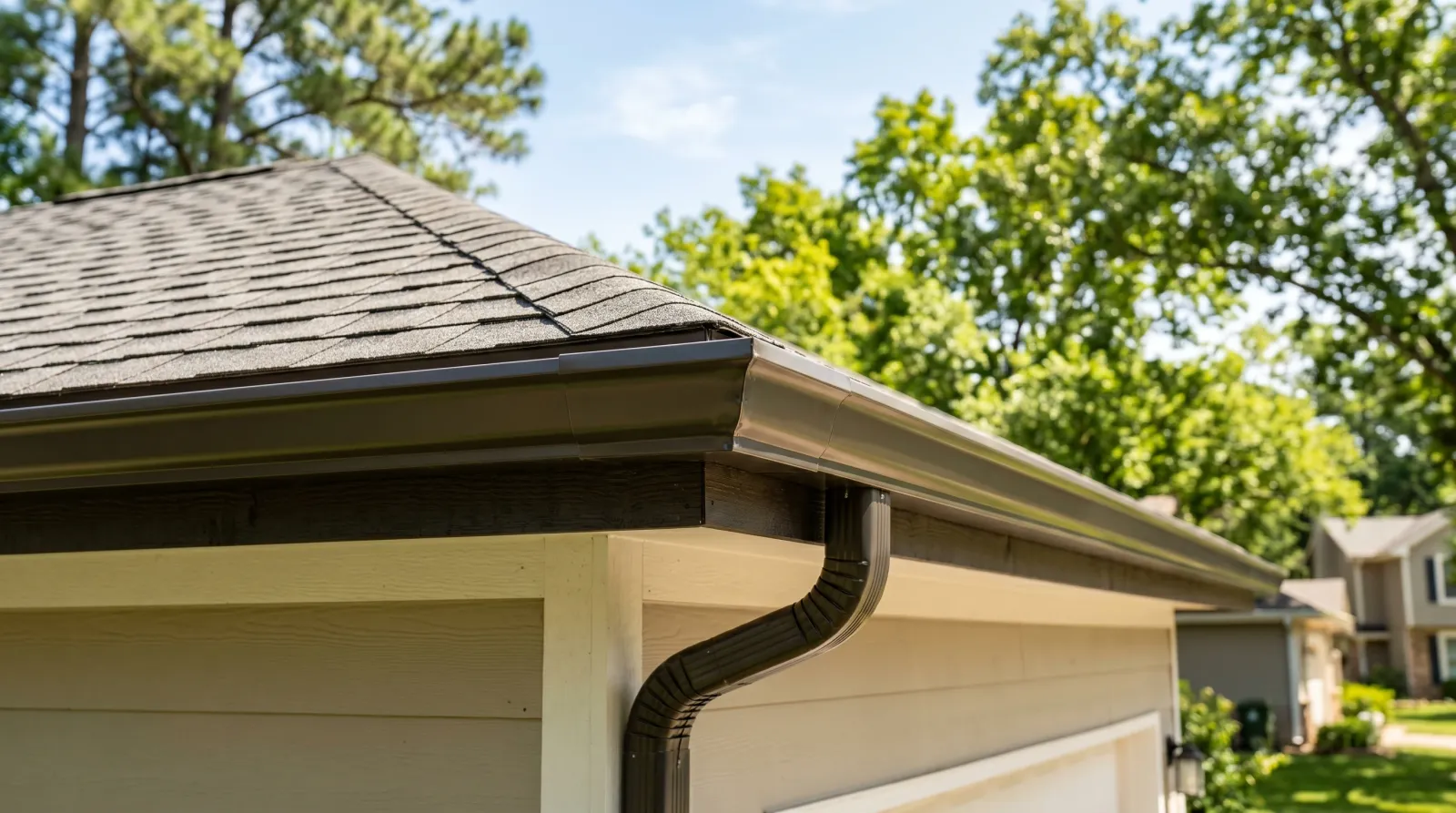
Rust-Oleum LeakSeal Flexible Rubber Coating5 sheens
RecoatWithin 30 min, or wait 24 hr
VOC433 g/L — oil-based aerosol
Sheens BlackClearWhiteAluminumBrown
Read this first
The Fast Verdict
Yes for a discrete leak — a weeping gutter seam, a flashing gap, a hairline crack in concrete or PVC. A $9 to $13 can seals that in minutes, flexes with the metal instead of cracking back open, and takes latex or oil after 24 hours. No for a roof, a large flat surface, or anything sitting in standing water: at about 8 sq ft a can it outspends a real elastomeric roof coating and quits sooner. Buy one can more than you planned.
Best for
Weeping gutter seams · Flashing gaps and joints · Hairline cracks in concrete or PVC · Ductwork and popped screw heads · Overhead and vertical spots · Repairs you want to topcoat later
Skip if
Coating a whole roof · Ponding or standing water · A leak that is actively running · Working with no ventilation · Anything bigger than your hand
What it's good at
- Sealing a gutter seam that has started to weep — two coats of black on a dried joint and the drip stops
- Staying flexible through freeze-thaw, so a hairline crack that opens and closes all winter does not split the coating
- Going on overhead without sagging, at a normal sealing thickness
- Taking a latex or oil topcoat after 24 hours, so a black repair on a white gutter does not stay a scar
- Working on almost any clean, dry substrate — metal, PVC, masonry, concrete, ductwork, flashing
- Costing $9 to $13 for a repair you can finish before the coffee is cold
What it's not good at
- Being a roof coating — it chalks under UV and cannot take ponding water across a span
- Coverage, at about 8 sq ft a can; a single gutter run drinks most of one
- Low odor or indoor work, at 433 g/L with no low-VOC version
- The middle of the recoat window, where a two-hour touch-up wrinkles the coat underneath
- Bonding to anything wet, oily, or holding loose rust
- Surfaces that run hotter than 200°F in service
Same shelf, different cans
Which LeakSeal Are You Buying?
The LeakSeal name covers more than one product, and they do not behave the same. This review is the Flexible Rubber Coating — the aerosol and the brush-on quart. If you grabbed a different can off the shelf, here is where to go.
LeakSeal Flexible Rubber Coating (this review)
BaseRubberized solvent-borne coating; 12-oz and 15-oz aerosol or brush-on quart
RecoatWithin 30 min, or wait 24 hr
Buy it if
You are spot-sealing seams, cracks, flashing, gutters, ductwork, or screw heads.
Avoid if
You need membrane thickness across an area. An aerosol gets there in six coats and most of three cans.
LeakSeal Liquid Rubber Coating
BaseHeavier-build brush or roll product sold by the gallon
Buy it if
You want a real rubber membrane over a larger area, like a planter box or a shower pan.
Avoid if
You have one seam to fix and want it done in ten minutes.
LeakSeal Flashing Tape
BasePeel-and-stick aluminum-faced butyl tape
Buy it if
The seam is flat and straight and you want it sealed instantly with no cure wait, no overspray, no respirator.
Avoid if
The shape is complex and a tape cannot follow it.
LeakSeal Clear
BaseSame rubberized coating, clear instead of pigmented
Buy it if
The repair sits on a finished surface where a black patch would read as a scar.
Avoid if
You thought this was a separate product line — it is a color of this same coating.
Numbers, not adjectives
Spec Sheet
- Coverage
- About 8 sq ft per 15-oz can at sealing thickness; less over a thick seam
- Finish
- Semi-smooth rubberized; reads flat to low-sheen
- Colors
- Black, Clear, White, Aluminum, Brown
- Dry
- Touch 20–30 min · handle 45–60 min
- Recoat
- Within 30 min, or wait 24 hr
- Topcoat-ready
- 24 hr; takes latex or oil
- VOC
- 433 g/L — oil-based aerosol, no low-VOC or GREENGUARD version
- Primer
- None; self-priming on a clean, dry, degreased surface
- Surfaces
- Gutters, flashing, roof seams, ductwork, PVC, masonry, concrete, metal
- Heat limit
- Not for surfaces that run hotter than 200°F
- Sizes
- 12-oz and 15-oz aerosol; brush-on quart
- Price
- $9–13 per 15-oz can; $20–28 for the brush quart
Application Settings That Work
- Brush
- The brush-on quart lays a far thicker film than the aerosol. Use it when the crack is wider than a hairline, when the flashing gap needs real body, or when you have several joints to do. The aerosol is the better tool overhead and on shapes a brush cannot follow.
- Primer
- None — it is self-priming, but only on a surface that is clean, dry, and degreased. Wire-brush loose rust, wipe off oil, let it dry. Do not apply to anything that runs hotter than 200°F in service.
Dry Times and the Recoat Trap
Touch dry at 20 to 30 minutes, and that is also roughly when it starts shrugging off water. Handle it at 45 to 60 minutes. Full set and topcoat-ready at 24 hours. The trap sits in the middle of the recoat window: hit it again inside about 30 minutes while the first coat is still fresh, or wait the full 24 hours. Come back at the two-hour mark and the solvent in the new coat softens the half-cured coat underneath and you get wrinkling. The can does not shout about it and people walk straight into it. Plan the weather too. You need a dry surface to bond, 20 to 30 minutes before it sheds rain, and 24 hours to set up properly. Seal a gutter the morning before three days of rain and you wasted a can.
Mid-project panic
When It Goes Wrong, and How to Fix It
The second coat wrinkled the first
Why it happens. You recoated in the dead zone. Fresh solvent lands on a coat that has skinned but not cured, softens it, and the film pulls itself into ridges. Same failure mode as most solvent aerosols.
The fix. Recoat inside about 30 minutes while the first pass is still fresh, or leave it a full 24 hours. If it already wrinkled, let it cure hard, scrape and scuff the ruined area back, and rebuild it in two thin coats inside the window.
It peeled off, and the rust came with it
Why it happens. It bonded to loose rust and dirt instead of the metal. Loose rust, oil, and moisture all wreck adhesion, and this coating is self-priming, not miracle-priming.
The fix. Wire-brush the loose rust back to tight metal, wipe the grease off, and let the surface dry completely before you spray. The prettiest spray job in the world peels off the rust it never bonded to.
The film came out powdery and weak
Why it happens. The can was too far off the surface. Past about 18 inches the spray dries in the air before it lands, so it stacks up as dust rather than knitting into a film.
The fix. Hold the can 8 to 18 inches out, with 8 to 12 inches as the sweet spot. Closer than that and you flood it and get runs. Two thin coats, not one heavy one — a thick pass sags and traps solvent.
The repair failed by the second summer on a roof
Why it happens. It was doing a job it is not built for. Across a span it chalks under UV and cannot take ponding water, and at about 8 sq ft a can you spend more getting there than a real roof coating costs.
The fix. Use a proper elastomeric roof coating for the field. Keep LeakSeal for the details a roof coating cannot reach cleanly: a single seam, a popped screw head, a tight flashing joint.
You ran out mid-seam and the seal is uneven
Why it happens. About 8 sq ft per can sounds fine until you are building real sealing thickness over a joint. A single gutter run drinks most of a can.
The fix. Buy one more can than the math says, or step to the brush quart for multi-joint work. If a section already went thin, scuff it, then rebuild it with two more thin coats inside the recoat window.
Side by side
LeakSeal Spray vs the Brush Quart vs LeakSeal Flashing Tape
Three ways to seal the same leak, from the same family. The shape of the joint decides more than the price does.
| LeakSeal Spray | LeakSeal Brush Quart | LeakSeal Flashing Tape | |
|---|---|---|---|
| Film thickness per pass | Thin. Plan on two coats minimum. | Thick. Real body over a wide crack in one or two passes. | Fixed thickness, straight out of the roll. |
| Best shape | Overhead gutter seams, odd shapes, tight details. | Wider cracks in concrete, flashing gaps you want body on. | Flat, straight seams a tape can follow. |
| Wait before it sheds water | 20–30 min; 24 hr to set up fully. | 20–30 min; 24 hr to set up fully. | None — sealed the moment it is stuck down. |
| Mess and ventilation | Overspray, 433 g/L solvent, respirator indoors. | No overspray, but same solvent and a brush to clean. | No overspray, no fumes, no respirator. |
| Price | $9–13 per 15-oz can | $20–28 per quart | $10–18 per roll |
| Where it wins | Speed on a gutter underside you cannot get a brush into. | Multi-joint jobs and anything that needs a heavy film. | Instant seal with zero cure wait and zero cleanup. |
Film thickness per pass
LeakSeal SprayThin. Plan on two coats minimum.
LeakSeal Brush QuartThick. Real body over a wide crack in one or two passes.
LeakSeal Flashing TapeFixed thickness, straight out of the roll.
Best shape
LeakSeal SprayOverhead gutter seams, odd shapes, tight details.
LeakSeal Brush QuartWider cracks in concrete, flashing gaps you want body on.
LeakSeal Flashing TapeFlat, straight seams a tape can follow.
Wait before it sheds water
LeakSeal Spray20–30 min; 24 hr to set up fully.
LeakSeal Brush Quart20–30 min; 24 hr to set up fully.
LeakSeal Flashing TapeNone — sealed the moment it is stuck down.
Mess and ventilation
LeakSeal SprayOverspray, 433 g/L solvent, respirator indoors.
LeakSeal Brush QuartNo overspray, but same solvent and a brush to clean.
LeakSeal Flashing TapeNo overspray, no fumes, no respirator.
Price
LeakSeal Spray$9–13 per 15-oz can
LeakSeal Brush Quart$20–28 per quart
LeakSeal Flashing Tape$10–18 per roll
Where it wins
LeakSeal SpraySpeed on a gutter underside you cannot get a brush into.
LeakSeal Brush QuartMulti-joint jobs and anything that needs a heavy film.
LeakSeal Flashing TapeInstant seal with zero cure wait and zero cleanup.
One weeping gutter miter, overhead, in an awkward spot: the spray. A wide crack in a concrete step or several flashing gaps that need real body: the brush quart, because you are not building that thickness out of an aerosol without burning three cans. A flat, straight seam you want sealed and done: the tape, since there is no dry time to schedule around and no respirator involved. Match the tool to the shape of the joint and all three do good work.
If not this one
Honest Alternatives
FS
Flex Seal Spray$8–15 per can
The famous-from-TV competitor at roughly the same money. It sprays a similar rubberized film and seals small seams about as well. LeakSeal holds an edge on flex and on cleaner overhead work, but for a one-off gutter patch Flex Seal is a fine grab if it is what is in stock.
H2
Henry 208R Wet Patch Roof Cement$15–25 per quart
When the seam is bigger or the surface is genuinely a roof, step up to a trowel-grade wet patch. It builds real thickness and is meant for roof use. Messier and not sprayable, but it will not pretend to be a roof coating and then quit.
RO
Rust-Oleum LeakSeal Flashing Tape$10–18 per roll
For a clean, straight seam you want sealed instantly, the peel-and-stick aluminum-faced butyl tape from the same family is often the better call. No dry time, no overspray, no respirator. Use tape on flat seams and save the spray for shapes a tape cannot follow.
Questions people actually ask
LeakSeal Flexible Rubber Coating Questions, Answered
Is Rust-Oleum LeakSeal worth it?
For a discrete leak — a weeping gutter seam, a flashing gap, a hairline crack in concrete or PVC — yes. A $9 to $13 can gives you a flexible, water-tight patch in minutes that survives freeze-thaw and takes a topcoat after 24 hours. It stops being worth it the moment the job gets big: at about 8 sq ft per 15-oz can, coating a flat roof costs more than a real elastomeric roof coating and fails by the second summer under UV and ponding water.
Is LeakSeal permanent or just a temporary patch?
Treat it as a multi-year repair, not forever. On a gutter seam or a flashing joint kept out of standing water, two thick coats hold three to five years. In ponding water or full UV on a flat roof, it chalks and lets go sooner. It buys you time to do the real fix, and on small seams that is often all you need.
Can I paint over LeakSeal once it cures?
Yes. After 24 hours it takes a latex or oil-based topcoat fine. That is the move when you used black or clear on a white gutter and want the repair to disappear. Scuff it lightly first so the topcoat grabs. Do not topcoat before the 24 hours or you will trap solvent and get wrinkling.
Will LeakSeal stop an active leak in the rain?
No. The surface has to be clean and dry to bond, and it needs 20 to 30 minutes before it shrugs off water. Spray a wet, dripping seam and it slides right off. Dry the area, wait for a dry forecast window, then seal. If water is actively running, this is not the product for that moment.
What is the difference between LeakSeal spray and the brush-on?
Same rubberized resin, different delivery. The spray is fast for overhead gutter seams and odd shapes. The brush quart lays a much thicker film, so it is better for filling a wider crack in concrete or a flashing gap you want real body on. For anything bigger than a hairline, the brush version earns its higher price.
Does LeakSeal work on a flat or rubber roof?
Only as a spot repair on a small seam or screw head, not as a roof coating. It is not built to span a whole flat roof or to take ponding water and constant UV across acres of membrane. For a real roof you want a proper elastomeric roof coating rated for that use. Use LeakSeal where a coating cannot reach, like a tight flashing detail.
How much does one can cover?
Less than people expect. About 8 sq ft per 15-oz can at a real sealing thickness, and a lot less once you build a heavy film over a seam. A single gutter run can eat most of a can. Buy two if you are doing more than one seam, because reloading on a half-empty can mid-job is how you run short.
How far should I hold the can from the surface?
Eight to 18 inches, and 8 to 12 inches is the sweet spot. Closer than 8 inches and you flood the surface and get runs. Farther than 18 inches and the spray dries before it lands, which leaves a powdery, weak film that will not seal.
How long do I wait before the second coat?
Within about 30 minutes while the first coat is still fresh, or a full 24 hours. The middle is the trap: recoat at the two-hour mark and the fresh solvent softens the half-cured coat underneath and wrinkles it. Two thin coats beat one thick one either way.
Can I use LeakSeal indoors?
Only with real ventilation and ideally a respirator. It is an oil-based aerosol at 433 g/L with no low-VOC or GREENGUARD version, so a crawlspace, a closed basement, or a bathroom with the door shut is the wrong place for it. Outdoors the VOC is a non-issue.
Keep exploring
Rust-Oleum brand hub and product lineupHow elastomeric coatings stretch and sealStopping water stains at the sourceBest masonry and concrete coatings
We may earn a commission when you buy through the retailer link above. It never changes the score or the verdict.
Ask a Question