Product review · Minwax · Updated August 7, 2026
Helmsman Spar UrethaneMinwax paint review
7.6/10The right clear coat for a front door and the wrong one for anything you walk on. That single line explains most of its reviews.
UV blockers and a film that flexes with the wood, which is exactly what a sun-baked front door needs. Put it on a floor or a deck and you have written your own one-star review.

Mark Thompson · Pro Contractor & Field Editor · Updated August 7, 2026
22 years of residential repaints and exterior finish work. Mark has a white oak entry door on the south side of a house he shot three coats of Helmsman on, and he recoats it once a year to see how the film is holding. About the testing process →
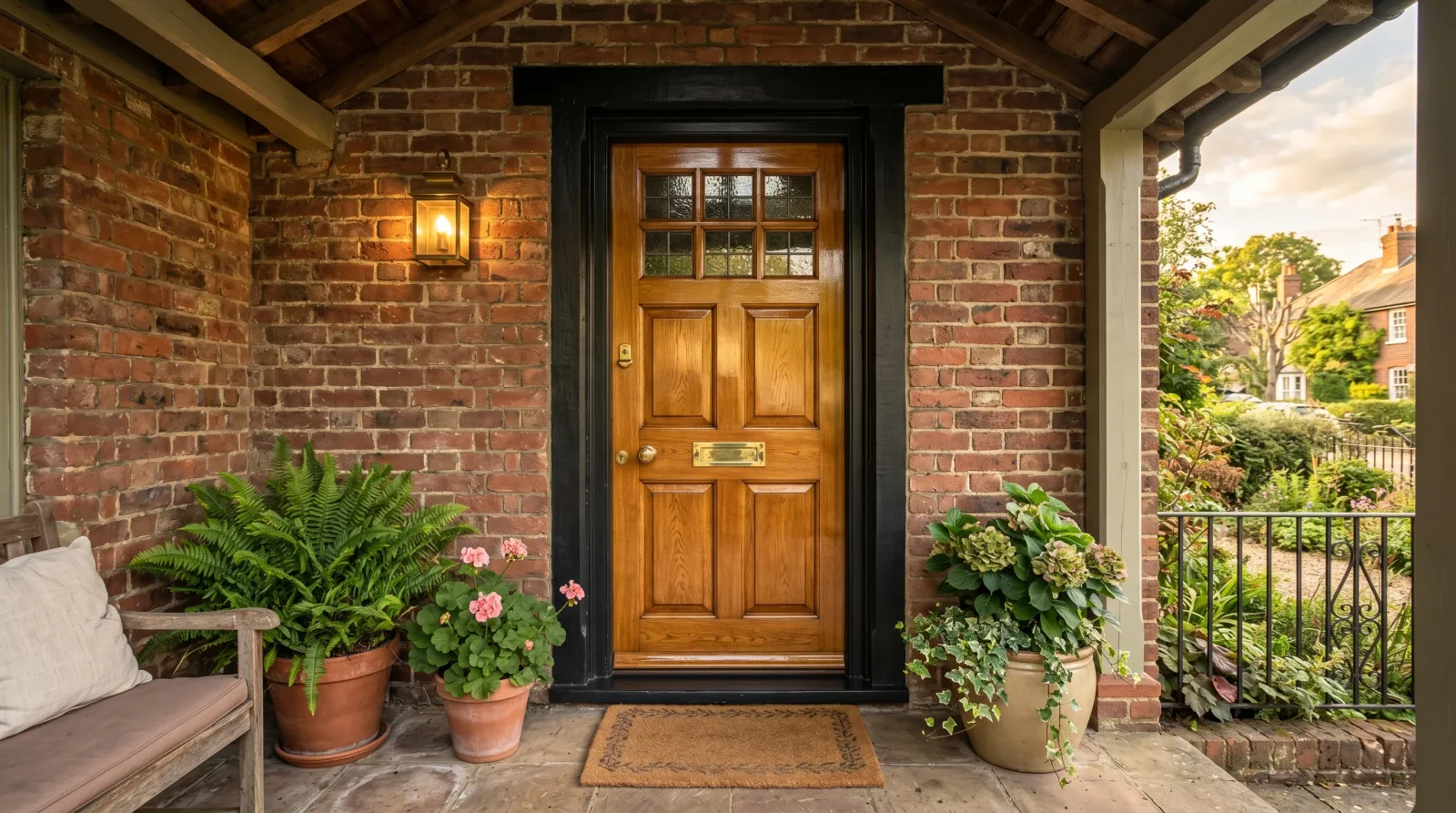
Minwax Helmsman Spar Urethane3 sheens
Coverage125 sq ft / quart
Recoat4 hr; about 2 hr for the water-based version
VOC350 g/L oil-based
Full cureAbout 7 days
Sheens GlossSemi-GlossSatin
Read this first
The Fast Verdict
On exterior wood that stays vertical or low-contact — a front door, window sashes and sills, porch furniture — buy it. At $22 to $32 a quart the UV absorbers and the flexible long-oil film do a job no interior polyurethane can, and it is on the shelf at every hardware store. On a floor, a deck, or anything you walk on, no. It stays soft by design, so it scuffs and prints under traffic. Budget a scuff and a recoat every two to three years on a sun-blasted door.
Best for
Exterior front doors · Window sashes and sills · Adirondack chairs and porch benches · Outdoor bar tops · Cedar, oak, mahogany, pine you want to see the grain on · Anything vertical in full sun
Skip if
Decks and interior floors · Fences · Tabletops that take daily abuse · Pale maple, ash, or white trim you want to keep light · You will not recoat every two to three years
What it's good at
- Stopping the gray-out on bare exterior wood — the UV absorbers are not marketing fluff
- Flexing with a door that swells in July and shrinks in January instead of cracking at the panel joints
- Looking like wood, not plastic; warm and lit-from-within on oak, mahogany, and pine
- Being on the shelf at any hardware store for $22 to $32 a quart
- Building a thicker film per coat than the water-based version
- The 11.5-oz aerosol on spindles, chair backs, and carved trim a brush runs on
What it's not good at
- Anything walked on — floors, decks, and stair treads scuff and print fast
- Keeping to schedule; a humid or cool day stretches the 4-hour recoat past a workday
- Pale maple, ash, or white trim, which it ambers a little more every year
- Fences, where a film finish peels acre by acre
- Set-and-forget ownership; a sun-blasted door wants a scuff and a coat every two to three years
- Low-odor work, since there is no low-VOC certification on the oil can
Same shelf, different cans
Which Helmsman Are You Buying?
Two Helmsman products share the name and they are not interchangeable. Grab the wrong one and your project behaves differently than the video you watched. This review is the oil-based can.
Helmsman Spar Urethane, oil-based (this review)
BaseLong-oil alkyd with UV absorbers
SheensGloss, Semi-Gloss, Satin
Recoat4 hr in warm, dry, ventilated conditions
YellowingWarm amber out of the can; ambers further over three or four years of sun
Buy it if
Full-sun exterior wood where you want maximum protection and a warm look. It builds a thicker film per coat and holds up longer in hard sun, which is why most pros reach for it outdoors.
Avoid if
The wood is pale and you want it to stay pale, or you cannot ventilate — it stinks and it can take hours to dry between coats.
Water-Based Helmsman Spar Urethane
BaseWater-based
RecoatAbout 2 hr
YellowingStays water-clear; will not amber a pale wood
Buy it if
Interior projects, fast turnarounds, low odor, and light woods like maple or white oak you want to keep light. Warm-water cleanup.
Avoid if
You are finishing a south-facing door in hard sun. It builds thinner per coat, so you are adding coats for the same protection.
Numbers, not adjectives
Spec Sheet
- Coverage
- 125 sq ft / quart, about 500 sq ft / gal per coat
- Sheens
- Gloss, Semi-Gloss, Satin
- Recoat
- 4 hr (oil); about 2 hr for the water-based version
- Dry to handle
- 24 hr
- Full cure
- About 7 days
- Coats
- Three on bare or exterior wood; two on sound interior work
- VOC
- 350 g/L oil-based, 275 g/L water-based. No low-VOC certification
- Primer
- Self-priming; thin the first coat 50/50 with mineral spirits to seal bare wood
- Surfaces
- Exterior and interior wood in sun, water, and temperature swings. Not floors, decks, or fences
- Sizes
- 11.5-oz aerosol, quart, gallon
- Price
- $22–32 / qt, $55–75 / gal street
Application Settings That Work
- Brush
- Brushes and self-levels well if you go thin. Overload the brush and it goes gummy and holds every brush mark, so lay it on light and keep moving. Three coats on bare or exterior wood, two on sound interior work, with a 220-grit scuff between every one. The 11.5-oz aerosol is genuinely useful on spindles, chair backs, and carved trim — light passes, let it flash, repeat.
- Thinning
- Thin the first coat about 50/50 with mineral spirits on bare wood so it soaks in and seals. Full strength after that. Cleanup is mineral spirits on the oil version, warm water on the water-based one.
- Primer
- None — it is self-priming on bare wood, or it goes over a compatible oil stain. Scuff-sand with 220-grit between coats; skipping that is how you get a coat that peels off the one under it in a year.
Dry Times in the Real World
Minwax says recoat at 4 hours. That number assumes a warm, dry, well-ventilated day. On a humid afternoon or a cool fall morning you are waiting six, eight, sometimes overnight, so three coats on one door can eat a whole weekend. Handle it at 24 hours, then give it a full week before hard use or before you stack anything on a horizontal surface like a bar top. A film that has skinned over but has not cured underneath dents and prints, and that damage is permanent. If the schedule is the problem, the water-based version recoats in about two hours and costs you build per coat. Plan for the weather, not for the label.
Mid-project panic
When It Goes Wrong, and How to Fix It
It scuffed, dented, and printed within months
Why it happens. Wrong surface, and it is the number-one complaint. Helmsman stays soft and flexible by design, because that flex is what stops it cracking when exterior wood moves. Under foot traffic or daily abuse that softness works against you. Minwax prints not for floors, decks, or fences right on the can, and it is the most-ignored line on the label.
The fix. Move the product to the job it was built for. Deck: a deck stain. Interior floor: a floor-rated polyurethane. Fence: a solid or semi-transparent exterior stain, not a film finish. Helmsman belongs on vertical and low-contact wood.
Still tacky hours past the four-hour recoat
Why it happens. Humidity and temperature. The 4-hour figure is a warm, dry, ventilated day. Cool mornings, humid afternoons, and dead air all stretch it, and a coat that goes on heavy stretches it further.
The fix. Wait it out rather than forcing the next coat — a second coat over an uncured first stays gummy for days. Work on the sunny side of the day, keep coats thin, and get air moving. If the calendar is tight, switch to the water-based version, which recoats in about two hours.
Pale wood or white trim slowly turning yellow
Why it happens. All oil spar finishes do this. It is already warm amber out of the can, and three or four years of sun ambers it further. On red oak or pine that reads as rich. On maple, ash, or white-painted trim, it is a slow sabotage.
The fix. There is no cleaner for it, so this is a buying decision, not a repair. If color shift matters, use the water-based Helmsman, which stays clear, and accept a thinner build per coat.
A coat peeling off the one under it after a year
Why it happens. Nobody scuffed between coats. Cured spar urethane is slick, and a fresh coat over an unsanded one has nothing to grip.
The fix. Scuff-sand with 220-grit between every coat, and thin the first coat about 50/50 with mineral spirits on bare wood so it soaks in and seals. Where it has already let go, sand back to sound film before you build again.
The door finish failed completely instead of just dulling
Why it happens. Maintenance nobody budgeted for. A clear exterior finish is not paint and it is not fifteen years and forget it. A sun-blasted door wants a scuff and a fresh coat every two to three years. Let it go past that and the film breaks down to bare wood.
The fix. Now you are stripping instead of scuffing — take it back to bare, then rebuild three coats. Going forward, put the maintenance coat on the calendar. One coat a year on a south-facing door is cheap next to a strip-and-refinish.
Side by side
Helmsman Oil vs Water-Based Helmsman vs Epifanes Clear Varnish
Three clear coats for exterior wood, at three prices. The decision usually comes down to how much sun the piece takes and whether you can give up a whole weekend to dry time.
| Helmsman Oil | Helmsman Water-Based | Epifanes Clear Varnish | |
|---|---|---|---|
| UV and weather protection | UV absorbers, built for full sun. The reason to buy it. | Protected, but the thinner build means more coats outdoors. | Deeper UV package and a longer service life in brutal sun. |
| Recoat time | 4 hr on a good day, longer when it is humid or cool. | About 2 hr. Doubles your pace. | Slower and fussier than either Helmsman. |
| Color | Warm amber, ambers further with age. | Stays water-clear; will not amber pale wood. | Glassier build; a real varnish look. |
| Build per coat | Thickest of the three Minwax options. | Thinner — plan an extra coat. | Heavy build, showroom depth. |
| Odor and cleanup | Strong smell, mineral spirits. | Barely smells, warm water. | Solvent, and it wants a careful setup. |
| Price | $22–32 / qt | $20–28 / qt | $45–60 / qt |
| Where it wins | A south-facing front door in zone 5. | Interior tabletops, kids' projects, white oak you want light. | A high-end door or boat brightwork you want showroom for years. |
UV and weather protection
Helmsman OilUV absorbers, built for full sun. The reason to buy it.
Helmsman Water-BasedProtected, but the thinner build means more coats outdoors.
Epifanes Clear VarnishDeeper UV package and a longer service life in brutal sun.
Recoat time
Helmsman Oil4 hr on a good day, longer when it is humid or cool.
Helmsman Water-BasedAbout 2 hr. Doubles your pace.
Epifanes Clear VarnishSlower and fussier than either Helmsman.
Color
Helmsman OilWarm amber, ambers further with age.
Helmsman Water-BasedStays water-clear; will not amber pale wood.
Epifanes Clear VarnishGlassier build; a real varnish look.
Build per coat
Helmsman OilThickest of the three Minwax options.
Helmsman Water-BasedThinner — plan an extra coat.
Epifanes Clear VarnishHeavy build, showroom depth.
Odor and cleanup
Helmsman OilStrong smell, mineral spirits.
Helmsman Water-BasedBarely smells, warm water.
Epifanes Clear VarnishSolvent, and it wants a careful setup.
Price
Helmsman Oil$22–32 / qt
Helmsman Water-Based$20–28 / qt
Epifanes Clear Varnish$45–60 / qt
Where it wins
Helmsman OilA south-facing front door in zone 5.
Helmsman Water-BasedInterior tabletops, kids' projects, white oak you want light.
Epifanes Clear VarnishA high-end door or boat brightwork you want showroom for years.
For a south-facing door in hard sun, the oil can, and give up the weekend to the dry time. For anything interior, any pale wood, or a job you need finished today, the water-based version, and put an extra coat on to make up the build. If the door is expensive and you want it looking showroom for years rather than seasons, Epifanes is worth roughly double — you are buying a longer interval between refinishes, not a different look.
If not this one
Honest Alternatives
MH
Minwax Helmsman Water-Based$20–28 / qt
Same family, similar money, faster everything. Two-hour recoats, soap-and-water cleanup, almost no smell, and it stays clear so it will not amber light wood. It builds thinner per coat, so plan on an extra coat for the same outdoor protection.
EC
Epifanes Clear Varnish$45–60 / qt
A real marine varnish, the kind boat people use on brightwork. Deeper UV package, glassier build, and a longer service life in brutal full sun than Helmsman delivers. It is slower, fussier to apply, and costs roughly double.
SP
Sikkens (PPG ProLuxe) Cetol Door & Window$55–70 / qt
A pigmented exterior wood finish, not a clear coat. The transparent color is what buys its long UV life, because pigment blocks sun better than a clear film ever will. Choose it when you want the grain to show but you are tired of recoating a clear finish every couple of years.
Questions people actually ask
Helmsman Spar Urethane Questions, Answered
Is Minwax Helmsman Spar Urethane worth it?
On exterior wood that stays vertical or low-contact — a front door, window sashes and sills, porch furniture — yes. At $22 to $32 a quart the UV absorbers and the flexible long-oil film do a job no interior polyurethane can, and it is on the shelf at every hardware store in the country. On a floor, a deck, or anything you walk on, no. It stays soft by design, so it scuffs and prints under traffic, and that is where most of the one-star reviews come from.
Is Helmsman Spar Urethane good for an exterior front door?
Yes, this is its best job. A south or west-facing wood door takes the worst sun and weather, and Helmsman's UV absorbers plus its flexible film are built for exactly that. Use three coats of the oil-based gloss or semi-gloss, then re-scuff and recoat every two to three years. That maintenance cycle is the price of a clear finish outdoors.
Can I use Helmsman on a deck or a wood floor?
No. Minwax says so on the can, and they are right. Helmsman stays soft and flexible by design, so foot traffic scuffs and prints it fast. For a deck, use a deck stain or a porch and floor enamel. For an interior floor, use a floor-grade polyurethane. Helmsman is for vertical and low-traffic surfaces.
Oil-based or water-based Helmsman, which one?
Oil-based for full sun and maximum protection; it is the tougher, warmer-looking film and the version most pros reach for outdoors. Water-based for indoor projects, fast recoats, low odor, and keeping light woods like maple from ambering. The oil yellows over the years, so if you do not want that on white oak or a pale piece, go water-based.
How many coats does Helmsman need?
Three on bare or exterior wood, two on interior or previously finished wood in good shape. Thin the first coat about 50/50 with mineral spirits so it soaks in and seals. Scuff-sand with 220-grit between every coat. Skipping the sanding is how you get a coat that peels off the one under it in a year.
Do I have to thin the first coat?
On bare wood, yes — about 50/50 with mineral spirits. That first thinned coat soaks into the wood and seals it, so the full-strength coats on top have something solid to build on. Over a compatible oil stain or previously finished wood in good shape you can go straight to full strength.
How long until it is fully cured?
Recoat at 4 hours for the oil version, handle it at 24 hours, but give it a full week before hard use or stacking anything on a horizontal surface like a bar top. Cool or humid weather stretches all of those. A skinned-over film that has not cured underneath dents and prints.
How often do I need to recoat a front door?
Every two to three years on a sun-blasted door, and a light maintenance coat once a year is better still. A clear exterior finish is not paint. Let it go past the point where the film is breaking down and you are stripping to bare wood instead of scuffing and recoating.
Can I use it indoors?
Yes, and it works fine on interior wood that sees sun and temperature swings, like a sunroom table or window trim. But indoors the water-based version is usually the better buy: two-hour recoats, almost no smell, and it will not amber a pale wood over the years.
Keep exploring
Minwax brand guide and product reviewsWhat spar urethane actually isSpar urethane vs marine varnishBest exterior door finishes
We may earn a commission when you buy through the retailer link above. It never changes the score or the verdict.
Ask a Question