Product review · Krylon · Updated August 7, 2026
Triple-Thick Crystal Clear GlazeKrylon paint review
7.8/10The fastest glass-deep gloss in a can — for indoor pieces only, because it is not UV-rated.
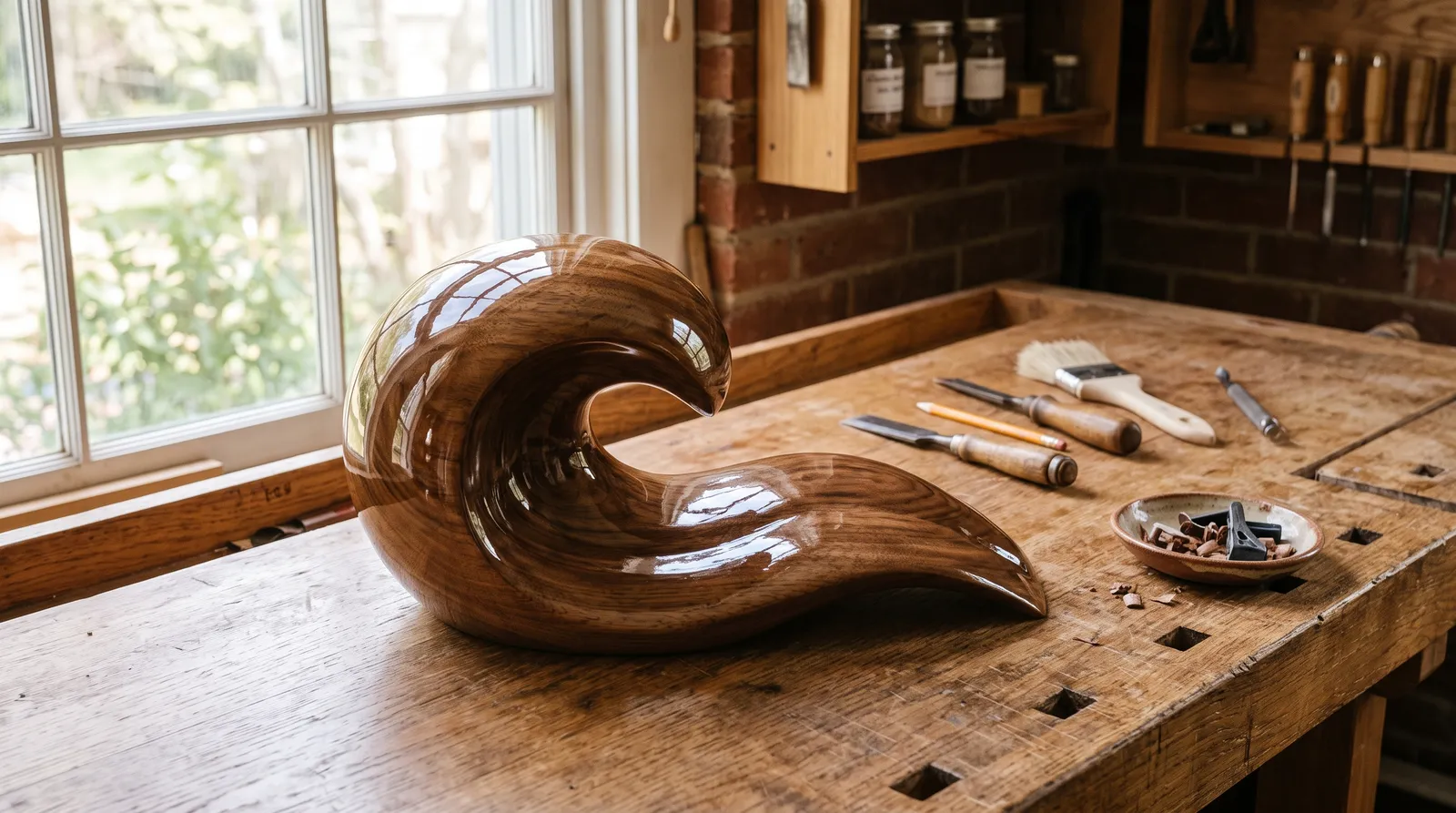
One pass lays down about three coats' worth of clear, which is the fastest route to a glass-deep gloss in a rattle can. It is also the fastest route to a run, and it is not UV-rated.

Maya Patel · Reviews Editor & Product Tester · Updated August 7, 2026
Maya spent five years running comparative product testing at a consumer testing nonprofit before joining CompositePaint. She built the round-up protocol the team uses, and she has sprayed enough rattle cans side by side to know which ones earn the extra two dollars. About the testing process →
Krylon Triple-Thick Crystal Clear Glaze
Coverage20–25 sq ft per 12-oz can in one pass
RecoatOn highly porous surfaces
Read this first
The Fast Verdict
Buy it for indoor work. At $8 to $13 a can, one pass lays down about as much film as three coats of a standard clear, and nothing else in a rattle can builds that glass-deep gloss that fast. It grips wood, metal, plastic, glass, ceramic, paper, polymer clay, and bisque, and the flexible acrylic moves with wood instead of crazing. Skip it for anything in a sunny window or outdoors, because it is not a UV-resistant formula and it can amber, and skip it on large verticals, where the heavy body runs.
Best for
Indoor crafts and décor · Polymer clay and painted rocks · Ceramics and bisque · Sealed wood pieces · Display-grade high-gloss shine
Skip if
The piece sits in a sunny window · Outdoor projects · Large vertical surfaces · Anything that bends or folds · You want satin or matte
What it's good at
- One-pass, glass-deep gloss where a standard clear needs three or four coats and a day
- The wet, dipped look on polymer clay and décor without mixing two-part resin
- Sealing an unusually wide surface list, from bisque and ceramic to paper and wicker
- Acting as a kiln-free glassy glaze on pottery and bisque pieces
- Flexing with wood movement instead of crazing the way a brittle lacquer does
- Turning a craft batch around fast — touch dry in 15 minutes
- Costing very little for the depth you get, at $8 to $13 a can
What it's not good at
- Control on verticals — the heavy body curtains and drips if you linger
- Sunlight, because it is not UV-rated and can amber within a season in a window
- Damp air, where the thick film dries cloudy instead of crystal clear
- Surfaces that bend hard; a thick glassy coat still crazes where the substrate folds
- Being ready fast — 4 hours to handle, and 24 before real handling
- Sheen choice, since extra high gloss is the only option
Same shelf, different cans
Which Krylon Clear Are You Buying?
The Krylon clear-coat shelf is a trap, because three different cans all say Crystal Clear in some form and they do different jobs. Grab the wrong one and your project either stays thin or yellows in the sun.
Triple-Thick Crystal Clear Glaze
BaseHeavy-build clear acrylic glaze; flexible, will not crack like a lacquer
SheensExtra high gloss only
Recoat2–3 min on highly porous surfaces
YellowingNot UV-resistant, not labeled non-yellowing — can amber in sunlight
Buy it if
You want one-pass, glass-deep gloss on indoor crafts, polymer clay, ceramics, or sealed wood.
Avoid if
The piece sees daylight, or you need run-free control on a big vertical.
Krylon Crystal Clear (standard)
BaseEveryday clear acrylic, a fraction of the body
SheensFlat through gloss
Buy it if
You want thin, controllable protection you build up coat by coat, or a sheen other than high gloss.
Avoid if
You want depth and shine in one shot without building coats.
Krylon UV-Resistant Clear (Gallery Series)
BaseClear coating formulated to resist yellowing and UV fade
YellowingBuilt to resist it — this is the whole point of the can
Buy it if
The piece is artwork, or it will see daylight for years indoors or out.
Avoid if
You are chasing the glass-deep one-pass build, which you give up here.
Numbers, not adjectives
Spec Sheet
- Finish
- Extra high gloss, clear, with glass-like depth
- Build
- One coat equals about three coats of standard clear
- Formula
- Flexible acrylic — moves with the surface instead of cracking like lacquer
- Coverage
- 20–25 sq ft per 12-oz can in one pass
- Dry / Handle
- Touch 15 min · handle 4 hr · wait 24 hr before heavy handling
- Recoat
- On highly porous surfaces, recoat after 2–3 min
- Surfaces
- Wood, metal, plastic, glass, plaster, ceramic, paper, wicker, polymer clay, bisque
- UV / Yellowing
- Clear acrylic only; not a UV-resistant or labeled non-yellowing formula
- Application
- Hold the can 10 to 12 inches out; one full pass builds the coat
- Best conditions
- 55–75°F, humidity under 60%
- Sizes
- 12-oz aerosol can only
- Price
- $8–13 per 12-oz can; multi-packs cheaper per can
Dry Times in the Real World
Touch dry at 15 minutes makes this feel faster than it is. The film underneath is roughly three coats thick, and a thick film takes its time. It is handleable at 4 hours, but it wants a full 24 before real handling, and skipping that is how people press fingerprints into a piece that felt dry to the back of a knuckle. On highly porous surfaces the useful window is the opposite extreme — recoat after only 2 to 3 minutes, while the first pass is still open, rather than waiting. And the whole schedule depends on the room: at 55 to 75°F with humidity under 60% it sets predictably, but in damp air the same thick film can take far longer than 15 minutes to skin and dry cloudy when it finally does.
Mid-project panic
When It Goes Wrong, and How to Fix It
Curtains and drips on a vertical piece
Why it happens. The body that makes one coat equal three comes down fast. Linger half a second, or hold the can too close, and there is more material on the surface than it can hold. New users flood it constantly, and you cannot sand a run out of a glossy clear without killing the shine.
The fix. Hold the can 10 to 12 inches out, keep it moving through the whole pass, and start the pass before the piece and finish it after. Two lighter passes beat one heavy one every time. Lay flat pieces horizontally when you can — gravity is doing half the damage on a vertical.
The clear dried cloudy or hazy
Why it happens. Humidity. A thick film traps moisture as it cures, so a damp day fogs the coat instead of leaving it crystal clear, and the film takes much longer than the stated 15 minutes to set.
The fix. Only spray inside the 55 to 75°F, under-60%-humidity window — for this can it is a requirement, not a suggestion. Move the work into a dry garage or wait for a dry day. A hazed coat has to be recoated or stripped; there is no buffing it clear.
The gloss ambered after a season
Why it happens. This is a clear acrylic glaze, not a UV-resistant coating, and it is not labeled non-yellowing. Indoors and out of direct light it stays clear for years. In a sunny window or outdoors owner reports split hard — some see nothing, others watch it yellow within a season.
The fix. Match the can to where the piece lives. Anything that sees daylight should get Krylon's UV-Resistant Clear instead, or a non-yellowing water-based brush-on. Once it has ambered the only route back is stripping and recoating with the right product.
The base coat softened or wrinkled under the clear
Why it happens. A heavy thick pass carries enough solvent to reactivate an underlayer that has not fully cured. Fresh acrylic paint and chalk-finish paint are the usual victims.
The fix. Let the base cure fully before you clear it, and lay the first pass light rather than flooding it. Two thin passes beat one flood coat on anything you care about.
The finish crazed where the piece bends
Why it happens. The acrylic is flexible enough for wood movement, but a thick glassy coat is still a thick glassy coat. On thin flexible plastics, fabric, or anything that folds, the substrate moves further than the film can.
The fix. Keep this can for rigid pieces. Anything that flexes hard wants a thinner, more forgiving sealer built to move with it.
Side by side
Triple-Thick vs UV-Resistant Clear vs Minwax Polycrylic
Three clears people cross-shop for a craft or furniture piece. Where the finished piece will sit decides this more than anything on the label.
| Krylon Triple-Thick | Krylon UV-Resistant Clear | Minwax Polycrylic | |
|---|---|---|---|
| Build per pass | About three coats' worth in one pass — the whole point of the can. | Less build; you give up the one-pass depth. | Brushed on and built up coat by coat. |
| Gloss depth | Glass-like, wet, dipped-looking. | Protective rather than deep. | Clean, but not the resin look. |
| Yellowing / UV | Not UV-resistant, not labeled non-yellowing. Can amber in sun. | Formulated to resist yellowing and UV fade. | Non-yellowing, and stays clear over white and pale wood. |
| Control | Runs easily on verticals if you linger. | Easier to keep even than a heavy-build can. | Will not run like an over-sprayed aerosol, but shows brush marks if you rush. |
| Best use | Indoor crafts, polymer clay, ceramics, sealed wood, high-gloss décor. | Artwork, photos, and anything in a window or outdoors. | Furniture-grade indoor work where durability matters most. |
| Price | $8–13 per 12-oz can | $10–15 per can | $12–20 per quart |
Build per pass
Krylon Triple-ThickAbout three coats' worth in one pass — the whole point of the can.
Krylon UV-Resistant ClearLess build; you give up the one-pass depth.
Minwax PolycrylicBrushed on and built up coat by coat.
Gloss depth
Krylon Triple-ThickGlass-like, wet, dipped-looking.
Krylon UV-Resistant ClearProtective rather than deep.
Minwax PolycrylicClean, but not the resin look.
Yellowing / UV
Krylon Triple-ThickNot UV-resistant, not labeled non-yellowing. Can amber in sun.
Krylon UV-Resistant ClearFormulated to resist yellowing and UV fade.
Minwax PolycrylicNon-yellowing, and stays clear over white and pale wood.
Control
Krylon Triple-ThickRuns easily on verticals if you linger.
Krylon UV-Resistant ClearEasier to keep even than a heavy-build can.
Minwax PolycrylicWill not run like an over-sprayed aerosol, but shows brush marks if you rush.
Best use
Krylon Triple-ThickIndoor crafts, polymer clay, ceramics, sealed wood, high-gloss décor.
Krylon UV-Resistant ClearArtwork, photos, and anything in a window or outdoors.
Minwax PolycrylicFurniture-grade indoor work where durability matters most.
Price
Krylon Triple-Thick$8–13 per 12-oz can
Krylon UV-Resistant Clear$10–15 per can
Minwax Polycrylic$12–20 per quart
For indoor display pieces where you want depth fast and cheap, Triple-Thick is the easy pick and nothing else in a can matches its build. The moment daylight is involved, stop — buy the UV-Resistant Clear and accept a thinner film. And for a tabletop or a furniture piece that has to take real use over pale wood, a quart of Polycrylic seals far more surface, will not run, and stays clear.
If not this one
Honest Alternatives
KC
Krylon Crystal Clear (standard)$6–10 per can
The everyday clear from the same family with a fraction of the body. Slower because you build it coat by coat, but far harder to flood and run, easier to keep crystal clear in imperfect conditions, and available in satin and matte, which Triple-Thick does not offer.
KU
Krylon UV-Resistant Clear (Gallery Series)$10–15 per can
The right answer the moment the piece sees daylight. Formulated to resist yellowing and protect against UV fade, which Triple-Thick is not. You give up the glass-deep one-pass build and keep the finish clear for the long haul on artwork, photos, and anything outdoors.
MP
Minwax Polycrylic (brush-on)$12–20 per quart
The pick for maximum durability and a non-yellowing clear over light surfaces. Slower and it shows brush marks if you rush, but a quart seals far more than a 12-oz can, it will not run like an over-sprayed aerosol, and it stays clear over white and pale wood. Right for furniture-grade indoor work.
Full review →Questions people actually ask
Triple-Thick Crystal Clear Glaze Questions, Answered
Is Krylon Triple-Thick Crystal Clear worth it?
For indoor work, yes. One pass lays down roughly three coats' worth of clear at $8 to $13 a can, which gets you a glass-deep, wet-look gloss on crafts, polymer clay, ceramics, and sealed wood in a fraction of the time a standard clear takes. It is the wrong can for anything in a sunny window or outdoors, because it is not UV-resistant and can amber, and the heavy body runs on verticals if you linger.
Does triple-thick really equal three coats?
Close to it. Krylon's claim is that one coat equals about three coats of a standard clear, and in practice that holds — the aerosol lays a genuinely heavier film than a normal Crystal Clear can, so you get glass-like depth in a single pass instead of building it up over an afternoon. The catch is that all that body comes down fast, so on a vertical surface one full pass is also where most people get runs.
Will it yellow over time?
It can. Triple-Thick is a clear acrylic glaze, not a UV-resistant or labeled non-yellowing coating, and that distinction matters. Indoors and out of direct light it stays clear for years. In a sunny window or outdoors, owner reports split: some see no yellowing, others see it amber within a season. If the piece lives in sun, use Krylon's UV-Resistant Clear or a non-yellowing water-based brush-on instead.
Can I use it over acrylic paint, polymer clay, or chalk paint?
Yes to all three, with one rule: let the base fully cure first. It seals acrylic paint, polymer clay, and bisque well, and it is a popular high-gloss topcoat over chalk-finish paint. Spray light if the base is fresh, because the solvent in a heavy thick coat can reactivate a soft underlayer. Two thin passes beat one flood coat on anything you care about.
How do I stop it from running on a vertical piece?
Hold the can 10 to 12 inches out and keep it moving through the entire pass, starting before the piece and ending after it. Two lighter passes beat one heavy one. Where you can, lay the piece flat instead — most of the run problem is gravity plus a can that paused.
Why did my clear coat dry cloudy?
Humidity, almost always. The thick film traps moisture as it cures, so on a damp day it hazes instead of drying crystal clear and takes far longer than 15 minutes to set. The 55 to 75°F, under-60%-humidity window is a requirement for this can rather than a suggestion, and a hazed coat has to be recoated or stripped.
How long before I can handle the piece?
Touch dry is about 15 minutes and it is handleable at 4 hours, but give it a full 24 before any real handling. The film is roughly three coats thick, and pressing on it early is how you leave fingerprints in what felt like a finished surface.
How much does one can cover?
About 20 to 25 sq ft per 12-oz can in one pass. That goes further than it sounds on small craft pieces, since a single pass is the finished coat rather than the first of three. Multi-packs cut the per-can cost the most if you are sealing a batch.
Can I use it on something that bends?
Not really. The acrylic is flexible enough to move with wood, which is why it does not craze the way a brittle lacquer does. But thin flexible plastics, fabric, or anything that folds will move further than a thick glassy coat can, and it crazes or peels at the fold. Bendy items want a thinner, more forgiving sealer.
Keep exploring
Krylon brand and product line overviewKrylon COLORmaxx spray paint reviewKrylon Chalky Finish paint review
We may earn a commission when you buy through the retailer link above. It never changes the score or the verdict.
Ask a Question