Product review · Sherwin-Williams · Updated August 7, 2026
ProIndustrial Macropoxy 646Sherwin-Williams paint review
9.0/10The North American maintenance workhorse for steel, and a coating that gives back exactly what your surface prep puts in.
72 percent volume solids, 5 to 10 mils of dry film in a single pass, and a recoat window that runs out to a year. Prep is what decides whether you get fifteen years out of it or three.

Robert Vega · Commercial Coatings Editor · Updated August 7, 2026
Twelve years in facility engineering specifying coatings for school districts, light industrial sites, and municipal water assets before moving to editorial. Robert still consults on tank-lining specs and writes the pieces that have to survive a procurement meeting. About the testing process →
Sherwin-Williams ProIndustrial Macropoxy 6461 sheen
CoverageAbout 1,155 sq ft/gal theoretical at 1 mil
Dry to touch / recoatAbout 2 hr touch
VOCUnder 250 g/L unreduced
Sheens Semi-gloss
Read this first
The Fast Verdict
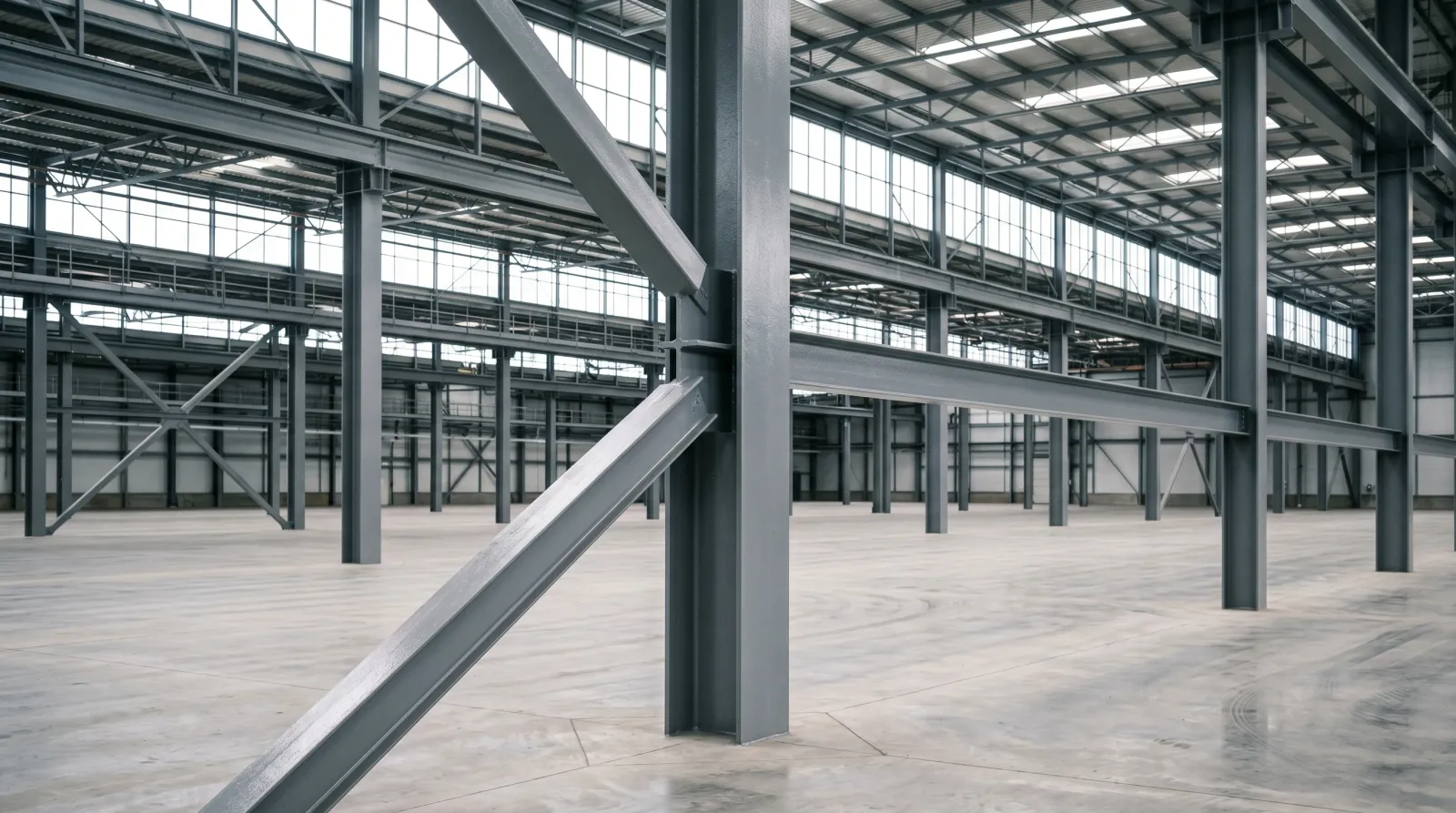
For structural steel, tank exteriors, pipe racks, containment, and primed concrete, it earns the $70 to $95 per mixed gallon. At 72 percent volume solids one airless pass lands 5 to 10 mils dry, so a 10-to-16-mil atmospheric system takes two passes instead of four. It protects welds and cut edges where rust creep starts, tolerates SP3 power-tool-cleaned steel, and recoats out to a year. It is not a weekend garage floor and not a UV-stable finish coat.
Best for
Structural steel · Tank exteriors · Pipe racks and containment · Primed concrete · Maintenance work inside occupied facilities · Small hand-rolled steel jobs
Skip if
You want a homeowner-grade weekend floor · You need a UV-stable exposed color · You need a self-leveling floor build with broadcast aggregate · The job is a potable-water tank · Nobody on site mixes by ratio
What it's good at
- Edge and weld protection — 72 percent solids pulls film onto high spots instead of receding off them
- Single-pass build of 5 to 10 mils dry, halving the number of passes on a large steel job
- Tolerating SP3 power-tool-cleaned and marginally prepared steel, which wins maintenance bids in occupied facilities
- A recoat window out to a year, so a fall prime coat and a spring topcoat still make a sound system
- Chemical and corrosion resistance proven on tank exteriors, structural steel, and containment for decades
- Wide stocking at Sherwin-Williams P&M stores, tinted to safety colors and RAL on demand
- Hand application by brush and roller on small steel jobs, including a nonskid finish off a textured roller
What it's not good at
- UV exposure — it chalks and ambers, and the semi-gloss goes flat and faded inside two seasons
- Hot-weather scheduling, with pot life collapsing from 4 hours at 77F to 2 at 100F
- Low-sheen appearance work; semi-gloss is the only finish and it broadcasts stipple and prep flaws
- Floor builds — it leaves the existing concrete texture and offers no broadcast-aggregate slip system
- Small weekend jobs, where the mixing and prep discipline do not scale down
- Potable water service, which requires the NSF-listed 646 PW instead
Same shelf, different cans
Which Macropoxy 646 Are You Specifying?
The 646 name covers a family, and pulling the wrong suffix gets you a coating built for a different exposure. This review covers the standard Fast Cure product. Read the right data sheet for the others.
Macropoxy 646 Fast Cure
BaseTwo-component high-solids polyamide epoxy, 72 percent volume solids
SheensSemi-gloss only
Recoat4 hr minimum, 1 year maximum at 77F
YellowingYes — chalks and ambers under UV; needs a urethane or polysiloxane topcoat where appearance matters
Buy it if
General industrial steel and concrete, atmospheric and immersion service. This review's product.
Avoid if
You need a UV-stable exposed finish, a low-sheen look, or a self-leveling floor build.
Macropoxy 646-100
BaseLower-VOC version of the same family
Buy it if
Stricter air districts where the standard product's VOC does not clear.
Avoid if
You have not read the 646-100 data sheet; the numbers are not interchangeable with the standard product.
Macropoxy 646 PW
BaseNSF/ANSI 61 listed for potable water immersion
Buy it if
The inside of a drinking-water tank. It is the only correct choice there.
Avoid if
Non-potable work, where you are paying for a listing you do not need. Substituting the standard product into a potable application is a spec violation, not a shortcut.
Macropoxy 646 FF
BaseFast-cure, fine-finish formulation
Buy it if
Work where the finished surface appearance carries more weight than the standard product delivers.
Avoid if
You are matching a spec that names the standard Fast Cure product.
Macropoxy 646 N
BaseNuclear-service qualified version
Buy it if
A nuclear-service qualification is written into the spec.
Avoid if
Ordinary industrial work, which the standard product covers.
Numbers, not adjectives
Spec Sheet
- Type
- Two-component high-solids polyamide epoxy
- Volume solids
- 72% plus or minus 2% (mixed, Mill White)
- VOC
- Under 250 g/L unreduced (2.08 lb/gal), EPA Method 24
- Finish
- Semi-gloss, single sheen
- Recommended DFT
- 5-10 mils dry per coat; 10 mils is the practical target on steel
- Coverage
- About 1,155 sq ft/gal theoretical at 1 mil; about 145-162 sq ft/gal at recommended build
- Pot life
- About 4 hr at 77F · 2 hr at 100F · about 10 hr at 35F
- Dry to touch / recoat
- About 2 hr touch · 4 hr minimum recoat · 1 year maximum recoat at 77F
- Cure to service
- About 7 days for full chemical and immersion resistance at 77F
- Surface prep
- SSPC-SP10 near-white blast for immersion; SP6 or SP3 for atmospheric steel
- Sizes
- 1 gal, 2-gal kit, 5 gal, 10-gal kit, 53-gal
- Price
- $70-95 per mixed gallon, US street
Application Settings That Work
- Brush
- Legitimate, and more common than the spec language suggests. Shop owners lay it on mill frames, trailer chassis, and hulls by hand with a brush and a nap roller over a Pro-Cryl prime. A textured roller leaves a nonskid surface on a ramp, a deck, or a boat floor in the same pass that puts the coating down.
- Airless
- One airless pass lands 5 to 10 mils dry, with 10 mils the practical target on steel. Two coats gives a 10-to-16-mil atmospheric steel system in two passes instead of four. Going past 10 mils wet in a single pass risks sag and solvent entrapment.
- Thinning
- 10 percent reducer by volume is the ceiling Sherwin-Williams reps hold to, sprayed or hand-applied, and not a drop past it.
- Primer
- Self-priming over prepared steel. It pairs with a zinc-rich primer such as Zinc Clad in a three-coat marine stack, and shop work commonly runs Pro-Cryl underneath. Prep to SP10 for immersion, SP6 or SP3 for atmospheric steel.
How to Read the Cure Schedule
The numbers that bite contractors are the temperature-dependent ones. At 77F you get a workable day: roughly 2 hours to touch, 4 hours minimum recoat, and about 7 days to full immersion-grade cure. Drop to 35F and dry-to-handle stretches to 48 hours and recoat to 16. The film keeps curing at low temperature, it just takes its time, and you do not want a tank back in service before the chemical resistance has developed. Pot life runs the other direction: about 4 hours at 77F, 2 hours at 100F, about 10 hours at 35F. Mix only what the crew can place inside that window. Maximum recoat is a year, which is unusually generous, but past a few weeks scuff-sand or solvent-wipe before the next coat. And watch the dew point — apply when the steel surface is at least 5F above dew point and rising. Coating cold steel below that margin traps moisture under the film, and the first thermal cycle blisters it. That is the most common avoidable failure on field-applied epoxy.
Mid-project panic
When It Goes Wrong, and How to Fix It
Blistering after the first thermal cycle
Why it happens. Dew point margin. Coating steel that is at or below the dew point traps moisture under the film. It looks fine going on and lifts the first time the steel warms and cools.
The fix. Apply only when the steel surface is at least 5F above dew point and rising. Check it before every coat, not once in the morning, and stop the job when the margin closes rather than pushing the schedule.
Coating that fails in three years on a tank that should have gone fifteen
Why it happens. Prep. For immersion or aggressive exposure the spec calls for SSPC-SP10 near-white blast. For atmospheric service SP6 commercial blast or SP3 power-tool cleaning is the floor. The product tolerates marginally prepared steel better than most polyamide epoxies, and that tolerance gets read as permission to skip the blast.
The fix. Match the prep to the exposure in the spec, not to the crew you happen to have. SP3 is legitimate for atmospheric maintenance work inside an occupied facility. It is not a substitute for SP10 on a tank.
Kicked material in the pot on a hot day
Why it happens. Pot life collapses with temperature: about 4 hours at 77F down to 2 hours at 100F. A crew that mixes a full 10-gallon kit on a summer tank job is racing a clock that is already half gone.
The fix. Mix small and mix often on hot work, sizing each batch to what the crew can actually place. This is a measured two-component product with an induction step, not a shake-and-go coating, even on the small jobs people roll by hand.
Semi-gloss finish showing every roller stipple and prep flaw
Why it happens. One sheen, and it is shiny. Glossier surfaces read every stipple, sag, and imperfection in the substrate. On a visible interior surface that is exactly what you do not want.
The fix. Lay it off carefully and keep the film consistent, or accept that 646 broadcasts what a matte coating would hide. Where appearance is the point, topcoat with a polyurethane or polysiloxane and let that coat carry the look.
Faded, chalky semi-gloss on a south elevation after two seasons
Why it happens. UV. Epoxy chalks and ambers under sunlight. Corrosion protection holds; the appearance does not.
The fix. Never leave 646 as the exposed finish coat where appearance matters. Specify a polyurethane or polysiloxane topcoat over it and price the extra coat, the cost line, and the cure step into the job from the start.
Side by side
Macropoxy 646 vs Pro-Cryl vs Dura-Plate 235
Three rungs of the same Sherwin-Williams protective ladder. The question is how much film build and chemical service the exposure actually demands, and whether you can live with a pot-life clock.
| Macropoxy 646 Fast Cure | ProIndustrial Pro-Cryl Universal Primer | Dura-Plate 235 | |
|---|---|---|---|
| Chemistry | Two-component high-solids polyamide epoxy, 72 percent volume solids | Waterborne acrylic primer, single component | Multi-purpose epoxy built for abrasion and chemical service |
| Role in the stack | Primer plus intermediate, or the high-build coat over a zinc-rich primer | Primer only | High-performance intermediate or lining |
| Film build | 5-10 mils dry in one pass; 10-16 mils in a two-coat system | Thin primer build; it will not hold an edge the way 646 does | Above what 646 is built for on abrasion and chemical duty |
| Pot life | About 4 hr at 77F, 2 hr at 100F | None — no pot-life clock at all | Two-component, same mixing discipline |
| Cost per gallon | $70-95 per mixed gallon | Less per gallon than 646 | Higher than 646 |
| Where it wins | Structural steel, tank exteriors, pipe racks, containment, primed concrete | Light-duty atmospheric steel where you do not need 10-mil epoxy build or immersion resistance | Immersion in harsh chemistry, and floors or linings that take mechanical abuse |
Chemistry
Macropoxy 646 Fast CureTwo-component high-solids polyamide epoxy, 72 percent volume solids
ProIndustrial Pro-Cryl Universal PrimerWaterborne acrylic primer, single component
Dura-Plate 235Multi-purpose epoxy built for abrasion and chemical service
Role in the stack
Macropoxy 646 Fast CurePrimer plus intermediate, or the high-build coat over a zinc-rich primer
ProIndustrial Pro-Cryl Universal PrimerPrimer only
Dura-Plate 235High-performance intermediate or lining
Film build
Macropoxy 646 Fast Cure5-10 mils dry in one pass; 10-16 mils in a two-coat system
ProIndustrial Pro-Cryl Universal PrimerThin primer build; it will not hold an edge the way 646 does
Dura-Plate 235Above what 646 is built for on abrasion and chemical duty
Pot life
Macropoxy 646 Fast CureAbout 4 hr at 77F, 2 hr at 100F
ProIndustrial Pro-Cryl Universal PrimerNone — no pot-life clock at all
Dura-Plate 235Two-component, same mixing discipline
Cost per gallon
Macropoxy 646 Fast Cure$70-95 per mixed gallon
ProIndustrial Pro-Cryl Universal PrimerLess per gallon than 646
Dura-Plate 235Higher than 646
Where it wins
Macropoxy 646 Fast CureStructural steel, tank exteriors, pipe racks, containment, primed concrete
ProIndustrial Pro-Cryl Universal PrimerLight-duty atmospheric steel where you do not need 10-mil epoxy build or immersion resistance
Dura-Plate 235Immersion in harsh chemistry, and floors or linings that take mechanical abuse
For ordinary atmospheric steel, 646 is the right rung — the solids load buys edge protection and a two-pass system, and the SP3 tolerance keeps maintenance work alive inside occupied buildings. Drop to Pro-Cryl when the exposure is light and you would rather not run a pot-life clock. Step up to Dura-Plate 235 when the service is harsh immersion or a floor or lining taking mechanical abuse, and accept the cost. Across brands, PPG Amercoat and Carboline trade blow-for-blow with 646 on solids and DFT; prep quality decides more than the label.
If not this one
Honest Alternatives
SW
Sherwin-Williams ProIndustrial Pro-Cryl Universal PrimerLess per gallon than 646
A waterborne acrylic primer that skips the pot-life clock entirely. The right call for light-duty atmospheric steel where you do not need 10-mil epoxy build or immersion resistance. It will not protect a sharp edge the way 646 does, and it is a primer, not a high-build intermediate.
SW
Sherwin-Williams Dura-Plate 235 Multi-Purpose EpoxyHigher cost per gallon than 646
A tougher epoxy for abrasion and chemical service beyond what 646 is built for. Specify it for immersion in harsh chemistry, or for floors and linings that take mechanical abuse. For ordinary atmospheric steel it is more coating than the job needs.
SW
Sherwin-Williams Macropoxy 646 PWComparable to standard 646, sold as a listed product
Same chemistry family, NSF/ANSI 61 listed for potable water immersion. The only correct choice for the inside of a drinking-water tank. Do not substitute the standard 646 into a potable application.
PA
PPG Amercoat / Carboline high-solids epoxiesBid-comparable to 646
Competing high-solids polyamide epoxies that meet most of the same DOT and facility specs and trade blow-for-blow on solids and DFT. The deciding factors are local stocking, rep tech support, and which product the owner's spec already names.
Questions people actually ask
ProIndustrial Macropoxy 646 Questions, Answered
Is Macropoxy 646 worth it?
For structural steel, tank exteriors, pipe racks, containment, and primed concrete, yes. At 72 percent volume solids it builds 5 to 10 mils dry in one pass, protects the welds and cut edges where rust creep starts, tolerates SP3 power-tool-cleaned steel, and gives you a recoat window out to a year. It is not worth $70 to $95 a mixed gallon for a weekend garage floor or as an exposed exterior finish, because it chalks under UV.
What surface prep does Macropoxy 646 actually need?
For immersion or aggressive exposure, the spec calls for SSPC-SP10 near-white blast. For atmospheric service, SP6 commercial blast or SP3 power-tool cleaning is the floor. The product tolerates marginally prepared steel better than most epoxies, but prep still decides service life. Skip the blast on a tank and you trade fifteen years for three.
How many mils per coat should I apply?
5 to 10 mils dry film per coat, with 10 mils the practical target on steel. At 72 percent volume solids you hit that in one airless pass. Two coats gives 10 to 16 mils total, which is a standard atmospheric steel spec. Going past 10 mils wet in a single pass risks sag and solvent entrapment.
What is the pot life and recoat window?
Pot life is about 4 hours at 77F, dropping to 2 hours at 100F and stretching to about 10 hours at 35F. Mix only what a crew can place in that window. Minimum recoat is 4 hours at 77F and maximum recoat is 1 year, longer than almost any epoxy on the market. Past a few weeks, scuff-sand or solvent-wipe before the next coat.
Can I brush or roll Macropoxy 646?
Yes, and it happens far more often than the spec language implies. Shop owners knock the surface down with an 80-grit orbital, wipe it with a degreaser, prime with Pro-Cryl, and lay the 646 on by hand with a brush and nap roller on mill frames, trailer chassis, and hulls. Respect the 10 percent reducer ceiling and the pot-life clock. A textured roller also leaves a nonskid surface on a deck or ramp in the same pass.
Can I use Macropoxy 646 on a concrete garage or shop floor?
Yes, over properly prepared concrete — acid-etch, or better, a CSP-2 to CSP-3 mechanical profile. It is a high-build maintenance epoxy, not a self-leveling floor system, so it leaves the existing texture and offers no broadcast-aggregate slip system. For a true floor build with traction, look at a dedicated ProIndustrial floor epoxy instead.
Does Macropoxy 646 need a topcoat?
Outdoors where appearance matters, yes. Epoxy chalks and ambers under sunlight, so left exposed on a south elevation the semi-gloss goes flat and faded inside two seasons. The corrosion protection holds; the look does not. Plan on a polyurethane or polysiloxane topcoat and price the extra coat, cost line, and cure step.
Is the homeowner version different from the industrial Macropoxy 646?
No. It is the same B58 product sold through the same Sherwin-Williams commercial stores. The homeowner-facing page exists so non-account buyers can find it. You still buy it as a two-component kit and mix Part A to Part B by the data sheet ratio.
Can I use standard 646 inside a drinking-water tank?
No. Only Macropoxy 646 PW carries the NSF/ANSI 61 listing for potable water immersion. Substituting the standard product into a potable application is a spec violation, not a shortcut.
What voids the performance you paid for?
Coating below the dew-point margin, exceeding pot life, going past the 1-year recoat window without re-prep, and leaving the epoxy exposed to UV as the finish coat. Each one is avoidable and each one is common.
Keep exploring
Sherwin-Williams brand hub and product reviewsBest garage floor coatings, testedWhat VOC numbers actually mean
We may earn a commission when you buy through the retailer link above. It never changes the score or the verdict.
Ask a Question