Product review · Sherwin-Williams · Updated August 7, 2026
Emerald Designer EditionSherwin-Williams paint review
8.0/10An excellent scrubbable flat and a curated palette, sold at a price that punishes every touch-up you will ever need.
A flat that genuinely washes, wrapped around a 200-color walled garden with no quarts and no cheaper base to match into. Buy it for the finish and the palette, because painters and SW staff both say it behaves close to standard Emerald.

Maya Patel · Reviews Editor & Product Tester · Updated August 7, 2026
Maya spent five years running comparative product testing at a consumer testing nonprofit before joining CompositePaint. She built the round-up protocol the team uses, and she has priced the same Sherwin-Williams gallons at list and on sale to see what the discount is actually worth. About the testing process →
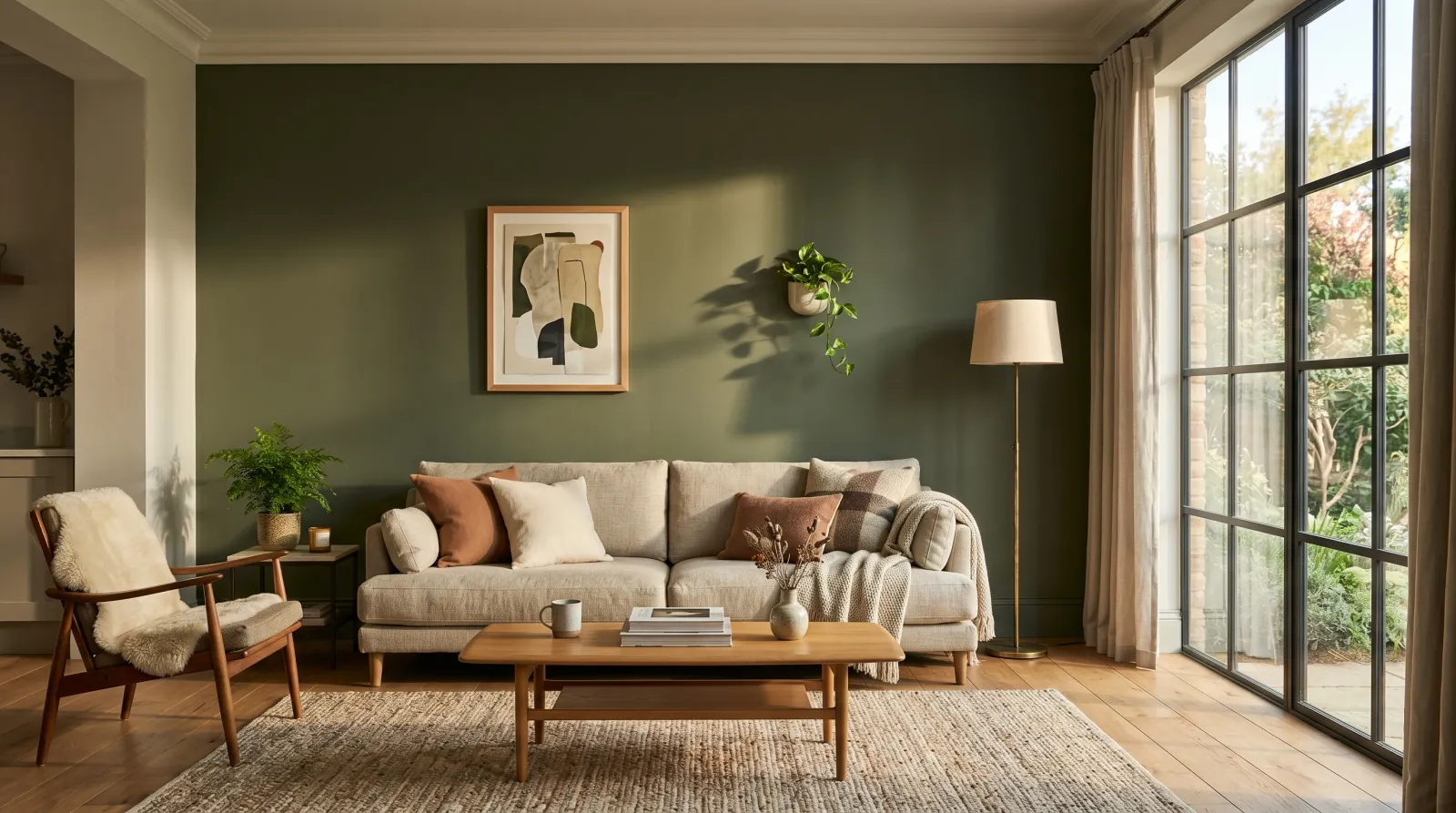
Sherwin-Williams Emerald Designer Edition4 sheens
Coverage350–400 sq ft / gal per coat
RecoatAbout 4 hr
VOCUnder 50 g/L
Full cureAbout 30 days
Sheens FlatEg-ShelSatinGloss
Read this first
The Fast Verdict
Buy it only if the flat sheen or one specific color inside the 200-color deck is the reason you are painting. That flat is real: it takes a wipe-down and stays matte where a commodity flat burnishes to a shiny smudge. What you are not buying is a step change in the paint — painters and SW staff both describe the performance as close to standard Emerald. Budget three coats when the new color sits near the old one in value, and roll slowly, because this flat telegraphs roller marks.
Best for
Living, dining, and bedroom walls · A designer-flat look that still wipes clean · Older plaster and patched drywall · Buyers who want a curated palette · Clean gallery whites off the UltraWhite base
Skip if
You want the deepest navy or oxblood · Your color is outside the five collections · Trim, doors, or cabinets · You are paying a crew by the hour · Going pale over pale
What it's good at
- A flat you can actually wash — fingerprints and a crayon streak wiped off at month two and the finish stayed matte
- Swallowing drywall texture, skim-coat waves, and patched plaster that an eggshell would throw into relief
- Cleaner, brighter whites off the UltraWhite base than the same chip mixed in standard Emerald
- Curated color — five well-built collections that take the paralysis out of a 1,500-chip fan deck
- Hide going light over a dark or saturated wall, where two coats do what a normal flat needs three for
- Low odor for the tier, so the room is liveable the same evening
What it's not good at
- The walled-garden deck — 200 colors, and no cheaper SW line can be tinted to match one of them later
- Touch-ups, with no quarts and no factory sample pots anywhere in the line
- Light-over-light hide, where painters report three coats and walls that still look like primer after two
- Hiding roller marks, which is the opposite of what people expect from a wave-hiding matte
- Trim, doors, and cabinets — there is no semi-gloss enamel sheen in the line
- High-abuse zones like mudrooms and stairwells, where even a washable flat wears faster than a satin
- Value at $95 to $115 a gallon, which is Aura money for a smaller deck
Same shelf, different cans
Which Emerald Can Are You Buying?
Emerald spans more than one product and people land on the wrong one constantly. This review covers Emerald Designer Edition interior wall paint. Here is what the siblings are for.
Emerald Designer Edition (this review)
BaseInterior wall paint on an UltraWhite base, 200 exclusive colors in five collections
SheensFlat, Eg-Shel, Satin, Gloss
Buy it if
You want the low-reflective flat or a specific color from the curated collections on living, dining, or bedroom walls.
Avoid if
You need a color from the wider SW deck, a semi-gloss trim sheen, or a cheaper base you can match into later.
Emerald Interior Acrylic Latex
BaseInterior wall paint, full SW color deck
SheensFlat, Matte, Satin, Semi-Gloss
Buy it if
You want Emerald-tier walls with the whole color deck and the wider sheen range, for less money.
Avoid if
The exact color you want only exists inside the Designer Edition collections.
Emerald Exterior Acrylic Latex
BaseExterior acrylic latex
Buy it if
Siding, exterior trim, and masonry.
Avoid if
The work is indoors.
Emerald Urethane Trim Enamel
BaseWaterborne urethane-modified alkyd enamel
Buy it if
Trim, doors, and cabinets that need a hard cured film — which is what you will buy alongside Designer Edition for the woodwork.
Avoid if
You are covering broad wall fields.
Numbers, not adjectives
Spec Sheet
- Coverage
- 350–400 sq ft / gal per coat
- Sheens
- Flat, Eg-Shel, Satin, Gloss
- Colors
- 200 exclusive, in five collections
- Touch dry
- 1–2 hr
- Recoat
- About 4 hr
- Full cure
- About 30 days
- VOC
- Under 50 g/L
- Primer
- Self-priming paint-and-primer; SW PrepRite ProBlock or Zinsser BIN on glossy, raw, or stain-prone substrates
- Surfaces
- Drywall, plaster, primed wood, ceilings
- Sizes
- Gallon, 5-gallon — no quart, no factory sample pots
- Warranty
- Lifetime limited, original residential purchaser
- Price
- $95–115 / gal; sale dips near $80
Application Settings That Work
- Brush
- Thin coats, a top-grade roller cover, a kept wet edge, and feather every pass with the rounded end of the roller. It holds a wet edge longer than budget acrylic, but it telegraphs roller marks if you rush or stretch the gallon, so plan on rolling a wall corner to corner without stopping in the middle of a field.
- Primer
- It is a paint-and-primer, so a clean, previously painted wall in a similar color does not need a separate primer coat. Bare drywall, glossy surfaces, water or smoke stains, and drastic color changes do. Use SW PrepRite ProBlock, or Zinsser BIN where you need real stain blocking. The self-priming claim covers normal repaints, not problem substrates.
Mid-project panic
When It Goes Wrong, and How to Fix It
Roller marks showing in the finished flat
Why it happens. This is the surprise. A low-reflective flat is supposed to hide things, and this one is unusually quick to show technique. A full house rolled at 30 gallons in three days came out with visible marks despite a top-grade cover. Stretching the gallon is what produces them — thin, hurried passes over a partially set edge.
The fix. Thin coats, a top-grade cover, and a kept wet edge, none of which are optional here. Feather every pass with the rounded end of the roller and finish each wall corner to corner before you stop. Slow down: the money you save stretching a gallon costs you a recoat.
Two coats and the wall still looks like primer
Why it happens. Light going over light. The strong-hide reputation is real in one direction only — light over a dark or saturated color, which is where the two-coat reports cluster. Painters rolling an off-white over an off-white report three coats before the wall stops looking patchy, one of them with a premium cover, and one said his walls still looked like primer after two.
The fix. Budget three coats whenever the new color sits close in value to the old one, and price the job that way before you commit. If you are quoting a crew by the hour, that third coat is the number that decides whether this paint makes sense at all.
No way to buy a quart for touch-ups
Why it happens. The line ships in gallons and 5-gallon buckets only, with no factory sample pots. The color lock also runs inbound: Sherwin-Williams will not tint a Designer Edition color into SuperPaint or A-100, because staff are told it will not read accurately in another base. So there is no cheaper can to match into, ever.
The fix. Buy one gallon more than the math says and keep it sealed and labeled. That leftover is your entire touch-up supply for the life of the paint job, including the closet you add next year. To test a color before you commit, use a third-party peel-and-stick sample, since there are no factory pots.
Wear showing on a stairwell or mudroom wall
Why it happens. Even a washable flat is still a flat. The scrubbable claim holds in living rooms and bedrooms; in a mudroom, a stairwell with shoulder rub, or a kid's hallway, it shows wear faster than a satin would.
The fix. Match the sheen to the traffic instead of putting flat everywhere the palette tempts you. Use the eg-shel or satin in the high-abuse runs and keep the flat for the rooms where its wave-hiding is doing the work.
Side by side
Designer Edition vs Standard Emerald vs Aura
At roughly $100 a gallon, these three are the real cross-shop. The performance gaps are smaller than the price tags suggest; the color deck and the sheen are what actually separate them.
| Designer Edition | Emerald Interior | Benjamin Moore Aura | |
|---|---|---|---|
| Street price per gallon | $95–115, near $80 on sale | $85–100 list, near $70 on sale | $95–105 |
| Color deck | 200 exclusive colors in five collections. Walled garden, both directions. | The full Sherwin-Williams deck. | 3,500-plus colors, no walled garden. |
| Sheens | Flat, Eg-Shel, Satin, Gloss — no trim semi-gloss. | Flat, Matte, Satin, Semi-Gloss. | Full interior range. |
| The flat finish | The reason it exists. Low-reflective, hides drywall waves, and still takes a wipe-down. | Good flat and matte, more conventional. | Excellent matte, burnishes very little in traffic. |
| Deep-color rendering | Good, inside the collections. | Good, a hair flatter than Aura in the darkest tones. | The benchmark. Deep navies and oxbloods read richest here. |
| Hide | Strong light over dark; weak light over light, where painters report three coats. | Strong, two coats for almost everything. | Strong. |
| Touch-up supply | Gallons and 5s only. No quarts, no sample pots, and no cheaper SW base can be tinted to match. | Quarts available, full deck, easy to match later. | Quarts and samples available. |
Street price per gallon
Designer Edition$95–115, near $80 on sale
Emerald Interior$85–100 list, near $70 on sale
Benjamin Moore Aura$95–105
Color deck
Designer Edition200 exclusive colors in five collections. Walled garden, both directions.
Emerald InteriorThe full Sherwin-Williams deck.
Benjamin Moore Aura3,500-plus colors, no walled garden.
Sheens
Designer EditionFlat, Eg-Shel, Satin, Gloss — no trim semi-gloss.
Emerald InteriorFlat, Matte, Satin, Semi-Gloss.
Benjamin Moore AuraFull interior range.
The flat finish
Designer EditionThe reason it exists. Low-reflective, hides drywall waves, and still takes a wipe-down.
Emerald InteriorGood flat and matte, more conventional.
Benjamin Moore AuraExcellent matte, burnishes very little in traffic.
Deep-color rendering
Designer EditionGood, inside the collections.
Emerald InteriorGood, a hair flatter than Aura in the darkest tones.
Benjamin Moore AuraThe benchmark. Deep navies and oxbloods read richest here.
Hide
Designer EditionStrong light over dark; weak light over light, where painters report three coats.
Emerald InteriorStrong, two coats for almost everything.
Benjamin Moore AuraStrong.
Touch-up supply
Designer EditionGallons and 5s only. No quarts, no sample pots, and no cheaper SW base can be tinted to match.
Emerald InteriorQuarts available, full deck, easy to match later.
Benjamin Moore AuraQuarts and samples available.
Designer Edition earns the money in exactly one case: the flat sheen or one specific color in the collections is the reason you are painting, and you accept a possible third coat and slow rolling. If you just want the best Emerald wall, standard Emerald costs less, gives you the whole color deck and a semi-gloss for trim, and by most accounts from people who have used both, behaves about the same. If the room is a deep, moody statement color, Aura renders it deeper for roughly the same price with no palette lock.
If not this one
Honest Alternatives
SW
Sherwin-Williams Emerald Interior$85–100 / gal
The default cross-shop and usually the better buy. Full SW deck, a semi-gloss for trim, quarts for touch-ups, and performance painters and SW staff both describe as close to Designer Edition. You give up the curated palette and the specific low-reflective flat.
Full review →BM
Behr Marquee$48–58 / gal
Half the price, Home Depot only, with the best one-coat hide in its tier. You give up the designer palette and the true scrubbable flat — Marquee's matte is good but not this flat. The right call for a high-traffic repaint where budget beats finish.
Full review →BM
Benjamin Moore Aura$95–105 / gal
Roughly the same price, deeper color rendering, and a 3,500-plus deck with no walled garden. Its matte is excellent and deep tones read richer. You lose the guided palette and the UltraWhite flat.
Full review →EU
Emerald Urethane Trim Enamel$100–115 / gal
Same family, different job. A hard waterborne urethane enamel for trim, doors, and cabinets, which you will end up buying anyway since Designer Edition has no trim sheen. Do not put it on wall fields, and do not put Designer Edition on cabinets.
Full review →Questions people actually ask
Emerald Designer Edition Questions, Answered
Is Emerald Designer Edition worth it?
Only if the flat sheen or one specific color inside the 200-color deck is the reason you are painting. At $95 to $115 a gallon you are paying for curation and a flat that wipes clean, not a step change in the paint — painters and SW staff both describe the performance as close to standard Emerald. Budget three coats if the new color sits near the old one in value.
Is Designer Edition just regular Emerald with different colors?
Close to it. It runs its own UltraWhite base with slightly higher volume solids and a dead-flat finish that still wipes down, but the recurring read from painters and SW staff is slightly better hide with brush-and-roller behavior you could not call blindfolded. The real difference is the curated deck you can only get here.
Does Emerald Designer Edition need a primer?
It is a paint-and-primer, so a clean, previously painted wall in a similar color does not need one. Bare drywall, glossy surfaces, water or smoke stains, and drastic color changes do. Use SW PrepRite ProBlock or Zinsser BIN. The self-priming claim covers normal repaints, not problem substrates.
How many coats does it take?
Two going light over a dark or saturated wall. Three when the new color sits close in value to the old one — light-over-light repaints are where the hide claim breaks, and painters report walls still looking patchy after two coats even with a premium cover. Deep colors over a light wall need two, occasionally with a tinted primer first.
Why can I not buy it in a quart?
The line ships in gallons and 5-gallon buckets only, with no factory sample pots. Worse, Sherwin-Williams will not tint a Designer Edition color into SuperPaint or A-100, so there is no cheaper base to match into. Buy one gallon more than the math says and keep it sealed — that can is your entire touch-up supply.
How does it compare to Benjamin Moore Aura?
Aura wins on deep-color depth and the bigger 3,500-plus deck. Designer Edition wins on its flat finish that actually scrubs and on the curated palette if you want a guided color choice. They cost about the same. For a moody deep navy, Aura. For a forgiving low-sheen wall in a designer hue, Designer Edition.
Does the washable flat really work?
Yes, within limits. A standard flat is porous, so scrubbing abrades pigment and the spot burnishes. This one carries more binder and a tighter film. Fingerprints, pencil, and a light crayon mark came off with a damp microfiber and a drop of dish soap at month two, and the matte stayed matte. Deep marker bleed, ground-in chair scuffs, and a Magic Eraser still find its limit.
Why does it only come in flat, eg-shel, satin, and gloss?
The line was built around its low-reflective flat, the finish designers reach for to hide drywall waves. Satin and gloss round it out. There is no dedicated semi-gloss trim sheen, so woodwork means buying a second product — Emerald Urethane Trim Enamel — and matching the color across two lines.
Can I test a color before committing?
Not with a factory sample pot, because the line shipped without them. Your options are a third-party peel-and-stick sample in the color, or buying a full gallon at list. That is a real cost of the walled garden, and it is worth knowing before you fall for a chip.
Keep exploring
Sherwin-Williams brand guide and product linesBest interior wall paint, testedAura vs Emerald, head to head
We may earn a commission when you buy through the retailer link above. It never changes the score or the verdict.
Ask a Question