Product review · Krylon · Updated August 7, 2026
Rust ProtectorKrylon paint review
7.6/10On clean or wire-brushed metal it earns its price. Over scale it just seals the rust in and buys you a bigger job later.
A true direct-to-metal rust enamel at $6 to $9 a can, touch-dry in 8 minutes. Direct to metal is not the same as spray over rust, and that one misread is what ruins most of these jobs.

Mark Thompson · Pro Contractor & Field Editor · Updated August 7, 2026
22 years running residential and light commercial repaints across the Midwest. Mark has sprayed more rusted railings and grill parts than he cares to count, and still takes side jobs to keep the numbers honest. About the testing process →
Krylon Rust Protector4 sheens
Dry and recoatTouch 8 min
VOCAlkyd aerosol
Sheens GlossSemi-GlossSatinFlat
Read this first
The Fast Verdict
Buy it for sound metal you have taken five minutes to clean up. It grips bare steel with no primer can, seals it, and the barrier film is the whole mechanism — no water and air at the surface, no corrosion. Touch-dry in 8 minutes, tack-free in 30, four sheens, $6 to $9 a can, with a brush-on quart at $15 to $20 for long runs. Skip it over flaking scale, and know you are buying the previous generation: Krylon's own Rust Tough claims roughly 40% stronger protection for a dollar or two more.
Best for
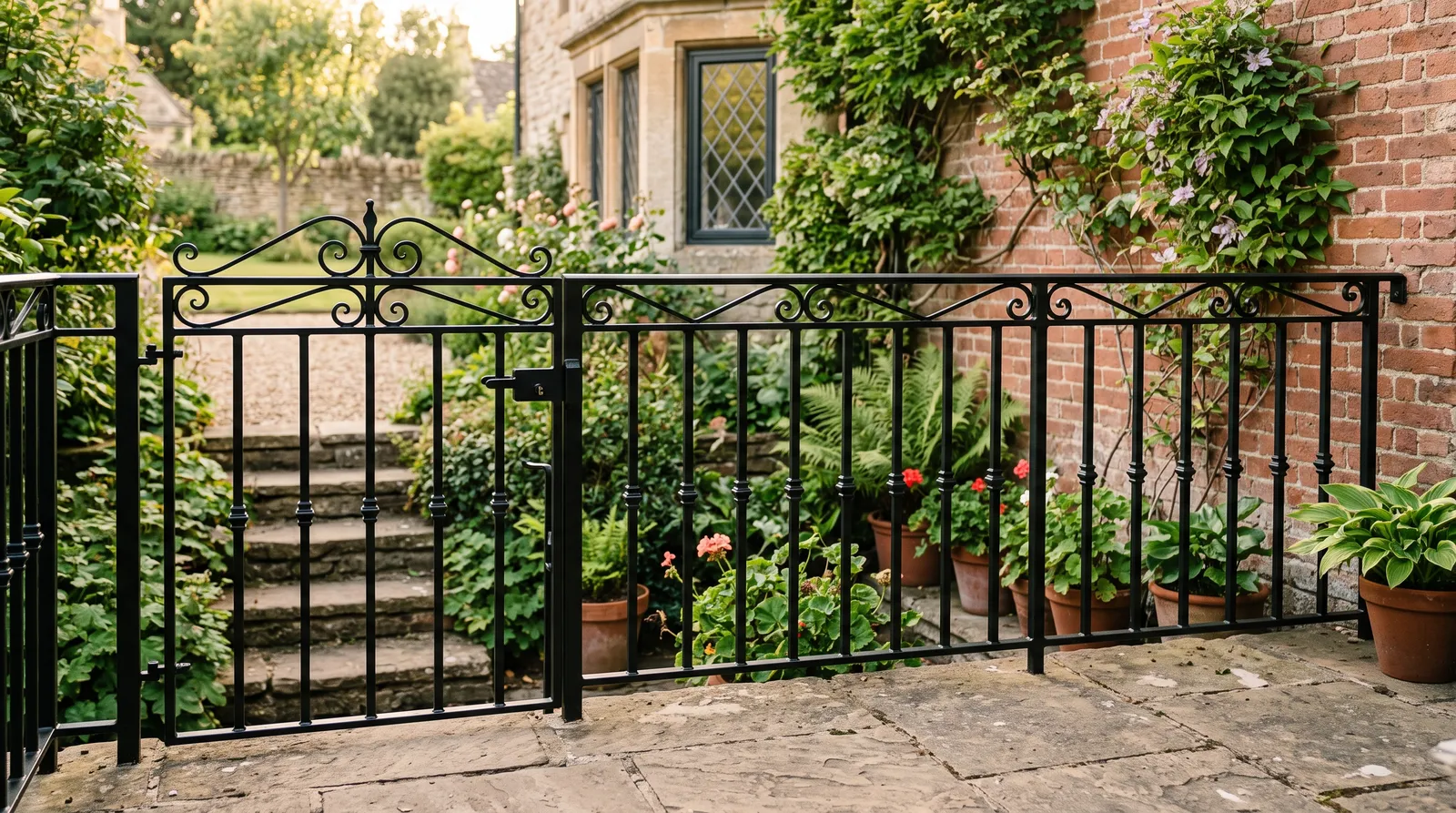
Metal railings and gates · Gate latches and hinges · Garden tools and hardware · Outdoor metal furniture · Fence sections and posts · Wheelbarrows
Skip if
Heavy rust or flaking scale you will not remove · You want the longest-lasting film Krylon sells · Large smooth runs better served by a brush-on quart · You need a GREENGUARD or CARB-rated product
What it's good at
- True direct-to-metal grip on clean or freshly wire-brushed steel, with no primer can
- Flashing fast — touch-dry in 8 minutes, tack-free in 30, so passes go back to back with no dust nibs
- A hard cured enamel that takes rain, dew, and sun better than a thin decorator coat
- Four sheens on a focused metal deck, with the flat matching old wrought iron without throwing shine
- A brush-on quart and gallon for long fences and rails, same chemistry, far cheaper per square foot
- Costing $6 to $9 a can, the low end of the rust aisle
What it's not good at
- Stopping rust it is sprayed over — it is a preventer, not a converter
- Holding a vertical without sagging if you hover or slow down
- Covering in one pass; real protection takes two coats, three on edges
- Sticking to a glossy factory finish without a scuff first
- Being the toughest film Krylon sells — that is now Rust Tough, at roughly 40% stronger
- Meeting GREENGUARD or CARB requirements, and some states restrict mail-order of high-VOC aerosols
Same shelf, different cans
Which Krylon Rust Can Are You Buying?
Three cans wear close labels in this corner of the aisle, and one of them is not a rust product at all. The trap is COLORmaxx — people spray it on a gate because the color is nicer and assume the rust-protection line on the label means the same thing. It does not. If rust is the enemy, buy a rust product.
Rust Protector Aerosol
BaseRust-preventive alkyd enamel, direct to metal
SheensGloss, Semi-Gloss, Satin, Flat
RecoatWithin 2 hr
Buy it if
Railings, gates, tools, hardware, patio furniture. Clean or wire-brushed metal, and you want the cheap end of the shelf.
Avoid if
You are covering a lot of smooth square footage, where rattle cans get expensive fast.
Rust Protector Brush-On
BaseSame rust chemistry, quart and gallon
SheensSame enamel finishes
RecoatAfter 12 hr
Buy it if
Long fences, full railings, big smooth runs. Spray the spindles, brush the rails.
Avoid if
Small fiddly hardware and spindles, where a can is faster and leaves no brush marks.
Krylon Rust Tough
BaseThe newer rust line, marketed at roughly 40% stronger protection
Buy it if
Exterior metal you want to forget about for years. It is a dollar or two more.
Avoid if
A low-stakes piece where Rust Protector is sitting there cheaper.
Numbers, not adjectives
Spec Sheet
- Coverage
- Up to 25 sq ft per 12-oz can across two to three light passes
- Sheens
- Gloss, Semi-Gloss, Satin, Flat
- Dry and recoat
- Touch 8 min · tack-free 30 min · recoat within 2 hr (brush-on after 12 hr)
- Full cure
- About 7 days for the alkyd film to fully harden
- Mechanism
- Rust-preventive alkyd enamel; barrier film blocks moisture and oxygen
- Primer
- Direct to metal; no primer on clean, sound steel
- Surfaces
- Metal first, plus wood, masonry, concrete, wicker, ceramic, glass, plaster
- Sizes
- 12-oz aerosol; brush-on quart and gallon
- Use
- Indoor and outdoor; built for exterior metal
- VOC
- Alkyd aerosol; not GREENGUARD or CARB rated. Check state aerosol rules before ordering online
- Price
- $6–9 per 12-oz can; brush-on quart about $15–20
Application Settings That Work
- Primer
- On clean, sound metal there is no primer step — it is a true direct-to-metal enamel and grips bare steel on its own. On rusty metal it is not that simple. The can lets you go over light surface rust, but wire-wheel any flaking scale back first and prime pitted spots with a dedicated rusty-metal primer. Scuff glossy factory finishes before spraying. Then two coats, three on edges and corners, recoating inside two hours.
Dry Fast, Cured Slow
Fast does not mean cured. The aerosol is dry to touch in about 8 minutes and tack-free in 30, which is genuinely useful — passes go back to back without the film sitting open collecting dust nibs. But an alkyd enamel keeps hardening for about a week. Keep the piece out of rain for a solid 24 hours, and do not trust it in heavy weather until it has had a few warm dry days. Push a gate back into a downpour the same afternoon and you get water spotting in a soft film. Two coats, three on edges and corners where the film pulls thin, then leave it alone. Rust prevention is about mil thickness, and mil thickness needs the full week to set up.
Mid-project panic
When It Goes Wrong, and How to Fix It
The paint blisters from underneath a year later
Why it happens. It was sprayed over rust that never came off. This is an enamel, not a rust converter — it does not neutralize active corrosion, it seals what is under it. Spray over loose scale and you have sealed the rust in with a fresh meal of trapped moisture. It keeps eating where you cannot see it.
The fix. Wire-wheel or sand the flaking rust back to sound metal before anything else. Hit stubborn pitted spots with a dedicated rusty-metal primer, then the color over it. Once it has blistered you are stripping a sealed-in mess, not touching up a clean one.
Runs and curtains on a railing or gate post
Why it happens. The alkyd carries heavy. On a vertical it sags the second you slow down or hover, usually while you are trying to hide the whole job in one greedy pass.
The fix. Keep the can moving, keep the passes light, and feather the edge of each pass into the last. Two coats, three on edges and corners. A run caught wet is a light pass; a run caught tomorrow is sandpaper.
One coat looks thin and chalks by fall
Why it happens. Protection is a thickness game, and a single light pass does not build enough film to survive outdoors. Twenty-five sq ft a can sounds generous until you remember spray wants thin passes.
The fix. Plan on two coats minimum, three on edges, corners, and any welded seam where the film pulls thin and rust starts. Recoat inside two hours or you are into the wait.
It sheets off a painted gate at the first knock
Why it happens. It bonds direct to bare clean steel, but a glossy factory finish gives it nothing to hold. No tooth, no grip.
The fix. Scuff the gloss with abrasive until the shine is dulled all over, wipe the dust off, then spray. On bare sound steel, no scuff needed and no primer either.
Side by side
Rust Protector vs Rust Tough vs Rust-Oleum Stops Rust
Three cans in the same aisle for the same rusty railing. Two of them are Krylon, one generation apart, and the third is the benchmark everybody measures against. Price and how long you want to forget about the job decide it.
| Krylon Rust Protector | Krylon Rust Tough | Rust-Oleum Stops Rust | |
|---|---|---|---|
| Rust protection | Real barrier film on clean, sound metal. A preventer, not a converter. | The brand claims roughly 40% stronger protection than Rust Protector. | Same direct-to-metal idea with a thicker build; the cured film is a touch tougher. |
| Street price per can | $6–9 | A dollar or two more than Rust Protector | $7–11 |
| Brush-on option | Quart and gallon, about $15–20 a quart | Yes, a Rust Tough brush-on | Yes, a protective enamel quart |
| Track record | The proven older Krylon formula, still stocked | The newer line Krylon leads its rust category with | The longest record of the three on exterior metal |
| Where it wins | Cheap, fast-flashing coats on sound metal you cleaned up yourself | Exterior metal you want to leave alone for years | The safe default when you do not want to think about it |
| The catch | It is the previous generation | Costs more than the can sitting next to it | Dries slower than Rust Protector's 8-minute flash |
Rust protection
Krylon Rust ProtectorReal barrier film on clean, sound metal. A preventer, not a converter.
Krylon Rust ToughThe brand claims roughly 40% stronger protection than Rust Protector.
Rust-Oleum Stops RustSame direct-to-metal idea with a thicker build; the cured film is a touch tougher.
Street price per can
Krylon Rust Protector$6–9
Krylon Rust ToughA dollar or two more than Rust Protector
Brush-on option
Krylon Rust ProtectorQuart and gallon, about $15–20 a quart
Krylon Rust ToughYes, a Rust Tough brush-on
Rust-Oleum Stops RustYes, a protective enamel quart
Track record
Krylon Rust ProtectorThe proven older Krylon formula, still stocked
Krylon Rust ToughThe newer line Krylon leads its rust category with
Rust-Oleum Stops RustThe longest record of the three on exterior metal
Where it wins
Krylon Rust ProtectorCheap, fast-flashing coats on sound metal you cleaned up yourself
Krylon Rust ToughExterior metal you want to leave alone for years
Rust-Oleum Stops RustThe safe default when you do not want to think about it
The catch
Krylon Rust ProtectorIt is the previous generation
Krylon Rust ToughCosts more than the can sitting next to it
Rust-Oleum Stops RustDries slower than Rust Protector's 8-minute flash
Cleaning up a wheelbarrow, a set of tools, or a gate latch on a Saturday: Rust Protector, and pocket the difference. A railing or a fence you want to forget about for years: pay the extra dollar for Rust Tough. Want the safe choice with the longest exterior track record and a deeper color deck, and you do not mind waiting a bit longer between passes: Rust-Oleum Stops Rust. None of the three fixes scale you did not remove, so spend the first five minutes on a wire wheel no matter which can you carry out.
If not this one
Honest Alternatives
RO
Rust-Oleum Stops Rust$7–11 per can
The category benchmark, and it has earned it. Same direct-to-metal rust-preventive idea with a thicker build and a deeper color and sheen range, sold in aerosol and brush-on quart. It dries slower than Rust Protector's 8-minute flash, but the cured film is a touch tougher and the track record on exterior metal is longer.
Full review →AR
A rusty-metal primer$7–10 per can
When the metal is past light surface rust, no topcoat is the answer — a primer is. A dedicated rusty-metal primer bonds to tightly-adhered rust and locks it down, giving your enamel a sound base instead of a crumbling one. One pass on the bad spots, then rust enamel over it. Reach for it the moment you see pitting or flaking.
AB
A brush-on rust enamel quart$15–20 per quart
A long fence, a full railing, or a metal door is a lot of square feet to chase with rattle cans. Krylon's own Rust Tough brush-on or a Rust-Oleum protective enamel quart covers far more per dollar and lays a thicker film in one pass. Slower, and you will see brush marks on gloss — on rough exterior metal nobody is looking that close.
Questions people actually ask
Rust Protector Questions, Answered
Is Krylon Rust Protector worth it?
On clean or wire-brushed metal, yes. It is a true direct-to-metal rust enamel at $6 to $9 a can, dry to touch in 8 minutes, sold in four sheens, and two coats seal a railing or a gate properly. It is not worth it if you plan to spray over flaking scale, because it seals rust in rather than converting it, and Krylon's own newer Rust Tough claims roughly 40% stronger protection for a dollar or two more.
Do I need a separate primer for rusty metal?
On clean, sound metal, no. It grips bare steel on its own. On rusty metal it is not that simple. The can lets you spray over light surface rust, but it is not a rust converter and it will not stop heavy scale. Wire-wheel or sand off any flaking rust first, then prime the worst spots with a dedicated rusty-metal primer. Spray straight over loose scale and the rust keeps working underneath and lifts your film.
How long until it is rain-ready?
The aerosol is dry to touch in about 8 minutes and tack-free in 30. Fast does not mean cured. Keep it out of rain for a solid 24 hours, and do not trust it in heavy weather until it has had a few warm dry days. An alkyd enamel keeps curing for about a week. Rush a gate back into a downpour the same afternoon and you get water spotting in the soft film.
Rust Protector or Rust Tough — which one do I buy?
Same job, two generations. Rust Tough is Krylon's newer rust line, marketed at roughly 40% stronger protection than Rust Protector. The Rust Protector page is still live and the cans are still on shelves, usually a little cheaper. If you find Rust Protector at a good price for a low-stakes piece, it works. For a railing or fence you want to forget about for years, spend the extra dollar on Rust Tough.
How many coats does it need?
Two, and three on edges and corners. Rust prevention is about mil thickness, and one light pass does not build enough film to do the job outdoors. A can covers up to 25 sq ft, which sounds generous until you remember spray wants thin passes. Recoat inside two hours.
Why does it run on my railing?
The alkyd carries heavy and sags on verticals the moment you hover or slow down. Keep the can moving, keep passes light, and feather the edge of each pass into the last. One greedy coat trying to cover in a single pass is how you get a run you sand out tomorrow.
Which sheen should I use on old wrought iron?
Flat. It is the quiet hero of the deck — it matches aged wrought iron without throwing shine that makes a repair stand out. Gloss looks sharp on a piece you are refinishing entirely. Semi-gloss and satin sit between.
Can I use it on anything besides metal?
Yes. Metal is the primary surface and what the chemistry is built for, but it also goes on wood, masonry, concrete, wicker, ceramic, glass, and plaster. Just be clear that the rust-preventive part only matters on steel.
Is Rust Protector the same as COLORmaxx?
No, and this is the mix-up that costs people a gate. COLORmaxx is decorator color, not a rust coating. Rust Protector is a rust-preventive alkyd enamel built to seal steel from moisture and oxygen. If rust is the enemy, buy a rust product.
Should I order it online or buy it in person?
In person if you can. Aerosol shipping rules push online single-can prices up, and a few states restrict mail-order of high-VOC aerosols. Grab the multi-pack only if you have measured the job. If your real surface is heavy rust, the smarter buy is one can of primer first.
Keep exploring
Krylon brand and product line overviewKrylon Fusion All-In-One — honest reviewKrylon COLORmaxx — honest review
We may earn a commission when you buy through the retailer link above. It never changes the score or the verdict.
Ask a Question