Product review · Krylon · Updated August 7, 2026
High HeatKrylon paint review
7.8/10Buy the can marked Max, cure it on a slow first burn, and it holds. Skip the cure and it flakes by the second summer.
Two cans wear almost the same label and only one of them survives a grill. Here is how to spot the 1200°F can, and the slow first burn that decides whether your paint lasts two years or two months.

Mark Thompson · Pro Contractor & Field Editor · Updated August 7, 2026
22 years running residential and light commercial repaints across the Midwest. Mark has sprayed more rusted railings and grill parts than he cares to count, and still takes side jobs to keep the numbers honest. About the testing process →
Krylon High Heat
Dry and recoatTack-free 10 min
Read this first
The Fast Verdict
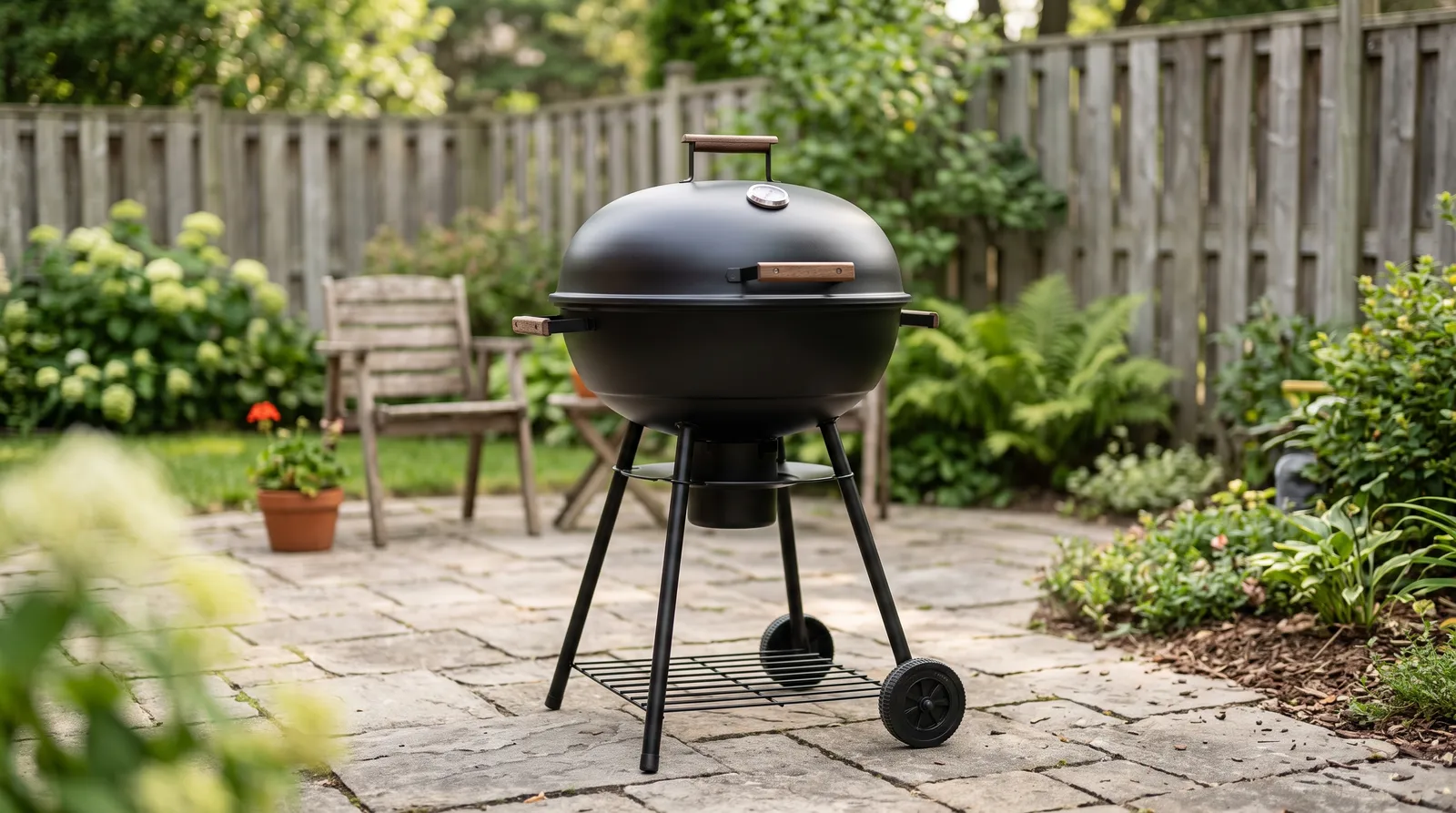
Buy it for a grill hood, a firepit, a wood stove, or a radiator. At $9 to $14 a can the Max is rated to 1200°F in short bursts and 600°F all day, it fights the rust that eats a firebox from the inside, and three thin coats look factory rather than rattle-can. Tack-free in 10 minutes, handleable in an hour, so a grill refresh is a one-day job. It is not for cooking grates, not for exhaust headers, and not for anyone who wants a color other than black or aluminum.
Best for
Grill hoods and charcoal kettles · Firepits and fireboxes · Wood stove bodies · Fireplace screens · Radiators · Engine covers within the temp limit
Skip if
Cooking grates and griddles · Exhaust headers and manifolds · You want color beyond black or aluminum · You will not degrease and wire-brush first · You will not do the slow first burn
What it's good at
- Surviving heat that browns and burns off a decorative enamel the first afternoon
- Fighting the rust that eats grills and fireboxes from the inside
- Fast handling — tack-free in 10 minutes, handleable in an hour, so a grill refresh is one day
- Laying down smooth from 6 to 8 inches with little orange peel across three thin coats
- Costing $9 to $14 to save a grill you were about to replace
- Sitting on shelves everywhere — Lowe's, Home Depot, Walmart, the hardware co-ops
What it's not good at
- Explaining its own cure — the label says dry overnight and never mentions the slow first burn
- Color choice on the Max, which is black and aluminum, gloss only
- Sticking over baked-on grease, mill scale, or flaking rust
- Cooking surfaces of any kind — grates, warming racks, griddles, flat-tops
- Exhaust headers and manifolds that sit past 600°F for hours
- Hiding a heavy hand — one wet pass runs, and the film is too thin to sand flat
Same shelf, different cans
Which Krylon High Heat Are You Buying?
Two cans sit on the shelf and the labels look nearly the same. Grab the wrong one and your grill is wearing 600°F paint where it needs 1200°F. The word that matters on the front is Max. Read it before you spray.
High Heat Max
Base1200°F intermittent · 600°F continuous
SheensBlack and aluminum, gloss only
RecoatWithin 4 hr or after 4 days
Buy it if
Anything that throws real flame or sits over coals. Grills, BBQs, firepits, fireplace screens, wood stoves, radiators. This is the can most people are actually shopping for.
Avoid if
You want a satin charcoal, a bronze, or any decorative color. The Max deck is two colors and both are gloss.
Standard High Heat
Base600°F continuous, metal only
SheensWhite, black, aluminum, brown, beige in satin or flat
RecoatWithin 4 hr or after 4 days
Buy it if
A radiator or an engine cover that tops out around 600°F and you want a color the Max does not offer.
Avoid if
A grill firebox or anything over coals. Put it there and it scorches.
High Heat Max Brush-On
BaseSame rating as the Max, applied by brush
SheensSame Max colors
Buy it if
Touch-ups and tight spots a can cannot reach.
Avoid if
You are coating a whole hood or firebox, where the aerosol lays down flatter.
Numbers, not adjectives
Spec Sheet
- Heat rating (Max)
- 1200°F intermittent · 600°F continuous
- Heat rating (standard)
- 600°F continuous, metal only
- Coverage
- 15–20 sq ft per 12-oz can across three thin coats
- Colors
- Max: black, aluminum (gloss). Standard: white, black, aluminum, brown, beige (satin or flat)
- Paint type
- Heat-resistant modified-alkyd enamel
- Dry and recoat
- Tack-free 10 min · handle 1 hr · recoat within 4 hr or after 4 days
- Before first use
- Dry overnight, then cure on a slow first heat cycle
- Surfaces
- Bare and primed metal; not for cooking surfaces
- Cleanup
- Xylene
- Sizes
- 12-oz aerosol only
- Best conditions
- 55–75°F, humidity under 60%
- Price
- $9–14 per 12-oz can
Application Settings That Work
- Primer
- It goes on bare or primed metal, but the surface has to be right or nothing else matters. Degrease with a real cleaner, rinse, and dry fully. Wire-brush off flaking rust and mill scale. Scuff-sand for tooth. Then three thin coats at 6 to 8 inches in light overlapping passes, recoating inside four hours or waiting four days. Cleanup is xylene, not soap and water.
The First-Burn Cure
The film you spray is not the finished film. High-heat enamel hardens when it sees heat, and how you bring the piece up the first time decides everything. Here is the routine. Three thin coats, respecting the window: within four hours or after four days, never in the dead zone between. Air-dry overnight. Then cure it slow — moderate heat first, hold it, let it cool. On a grill, run low to medium for a stretch before you ever crank it. The solvent and the binder need to leave in stages. Blast a cold, fresh-painted firebox straight to full heat and the film flashes off too fast, bubbles, then flakes. It will smoke and smell on that first burn. That is normal. Do it outside and keep food off it. Once it has been through one real heat cycle and cooled, the paint is locked. What'll bite you in two years: a grill you painted, never properly cured, and have fired hard every weekend since. It looked perfect day one. By the second summer it is flaking around the firebox and shedding onto the coals, and you will blame the paint.
Mid-project panic
When It Goes Wrong, and How to Fix It
Fresh paint bubbles and flakes off the firebox
Why it happens. The cure got skipped. Krylon's consumer instructions lean on dry overnight before use and never spell out the slow first burn that actually hardens the film. People air-dry it, light the grill cold and full-blast, and the solvent flashes out of a film that has not staged off yet.
The fix. There is no rescue for a flaked panel — wire-brush it back, degrease, and respray. Then do the cure properly: air-dry overnight, bring the piece up at low to medium heat, hold it, let it cool completely before you use it hard. One real heat cycle and it is locked.
It peels in sheets off a grill or firebox
Why it happens. Prep, not paint. There is no thick forgiving film here to hide a bad surface. Over baked-on grease, mill scale, or flaking rust this enamel does not bite at all.
The fix. Degrease with a real cleaner, rinse, dry. Wire-brush the loose rust and mill scale off. Scuff-sand so the film has tooth. Then spray. Five minutes of prep is the difference between years and one season.
Runs and sags on a hood or a vertical leg
Why it happens. It is thin-bodied on purpose so three coats can build flat. One greedy wet pass carries too much and curtains before you have moved on.
The fix. Hold the can 6 to 8 inches off and keep it moving in light overlapping passes. Three thin coats, not one heavy one. Feather the edge of each pass into the last. Spray at 55 to 75°F with humidity under 60%.
Lap lines you cannot sand out
Why it happens. You ran the can dry mid-coat. A high-heat film is thin, so the seam where you stopped and restarted shows, and sanding it back cuts through to metal.
The fix. Buy two cans for a big hood or a firepit. One 12-oz can covers a small grill or stove across three coats at 15 to 20 sq ft. Stage the second can before you start so you never stop in the middle of a panel.
The paint burned off after one afternoon
Why it happens. Wrong can, or wrong part. The standard High Heat is 600°F continuous and scorches on a firebox. And nothing in this line is rated for exhaust headers or manifolds that sit past 600°F for hours.
The fix. For grills, firepits, and stoves, buy the can marked Max. For headers, manifolds, and turbo housings, this line is out of its depth — that is VHT Flameproof territory. And never paint cooking grates at all.
Side by side
Krylon High Heat Max vs Rust-Oleum High Heat vs Stove Bright
Three cans get recommended for the same grill-and-stove job. On temperature they are level. What separates them is color choice, price, and how clearly each one tells you to bake it.
| Krylon High Heat Max | Rust-Oleum High Heat | Stove Bright High Temp | |
|---|---|---|---|
| Temp rating | 1200°F intermittent · 600°F continuous | Also rated to 1200°F | Rated to 1200°F |
| Color range | Black and aluminum, gloss only | Just as thin — mostly black plus a couple of metallics | The widest here: metallic blues, browns, bronzes, golds, greens |
| Film | Heat-resistant modified alkyd | Silicone-modified | Installer-grade high-temp coating |
| Street price per can | $9–14 | $9–13 | $14–20 |
| Best job | Grills, firepits, stoves, radiators at backyard temperatures | The same jobs, with a data sheet that spells out the cure bake | Wood and pellet stoves where the color is the point |
| What holds it back | Vague cure guidance and a two-color deck | Color range no better than Krylon's | Costs the most of the three |
Temp rating
Krylon High Heat Max1200°F intermittent · 600°F continuous
Rust-Oleum High HeatAlso rated to 1200°F
Stove Bright High TempRated to 1200°F
Color range
Krylon High Heat MaxBlack and aluminum, gloss only
Rust-Oleum High HeatJust as thin — mostly black plus a couple of metallics
Stove Bright High TempThe widest here: metallic blues, browns, bronzes, golds, greens
Film
Krylon High Heat MaxHeat-resistant modified alkyd
Rust-Oleum High HeatSilicone-modified
Stove Bright High TempInstaller-grade high-temp coating
Street price per can
Krylon High Heat Max$9–14
Rust-Oleum High Heat$9–13
Stove Bright High Temp$14–20
Best job
Krylon High Heat MaxGrills, firepits, stoves, radiators at backyard temperatures
Rust-Oleum High HeatThe same jobs, with a data sheet that spells out the cure bake
Stove Bright High TempWood and pellet stoves where the color is the point
What holds it back
Krylon High Heat MaxVague cure guidance and a two-color deck
Rust-Oleum High HeatColor range no better than Krylon's
Stove Bright High TempCosts the most of the three
For a grill, a firepit, or a radiator, Krylon's Max and Rust-Oleum's High Heat are a coin-flip on the metal. Take the Rust-Oleum if you have never cured a high-heat paint before and you want the bake spelled out on paper. Take the Krylon Max if it is on the shelf in front of you and $9 to $14 is the number you want to pay. Refinishing a wood stove you want in bronze or metallic green, pay up for Stove Bright — nothing else here has the deck. And if the metal runs past 600°F for hours, none of these three is the answer; that is a VHT Flameproof job.
If not this one
Honest Alternatives
RO
Rust-Oleum High Heat$9–13 per can
The industry standard for grills and stoves, also rated to 1200°F, on a silicone-modified film. Its data sheet is clearer than Krylon's about the cure bake, which makes it the safer first-timer pick. Color range is just as thin. On a grill or stove, performance is a coin-flip with the Max.
VF
VHT Flameproof$12–18 per can
For metal that runs past 600°F continuously — exhaust headers, manifolds, turbo housings — neither Krylon nor Rust-Oleum's grill line is rated for the job. VHT is, at 1300 to 2000°F intermittent. It demands a strict heat-cure schedule, and the silica-based fumes mean outdoors in a respirator.
SB
Stove Bright High Temp$14–20 per can
The professional stove installer's can, rated to 1200°F with the widest color deck here — metallic blues, browns, bronzes, golds, greens, not just black. Pricier than Krylon, and worth it when a wood or pellet stove needs to look like more than a black box.
Questions people actually ask
High Heat Questions, Answered
Is Krylon High Heat worth it?
For a grill, firepit, wood stove, or radiator, yes — as long as you buy the can marked Max and cure it on a slow first heat cycle. At $9 to $14 it survives temperatures that make ordinary enamel brown and flake, and it fights the rust that eats hot bare steel. It is the wrong buy for cooking grates, for headers and manifolds that run past 600°F for hours, or if you want a color other than black or aluminum.
How hot can Krylon High Heat take?
Depends which can. The Max is rated to 1200°F intermittently and 600°F continuously, which covers a grill hood, a firepit, a wood stove, and a radiator. The standard High Heat is 600°F continuous only, metal, no cooking. If your part sits hot for hours, the number that matters is the 600°F continuous rating, not the 1200°F headline. Headers and manifolds blow past both.
Do I have to heat-cure it?
Yes, in practice. The label leans on air-dry and an overnight wait, and it is vague about the cure cycle. But a high-heat enamel only reaches full hardness once it sees heat. Air-dry it, then bring the piece up to temperature slowly the first time. Ramp it, hold it, let it cool. Light a cold grill full-blast over fresh paint and the film flashes off the solvent too fast and flakes. The first burn is the cure.
Can I use Krylon High Heat on the cooking grates?
No. Both cans say not for cooking surfaces, and that is a real line, not legal cover. Spray the hood, the lid, the legs, the firebox exterior, the cart. Leave the grates, the warming rack, and anything food touches bare, or season them with cooking oil instead. Paint on a grate burns off into your food.
How many coats and how far off do I hold the can?
Three thin coats, held 6 to 8 inches off, in light overlapping passes. Go heavy and it runs — this paint is thin-bodied on purpose, and a single wet pass sags. Recoat inside four hours or wait four days. Never in the dead zone between.
How many cans do I need for a grill?
One 12-oz can covers 15 to 20 sq ft across three coats, which handles a small grill or a stove. Buy a second for a big hood or a firepit. Running dry mid-coat leaves a lap line you cannot sand out of a film this thin.
What prep does it need on a rusty firebox?
Degrease with a real cleaner, rinse, and dry. Wire-brush the loose rust and mill scale back to sound metal. Scuff-sand for tooth. It goes on bare or primed metal, but it does not bite over grease, scale, or flaking rust — spray a greasy firebox and it peels in sheets no matter how good the paint is.
Can I use it on exhaust headers or a manifold?
No. Those parts sit past 600°F for hours, and 600°F continuous is the real ceiling on the Max. The 1200°F number is intermittent only. For headers, manifolds, and turbo housings, use a dedicated header paint like VHT Flameproof, which is rated to 1300 to 2000°F intermittent and has its own strict cure schedule.
What conditions should I spray in, and how do I clean up?
55 to 75°F with humidity under 60%. Cleanup is xylene, not water — this is a modified-alkyd enamel. Spray outdoors, and expect the piece to smoke and smell on the first cure burn.
Keep exploring
Krylon brand and product line overviewKrylon COLORmaxx review — the cheap all-purpose canKrylon Fusion All-In-One review — no-sand adhesion
We may earn a commission when you buy through the retailer link above. It never changes the score or the verdict.
Ask a Question