Product review · Benjamin Moore · Updated August 7, 2026
Ultra Spec HP Acrylic Metal PrimerBenjamin Moore paint review
8.2/10The easy, water-cleanup answer for railings, gates, and galvanized metal, and the wrong chemistry for salt or heavy pitting.
A waterborne metal primer that dries clean white on bare steel instead of blooming orange, and bonds to fresh galvanizing with no etch step. The catch is exposure — and the gallon-only price.

David Chen · Formulation Lead & Resident Chemist · Updated August 7, 2026
Polymer chemist by training, six years in industrial coatings R&D before joining CompositePaint's formulation team. David writes the corrosion pieces — why a waterborne film flash-rusts bare steel, and what an inhibitor package actually does about it. About the testing process →
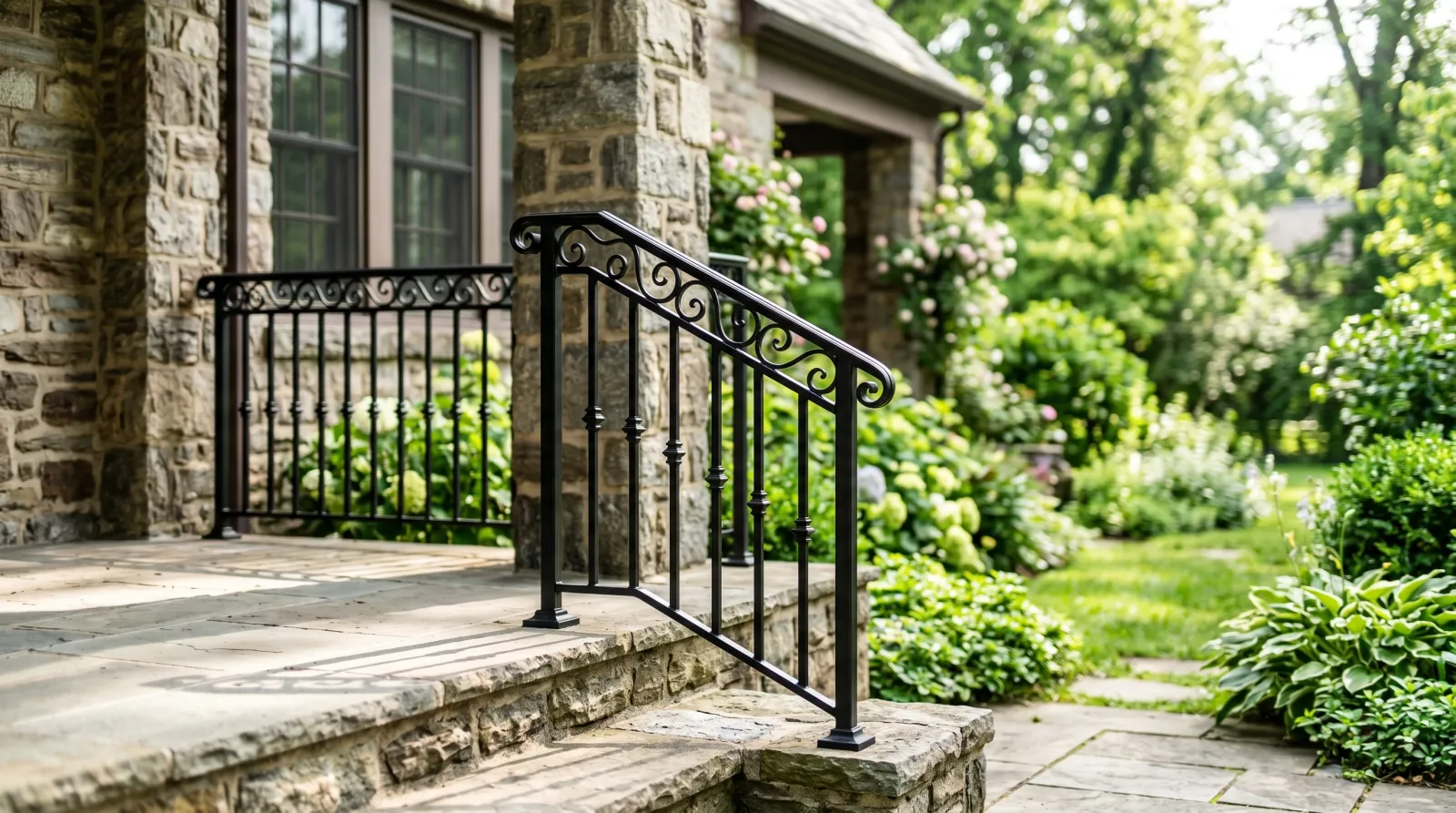
Benjamin Moore Ultra Spec HP Acrylic Metal Primer3 sheens
Coverage300–400 sq ft / gal
Recoat2 hr
VOCUnder 100 g/L
Sheens PrimerWhiteRed base
Read this first
The Fast Verdict
Buy it for the metal jobs most people actually have — railings, fences, gates, galvanized gutters, light steel — where the flash-rust inhibitor and the two-hour recoat save you the fumes, the overnight wait, and the mineral-spirits cleanup of an oil primer. It bonds to fresh galvanizing without an etch step and primes masonry and concrete from the same can. Skip it on structural, heavily pitted, or salt-exposed steel, which wants an epoxy or oil system no matter how convenient this can is.
Best for
Railings, gates, and fences · Galvanized gutters and flashing · Light steel · Tight surface rust that has been scuffed · Interior stair rails and radiators · Mixed metal-and-masonry jobs
Skip if
Structural steel · Heavily pitted or deeply rusted metal · Constant wet or salt-water exposure · Loose rust and mill scale left in place · A single small railing, since there is no quart size
What it's good at
- Flash-rust control on bare steel, so a freshly wire-brushed handrail dries clean white instead of rust-ghosted
- Bonding to fresh galvanizing directly, with no vinegar wash or etch-primer step
- A corrosion inhibitor that migrates to the steel and passivates it rather than only forming a barrier
- Fast turnaround — touch dry about 30 minutes, recoat at 2 hours
- Soap-and-water cleanup and low odor, mild enough for an interior stair rail or radiator
- Substrate range beyond metal, so a steel gate set into a block wall takes one primer instead of two
What it's not good at
- Severe corrosion, deep pitting, or salt exposure, where a thin permeable film gives ground to an epoxy
- Bonding through loose rust, mill scale, oil, or factory dust — prep still does the real work
- Bare mill-finish aluminum without a scuff, where adhesion is fine rather than trustworthy
- Small jobs, since there is no quart size and a gallon runs $60 to $80
- Stopping rust stains bleeding up through an already-painted surface, which is a stain blocker's job
Numbers, not adjectives
Spec Sheet
- Coverage
- 300–400 sq ft / gal
- Finish
- Primer, dries flat; White and Red base
- Touch dry
- About 30 min
- Recoat
- 2 hr
- Service hard
- Days, not weeks
- Binder
- Waterborne acrylic with a rust-inhibitive package
- VOC
- Under 100 g/L; compliant in all US air districts (HP1100)
- Surfaces
- Ferrous metal, galvanized, aluminum, non-ferrous metal, masonry, concrete, drywall
- Application
- Brush, roller, or spray
- Cleanup
- Soap and water
- Sizes
- Gallon, 5-gallon (no quart)
- Price
- $60–80 / gal street
Application Settings That Work
- Brush
- Brushes and rolls easily and flows out flatter than most metal primers, which tend to fight you. On a railing, brush the profiles and roll the flats, and keep the coat even rather than heavy.
- Thinning
- None needed for brush or roller. It sprays well thinned per the label, so follow the can rather than guessing.
Dry Times in the Real World
Touch dry in about half an hour and recoat at two hours, which is the practical argument for the whole product: prime a railing in the morning and put color on it after lunch, where an oil rust primer would hold you hostage overnight. Those numbers assume decent drying weather. In cold or humid conditions a waterborne film releases its water more slowly, so give the primer longer than the label two hours before the enamel goes on — the film has to be hard enough to take the next coat, not just dry to the touch. From there it goes service-hard in days rather than weeks, so a handrail can go back into normal use quickly, but do not scrub or scrape it on day one.
Mid-project panic
When It Goes Wrong, and How to Fix It
Orange ghosts bloom through the wet white primer
Why it happens. That is flash rust. A waterborne film sits wet on raw steel long enough that, without an inhibitor, the iron starts oxidizing through the coat before the acrylic particles coalesce into a continuous film. Uninhibited waterborne primers do this every time on freshly cleaned steel.
The fix. Use an inhibited primer like this one, which slows the reaction while the film forms. Then help it along: prime in dry, moderate conditions rather than a humid afternoon, and do not leave freshly wire-brushed steel sitting bare overnight before you coat it.
The primer flaked off, taking rust with it
Why it happens. No primer bonds through loose rust, mill scale, oil, or factory dust. This one is forgiving about tight surface rust you have scuffed and de-dusted, but it cannot glue itself to a layer that is already letting go of the steel underneath.
The fix. Take flaking rust and mill scale off with a wire wheel or grinder down to tight metal, degrease, let it dry, then prime. On heavily pitted steel, pair it with a rust converter or move up to an epoxy system rather than hoping.
Paint peels at the first ding on bare aluminum
Why it happens. The label lists aluminum and it does bond, but smooth mill-finish aluminum is one of the hardest substrates in coatings — dense, slick, and quick to grow an oxide layer. Adhesion is fine rather than trustworthy on an untouched mill surface.
The fix. Scuff it lightly with a maroon abrasive pad, wipe off the dust, degrease, then prime. That one step moves adhesion from fine to trustworthy and costs you five minutes on a railing.
Rust is back within a couple of years on a coastal railing
Why it happens. A waterborne acrylic builds a thinner, more permeable film than a two-part epoxy. On heavily pitted, deeply rusted, or salt-sprayed steel — coastal railings, marine hardware, road-salt equipment — moisture and chloride ions eventually work past it.
The fix. Match the chemistry to the exposure. Strip back to sound metal and use an epoxy primer or an oil-based rust-inhibitive primer there. Trying to save a step with a waterborne acrylic in salt is how you end up redoing the job in two years.
Side by side
Ultra Spec HP vs Epoxy vs an Oil Rust Primer
Three ways to prime metal, and the right one is decided by exposure, not by preference. Match the chemistry to how wet, how salty, and how structural the steel is.
| Ultra Spec HP Acrylic | Two-Part Epoxy Primer | Oil Rust Primer | |
|---|---|---|---|
| Flash rust on bare steel | The reason it exists — the inhibitor holds the reaction off while the film forms, so it dries clean white. | Not the problem it solves; it is a barrier system for hard service. | Solvent-borne, so there is no waterborne flash-rust issue to begin with. |
| Fresh galvanizing | Bonds to zinc directly, so you skip the vinegar wash or etch-primer step. | Specified case by case; overkill for a gutter or a length of flashing. | Famously peels off fresh zinc within a season. |
| Heavy pitting, salt, constant wet | The weak spot. A thinner, more permeable film that chloride eventually works past. | The right answer — a thick, far less permeable film built for structural steel and marine exposure. | Penetrates and locks down old pitted iron better than any waterborne. |
| Recoat speed | Touch dry about 30 min, recoat at 2 hr. Prime in the morning, topcoat after lunch. | Mixing, pot life, and a longer cure before anything goes over it. | Often an overnight wait before you can topcoat. |
| Cleanup and odor | Soap and water, under 100 g/L, mild enough for an interior stair rail or radiator. | Solvent cleanup and real ventilation. | Mineral spirits and fumes. |
| Price per gallon | $60–80 | $90–140, two-part | $25–40 |
| Pick it for | Railings, gates, gutters, light steel, and mixed metal-and-masonry jobs. | Structural steel, dock hardware, anything that has to last a decade in hard exposure. | Old-school deep rust on iron where penetration matters more than convenience. |
Flash rust on bare steel
Ultra Spec HP AcrylicThe reason it exists — the inhibitor holds the reaction off while the film forms, so it dries clean white.
Two-Part Epoxy PrimerNot the problem it solves; it is a barrier system for hard service.
Oil Rust PrimerSolvent-borne, so there is no waterborne flash-rust issue to begin with.
Fresh galvanizing
Ultra Spec HP AcrylicBonds to zinc directly, so you skip the vinegar wash or etch-primer step.
Two-Part Epoxy PrimerSpecified case by case; overkill for a gutter or a length of flashing.
Oil Rust PrimerFamously peels off fresh zinc within a season.
Heavy pitting, salt, constant wet
Ultra Spec HP AcrylicThe weak spot. A thinner, more permeable film that chloride eventually works past.
Two-Part Epoxy PrimerThe right answer — a thick, far less permeable film built for structural steel and marine exposure.
Oil Rust PrimerPenetrates and locks down old pitted iron better than any waterborne.
Recoat speed
Ultra Spec HP AcrylicTouch dry about 30 min, recoat at 2 hr. Prime in the morning, topcoat after lunch.
Two-Part Epoxy PrimerMixing, pot life, and a longer cure before anything goes over it.
Oil Rust PrimerOften an overnight wait before you can topcoat.
Cleanup and odor
Ultra Spec HP AcrylicSoap and water, under 100 g/L, mild enough for an interior stair rail or radiator.
Two-Part Epoxy PrimerSolvent cleanup and real ventilation.
Oil Rust PrimerMineral spirits and fumes.
Price per gallon
Ultra Spec HP Acrylic$60–80
Two-Part Epoxy Primer$90–140, two-part
Oil Rust Primer$25–40
Pick it for
Ultra Spec HP AcrylicRailings, gates, gutters, light steel, and mixed metal-and-masonry jobs.
Two-Part Epoxy PrimerStructural steel, dock hardware, anything that has to last a decade in hard exposure.
Oil Rust PrimerOld-school deep rust on iron where penetration matters more than convenience.
For a porch rail, a gate, a run of galvanized gutter, or a radiator, Ultra Spec HP is the path of least resistance: brush it on, recoat by lunch, rinse the brush in the sink. For a dock gate, structural steel, or anything bathed in salt, buy the epoxy and accept the mixing and the pot life. And for deeply pitted old iron where you need the primer to get down into the metal, a traditional oil rust primer still wins. The mistake is buying convenience for an exposure that punishes it.
If not this one
Honest Alternatives
RO
Rust-Oleum Clean Metal Primer$18–28 / gal
A waterborne rust-inhibitive metal primer at a fraction of the price, sold at every hardware store. It does the basic flash-rust and adhesion job on clean steel and galvanized surfaces, with a less reliable bond on tricky substrates and a thinner film. Right when the job is small and low-stakes.
IE
Industrial epoxy metal primer$90–140 / gal, two-part
A two-component epoxy builds a thicker, far less permeable film that shrugs off moisture and chemicals an acrylic cannot. This is what you spec for structural steel, marine exposure, or a decade of service. The trade-off is mixing, pot life, a longer cure, and solvent cleanup.
ZB
Zinsser Bulls Eye 1-2-3 or an oil rust primer$25–40 / gal
For rust stains bleeding up through a painted surface rather than priming raw metal, a stain-blocking primer is the targeted tool. And for old-school deep rust on iron, a traditional oil-based rust-inhibitive primer still penetrates and locks down pitted metal better than any waterborne.
Full review →Questions people actually ask
Ultra Spec HP Acrylic Metal Primer Questions, Answered
Is Ultra Spec HP Acrylic Metal Primer worth it?
For railings, fences, gates, galvanized gutters, and light steel, yes. The flash-rust inhibitor lets it dry clean white on bare steel where an uninhibited waterborne primer blooms orange, it bonds to fresh galvanizing without an etch step, and it recoats in two hours with soap-and-water cleanup instead of an overnight wait and mineral spirits. It is not worth it on structural, heavily pitted, or salt-exposed steel, and at $60 to $80 a gallon with no quart size, a one-railing job buys more primer than it needs.
Does Ultra Spec HP stop rust that is already on the metal?
It slows it, not reverses it. The acrylic film and corrosion inhibitor seal out moisture and oxygen on tight, well-bonded surface rust you have scuffed and de-dusted. Loose, flaking rust has to come off first with a wire wheel or grinder. On heavily pitted steel, pair it with a rust converter or move to an epoxy system. This is a primer, not a miracle.
Can I use a water-based primer on bare steel without it flash rusting?
Yes, and that is the whole point of this product. Most waterborne primers leave a film of water on raw steel long enough to bloom orange flash rust before they dry. Ultra Spec HP carries a flash-rust inhibitor that buys the film time to coalesce. You will still see less flashing if you prime in dry, moderate conditions rather than humid afternoons.
What topcoat goes over Ultra Spec HP?
Almost anything compatible with acrylic. Waterborne acrylic enamels, alkyds, urethanes, and many epoxies all bond to it. For an exterior railing, a 100% acrylic or waterborne-alkyd enamel is the practical pick. Give the primer its full 2-hour recoat window first, longer in cold or humid weather, so the film is hard enough to take the next coat.
Is this the same as Ultra Spec HP DTM enamel?
No, and the shared name causes real confusion. This is the metal primer. Ultra Spec HP DTM Acrylic Enamel is a direct-to-metal topcoat in gloss, semi-gloss, and low-lustre. The primer goes down first on bare or rusted steel; the DTM enamel is the color and sheen you see. On a tough job you can run primer then DTM enamel as a two-part system.
Is HP04 the same as HP1100?
Effectively yes. Benjamin Moore recoded and relabeled this primer — the old can read Ultra Spec HP Acrylic Metal Primer (HP04), the current can reads High Performance Acrylic Metal Primer (HP1100). Same job, same shelf position, refreshed formula and label. If you find an HP04 can on a dealer's back shelf, it is the older code of this product.
Do I need to scuff bare aluminum first?
Yes, if you want the bond to be trustworthy rather than merely fine. The label lists aluminum and the primer does bond, but smooth mill-finish aluminum is one of the hardest substrates in coatings. A light scuff with a maroon abrasive pad, then a degrease, is the difference between a coating that holds and one that peels at the first ding.
Can I use it on masonry and concrete too?
Yes. The same can primes masonry, concrete, and drywall alongside ferrous, galvanized, aluminum, and non-ferrous metal. That is genuinely useful on a mixed job — a steel gate set into a block wall takes one primer instead of two, and one topcoat system over the whole thing.
How fast can I topcoat it?
Touch dry in about 30 minutes and recoat at two hours in good weather, so a railing primed in the morning takes color after lunch. Cold or humid conditions stretch that, and a waterborne film that still holds water gives you a soft finish on top. When in doubt, wait — the whole point of the two-hour number is that it beats an oil primer's overnight, not that it is a race.
Keep exploring
Benjamin Moore brand guide and product reviewsHow to stop rust stains bleeding through paintLatex vs oil primer — which to use where
We may earn a commission when you buy through the retailer link above. It never changes the score or the verdict.
Ask a Question