How to Brighten Your Home Before Selling: Paint Colors, Window Shades, and Small Fixes
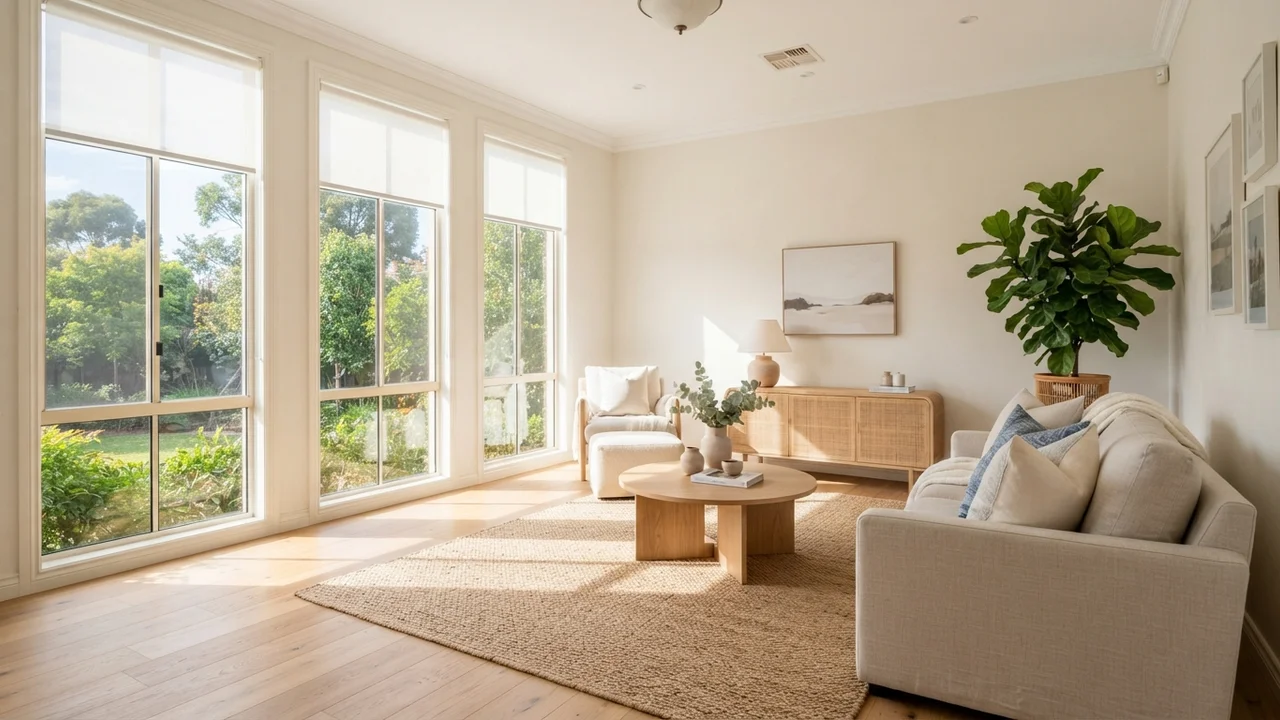
Even with big windows, fresh paint, and nice furniture, your home can still feel dark or unwelcoming. Heavy curtains might block sunlight, the wrong paint color can make a room seem cold, and afternoon sun can cause glare.
These details matter when preparing a property for sale since according to the National Association of Realtors’ 2025 Profile of Home Staging, 83% of buyers’ agents said staging makes it easier for buyers to visualize a property as their future home.
Fortunately, improving a home’s presentation doesn’t always require expensive renovations. A fresh color scheme, well-chosen custom window shades, and a few adjustments to how natural light enters each room can make existing spaces look more inviting.
To boost your property value, it’s vital to see how lighting, paint, and window treatments all work together. And here’s what to focus on before you list your home for sale.
Start With the Natural Light Your Home Already Has
Before picking new paint or window coverings, take a day to watch how sunlight moves through your home.
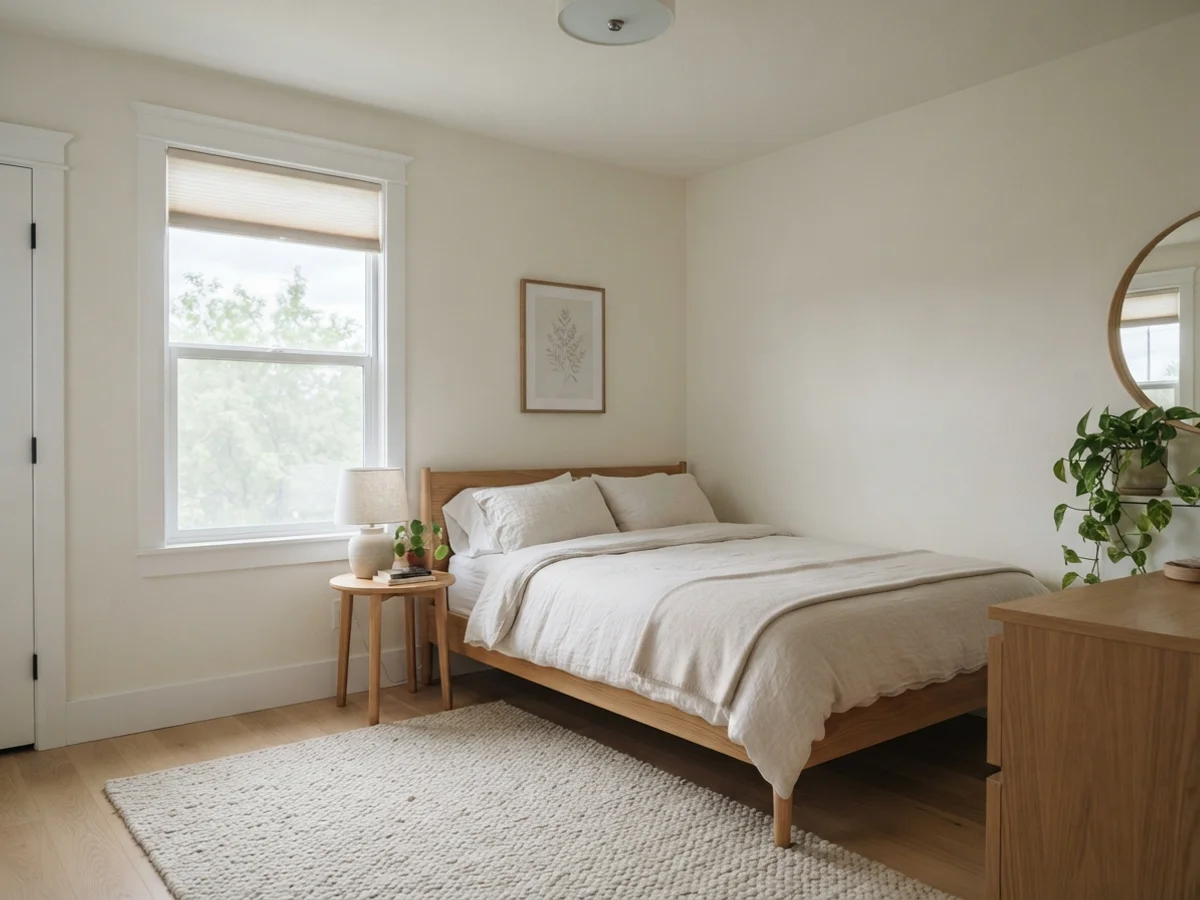
A living room that’s bright and inviting in the morning might feel too hot or bright later in the day. A bedroom that seems dark early on could get great sunlight in the afternoon. This often comes down to which way your windows face:
Room Orientation — Lighting Characteristics / Design Considerations
North-facing room — Gets cooler, indirect light. Using light paint colors can make them feel brighter, but pay attention to the undertones.
South-facing room — Gets steady daylight, so you have more options for paint colors.
East-facing room — Gets morning sun but can look quite different later in the day.
West-facing room — Gets strong afternoon sun, which can cause glare and make them warmer.
These patterns are common in North America, but things like nearby buildings, trees, roof overhangs, your location, and the season can all affect the light.
The U.S. Department of Energy emphasizes that effective daylighting involves allowing useful natural light indoors while controlling glare and overheating.
Take a west-facing living room with a big picture window. Taking down the curtains might make the room look bigger at first. But if the sunlight makes the wall color fade and the seating area too bright, adjustable light-filtering shades can help balance things out.
Before you buy anything, figure out if each room needs more light, softer light, more privacy, or a mix of these.
Choose Paint Colors That Work With Natural Light
Painting is one of the easiest ways to update your home, especially if the walls are worn, have uneven finishes, or bold colors. But the usual advice to paint everything white before selling isn’t always the best choice.
The most recent 2026 Paint Color Analysis surveyed more than 4,400 prospective homebuyers using images of rooms painted in different colors. And guess what?
Sage green performed best across multiple rooms, while pale blue and charcoal gray generated favorable responses in living rooms. Chocolate brown also performed strongly in bedrooms.
These results show what buyers say they like and might offer, not what actually sells. Still, they suggest you don’t have to stick to just white or beige for a nice look.
Pay Attention to Light Reflectance Value
Light Reflectance Value, or LRV, shows how much visible light a paint color reflects, from 0 to 100.
A paint with an LRV of 80 reflects much more light than one with an LRV of 40. This makes LRV helpful when picking colors for rooms that don’t get much daylight.
If your living room is dark, try a soft off-white, light greige, or warm neutral to help spread the light. Rooms with lots of daylight can handle deeper colors like muted green, warm taupe, or charcoal.
You can explore this further in our guide to Light Reflectance Value.
Test Colors Under Real Lighting
A paint color that looks great in the store can look very different in your own home.
Instead of picking from a tiny color chip, paint large sample boards and put them against your walls. Check them in the morning, afternoon, and evening light.
Pay particular attention to undertones: a cool gray beside warm oak flooring, for example, may create an unintentional contrast, while a warmer greige could bring those existing finishes together.
The best color for resale is one that complements the home’s actual features and helps buyers appreciate the space.
Use Window Shades to Balance Daylight, Glare, and Privacy
People often forget about window treatments when getting ready to sell. But they affect how much of the window you see, how sunlight comes in, and how comfortable the room feels.
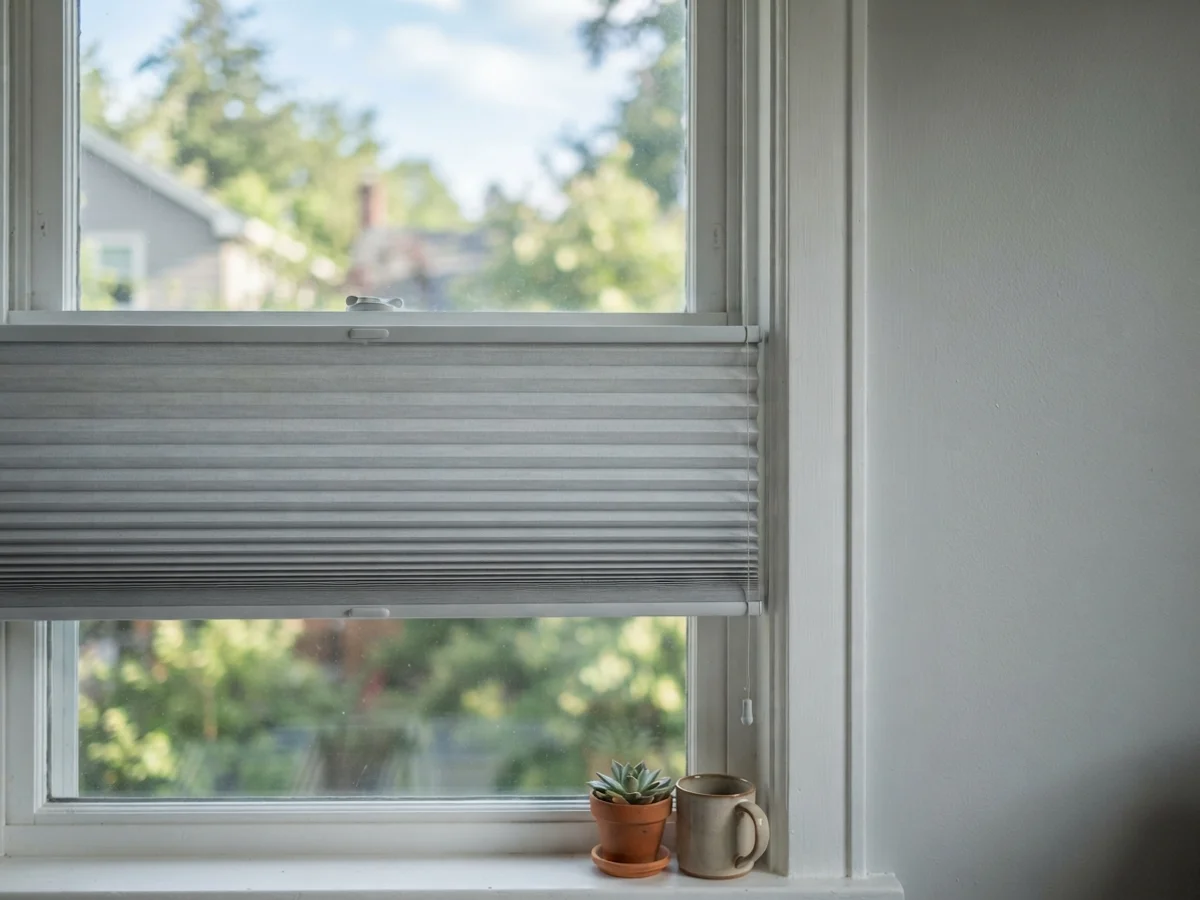
Taking down heavy curtains is a good first step, especially if they block a lot of the window. But leaving every window bare isn’t always the best idea.
Rooms facing the street might need privacy, and big windows that get afternoon sun often do better with adjustable shades. Hence, different types of blinds for windows can help with different needs.
Roller Shades for a Clean, Uncluttered Appearance
Roller shades are great if you want simple window coverings that don’t distract from your room’s style.
When you raise them, roller shades take up little space. When lowered, light-filtering fabrics soften the sunlight and cut glare but still let in some natural light.
Choosing the right fabric is important. Sheer or open-weave fabrics let you see outside but don’t give much privacy, especially at night. More opaque fabrics offer better privacy.
In living rooms and shared spaces, neutral roller shades usually go well with new paint and your current furniture.
Zebra Shades for Adjustable Light Control
Zebra shades, also called dual-layer or transitional shades, feature alternating sheer and opaque horizontal bands. You can adjust the fabric layers to control how much light comes in, without having to raise the shade all the way.
This makes zebra shades a good choice for rooms where the light changes a lot during the day. The horizontal stripes are part of the look, so think about how the color and spacing fit with your walls, floors, and furniture.
Zebra shades help with privacy during the day, but they aren’t the same as blackout shades.
Cellular Shades for Comfort and Insulation
Cellular shades have a honeycomb design that traps air and adds insulation. Besides controlling daylight and privacy, well-fitted cellular shades can reduce heat transfer through windows. This research identifies cellular shades as an effective window attachment for improving thermal performance.
How well they work depends on your windows, the shade design, how they’re installed, your climate, and how you use them. If your windows get cold or you have seasonal drafts, cellular shades can help with comfort as well as looks.
Make Paint Colors and Window Treatments Look Like One Design
After you pick your paint colors and window coverings, think about how they’ll look as a set.
A good-looking room feels consistent. The wall color, window shades, trim, floors, and furniture should all work together, not fight for attention. Here are three practical combinations worth considering for almost any house type across US and Canada:
Wall color — Recommended shades — Best use-case — Reason behind design
Soft greige — Warm white or ivory roller shades — Living rooms with oak floors, beige furniture, and warm finishes — Adds subtle depth while keeping windows bright. Avoid cool whites that clash with warm tones.
Muted sage green — Natural linen or warm off-white shades — Bedrooms and living rooms with wood accents, cream textiles, and simple furniture — Creates a calm, balanced look without drawing too much attention to the windows.
Pale blue — White or light gray shades — Bright rooms with cool-toned flooring or modern finishes — White creates a crisp look, while light gray complements cooler interiors.
In open-plan homes, keeping things consistent matters even more. Using similar window fabrics and a coordinated wall color helps connected spaces feel unified. Check out our whole-house color palette guide to learn how to plan colors for adjoining rooms.
Tackle Small Details That Make Rooms Look Darker
Before buying anything new, see if your home’s current features are holding it back from looking its best. Often, the best improvements are just cleaning, rearranging, or fixing things you already have.
- Clean the windows and inspect the screens. Dirt, residue, and heavily soiled screens can make the view appear dull. Cleaning the glass and screens helps present the windows in their best condition.
- Move furniture away from the windows. A tall bookcase or big chair near a window can block daylight or make the window look smaller. Rearranging your furniture can help spread light and make the room feel more open.
- Think about where you hang your curtains. Thick panels that cover the glass, even when open, make the window look smaller. If you have enough wall space, use a wider curtain rod so the panels can sit beside the glass instead.
- Touch up worn trim and window frames. Scuffed paint, damaged caulk, or discolored trim can take away from an otherwise nice room. Fixing these small things can be more valuable than buying new decorations.
- Improve your artificial lighting. Natural light changes throughout the day, and buyers might visit when it’s cloudy or late. Using bulbs with the same color temperature and adding lights in dark corners helps rooms feel welcoming even when there’s less daylight.
Mirrors can help spread light and make a room feel deeper if you place them carefully. Just be sure not to put them where they reflect harsh glare or something you don’t want to highlight.
Try to make the most of what’s already in the room before deciding if you need a bigger upgrade.
Which Improvements Should You Make Before Selling?
Not every home improvement is worth doing right before you sell. If you plan to stay in your home for years, it makes sense to invest in premium window treatments, motorized controls, or big window upgrades.
But if you’re selling soon, your priorities will be different. It helps to separate must-do repairs from cosmetic fixes and optional upgrades.
Improvement — When it makes sense before selling
Cleaning windows and removing obstructions — Almost always a sensible first step
Repairing damaged paint or trim — When wear is visible and affects presentation
Repainting walls — When colors are distracting, finishes are inconsistent, or surfaces are worn
Replacing window coverings — When existing treatments are broken, outdated, obstructive, or unsuitable for privacy
Installing motorized shades — When convenience is particularly valuable and the budget supports it
Replacing windows — When existing windows have significant functional problems or replacement is justified beyond staging
Begin with things buyers will notice right away, like peeling paint, broken blinds, stained curtains, damaged trim, or windows that are hard to open.
Next, focus on the rooms that matter most for your home’s presentation. The 2025 National Association of Realtors staging report says living rooms, main bedrooms, and dining rooms are the spaces most often staged.
That doesn’t mean you need to renovate every one of these rooms. Usually, matching paint, nice window coverings, and better furniture placement are enough to make a good impression.
If you’re thinking about bigger upgrades, talk to a local real estate agent about which changes matter most to buyers in your area. A major upgrade might make your home more comfortable and enjoyable, even if you don’t get all the money back when you sell.
See Your Home Through a Buyer’s Eyes
Before you list your home, walk through each room at the times buyers are most likely to visit.
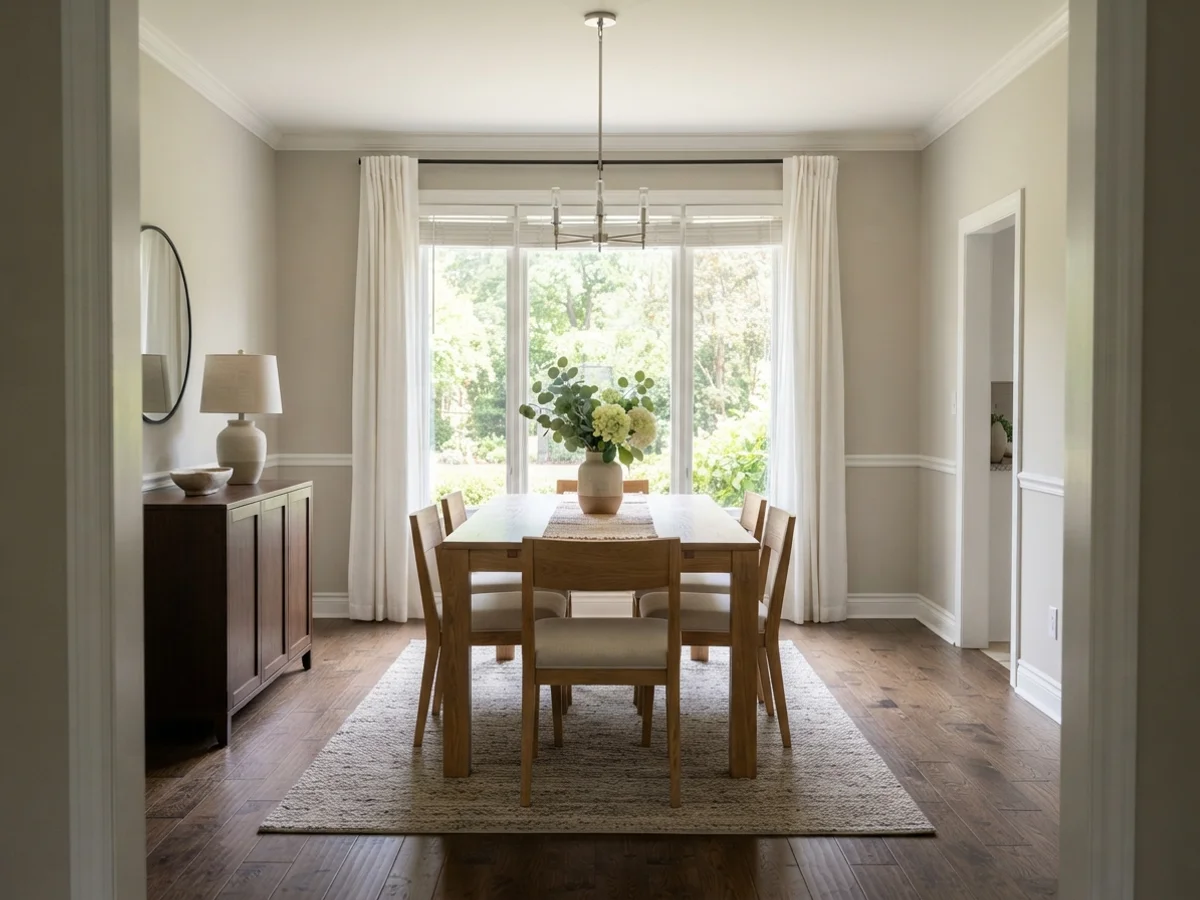
Open the window coverings, then adjust them to reduce glare. Check how the paint looks in both natural and artificial light. Notice if furniture blocks windows, if finishes don’t match, or if any areas feel too dark.
Take photos from the doorway and from where people usually sit. These views can show problems you might miss when you see the room every day.
You don’t always need more windows or a full remodel to make your home brighter and more appealing. Usually, it’s about making the most of the daylight, colors, and features you already have.
This article was contributed by Lily Narazina. Want to write for us?Here's how.