Product review · Glidden · Updated August 7, 2026
High Endurance PlusGlidden paint review
7.4/10Genuinely tougher than the bargain lines, and not what a premium means by scrubbable.
A lot of honest 100 percent acrylic paint-and-primer for about $25 a gallon, with a same-day white you can pull off the shelf. The name oversells the durability by roughly one tier, and that is the whole review.

Maya Patel · Reviews Editor & Product Tester · Updated August 7, 2026
Maya spent five years running comparative product testing at a consumer testing nonprofit before joining CompositePaint. She has priced the whole Glidden ladder gallon by gallon and taken a Magic Eraser to every rung of it to see which claims hold. About the testing process →
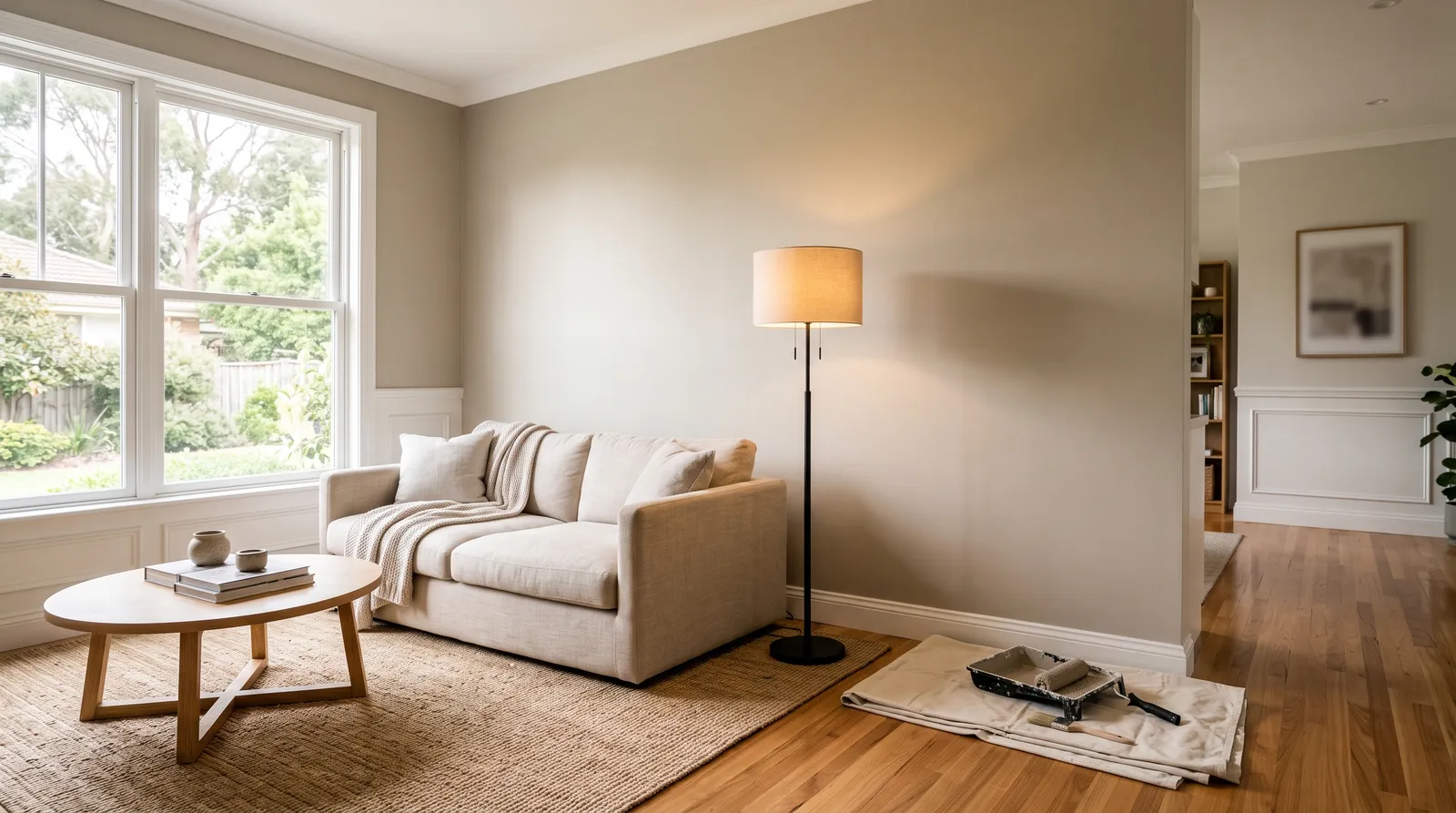
Glidden High Endurance Plus6 sheens
CoverageUp to 400 sq ft / gal claimed
Dry / RecoatTouch 30–60 min · recoat 4 hr
VOCLow-odor
Full cureAbout 14 days
Sheens Interior: FlatEggshellSemi-GlossExterior: FlatSatinSemi-Gloss
Read this first
The Fast Verdict
Buy it for bedrooms, ceilings, closets, a rental between tenants, or a budget whole house. Around $25 a gallon buys a 100 percent acrylic paint-and-primer that hides well for the money, brushes easy, and comes in Grab-N-Go pre-mixed whites you can roll the same afternoon. The name oversells the durability by about a tier: it beats the bargain lines but burnishes under a Magic Eraser, the tintable interior line has no satin, and any color change still wants two coats.
Best for
Bedrooms and ceilings · Closets · Rental repaints · Budget whole-house jobs · Same-day white ceilings from the Grab-N-Go shelf · Value exterior work on sheds, fences, and rentals
Skip if
You want satin · Kitchens and baths you clean weekly · True one-coat hide on a color change · You want an indoor-air certification · A long-warranty exterior on a house you are keeping
What it's good at
- Hide for the money — a 100 percent acrylic paint-and-primer that covers well at around $25 a gallon
- Grab-N-Go pre-mixed whites you pull off the shelf with no tint stop, which is exactly the ceiling-white errand
- Brushing and rolling with body, so a first-timer gets a respectable wall
- Beating the bargain lines on toughness, which is what High Endurance actually means
- Going outside too — the exterior version handles wood, stucco, fiber cement, and weathered aluminum and vinyl
- Cold-weather exterior work, since the exterior formula applies down to 35°F
- A mildew-resistant film and a self-priming claim on sound walls, at a budget sticker
What it's not good at
- Living up to the highly scrubbable name — a Magic Eraser still polishes a shiny spot into flat or eggshell
- Sheen choice indoors, with no satin on the tintable line at all
- One-coat hide on a color change, whatever the paint-and-primer label suggests
- Deep and saturated colors, which want a tinted primer under two coats
- Color flexibility on the Grab-N-Go shelf, where you get whites and a short list of ready colors
- Exact touch-up matching later, especially on a pre-mixed Grab-N-Go color
- A long-warranty exterior on a house you are keeping, where this is still the value rung
Same shelf, different cans
Which High Endurance Plus Are You Buying?
The same name covers an interior line, a pre-tinted convenience variant, and a full exterior paint. On the Glidden ladder it sits above the bargain Fundamentals and Essentials lines and below Glidden Premium, and every value line wears some version of a blue-and-white can with a plus-primer flag. Read the line name on the lid, not the color of the bucket.
High Endurance Plus Interior, tintable (this review)
Base100% acrylic paint-and-primer, low-odor Zero-VOC base
SheensFlat, Eggshell, Semi-Gloss — no satin in the tintable line
Recoat4 hr
Buy it if
Bedrooms, ceilings, closets, a rental, or a budget whole house, and you want a specific deck color mixed at the counter.
Avoid if
You want satin, or a wall that gets cleaned rather than dusted.
High Endurance Plus Grab-N-Go
BasePre-mixed, pre-tinted whites and a short list of ready colors, including a roughly 29-ounce size
Buy it if
The brief is I need a gallon of white for the ceiling right now. No tint stop, a few dollars less than the tintable gallon.
Avoid if
You need a specific deck color, or an exact match for a later touch-up — the pre-mixed shelf limits both.
High Endurance Plus Exterior
Base100% acrylic paint-and-primer for prepared or previously painted siding, applies down to 35°F
SheensFlat, Satin, Semi-Gloss
Buy it if
A rental exterior, a shed, a fence, or a quick refresh on wood, stucco, concrete, hardboard, fiber cement, or weathered aluminum and vinyl.
Avoid if
A house you are keeping long-term and want a multi-year warranty on. This is still the value rung outside.
Numbers, not adjectives
Spec Sheet
- Coverage
- Up to 400 sq ft / gal claimed; 300–350 realistic on a color change
- Resin
- 100% acrylic
- Sheens, interior
- Flat, Eggshell, Semi-Gloss — no satin in the tintable line
- Sheens, exterior
- Flat, Satin, Semi-Gloss
- Dry / Recoat
- Touch 30–60 min · recoat 4 hr
- Full cure
- About 14 days
- VOC
- Low-odor, Zero-VOC base; deep-tint colorant raises it
- Primer
- Paint-and-primer in one, self-priming on sound painted walls; a real primer is needed on bare drywall, gloss, or stains
- Surfaces
- Interior walls, ceilings, trim in semi-gloss; exterior wood, stucco, concrete, fiber cement, weathered aluminum and vinyl, metal
- Low-temp application
- Exterior version goes on down to 35°F
- Sizes
- Quart, gallon; Grab-N-Go pre-mixed whites including a roughly 29-ounce size
- Price
- About $22–30 / gal at Home Depot and Walmart; Grab-N-Go whites a few dollars less
Application Settings That Work
- Primer
- Self-priming on sound, previously painted walls, which is what the paint-and-primer claim actually means. Bare drywall, glossy surfaces, and stains all want a real primer first — a stain-blocking one for water rings, smoke, or tannin. Outside, the exterior version self-primes on prepared or previously painted siding, and bare substrate still gets primed.
Dry, Recoat, and the Two-Week Cure
Touch dry in 30 to 60 minutes and recoatable at four hours, so a bedroom is a two-coat day if you start early. Full cure runs about 14 days, and the wash resistance the name promises is only there once the film has hardened, so keep the rag off a fresh wall. The number that changes your plan is coverage rather than cure: up to 400 square feet a gallon is best-case math and 300 to 350 is what a color change actually gives you. Any color-to-color or going-lighter job wants two coats, and a deep or saturated color wants a tinted primer first. Budget the second gallon before you start, not halfway through the room.
Mid-project panic
When It Goes Wrong, and How to Fix It
A shiny spot where you scrubbed a crayon mark
Why it happens. This is the honest weak spot, and it is awkward because endurance is the brand's whole pitch. The film is genuinely tougher than Fundamentals or Essentials, so against bargain paint the scrub claim holds. Against a real premium it does not, and a Magic Eraser on flat or eggshell polishes the surface instead of cleaning it.
The fix. A damp wipe is what this tier does. For the wall behind the stove or the kids' hallway, the fix is not technique — it is the next tier, which means Diamond at about $10 more a gallon.
One coat that still shows the old color
Why it happens. Paint-and-primer and up to 400 square feet are both best-case math. A same-color refresh over a clean, sound wall often pulls in one. A real color change does not.
The fix. Plan two coats on any color change and buy the gallons for it. For a deep red or navy, put a tinted primer down first, or the old color ghosts through even after the second pass.
A touch-up that does not match
Why it happens. Flat and eggshell touch up cleanly early on, and later spot-fixes flash the way they do on every value paint. Grab-N-Go makes it worse, because a pre-mixed color is not an exact custom match you can re-order for a repair.
The fix. Keep a labeled quart from the same can rather than buying a fresh Grab-N-Go gallon later. Do repairs in the first weeks, and past that re-roll the wall to a corner.
Paint letting go on a slick or stained surface
Why it happens. The self-priming claim covers sound, previously painted walls. Bare drywall, glossy trim, and water or smoke stains are outside what the can does on its own.
The fix. Sand gloss dull, and use a real primer on bare drywall and a stain-blocking primer on water rings, smoke, or tannin before you roll.
Side by side
High Endurance Plus vs Glidden Premium vs Diamond
Three neighbours on the same Glidden shelf, about $10 a gallon end to end. The satin question and the scrub question decide almost every one of these.
| Glidden High Endurance Plus | Glidden Premium | Glidden Diamond | |
|---|---|---|---|
| Price per gallon | About $22–30 | About $22–26 | About $32–36 |
| Resin and base | 100% acrylic, low-odor Zero-VOC base | Zero-VOC base with GREENGUARD Gold certification | The flagship, with the highest solids in the lineup |
| Sheens | Flat, Eggshell, Semi-Gloss — no satin in the tintable line | Adds a satin sheen | Full range including satin |
| Scrub resistance | Better than the bargain lines, still burnishes under a Magic Eraser | A value-mid film; not a scrub paint either | Ultra-scrubbable, and it will not burnish under a sponge |
| Coats on a color change | Two, plus a tinted primer on deep colors | Two | Genuine one-coat hide on select colors |
| Same-day convenience | Grab-N-Go pre-mixed whites off the shelf, no tint stop | Counter-tinted | Counter-tinted |
| Where it wins | Lowest sticker plus a white you can roll this afternoon | Indoor-air certification and a satin option | Kitchens, baths, and the kids' hallway |
Price per gallon
Glidden High Endurance PlusAbout $22–30
Glidden PremiumAbout $22–26
Glidden DiamondAbout $32–36
Resin and base
Glidden High Endurance Plus100% acrylic, low-odor Zero-VOC base
Glidden PremiumZero-VOC base with GREENGUARD Gold certification
Glidden DiamondThe flagship, with the highest solids in the lineup
Sheens
Glidden High Endurance PlusFlat, Eggshell, Semi-Gloss — no satin in the tintable line
Glidden PremiumAdds a satin sheen
Glidden DiamondFull range including satin
Scrub resistance
Glidden High Endurance PlusBetter than the bargain lines, still burnishes under a Magic Eraser
Glidden PremiumA value-mid film; not a scrub paint either
Glidden DiamondUltra-scrubbable, and it will not burnish under a sponge
Coats on a color change
Glidden High Endurance PlusTwo, plus a tinted primer on deep colors
Glidden DiamondGenuine one-coat hide on select colors
Same-day convenience
Glidden High Endurance PlusGrab-N-Go pre-mixed whites off the shelf, no tint stop
Glidden PremiumCounter-tinted
Glidden DiamondCounter-tinted
Where it wins
Glidden High Endurance PlusLowest sticker plus a white you can roll this afternoon
Glidden PremiumIndoor-air certification and a satin option
Glidden DiamondKitchens, baths, and the kids' hallway
Pick High Endurance Plus when you want the lowest sticker or a same-day white off the shelf, and the rooms are quiet. Pick Glidden Premium when you want the GREENGUARD Gold base or a satin sheen, which is usually only a couple of dollars more. Pick Diamond when the wall gets cleaned rather than dusted — about $10 more a gallon and the only one of the three that genuinely takes a sponge. None of them out-scrubs Diamond, and all three want two coats on a color change.
If not this one
Honest Alternatives
GP
Glidden Premium$22–26 / gal
Same brand, the next rung. Premium adds a Zero-VOC GREENGUARD Gold base and a satin sheen the High Endurance tintable line skips, usually for only a couple of dollars more. If the indoor-air certification or a satin finish matters, this is the easy move.
Full review →GD
Glidden Diamond$32–36 / gal
The flagship, and the real answer for any room that gets touched. Higher solids buy genuine one-coat hide on select colors and a film that will not burnish under a sponge. About $10 more a gallon than High Endurance Plus, and worth it in a kitchen, bath, or kids' hallway.
Full review →GF
Glidden Fundamentals or Essentials$15–18 / gal
The bargain rung, same aisle. It hides poorly, goes on thin, and wants three coats on almost anything. It only makes sense on a true low-stakes job — a garage, a basement, a wall you are covering before a sale. By the time you buy the third gallon, High Endurance Plus usually costs less.
Full review →BP
Behr Premium Plus$28–35 / gal
The other budget big-box wall paint, sold next to Glidden at Home Depot. It runs a few dollars more and hides a touch better on color changes, with a deeper color deck. Neither paint scrubs like a true premium, so choose on price, sheen, and the exact color you want.
Full review →Questions people actually ask
High Endurance Plus Questions, Answered
Is Glidden High Endurance Plus worth it?
For a budget repaint, a rental, or a quick white ceiling, yes. Around $25 a gallon buys a 100 percent acrylic paint-and-primer that hides well for the money, brushes easy, and comes in Grab-N-Go pre-mixed whites you can roll the same afternoon. The name oversells the durability by about a tier, though: it burnishes under a Magic Eraser, the tintable interior line has no satin, and any color change still wants two coats. For a kitchen or bath wall you clean weekly, step up to Glidden Diamond.
High Endurance Plus vs Glidden Premium?
They are close neighbours on the value shelf. High Endurance Plus is the older 100 percent acrylic paint-and-primer with the scrub-and-stain pitch and the Grab-N-Go pre-mixed whites; Glidden Premium is the slightly newer value-mid line with a Zero-VOC GREENGUARD Gold base and an extra satin sheen. Pick High Endurance Plus for the lowest sticker or a same-day white. Pick Premium for the indoor-air certification and a satin option.
Does Glidden High Endurance Plus really cover in one coat?
On a same-color refresh over a clean, sound wall, often yes. On any real color change, no. The paint-and-primer label and the up-to-400-square-feet number are best-case math. Plan on two coats for beige-to-color, white-over-color, or anything going darker. A deep red or navy wants two coats plus a tinted primer or you will see the old color ghost through.
Is High Endurance Plus good for exterior siding?
Yes, within its tier. The exterior version is a 100 percent acrylic paint-and-primer for prepared wood, stucco, fiber cement, weathered aluminum, and vinyl, it applies down to 35°F, and it resists fading, cracking, and peeling. It is a fair value coat for a budget repaint or a rental exterior. For a long-warranty exterior on a house you are keeping, step up to a premium exterior line.
Does High Endurance Plus come in satin?
Not in the tintable interior line, which runs flat, eggshell, and semi-gloss only. The exterior version does come in satin. If you want satin walls indoors, that gap alone can decide the line for you — Glidden Premium is the cheapest rung that carries it.
What is Grab-N-Go?
Pre-mixed, pre-tinted cans you pull off the shelf with no tint stop, mostly whites plus a short list of ready colors, and there is a roughly 29-ounce size alongside the gallons. It usually costs a few dollars less than the tintable gallon. The catch is color: the moment you want a specific deck color you are back at the counter, and the same-day advantage disappears.
Can you scrub Glidden High Endurance Plus?
A damp wipe, yes. A true scrub-down, no. It is genuinely tougher than Fundamentals or Essentials, so against bargain paint the endurance claim holds. Against a real premium it does not — take a Magic Eraser to a crayon mark on a flat or eggshell wall and you will polish a shiny spot into it.
High Endurance Plus or Glidden Diamond?
Diamond, for any room that gets touched. Its higher solids buy genuine one-coat hide on select colors and an ultra-scrubbable film that will not burnish under a sponge, for about $10 more a gallon. High Endurance Plus is the right dollar in bedrooms, ceilings, closets, and rentals, where Diamond's advantages never show up.
Does Glidden High Endurance Plus need a primer?
It is a paint-and-primer in one and self-primes on sound, previously painted walls. That claim does not stretch to bare drywall, glossy surfaces, or stains, all of which want a real primer first — a stain-blocking one for water rings, smoke, or tannin. Sand gloss dull before you roll either way.
How long does it take to dry and recoat?
Touch dry in 30 to 60 minutes and ready to recoat at four hours, so two coats fit in a day if you start in the morning. Full cure is about 14 days, and the wash resistance is not there until the film has hardened, so keep a wet rag off a fresh wall.
Keep exploring
Glidden brand overview and product linesGlidden Premium Interior: the value-mid siblingGlidden Diamond: the scrub-and-one-coat flagship
We may earn a commission when you buy through the retailer link above. It never changes the score or the verdict.
Ask a Question