Product review · Benjamin Moore · Updated August 11, 2026
CenturyBenjamin Moore paint review
7.4/10The best-feeling wall finish Benjamin Moore ever sold — and a discontinued dead end you should not chase at scarcity prices.
Discontinued · Aug 2026Benjamin Moore ended Century after November 30, 2020 — the official Century page still carries the notice — and no current product uses the Soft Touch Matte finish. The 75 colors were factory pre-mixed, exclusive to the line, and per Benjamin Moore not reproducible in other products, so neither the finish nor the exact colors can be bought new today. Any can a dealer still lists is 2020-era leftover stock: worth having only if you already own a Century wall and the paint stirs back smooth. For a new statement wall, Aura matte is the closest current Benjamin Moore product.
The suede-feel Soft Touch Matte Benjamin Moore sold for $115–125 a gallon in 75 sealed factory-mixed colors — and discontinued after November 2020. What the finish actually was, why the line died, and where the statement-wall money goes now.

Mark Thompson · Pro Contractor & Field Editor · Updated August 11, 2026
22 years running residential and light commercial repaints across the Midwest. Mark has rolled Aura on deep accent walls and gone back to check the same walls at year five, which is the only way to judge a paint sold on color retention. About the testing process →
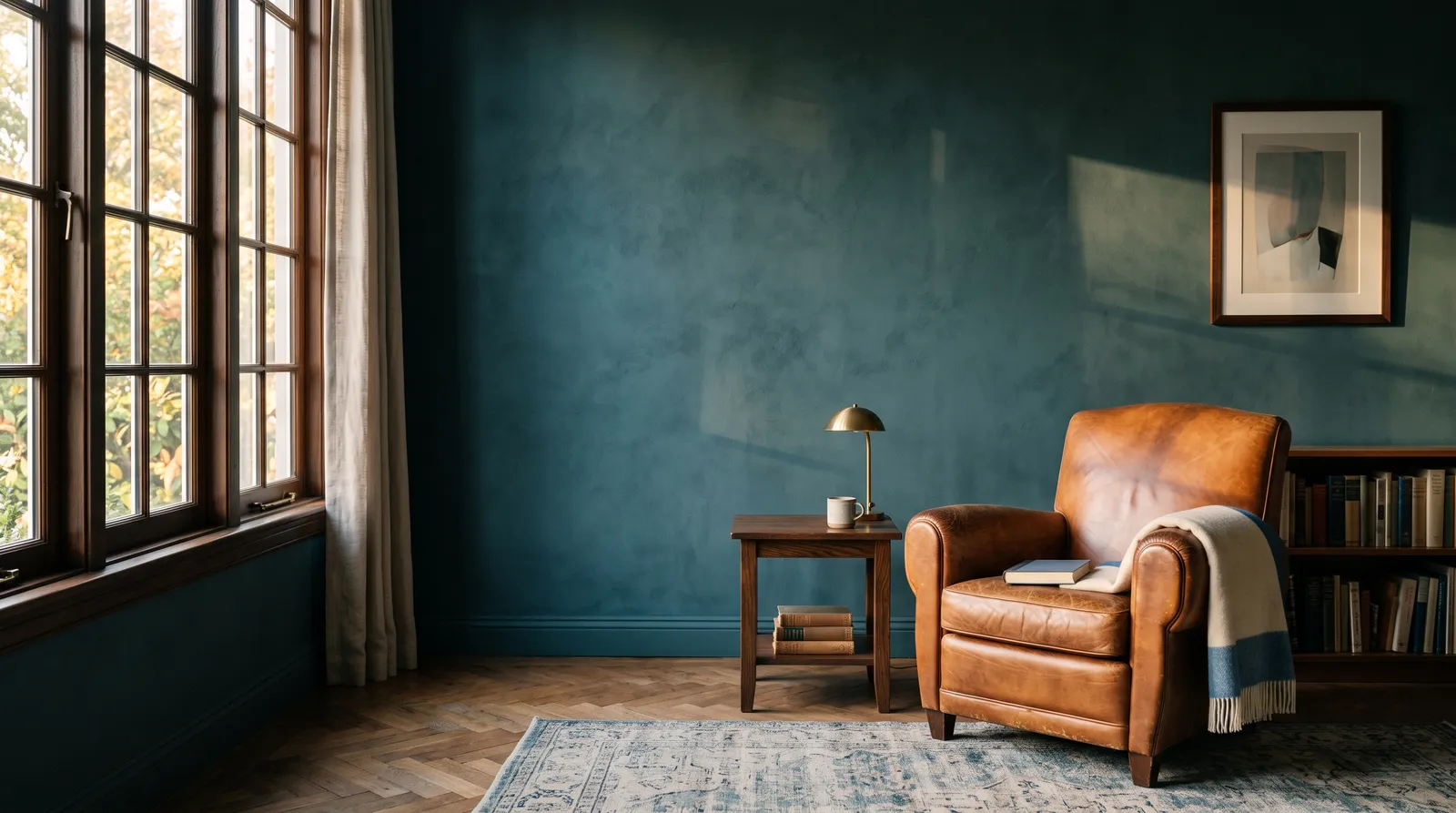
Benjamin Moore Century
CoverageOriginal TDS withdrawn at discontinuation
VOCLow-VOC waterborne
Read this first
The Fast Verdict
Century was the real thing: a first-of-its-kind Soft Touch Matte that cured with the hand of soft leather, in 75 exclusive deep colors, mixed in 400–500-gallon batches and sealed at the factory so tightly you could open a fresh gallon mid-wall without a halo. It was also gallon-only, special-order, never discounted, kept out of kitchens, baths, and busy rooms by BM's own guidance — and it has been discontinued since November 30, 2020. Every can left is five-plus-year-old stock, the colors cannot be remixed in any current line, and the film has no successor. Buy leftover Century only to maintain an existing Century wall. For a new statement wall, Aura matte in a deep color is the living answer for $30 less.
Best for
Owners maintaining an existing Century wall · A leftover can in your color that still stirs back smooth · Understanding what the fuss was before buying its modern alternatives
Skip if
Any new wall in 2026 · Scarcity-priced old stock · High-traffic or moisture rooms (BM's own rule even when it was sold) · Anyone who will ever need a touch-up from a store shelf
What it's good at
- A finish you could physically feel — the suede-hand Soft Touch Matte was unique in the US market and owners agreed it landed as promised
- Deep mineral color as a material: the 75-color deck lived exactly where an ultra-flat film makes color read bottomless
- Batch consistency no counter-tinted paint matches — sealed 400–500-gallon factory batches, no boxing, no mid-wall halo from a fresh gallon
- Reflection control that earned it a real home-theater following, with forum testers praising how clean it stayed under hands
- Honest positioning: one statement wall or a door, sold like a design commission — and for that single wall, it delivered
What it's not good at
- Existing — discontinued since November 30, 2020, with every remaining can now past the reliable shelf life of sealed latex
- The locked deck: 75 factory-mixed colors, no custom tint, and no rematch in any current line once production stopped
- Durability outside its lane — BM itself kept it away from high-traffic areas and moisture rooms, and the tactile surface burnishes under contact
- Buyability even in its lifetime: select dealers, special order a day or two ahead, gallon cans only, effectively never discounted
- Long-term ownership — a $115–125 wall with no touch-up path once the leftover gallon runs out
- Value against its own sibling: Aura matte did most of the visible job for $30 less, with washability and a full color deck
Numbers, not adjectives
Spec Sheet
- Status
- Discontinued — unavailable after November 30, 2020
- Finish
- Soft Touch Matte, one sheen only — the tactile film was the whole product
- Colors
- 75 exclusive pre-mixed colors, mid-tone to dark; no custom tinting, not matchable in other BM lines
- Batch size
- 400–500 gallons per batch, vs 5,000–10,000 for standard lines
- Consistency
- Factory-sealed cans; no boxing needed, fresh gallon mid-wall without haloing
- Coverage
- Original TDS withdrawn at discontinuation; plan on premium-interior norms, roughly 350–400 sq ft / gal, two coats
- VOC
- Low-VOC waterborne; the exact figure left the public datasheet library with the line
- Tools
- Dedicated Century brush at launch; 3/16-inch high-density or 3/8-inch microfiber roller
- Rooms
- Low-traffic, dry interiors only — BM steered it away from kitchens, baths, and busy hallways
- Sizes
- Gallon only, plus 4-ounce samples at $10 — no quarts, no 5-gallon
- Price
- $115–125 / gal while sold; effectively never discounted; special-ordered a day or two ahead
Application Settings That Work
- Brush
- Benjamin Moore developed a dedicated Century brush at launch, which tells you how seriously the film was taken — but any quality soft synthetic lays it off cleanly. If you are working from a leftover can today, strain it first and work one wall section at a time; a five-year-old gallon has less forgiveness in it than the paint had new.
- Primer
- Cans were pre-mixed and could not be tinted, so the system never had a self-priming story — deep Century colors wanted a gray-tinted primer from a separate product underneath, and that advice still holds if a leftover gallon is going over patched or lighter walls. Keep it off moisture rooms entirely; that was Benjamin Moore's own line, not ours.
Leftover Cans and the Age Problem
Every Century can in existence was filled in 2020 or earlier, and sealed latex is reliable for roughly two to five years — so the whole line now lives past its own shelf life. Before any money changes hands, open the can and confirm it stirs back smooth: no skin, no chunks, no sour smell. A pass means a usable touch-up resource for an existing Century wall; the factory-mixed consistency was tight enough that even late repairs blended, which owners of well-stored gallons confirmed. A fail means solids that never redisperse and a finish that will not film right, at any price. If you own a Century room, store your remaining paint airtight, above freezing, labeled with the color name — that can is the only touch-up path the wall will ever have.
Mid-project panic
When It Goes Wrong, and How to Fix It
You need to touch up a Century wall and have no leftover paint
Why it happens. There is no new can to buy. Production ended in November 2020, the 75 colors were factory-mixed and exclusive to the line, and Benjamin Moore said they cannot be reproduced in other products — so neither the color nor the Soft Touch film can be spot-matched from a store shelf.
The fix. Repaint the wall corner to corner in a current matte. Have a dealer scan a painted chip — a card-sized piece from behind a switch plate works — and tint Aura or Regal Select to the nearest match. Sample first: the same color reads differently without the ultra-flat soft-touch film.
A leftover 2020 gallon will not stir back smooth
Why it happens. Latex paint is reliable for roughly two to five years sealed, and every Century can is past that window. Settled solids that have compacted, a rubbery skin, or a sour smell mean the emulsion has broken, and no amount of stirring or shaking brings the film properties back.
The fix. Dispose of it as waste paint — do not thin it, strain it, and hope. If the can was your touch-up reserve for an existing Century wall, move to the chip-scan-and-repaint path now, while the wall is in good shape to sample against.
The soft-touch surface shows a shiny patch where it gets rubbed
Why it happens. Burnishing — the failure mode of every specialty dead-flat film, and the reason Benjamin Moore kept Century out of high-traffic areas in the first place. Repeated contact from shoulders, chair backs, or scrubbing polishes the tactile matte surface into a sheen spot the raking light finds instantly.
The fix. Clean only with a soft damp cloth and a light touch, never an abrasive pad or aggressive cleaner. An existing burnish mark does not buff out of a matte film; the repair is repainting the wall, which for Century means the leftover can or the move to a current product.
A dealer matched your Century color but the wall looks wrong
Why it happens. The scan got the pigment close; the film is doing the rest. Century's ultra-flat soft-touch surface absorbed light differently than a standard matte, so the identical color in Aura or Regal Select reads slightly lighter and flatter-in-a-different-way, especially in raking light on a deep shade.
The fix. Treat it as a new color decision, not a defect. Sample the matched color plus one shade darker on the wall, view both at morning and evening light, and pick by eye. Painting the full wall corner to corner — never patching — keeps the difference from ever showing as a seam.
Side by side
Century vs Aura vs Regal Select
The real Benjamin Moore decision in 2026 — where Century's job goes now that the line is dead. The short answer: the look transfers to Aura almost entirely; the feel transfers to nothing.
| Century (2017–2020) | Aura | Regal Select | |
|---|---|---|---|
| Status | Discontinued November 2020; leftover stock only | Current flagship | Current mid-tier |
| Price per gallon | $115–125 while sold, never discounted | $85–95 | $55–75 |
| Finish | Soft Touch Matte only — a film with a literal suede hand | Matte, Eggshell, Satin, Semi-Gloss; washable matte is the pro spec | Flat through Semi-Gloss |
| Colors and tinting | 75 locked factory-mixed colors; no custom tint, no rematch in other lines | Full 3,500-color deck, tinted at any dealer, forever | Full deck, tinted at any dealer |
| Durability | Low-traffic dry rooms only, by BM's own guidance; burnishes under contact | Burnish-resistant washable matte rated for hallways | Good in eggshell and up; the forgiving all-rounder |
| Touch-up path today | Your own leftover can, or repaint the wall in another product | Buy another gallon at any BM counter | Buy another gallon at any BM counter |
| Where it wins | The hand of the film — nothing current replicates it | Deep saturated statement walls you live with and maintain | Most rooms of a normal house, most budgets |
Status
Century (2017–2020)Discontinued November 2020; leftover stock only
AuraCurrent flagship
Regal SelectCurrent mid-tier
Price per gallon
Century (2017–2020)$115–125 while sold, never discounted
Aura$85–95
Regal Select$55–75
Finish
Century (2017–2020)Soft Touch Matte only — a film with a literal suede hand
AuraMatte, Eggshell, Satin, Semi-Gloss; washable matte is the pro spec
Regal SelectFlat through Semi-Gloss
Colors and tinting
Century (2017–2020)75 locked factory-mixed colors; no custom tint, no rematch in other lines
AuraFull 3,500-color deck, tinted at any dealer, forever
Regal SelectFull deck, tinted at any dealer
Durability
Century (2017–2020)Low-traffic dry rooms only, by BM's own guidance; burnishes under contact
AuraBurnish-resistant washable matte rated for hallways
Regal SelectGood in eggshell and up; the forgiving all-rounder
Touch-up path today
Century (2017–2020)Your own leftover can, or repaint the wall in another product
AuraBuy another gallon at any BM counter
Regal SelectBuy another gallon at any BM counter
Where it wins
Century (2017–2020)The hand of the film — nothing current replicates it
AuraDeep saturated statement walls you live with and maintain
Regal SelectMost rooms of a normal house, most budgets
A deep Aura matte wall delivers most of what people actually saw in a Century wall — the bottomless color, the glare-free surface — plus washability Century never had, a tintable deck that will exist next decade, and a $30-per-gallon saving. What Aura does not deliver is the thing you felt with your fingertips; the Soft Touch film retired with the line and has no heir at any price. If the finish-as-material idea is the itch, Farrow and Ball Dead Flat is the current product still playing that game. For everything else, Regal Select remains the gallon most rooms should get.
If not this one
Honest Alternatives
BM
Benjamin Moore Aura$85–95 / gal
The living answer to Century's brief. A deep Aura matte gets you most of the visual depth, holds color for years, wipes clean where Century could not, and can be recoated from any BM counter forever. Buy the Extender 518 with it and keep a wet edge — the trade is a finish you maintain versus a finish you could feel.
Full review →BM
Benjamin Moore Regal Select$55–75 / gal
If the Century itch was really just a beautiful dark wall, Regal Select in flat or matte does it for half Century's money and forgives an amateur roller. The sensible gallon for every room that is not the statement wall.
Full review →FB
Farrow & Ball Dead Flat$130+ / gal
The one current product still selling finish-as-material to design clients — a specialty dead-flat film, now in a washable formulation, that occupies Century's cultural slot. A different hand than Soft Touch, but it is purchasable, tintable across the F&B card, and supported.
Full review →Questions people actually ask
Century Questions, Answered
Is Benjamin Moore Century discontinued?
Yes. Benjamin Moore ended the line after November 30, 2020, and the official Century page still carries the notice. A rep cited the two structural problems: the $115–125 price and a pre-mixed deck of only 75 colors with no custom tinting. Anything a dealer lists today is leftover stock sealed in the can for more than five years.
What was the Soft Touch Matte finish?
A specialty ultra-matte film that cured with a faint suede-like hand — Benjamin Moore compared it to a soft leather glove, and owners largely agreed. It launched with Century in 2017, appeared in no other product, and retired with the line, which is why no current paint replaces it.
Can a dealer match a Century color today?
Approximately, not exactly. The 75 colors were factory-mixed, exclusive to the line, and per Benjamin Moore not reproducible in other products. A dealer can scan a painted chip and tint Aura or Regal Select close to it, but the different film changes how the color reads — sample on the wall before committing.
Is leftover Century paint worth buying?
Only to maintain an existing Century wall, and only if the can stirs back smooth with no skin, chunks, or sour smell. Every can was filled by 2020, past the two-to-five-year reliable life of sealed latex. As a new purchase at scarcity prices it loses to a fresh gallon of Aura matte every time.
What replaced Century at Benjamin Moore?
Nothing carries the finish. For the practical job — a deep statement wall — Aura in matte is the closest current product: comparable depth, real washability, the full tintable deck, and about $30 less per gallon. For the design-object dead-flat idea from another brand, Farrow and Ball Dead Flat plays the same game.
Why was Century so expensive?
The production model. Batches ran 400–500 gallons against the usual 5,000–10,000, every can was mixed and sealed at the factory rather than tinted in-store, and it sold through a short dealer list on special order. The payoff was batch consistency tight enough to skip boxing entirely — the cost was a $115–125 sticker that helped kill the line.
Was Century paint good for home theaters?
It had a genuine following there. The ultra-flat film controlled screen reflections better than standard mattes, and theater builders on enthusiast forums praised how clean it stayed where hands touched it. With the line gone, a dark ultra-flat color in a current matte does the same optical job.
How do you touch up a Century wall now?
From your own sealed leftover can if you have one — the factory-mixed consistency blends late repairs better than counter-tinted paint, provided the can was stored airtight above freezing. Without one, the honest fix is repainting the wall corner to corner in a current matte, using a dealer chip-scan for the color.
Keep exploring
Benjamin Moore brand guide and product lineupBenjamin Moore Aura review (the closest current deep-color pick)Benjamin Moore Regal Select reviewFarrow and Ball Dead Flat review (the other design-object matte)
We may earn a commission when you buy through the retailer link above. It never changes the score or the verdict.
Ask a Question