Paint Reviews, Guides, and Color 1,152 articles, every pick with a real con.
Independent paint and tool round-ups, project step-by-steps, color references and brand reviews. Every product pick lists a real weakness. No review without one.
 Explainer
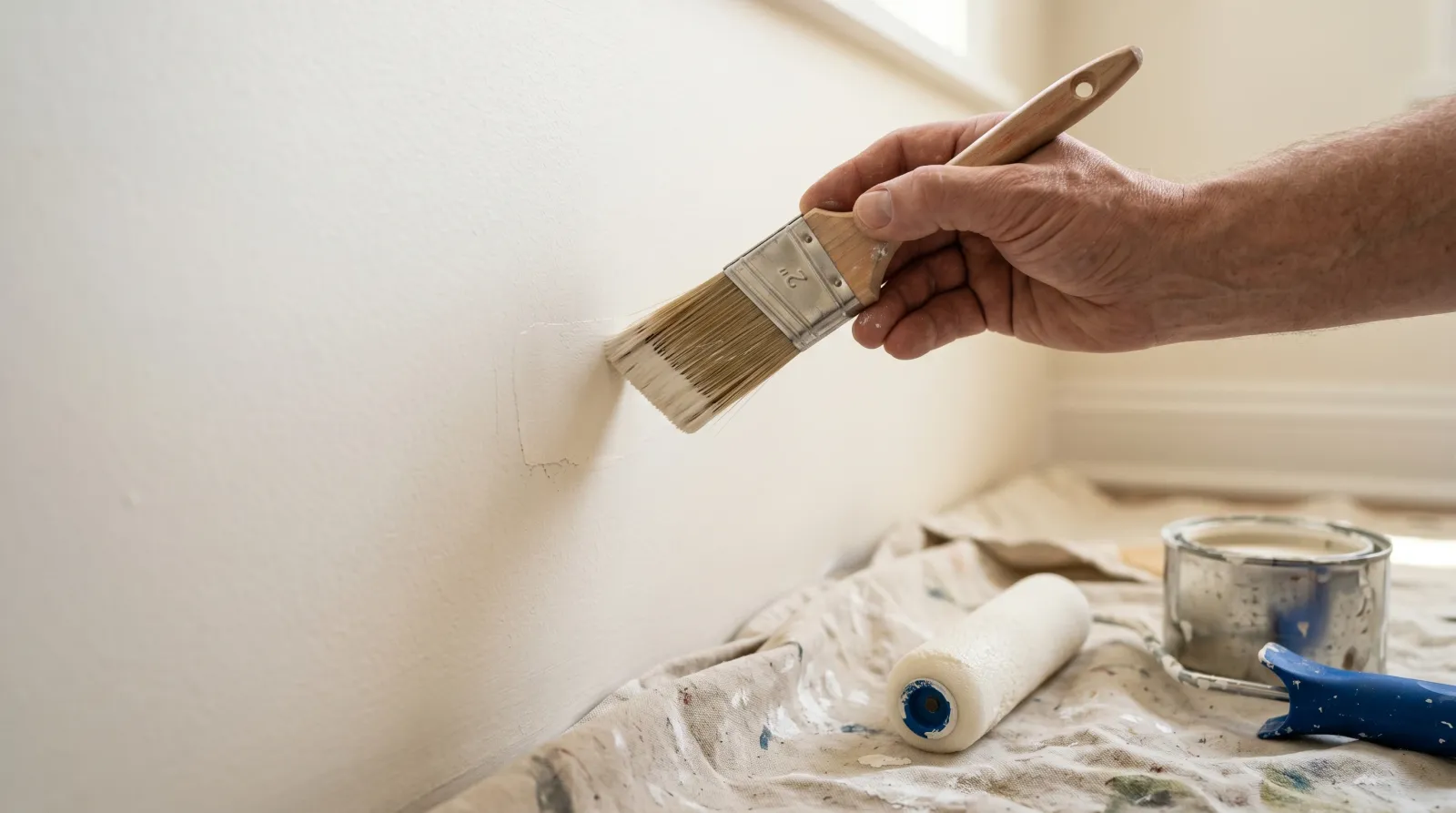
What Is Feathering an Edge?
Feathering tapers a paint stroke to zero film thickness so a touch-up blends into the existing wall. Here's the technique, the tools, and why it works.
June 2, 2026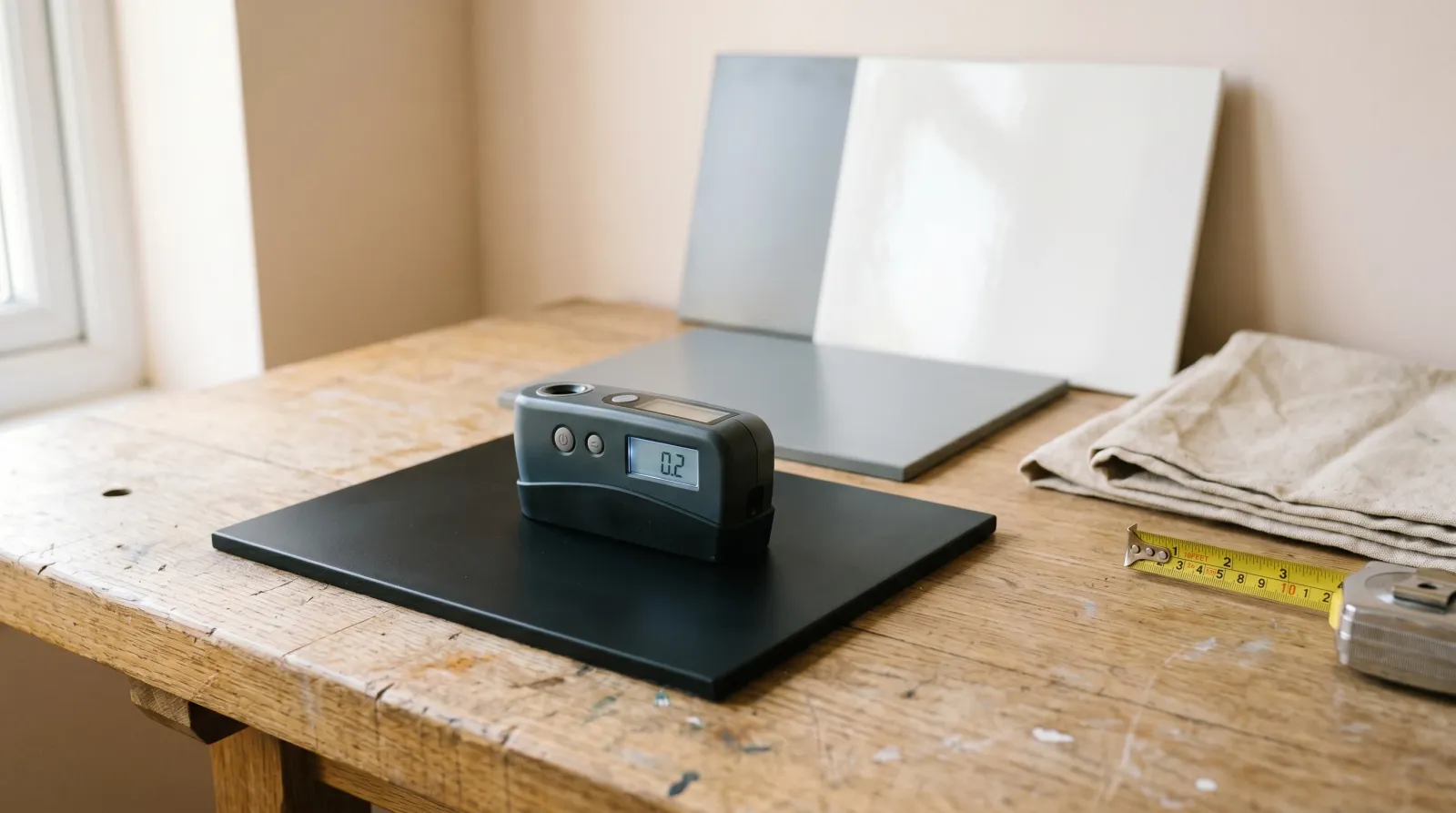 Explainer
Gloss Units Explained: How Sheen Is Actually Measured
A gloss unit is a number from a meter, not a marketing word. Here is how the meter works, what the ranges mean, and where brand labels start to lie.
June 2, 2026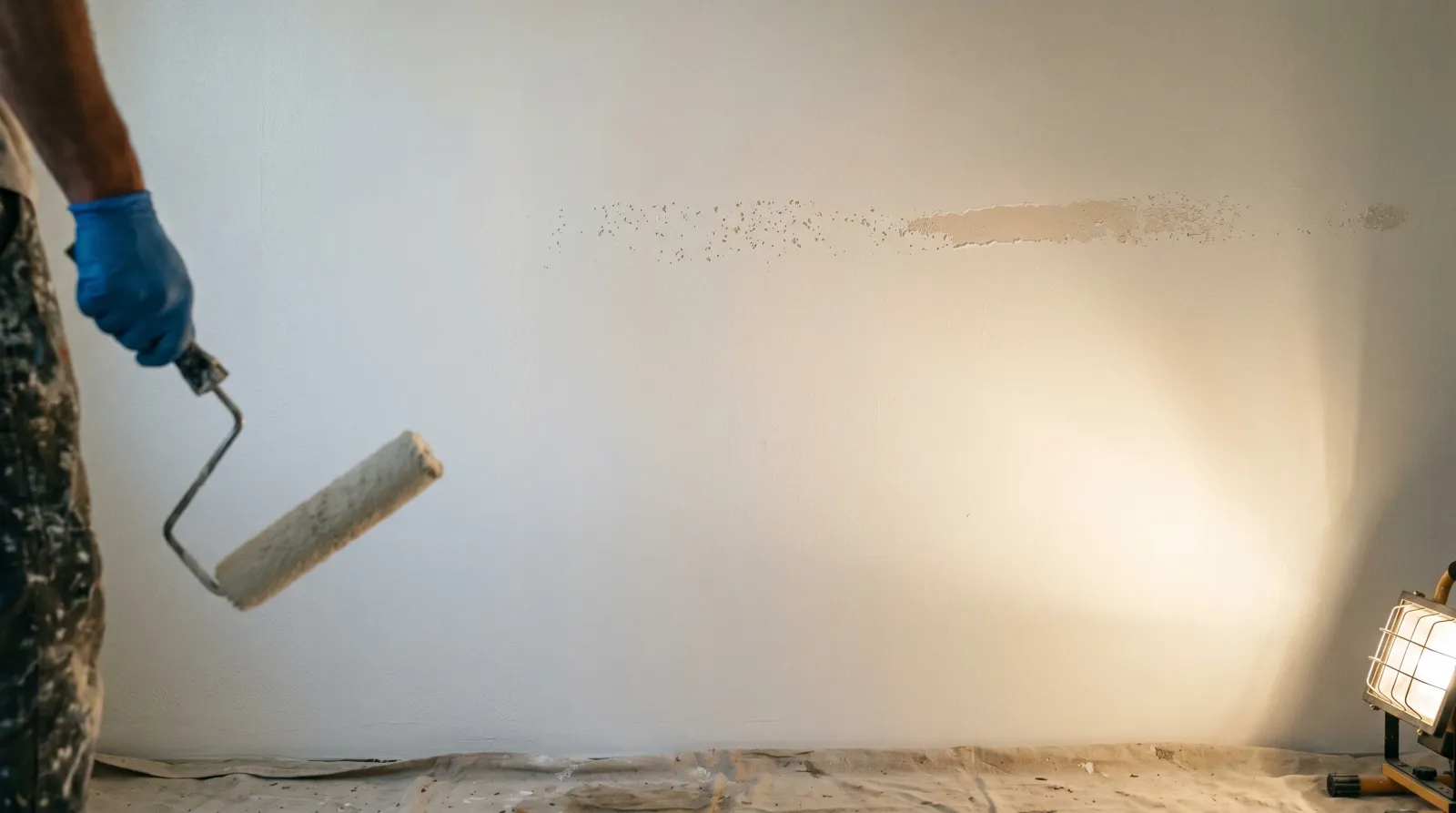 Explainer
What Are Paint Holidays? Finding the Spots You Missed
Paint holidays are the missed spots and bare patches in a finished film that hide in flat light and show under raking light. Here is the chemistry, the backlighting trick, the mil numbers behind them, and why they aren't flashing.
June 2, 2026 Explainer
What Is Oil-Based Gloss Paint?
Oil-based gloss paint cures into a glassy, hand-brushed-but-looks-sprayed film at 70+ gloss units. The yellowing, the 16-hour recoat, and why shops still use it.
June 2, 2026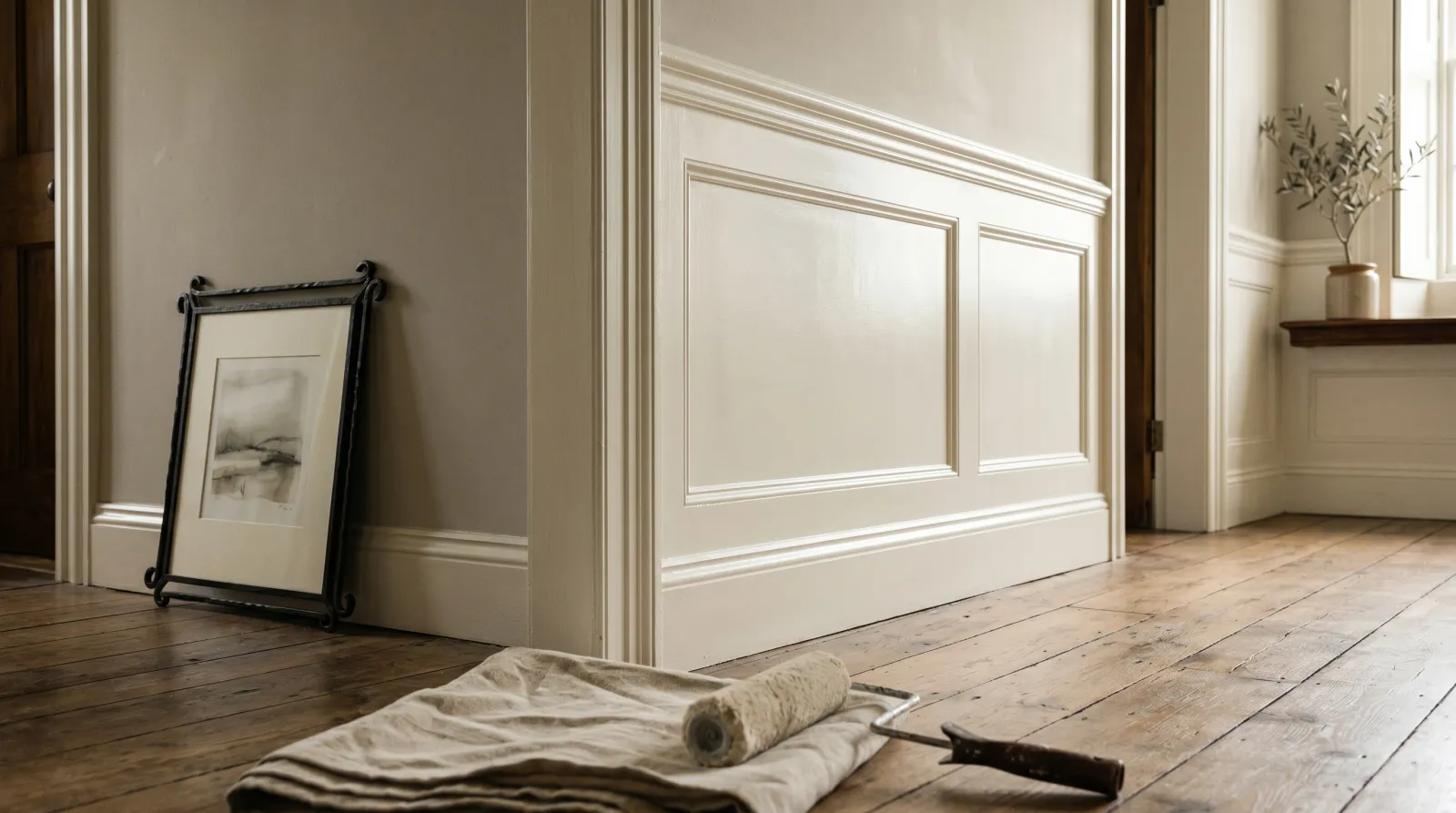 Explainer
What Is Pearl Finish Paint?
Pearl finish reads 25–45 gloss units at 60°. It sits between satin and semi-gloss, and half the major brands no longer make it. Here's why.
June 2, 2026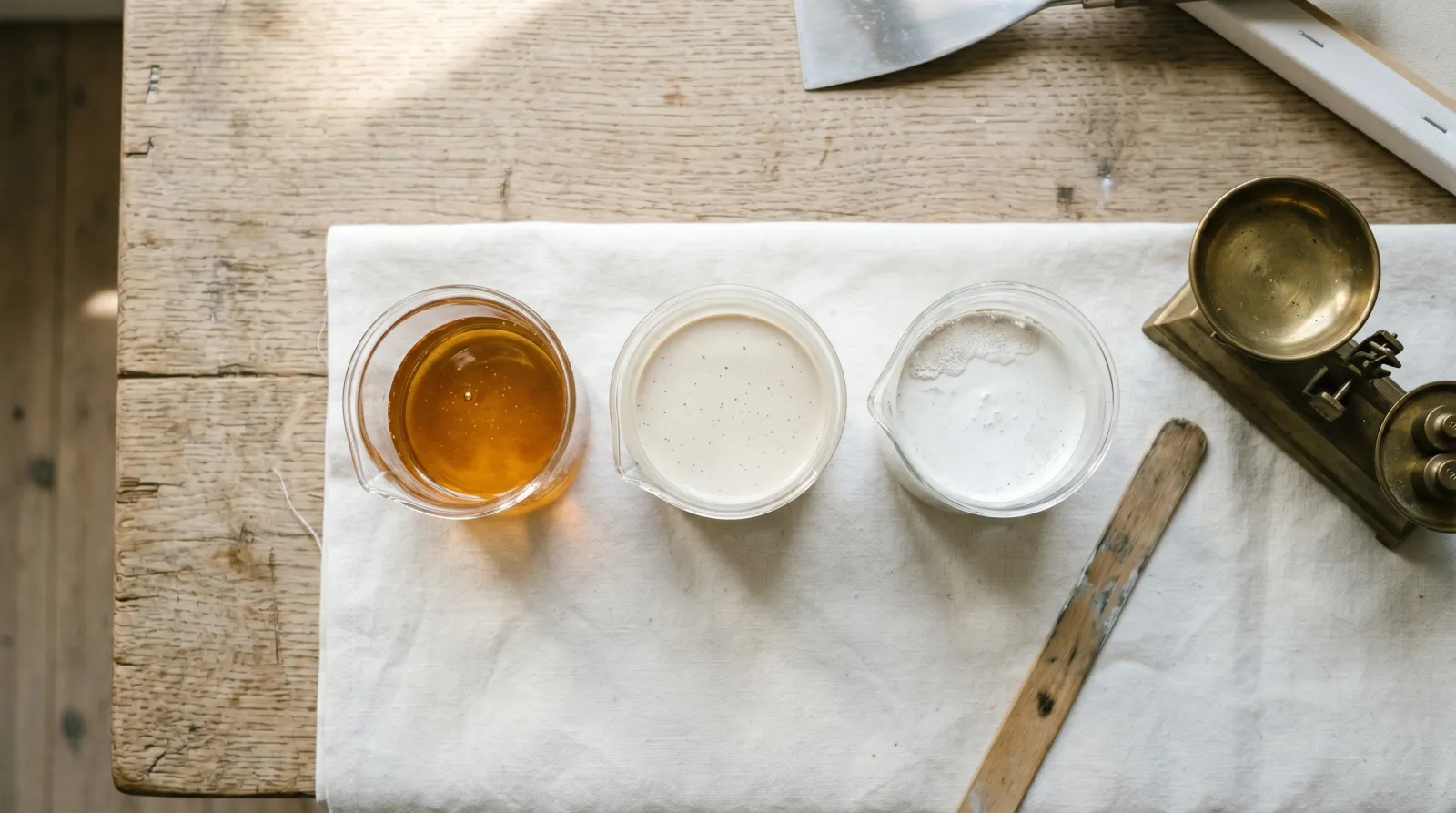 Explainer
What Is PVC in Paint? Pigment Volume Concentration Explained
Pigment volume concentration is the ratio of pigment to binder by volume in the dry film. Above 45% PVC paints go flat and chalky. Below 15% they go glossy. Here's why, and how to use it when you buy.
June 2, 2026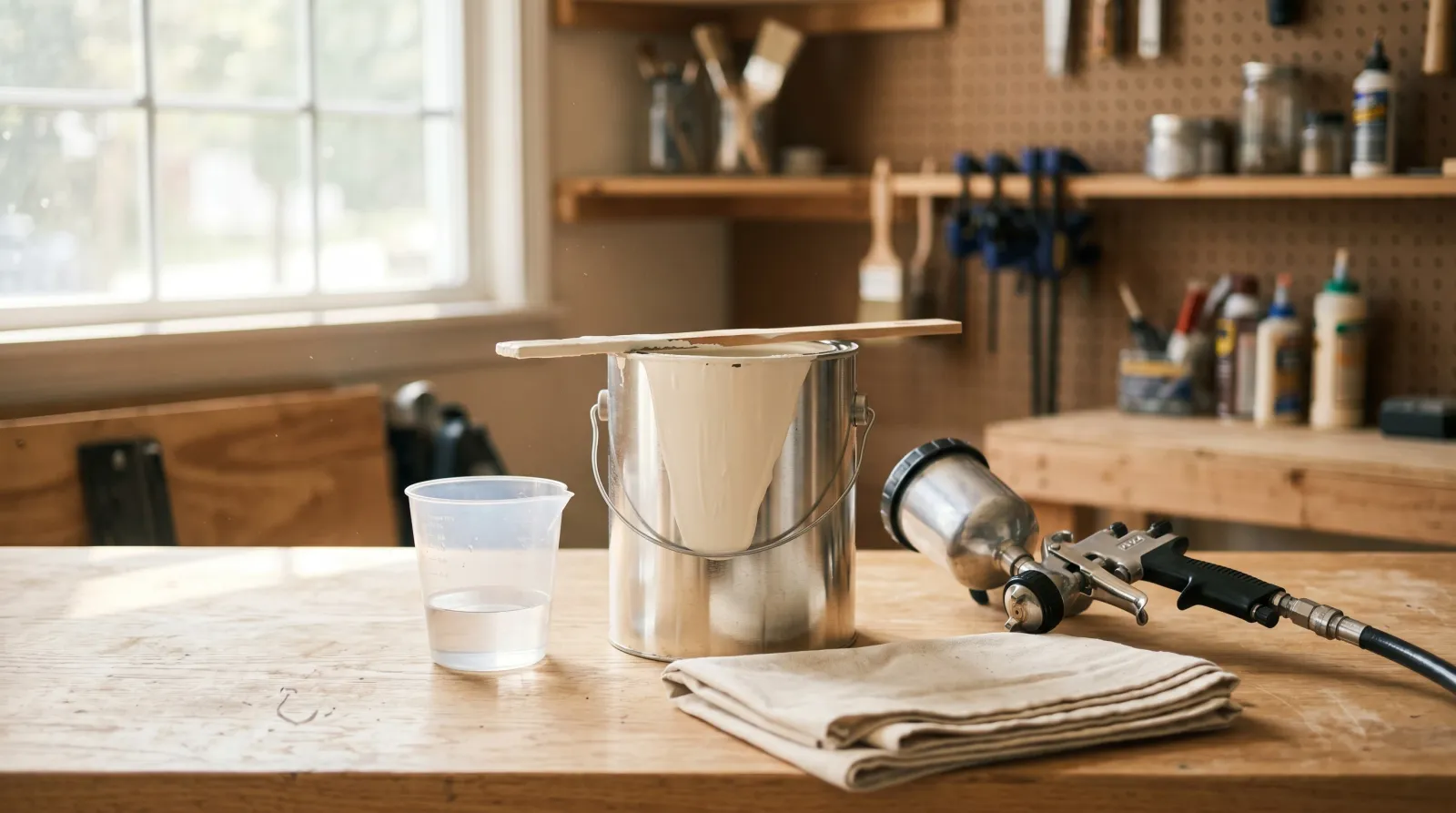 Explainer
How to Thin Paint Properly
Thin latex with water (10-15% max), oil with mineral spirits. When thinning helps, when it ruins the can, and why you should never thin Benjamin Moore Aura.
June 2, 2026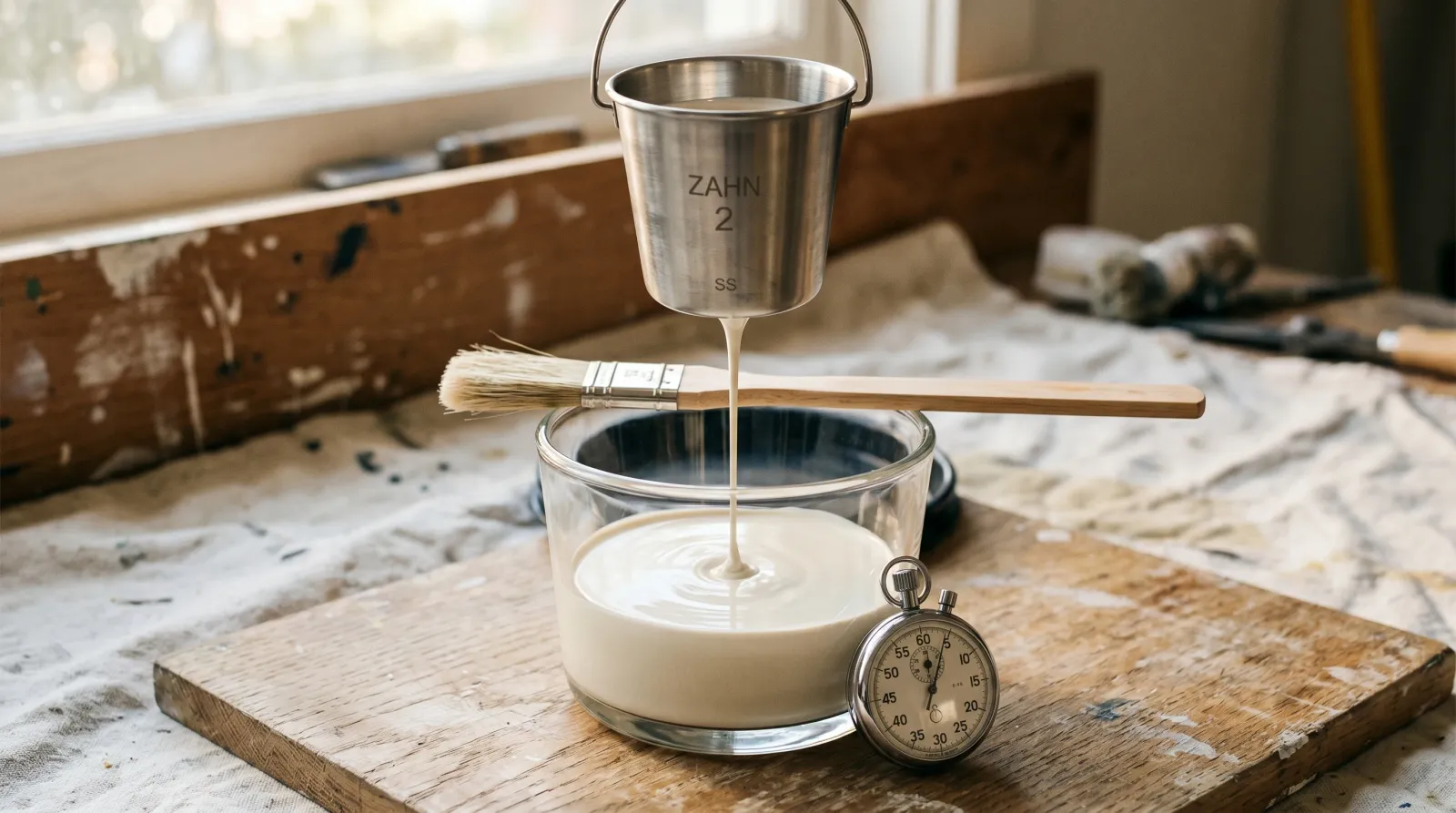 Explainer
Paint Viscosity Explained — Cup Tests and Why They Matter
Paint viscosity is resistance to flow, measured in Krebs Units or seconds through a Zahn cup #2. Why 70-85 KU works for rollers and HVLP wants 20-25 seconds.
June 2, 2026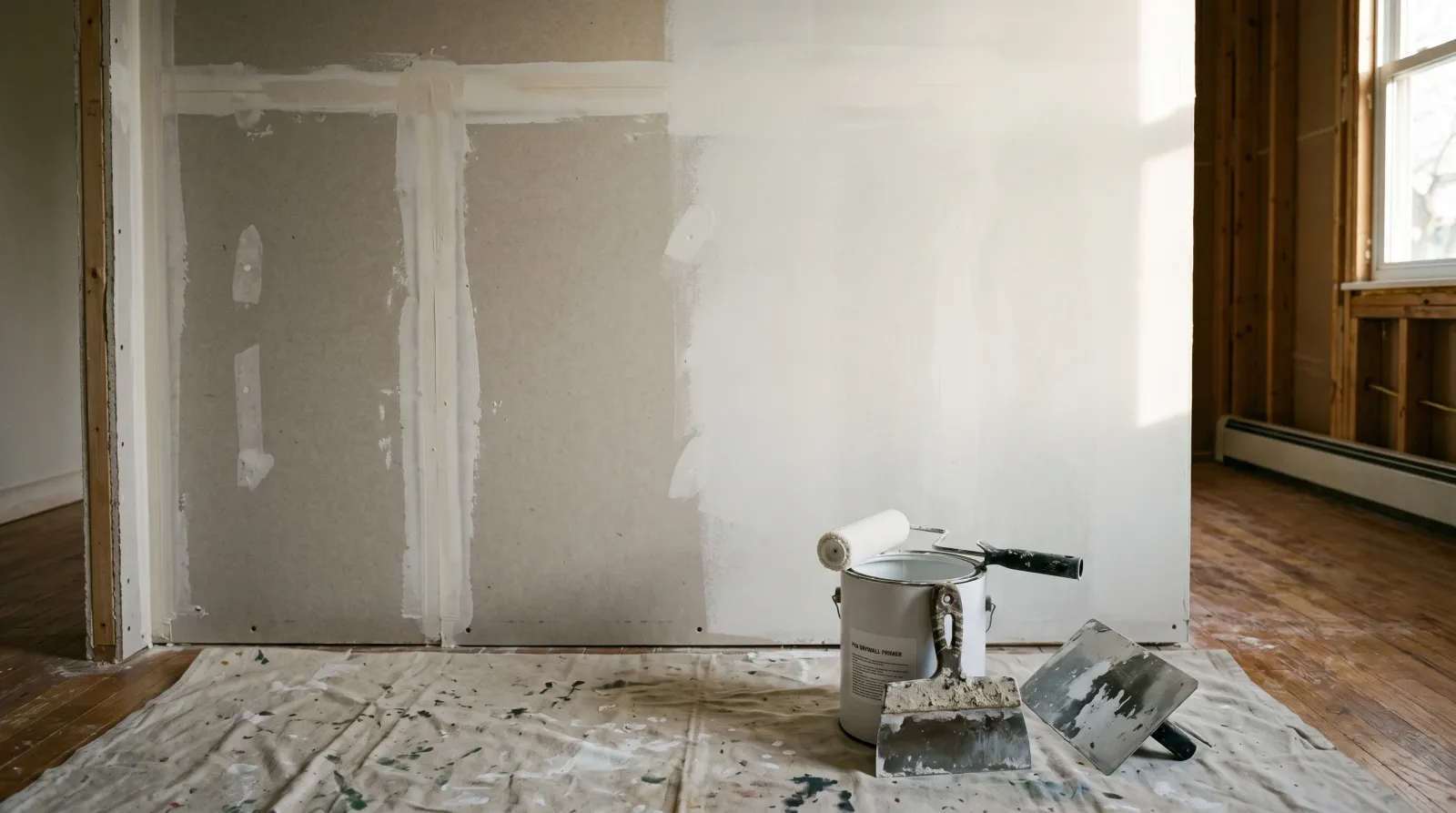 Explainer
What Is Wall Sealer? PVA Primer and Drywall Sealing
Wall sealer is a thin water-based primer (usually PVA) that closes off porous drywall so your finish paint stops getting eaten. Here is how it works.
June 2, 2026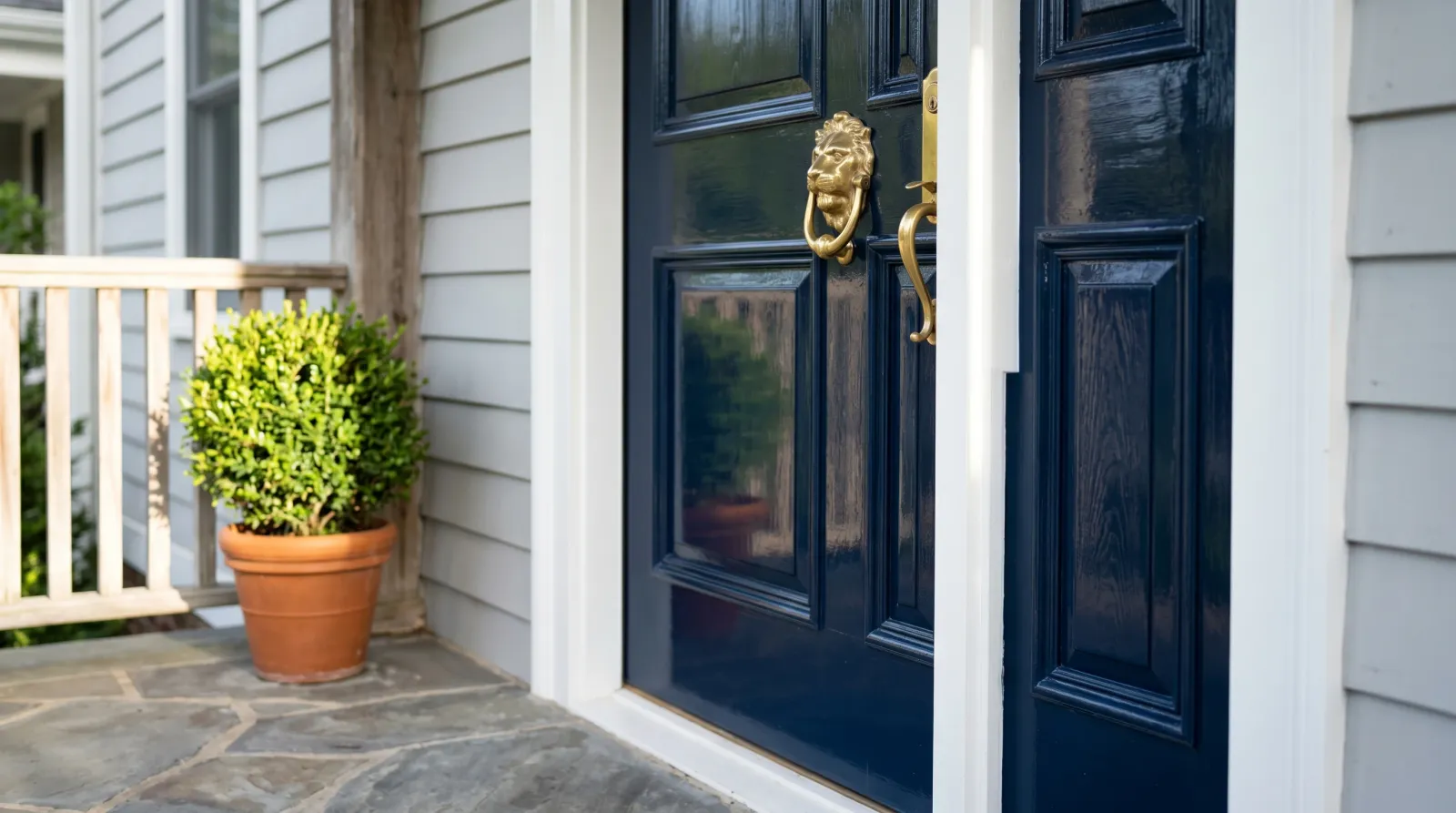 Explainer
What Is High-Gloss Paint?
High-gloss reads 70+ gloss units at 60°, cures into the hardest film on the shelf, and reflects light like furniture lacquer. Here's where it belongs.
June 2, 2026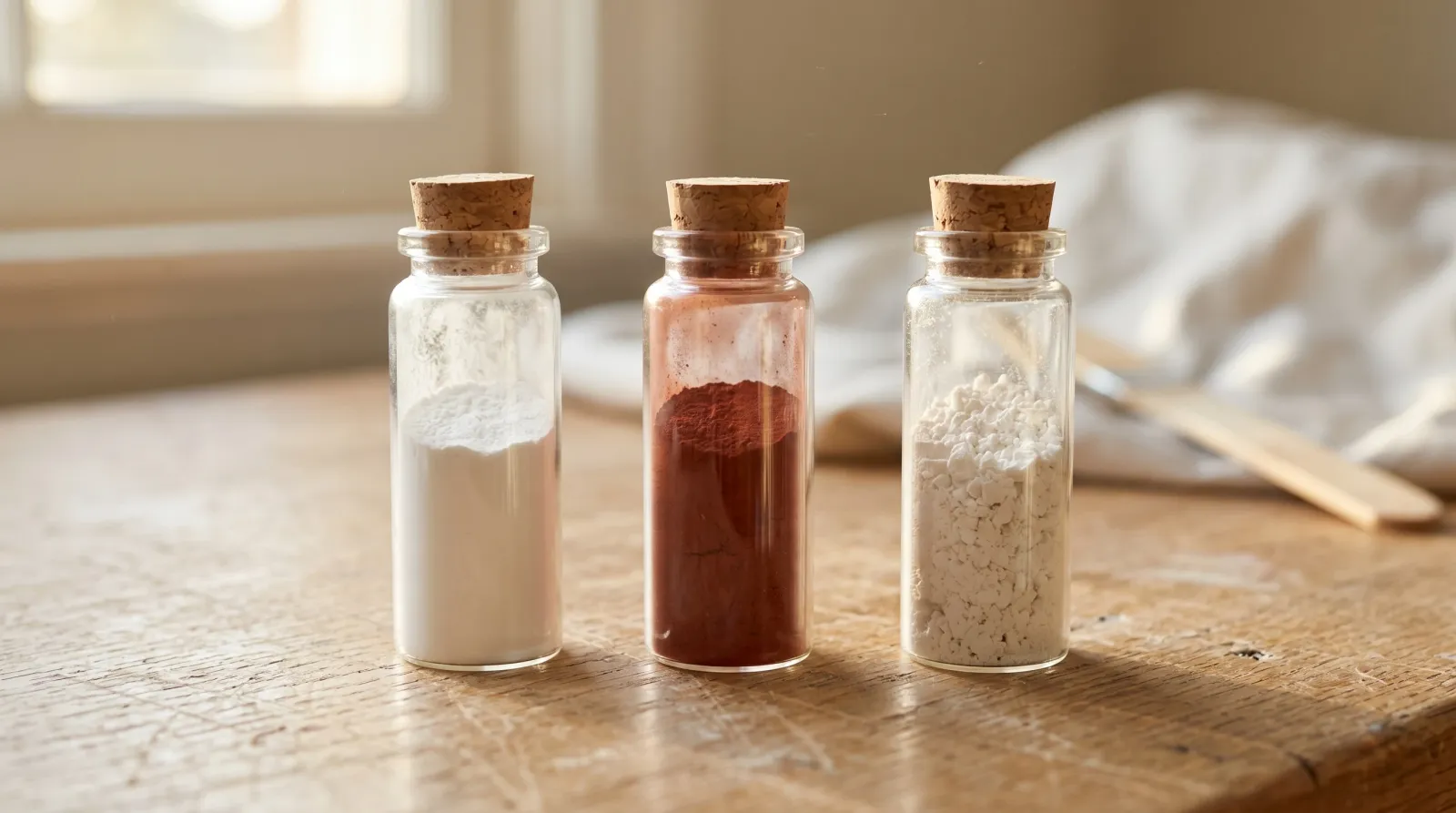 Explainer
What Is Pigment in Paint?
Pigment gives paint its color and its hide. Prime pigments do the work; extender pigments fill space. Why deep tints cover poorly, and what TiO2 actually does.
June 2, 2026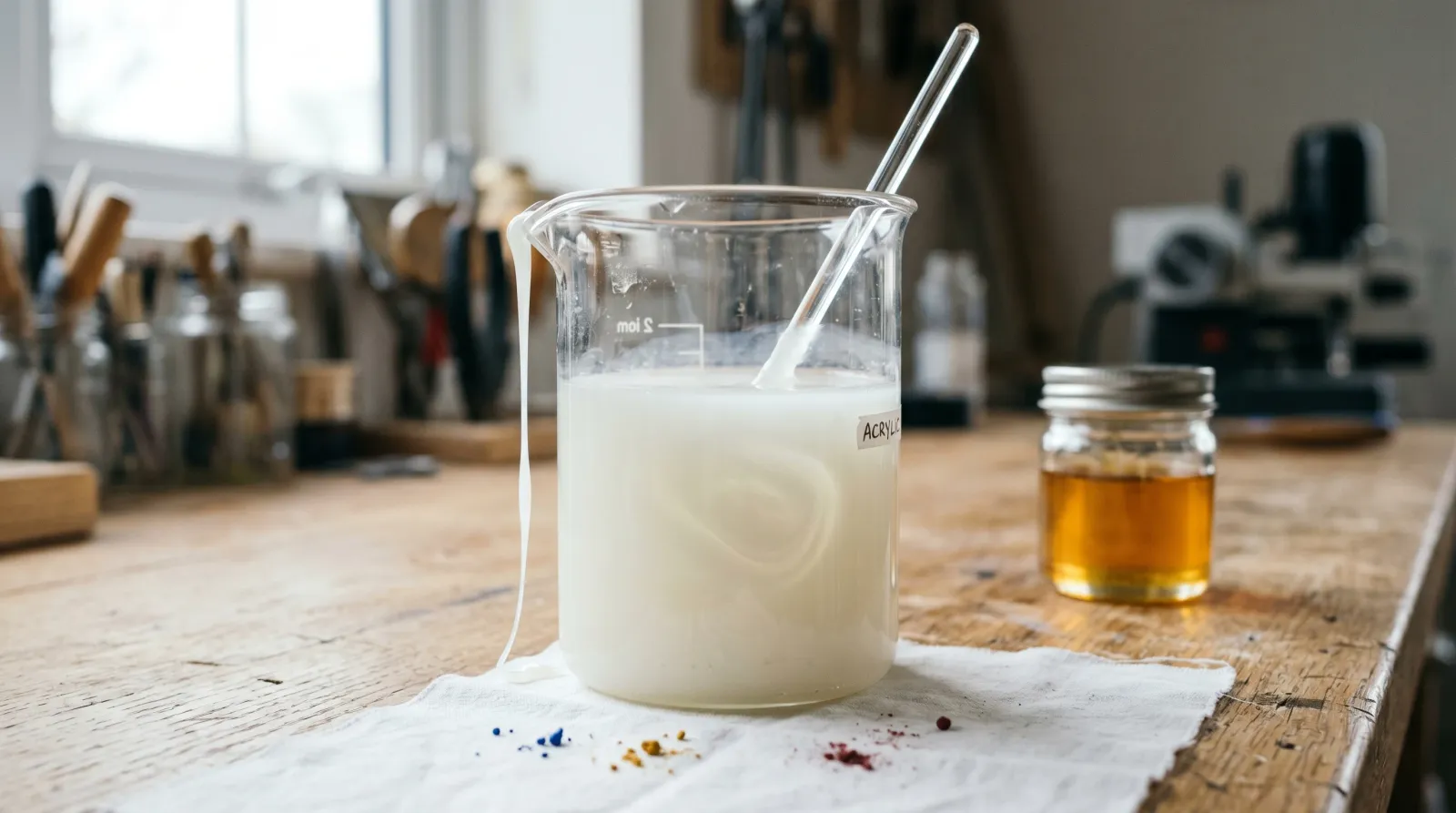 Explainer
What Is Resin in Paint?
Resin is the polymer that fuses into the dried film and holds everything else there. Acrylic, alkyd, urethane, epoxy — the resin decides what the paint actually does.
June 2, 2026